Cusco to Sacred Valley Travel Guide
Plan your journey from Cusco to Pisac, Urubamba, Ollantaytambo, and other Sacred Valley stops, with practical advice on transfers, trains, luggage, and Machu Picchu connections.
 Visit Sacred Valley
August 31, 2026
Visit Sacred Valley
August 31, 2026
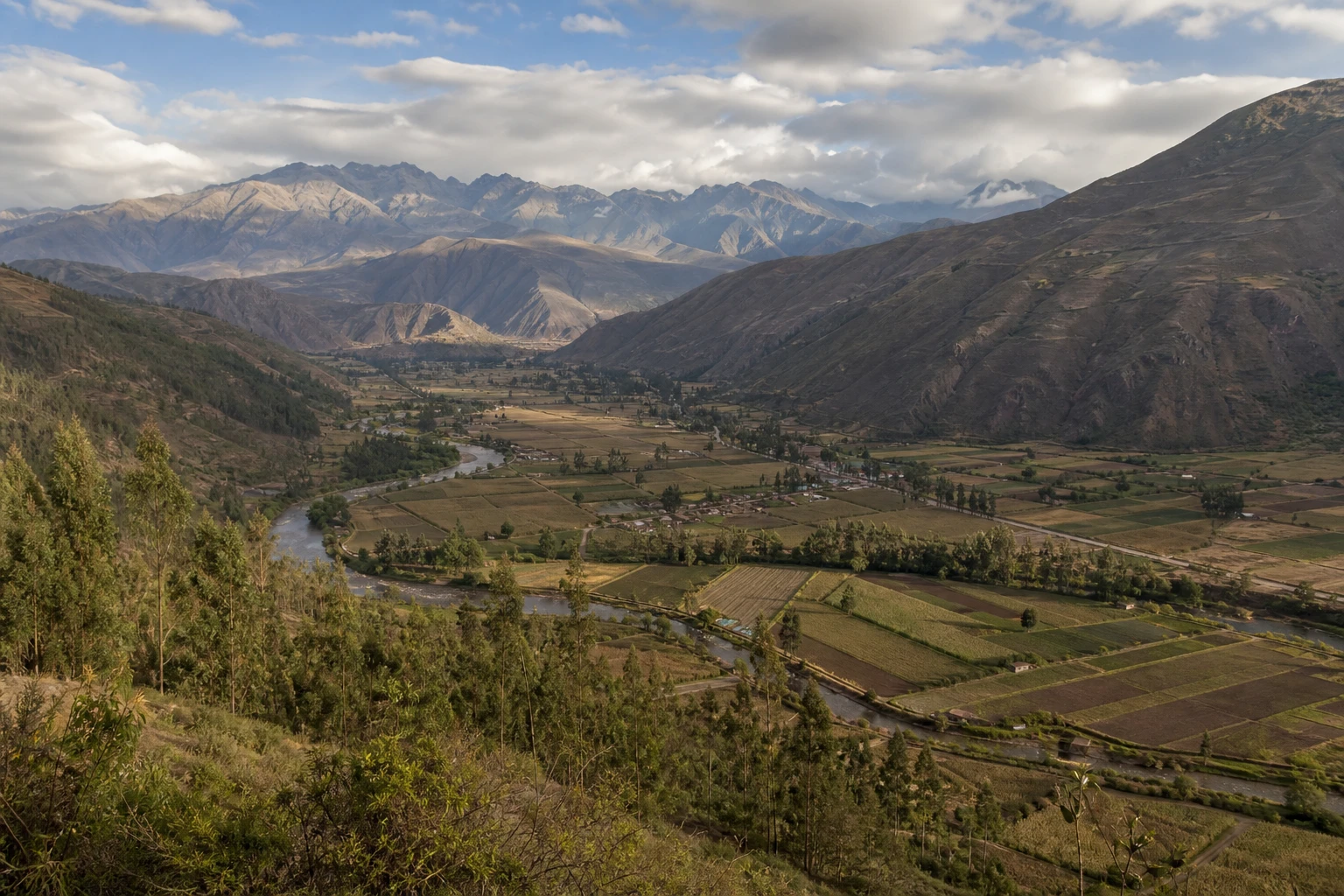
Traveling from Cusco to the Sacred Valley is less about finding one standard route and more about choosing the right endpoint. A direct transfer to your hotel calls for a different plan than a sightseeing day through Pisac or a rail connection at Ollantaytambo. Decide where you want to sleep, which places you want to visit, and whether Machu Picchu follows before booking transportation.
- Choose your first Sacred Valley town before comparing transport options.
- Use a private transfer or planned sightseeing transfer when luggage and hotel access matter.
- Leave generous time before a fixed train departure at Ollantaytambo.
- Check current access instructions because road works can alter the approach to the station.
- Book Machu Picchu admission and train arrangements before building the rest of a tightly timed itinerary.
The simplest plan is usually the one with the fewest fragile connections. A delayed pickup is inconvenient when you are checking into a hotel, but it can derail the day when an early train or timed admission follows. Build extra margin around Ollantaytambo during the 2026 access works, and confirm the live train timetable rather than relying on an old screenshot or saved itinerary.

From Urubamba & Ollantaytambo: Sacred Valley Day tour with Lunch
Explore the best and most unique sites in the Sacred Valley on a private tour. Visit the impressive ruins of Ollantaytambo, an ancient Inca fortress...
Choose your Sacred Valley endpoint before booking
The Sacred Valley is a collection of towns, archaeological sites, rural roads, and lodging areas rather than a single arrival point. Giving a driver only “Sacred Valley” is not enough. Provide the exact hotel or meeting address, plus the town name, when requesting a quote or pickup.
Pisac suits a plan centered on the ruins, town, and market. Before committing, use the Pisac ruins and market guide to decide how much of the day you want there. If Pisac is your first substantial stop, make that clear when arranging transportation so the driver does not assume you want only a hotel drop-off elsewhere in the valley.
Urubamba works well as a central lodging decision when the hotel itself is an important part of the trip or when you plan separate excursions. Properties can sit outside a compact town center, so use the complete address rather than relying on the hotel name alone. The guide to where to stay in the Sacred Valley can help you compare villages and lodging styles before arranging the transfer.
Ollantaytambo deserves special attention if you are continuing by train. PeruRail labels Ollantaytambo as “Sacred Valley” in its 2026 timetable and lists early departures toward Machu Picchu. Staying there before an early train reduces the risk created by attempting a same-morning road connection from Cusco.
Before settling on a base, scan the best things to do in the Sacred Valley and mark the places that genuinely matter to you. Grouping those priorities around one lodging area usually produces a calmer trip than repeatedly crossing the valley. It also makes transfer quotes easier to compare because each provider receives the same proposed route.
Compare the main ways to travel from Cusco
There is no universally best transport choice. The right option depends on luggage, group size, schedule, desired stops, and how comfortable you are coordinating local departures. Current local fares and frequencies can change, so compare options using the same date, pickup point, destination, and list of included stops.
| Option | Best for | Main advantage | Question to ask |
|---|---|---|---|
| Private transfer | Travelers with luggage, children, or a specific hotel | Direct pickup and control over the route | Are stops, waiting time, and hotel access included? |
| Sightseeing transfer | Travelers changing hotels while visiting selected places | Combines transportation with a planned travel day | Which stops and admission arrangements are included? |
| Shared local transport | Flexible travelers carrying manageable luggage | A straightforward point-to-point option | Where exactly do you board and get off? |
| Organized day tour | Visitors returning to Cusco after sightseeing | Transport and the day's route are coordinated | Does the tour end in Cusco or allow a valley drop-off? |
| Taxi arranged locally | Short-notice or simple direct trips | Can be arranged around your departure time | Is the quoted amount for the full route and vehicle? |
A private transfer is particularly useful when your accommodation is outside a town center. Confirm how much luggage the vehicle can carry and whether the driver will meet you at a hotel, airport, or another address. If your flight and transfer fall on the same day, allow enough flexibility for baggage collection and possible arrival delays.
Shared transport can suit a simple journey, but convenience depends on the boarding point and final stop. Ask for those two locations before setting out with bags. Do not assume a shared vehicle will provide a door-to-door hotel drop-off or accept oversized luggage without discussion.
A day tour is a different product from a transfer. Many travelers want to visit the valley and remain there overnight, while a conventional excursion may be designed to return to Cusco. Check the finishing point before booking. A tour is only a useful transfer when the operator agrees to your luggage and valley drop-off.

One-Day Inca Trail Hike to Machu Picchu from Cusco
Experience the best of the legendary Short Inca Trail in just one day from Cusco. Begin your hike at Km 104 and foll...

Aguas Calientes Machu Picchu Official Ticket Bus and Guide
Discover Machu Picchu with this all-inclusive guided tour, including official entrance tickets, round-trip bus trans...

Explore Machu Picchu Private Guided Tour from Aguas Calientes
Discover the secrets of Machu Picchu with a private tour guide on an unforgettable journey from Aguas Calientes. Sta...
Match a sightseeing transfer to your actual priorities
A sightseeing transfer can turn a hotel change into a rewarding travel day, but an overfilled route quickly becomes a sequence of parking lots and hurried photographs. Choose one or two major priorities. Allow time for meals, admission procedures, walking, and the final drive to your accommodation.
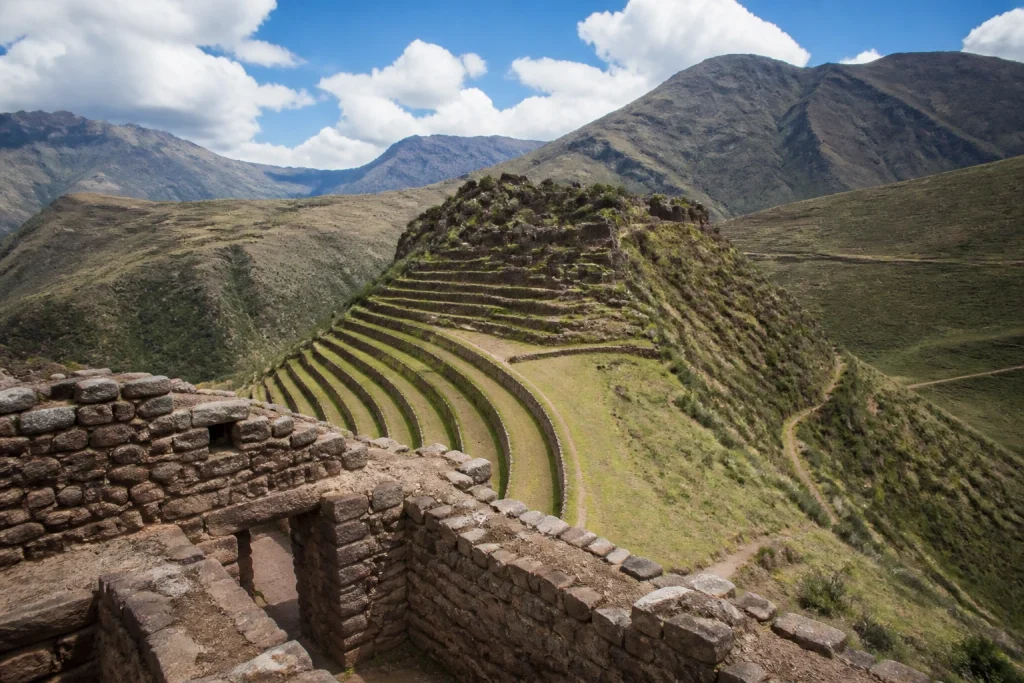
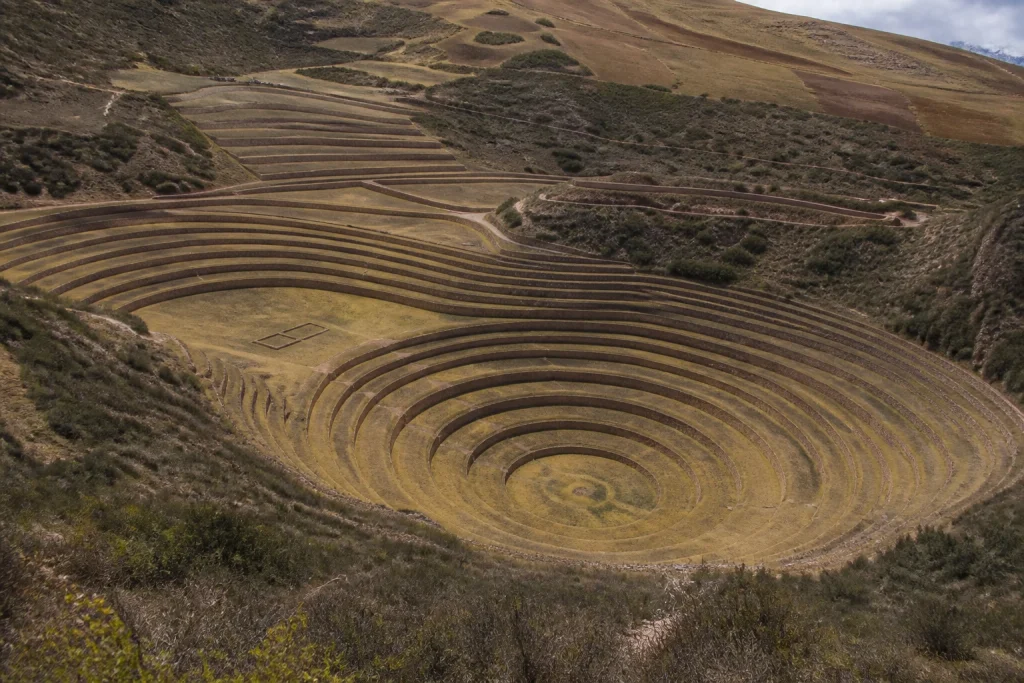
Pisac is a logical focus when its archaeological area and market are central to your plans. Maras and Moray require a different itinerary, so arrange them explicitly rather than assuming a driver will add a detour. The Maras and Moray half-day plan can help you decide if those sites deserve a dedicated outing instead of being squeezed into your arrival day.
Clarify whether you are buying transportation only or a guided experience. A driver may handle the road journey without providing interpretation at archaeological sites. Also confirm whether admission, meals, parking, waiting time, and a final hotel drop-off are part of the arrangement.
Keep luggage security in mind during stops. Ask whether bags remain in the vehicle, who stays with the vehicle, and whether valuables should travel with you. Carry passports, payment cards, medication, and train documents in a small personal bag rather than leaving them in stored luggage.
Build enough flexibility into your arrival day
Your arrival day should absorb delays rather than amplify them. If you have just reached Cusco, a direct transfer and an easy first afternoon are generally more resilient than a chain of timed stops. Save the most important archaeological visit for a day when a late flight, missing bag, or slower pickup cannot erase it.
Travelers already staying in Cusco can build a more ambitious transfer day, but the same discipline applies. Set a firm departure time, identify the final check-in location, and avoid adding spontaneous stops when you have a dinner reservation or other fixed commitment at the end of the route.
If someone in your group needs step-free access, luggage assistance, or extra time getting into a vehicle, discuss those needs before booking. Archaeological visits can introduce a different set of access questions than the transfer itself, so confirm vehicle arrangements and site conditions separately.
Use Ollantaytambo carefully as a rail gateway in 2026
Road works announced from April 13, 2026 changed access to the Ollantaytambo station and parking area. PeruRail said the work would last approximately eight months and identified an alternative approach using Vía de Evitamiento, Rumira, San Isidro, Calicanto Bridge, and Avenida Ferrocarril. Since road arrangements can evolve during construction, confirm the current approach shortly before traveling.
The practical response is simple: do not schedule a tight road-to-rail connection. Tell your transfer provider which train you are taking, not merely that you are going to the station. Allow time for the altered approach, unloading luggage, finding the correct entrance, and completing any boarding formalities stated in your confirmation.
The same notice changed selected bimodal services. One Cusco-to-Ollantaytambo departure moved from 16:30 to 16:00, one return arrival shifted from 17:30 to 18:00, and Expedition 504 and Vistadome 606 were assigned a bus transfer from Pachar. A booking that looks like a rail itinerary can therefore include a road segment.
Treat those service details as a reason to check your live itinerary, not as a permanent schedule. Read the transport mode, departure point, and transfer instructions on the current confirmation. If a bus segment is included, make sure everyone in the group understands where it begins.
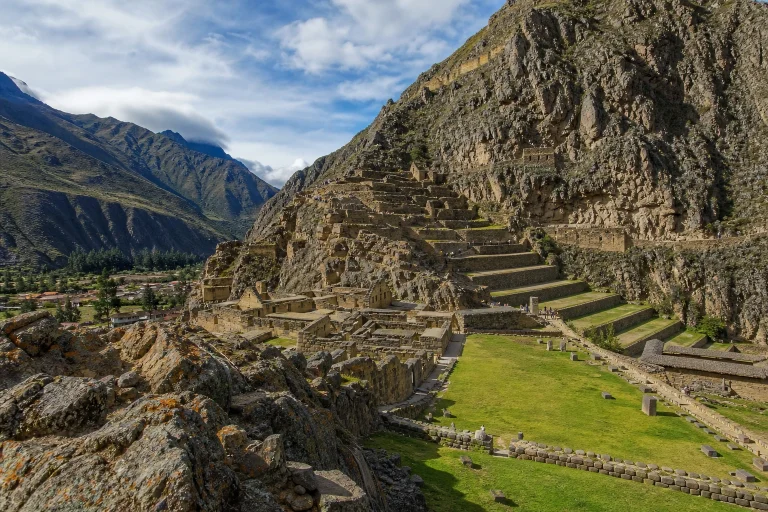
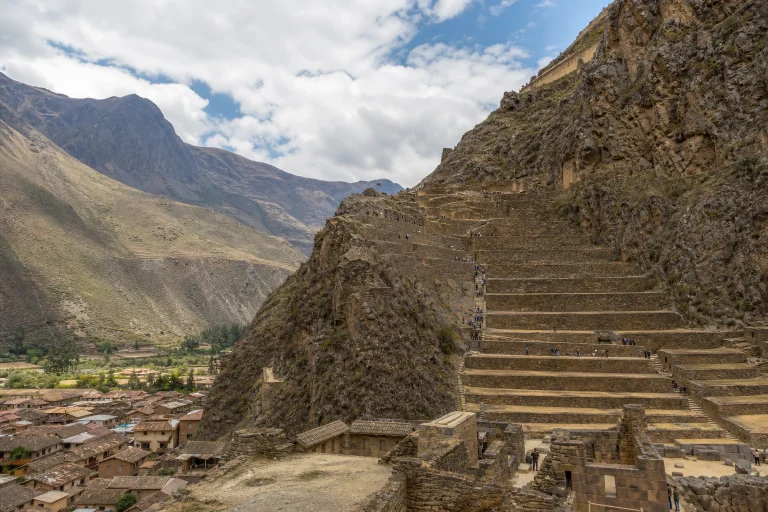
Ollantaytambo is more than a place to catch a train. If the town interests you, the guide to living inside the Inca town of Ollantaytambo can help you decide whether to stay overnight. An overnight stop is especially practical before an early departure and creates room to enjoy the town without watching the clock.
Still comparing Cusco To Sacred Valley Travel Logistics?
Ask for tour ideas, hotel suggestions, or a simple trip plan that combines both.
Trip Helper
Plan rail luggage before leaving Cusco
PeruRail states that standard Expedition, Vistadome, and Vistadome Observatory passengers on the Cusco-to-Machu Picchu route may carry one bag or backpack weighing up to 8 kilograms. The maximum stated size is 115 linear centimeters, described as roughly 55 by 35 by 25 centimeters.
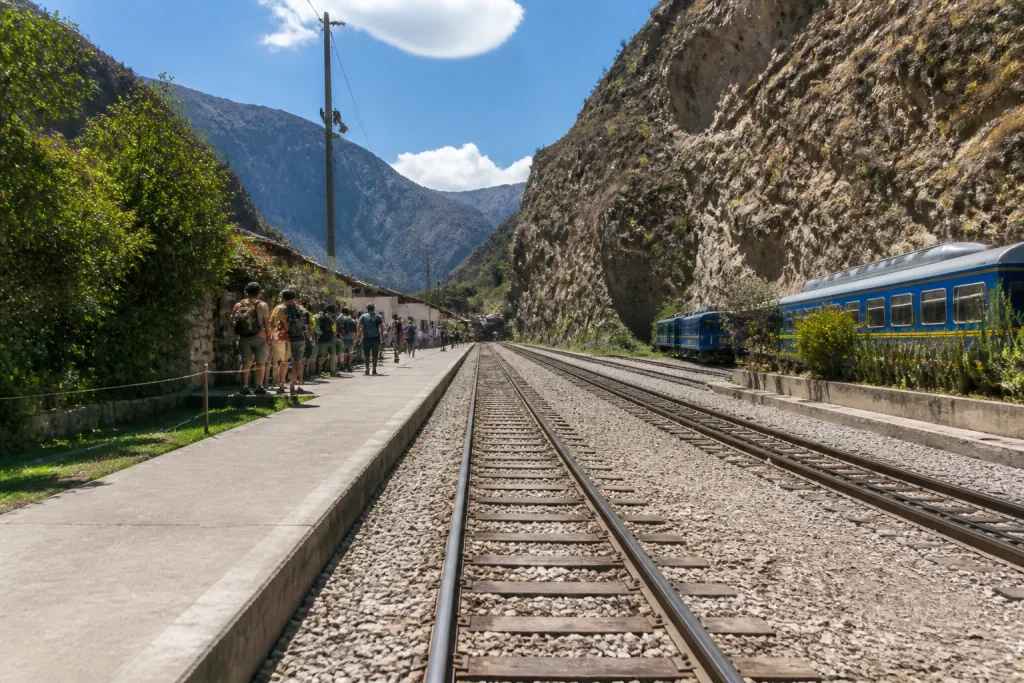
That allowance is much smaller than a typical long-haul suitcase. If Machu Picchu follows your valley stay, separate what you need for the rail portion before leaving Cusco. Keep essential documents, medication, and valuables in the permitted small bag, and arrange storage for anything larger.
PeruRail advertises complimentary passenger luggage storage at Ollantaytambo station. Its published pages disagree about storage hours at Machu Picchu station, although they agree on the existence of Ollantaytambo storage. Confirm operating hours before depending on an early drop-off or late collection.
PeruRail lists charges of US$25 for checked luggage and US$15 for extra carry-on luggage. It asks passengers who need luggage assistance to make contact at least 48 hours in advance, with assistance subject to availability. These terms apply to the specified rail services and should not be assumed for taxis, local transport, or another train operator.
Train choice also affects the wider itinerary. Use the comparison of PeruRail and Inca Rail for Sacred Valley trains to Machu Picchu when weighing departure points and service styles. Check the luggage policy attached to the operator and fare you actually select rather than applying one company's rules to every train.
Book Machu Picchu before fixing a tight valley itinerary
If Machu Picchu follows the Sacred Valley, secure the major fixed elements before finalizing transfers. Official information directs online admission purchases to the state TuBoleto platform. Once your admission date and entry arrangement are set, choose a compatible train and then build valley lodging and road transfers around those commitments.
A limited allocation of up to 1,000 tickets is sold in person each day in Machupicchu Pueblo for entry the following day, subject to availability. Treat this as a fallback rather than the foundation of a short itinerary. It does not provide a dependable same-day admission solution.
PeruRail's May to December 2026 timetable includes an Ollantaytambo departure toward Machu Picchu at 05:05. That early option illustrates why sleeping in Ollantaytambo can be more practical than attempting to leave Cusco and connect the same morning. Always check the live schedule and current station-access notice before committing.
- Choose and purchase the Machu Picchu admission arrangement.
- Select a train that works with the admission date and your lodging plan.
- Reserve the Sacred Valley hotel or Ollantaytambo stay.
- Arrange the Cusco transfer using the exact hotel and train details.
- Add sightseeing only after the fixed connections are protected.
Pack for the transfer rather than the photograph
Keep the items needed during the journey separate from checked or stored luggage. Carry water, medication, identification, booking details, a charged phone, and a layer you can add or remove. Check the day's forecast and add rain protection when conditions call for it.
Download or capture essential booking details before departure in case mobile service is inconsistent along the route. The useful information includes your driver's contact, pickup address, destination, hotel name, train number, departure point, and passenger names. Avoid relying on a long email thread when a concise offline record will do.
Keep some schedule flexibility for meals and rest stops, especially when traveling with children or a larger group. If anyone is prone to discomfort on winding roads, seat placement and planned breaks are worth discussing with the driver before leaving Cusco.

Machu Picchu Private Archaeological and Historical Guided Tour
Explore Machu Picchu, one of the Seven Wonders of the World, in the company of a private guide. Enjoy the undivided...

Private Guided Tour in Machu Picchu
The guide will be exclusively for you or your group, the tour is along the circuit indicated on your ticket. The gui...

Machu Picchu Private Tour with Ticket, Bus from Aguas Calientes
Maximize your time at Machu Picchu with this private guided tour starting directly from Aguas Calientes. Skip the ha...
Confirm these details with your transfer provider
A good confirmation should remove ambiguity without turning into a negotiation over every minor detail. Send one compact message containing the date, pickup time, pickup address, exact destination, passenger count, luggage count, and requested stops. Add your train details if the journey ends at Ollantaytambo station.
- Is the price for the entire vehicle or per passenger?
- Are parking, waiting time, and planned stops included?
- How much luggage will the assigned vehicle hold?
- Where will the driver meet us at the pickup point?
- What is the current approach to Ollantaytambo station?
- Can the vehicle accommodate child seats or specific mobility needs?
Avoid comparing a direct transfer with a guided sightseeing day as if they were the same service. A higher quote can reflect a larger vehicle, longer waiting time, a guide, or additional stops. Compare the full scope first, then the total cost.
Use a simple itinerary that protects fixed connections
Direct transfer and relaxed first afternoon
Travel directly from Cusco to your chosen hotel, check in, and keep the remainder of the day flexible. This plan suits late arrivals, travelers carrying substantial luggage, and anyone who prefers to settle in before sightseeing. Arrange a separate excursion for the places that matter most.
One focused sightseeing stop on the way
Choose one primary stop that fits your destination and reserve enough time to enjoy it. Confirm luggage handling and the final hotel arrival before departure. This gives the journey a sense of discovery without forcing every valley landmark into one long day.
Sacred Valley stay before Machu Picchu
Move from Cusco to the valley, spend at least one night near the places you want to explore, and position yourself in Ollantaytambo before an early train if necessary. Pack a rail-sized bag while storing larger luggage according to your hotel or operator's arrangements.
Check current conditions without overcomplicating the trip
Current UK travel advice displays a regional warning for a Peru-Colombia border area in Loreto rather than the Cusco-Sacred Valley corridor. That distinction does not guarantee disruption-free travel. Review current national advice, the local forecast, transport notices, and messages from your accommodation shortly before departure.
The most relevant 2026 issue for rail-bound travelers is the altered station access at Ollantaytambo. Reconfirming that route and leaving additional time is more useful than trying to predict the exact state of the works weeks in advance.
Make the route match the trip you actually want
The best Cusco to Sacred Valley plan begins with a precise destination. Choose a direct transfer when convenience and luggage matter, a focused sightseeing transfer when the journey itself is part of the day, or an overnight in Ollantaytambo when an early train follows. The main limitation is uncertainty around changing traffic, fares, and service arrangements, so protect fixed connections with time and clear confirmations.
Once your endpoint, luggage plan, and train commitments are settled, the trip becomes straightforward. Book the essential pieces in the right order, resist the urge to crowd every site into arrival day, and give the Sacred Valley enough space to feel like a destination rather than a transfer corridor.
Frequently asked questions
How long does it take to travel from Cusco to the Sacred Valley?
There is no single useful travel time for the entire Sacred Valley because the endpoint, traffic, pickup location, and sightseeing stops all affect the journey. Ask for an itinerary based on your exact hotel or station, then add extra margin before any fixed train departure.
What is the easiest way to get from Cusco to the Sacred Valley?
A prearranged private transfer is usually the easiest choice for travelers carrying luggage or going to a specific hotel. Shared transport can work for a simpler point-to-point trip, while a sightseeing transfer is better when you want planned stops along the way.
Should I stay in Pisac, Urubamba, or Ollantaytambo?
Choose the town that best matches your itinerary. Pisac suits plans focused on its ruins and market, Urubamba offers a broad selection of valley lodging options, and Ollantaytambo is particularly practical when continuing toward Machu Picchu by train.
Can I travel from Cusco and catch an early Machu Picchu train on the same morning?
Avoid relying on a same-morning Cusco road transfer for the earliest Ollantaytambo trains. PeruRail's 2026 timetable includes a 05:05 departure, and temporary station-access changes add another variable. Staying in Ollantaytambo the previous night creates a safer schedule.
How much luggage can I take on PeruRail?
Standard Expedition, Vistadome, and Vistadome Observatory passengers may take one bag or backpack up to 8 kilograms and 115 linear centimeters, roughly 55 by 35 by 25 centimeters. Check the policy attached to your selected service because another operator or fare can have different terms.
Can I buy a Machu Picchu ticket after arriving?
Limited in-person tickets are sold in Machupicchu Pueblo for entry the following day, subject to availability. The daily allocation is up to 1,000 tickets, so treat it as a fallback and use the official online TuBoleto system when planning a fixed itinerary.
Are the Ollantaytambo station road works still affecting access?
They may still affect access during 2026. PeruRail announced works beginning April 13 for approximately eight months, but the exact arrangements can change as construction progresses. Reconfirm the station approach with your transfer provider shortly before travel.
From Urubamba & Ollantaytambo: Sacred Valley Day tour with Lunch
Explore the best and most unique sites in the Sacred Valley on a private tour. Visit the impressive ruins of Ollantaytambo, an ancient Inca fortress...

Machu Picchu 2Day Tour by Train from Cusco with Overnight Stay
Our tour guides at Machu Picchu are incredibly passionate about storytelling and are committed to creating unforgett...