Cusco Airport Layover to the Sacred Valley Guide
Planning to leave Cusco Airport during a layover? Use this practical Sacred Valley guide to judge the timing, arrange a reliable return transfer, choose between Pisaq and Ollantaytambo, manage entry cutoffs, and avoid risky…
 Visit Sacred Valley
October 13, 2026
Visit Sacred Valley
October 13, 2026
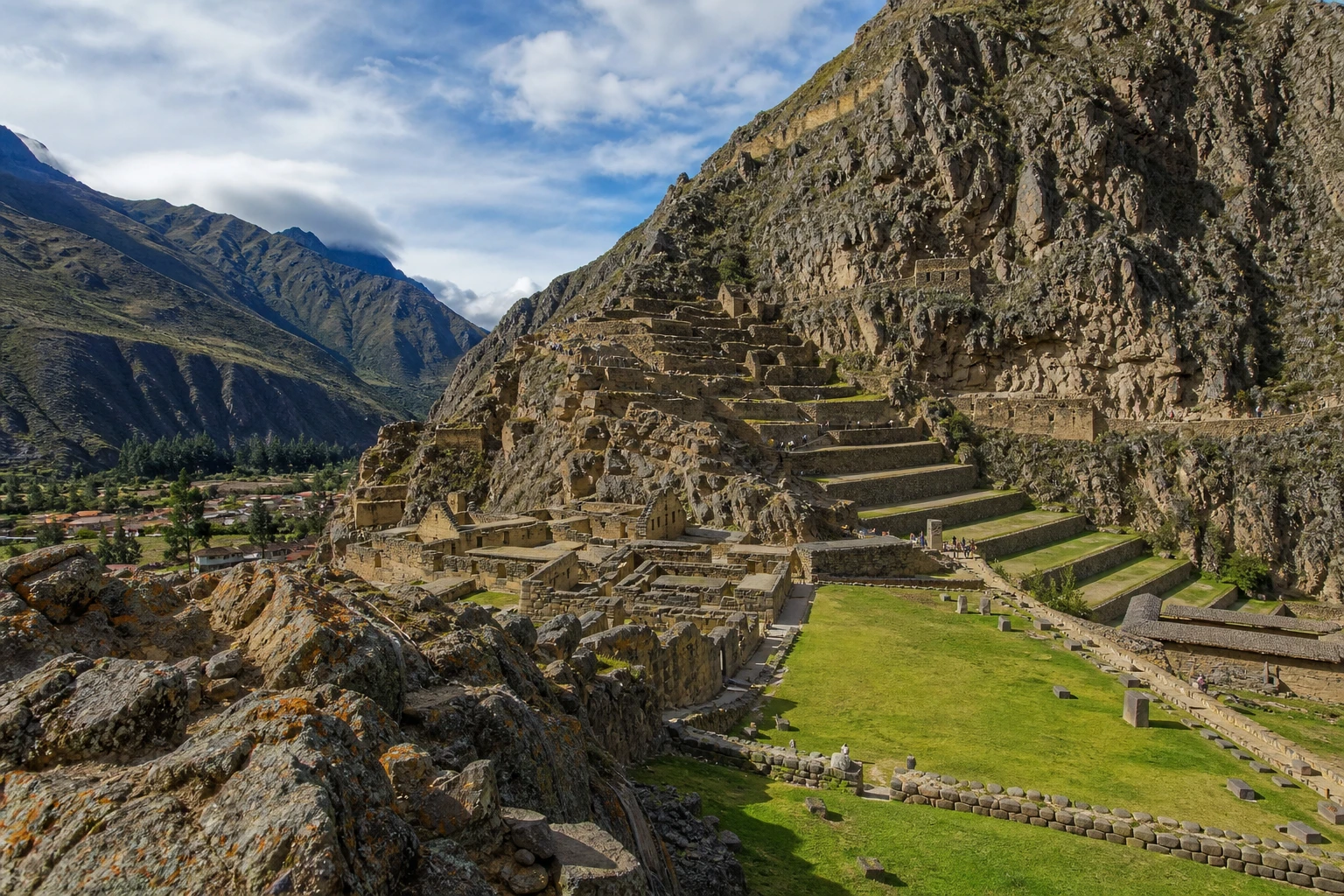
A layover at Cusco’s Alejandro Velasco Astete Airport can look like an opening for the Sacred Valley, but the road clock matters more than the map. Ollantaytambo is a rewarding stop only when the connection is genuinely long, transport is arranged for both directions, and you can return early without gambling on traffic. Treat this as a carefully managed outing, not a casual airport break.
Start with the layover clock, not the map
- Plan one Sacred Valley stop at most. A multi-stop circuit creates too many opportunities for road delays to eat into your return window.
- Use the published Cusco-city-to-Ollantaytambo time of roughly 1 hour 29 minutes to 1 hour 45 minutes each way only as a road baseline. It is not an airport-to-door guarantee.
- Reserve Ollantaytambo for a long layover with a flexible return buffer, especially because congestion has affected access to the town and archaeological parks.
- Arrange a return transfer before leaving the airport. Do not build a time-sensitive itinerary around an assumed direct airport shuttle or a fixed taxi fare.
- Pisaq and Ollantaytambo are covered by the Cusco Tourist Ticket, but check the current COSITUC tariff and the same-day entry cutoff before departing.
The safest mindset is simple: your return flight is the fixed event; the Sacred Valley visit is optional. Give yourself time to exit the airport, meet your driver, travel out and back, handle any traffic interruption, and complete your airline’s required check-in and security steps. If the plan only works when every connection runs perfectly, keep the layover at the airport instead.
Use a conservative time test before leaving the airport
There is no universal number of layover hours that makes a Sacred Valley visit safe. Flight delays, baggage handling, road conditions, transfer readiness, airline rules, and entry cutoffs all affect the decision. Use the scheduled time between flights as a starting point, then subtract the time you need at both ends of the journey. The following framework is deliberately conservative.
| Scheduled layover | Practical approach | Why |
|---|---|---|
| Under 6 hours | Stay close to the airport and do not plan a Sacred Valley archaeological stop. | The city-origin road baseline to Ollantaytambo alone is about 1.5 to 1.75 hours each way, before airport exit, pickup, traffic, and flight procedures. |
| 6 to 9 hours | Consider an outing only with a prearranged return vehicle, one destination, and a firm early turnaround time. | A delayed arrival or congested road can quickly remove the margin needed to return comfortably. |
| 10 hours or more | A single destination can be considered, with Ollantaytambo still requiring disciplined timing and a flexible return buffer. | This creates more room for the outbound drive, a short visit, and an early return, but it is still not a guarantee against disruption. |
| Overnight or a next-day flight | Plan the Sacred Valley as part of the trip rather than as a rushed layover detour. | You can choose transport and site timing without tying every decision to a same-day departure. |
Do not confuse a published Cusco-city benchmark with your actual airport journey. The airport pickup, route chosen by your driver, vehicle stops, traffic, and the return to the terminal all sit outside those road figures. For a flight-day visit, the driver’s ability to turn around on time is more important than squeezing in one extra viewpoint, market stop, or meal.
Arrange your airport transfer for the return, not just the outbound drive
Alejandro Velasco Astete Airport has a designated area for taxi businesses, and PeruRail maintains a point of sale at the airport. Neither detail replaces a door-to-door layover plan. For a time-sensitive visit, organize a private return transfer in advance or agree a complete outbound-and-return arrangement before you leave the terminal. Do not assume a scheduled through shuttle will connect the airport directly to the Sacred Valley.
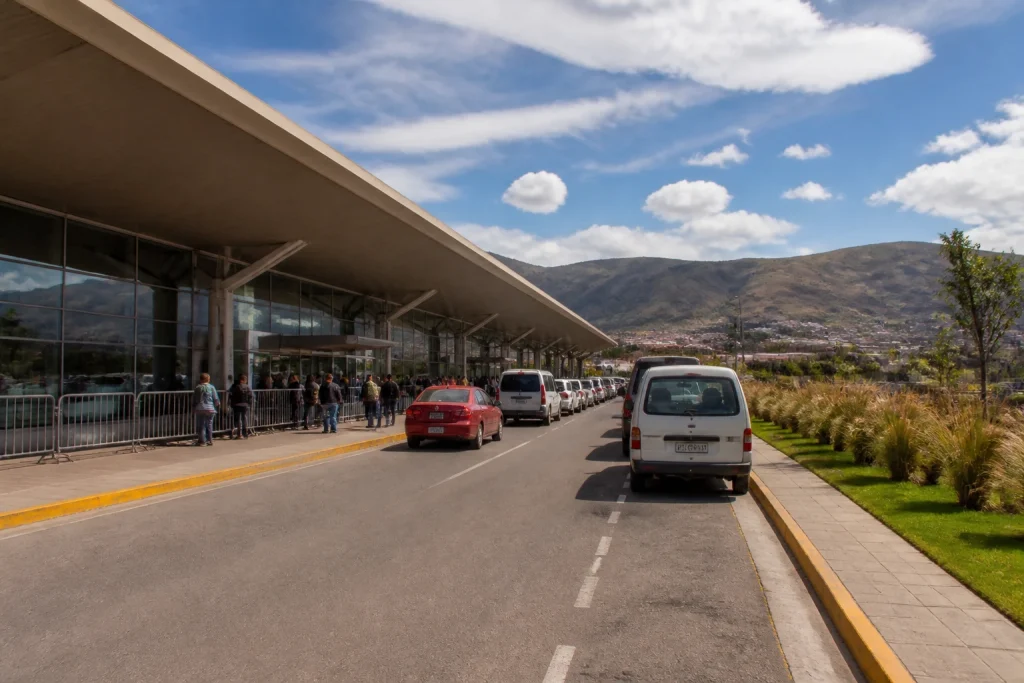
- Share your flight arrival details and your onward departure time with the transfer provider before travel.
- Confirm where the driver will meet you, which destination is realistic, and the hard time you will begin the return drive.
- Ask for one quote that clearly covers the outbound trip, waiting time if applicable, and the return to the airport. Do not rely on guessed airport-transfer prices.
- Keep your phone charged and have your onward-flight details available, so the return decision can be made quickly if the arrival is delayed.
- Set an early turnaround time before you leave the airport, then follow it even if the visit feels brief.
A PeruRail sales point can be useful if your wider itinerary includes rail travel, but it does not make a same-day Sacred Valley-to-Machu Picchu connection automatic. Keep the airport transfer, archaeological-site visit, and any train departure as separate commitments with their own timing requirements.
Still comparing Airport Transfers?
Ask for tour ideas, hotel suggestions, or a simple trip plan that combines both.
Trip Helper
Choose one valley destination, never a rushed circuit
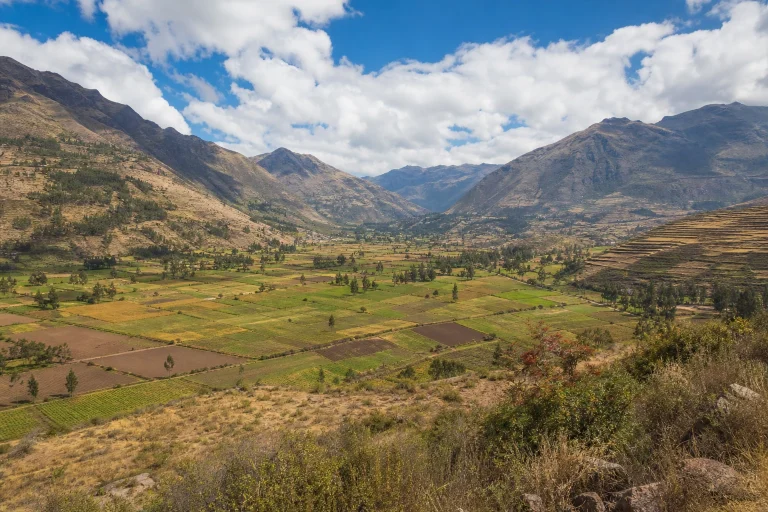
For an airport layover, the best destination is the one that lets you protect the return flight. That usually means choosing either Ollantaytambo or Pisaq, not trying to collect both in one drive. Pick the stop that fits the current traffic outlook, your confirmed entry window, and the return time agreed with your driver. The “best” plan is the one you can abandon early without stress.
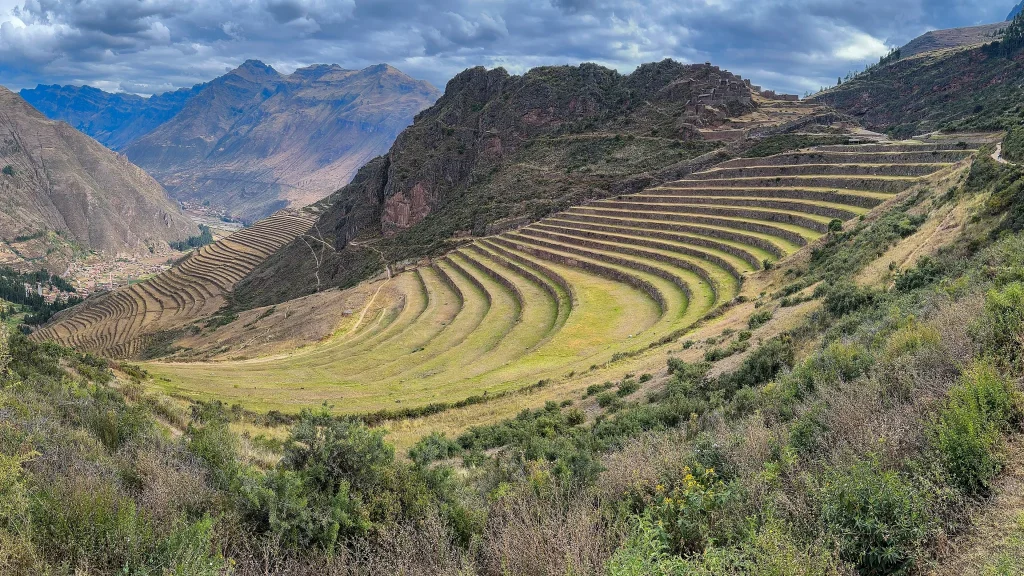
Ollantaytambo: high reward, high commitment
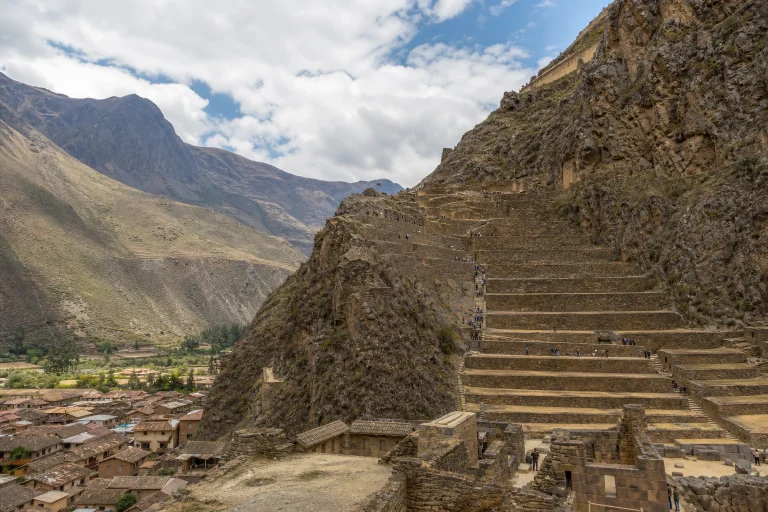
Ollantaytambo works best on a long layover, not a tight one. Official Cusco-city road baselines range from about 1 hour 29 minutes by tourist bus to about 1 hour 45 minutes by car via Chinchero, and neither figure includes the airport portion of your journey. Current congestion around Ollantaytambo adds another reason to keep the schedule flexible. For a future overnight stay, the deeper story is in Ollantaytambo: Living Inside an Inca Town.
Pisaq: make it a single-stop plan
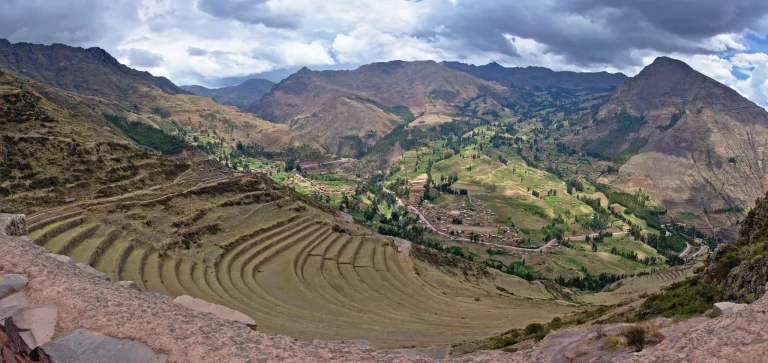
Pisaq can be considered as one stop when the route conditions, entry cutoff, and return deadline all align. Do not use it as the first half of a Pisaq-Ollantaytambo loop on a flight day. Authorities have flagged the Pisaq-Ollantaytambo road for urgent intervention, while congestion has affected access to archaeological parks. With more time in the valley, a Pisac ruins and market guide is a better fit for a slower visit.
Avoid a Pisaq-Ollantaytambo loop on a flight day
A driver may suggest a scenic or efficient-looking route, but a layover is the wrong moment to rely on a multi-stop itinerary. The regional government has described the Pisaq-Ollantaytambo road as critically deteriorated and in need of urgent intervention. Meanwhile, local tourism authorities report congestion affecting access to Ollantaytambo and other archaeological parks. Choose one site, keep the route direct, and be ready to turn back if the road is slow.
Handle tickets and entry cutoffs before you set out
Pisaq and Ollantaytambo are among the sites covered by the Cusco Tourist Ticket, known locally as the Boleto Turístico del Cusco. Ollantaytambo entry is also listed as being with the tourist ticket. Check COSITUC’s current tariff listing before travel for the ticket type and price that applies to your visit. Do this before committing to a driver, since a layover leaves little time for ticket confusion.
Entry cutoffs require a same-day check. Cusco’s cultural authority lists visiting hours of 07:00 to 16:30 for both Pisaq and Ollantaytambo, while a July 2026 GERCETUR notice said the maximum entry time had been temporarily extended to 17:00 as access improvements were underway. Do not treat either cutoff as guaranteed. Confirm the day’s final entry time with the site or official Cusco tourism authorities before departure.
Treat a Machu Picchu train connection as a separate commitment
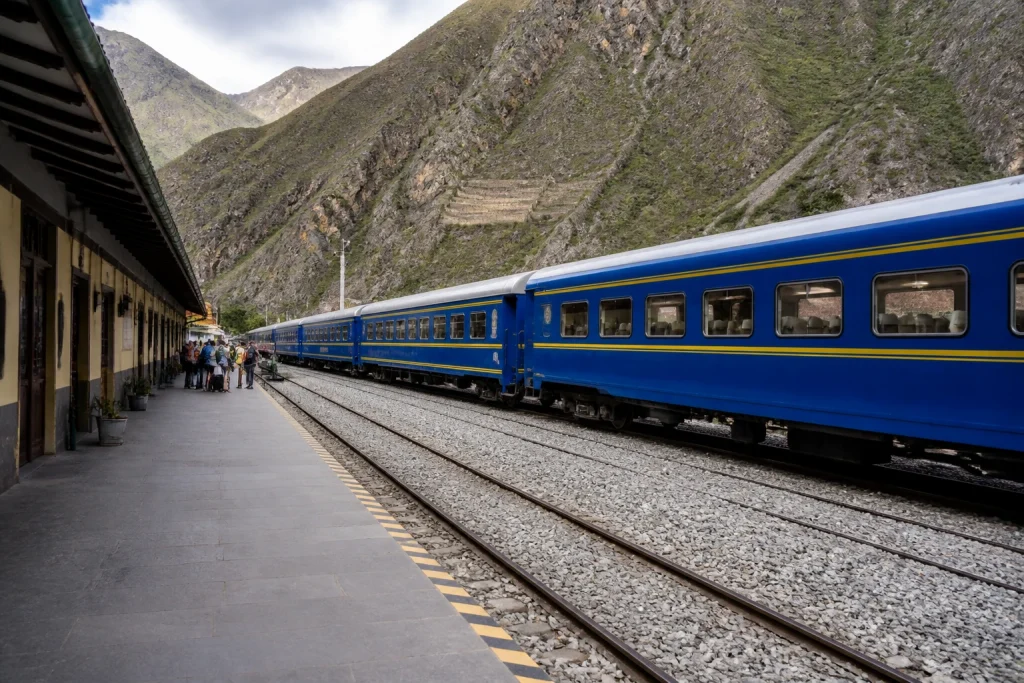
The May to December 2026 PeruRail timetable includes Ollantaytambo-to-Machu Picchu departures beginning at 05:05 and continuing into the evening. That frequency does not remove the road risk of reaching Ollantaytambo from a Cusco airport layover. PeruRail also announced access changes from April 13, 2026 for road works expected to last approximately eight months, including an alternative access route and bus transfers from Pachar for selected services.
If your itinerary links a flight, Sacred Valley stop, and train, reconfirm the current PeruRail access instructions before committing to the connection. Leave room for altered bimodal timings and never use a rail departure as a reason to shorten the airport-return buffer. For route planning beyond the layover, see PeruRail or Inca Rail? Sacred Valley Trains to Machu Picchu.
Follow this day-of-layover sequence
- Check your arriving flight status before landing and reassess the plan immediately if the delay removes your buffer.
- Meet only the driver or taxi arrangement that has a clear return plan. Keep the onward-flight schedule easy to access.
- Confirm the day’s archaeological-site entry cutoff before committing to the outbound drive.
- Travel directly to one destination. Skip add-on stops, detours, and a Pisaq-Ollantaytambo circuit.
- Begin the return drive at the time agreed before departure, rather than waiting until the visit feels complete.
- At the first sign of heavy traffic, a road issue, or a late departure from the site, choose the earlier turnaround. Missing a sight is inconvenient; missing a flight is expensive and disruptive.
Keep the plan deliberately modest. A successful layover visit can be one site, a short walk, and an unhurried drive back to the airport. Trying to recreate a full Sacred Valley day trip between flights usually turns a memorable detour into a race against the road.
Pack for a moving day and confirm accessibility
Pack light enough to move quickly between the terminal, vehicle, and site. Keep travel documents, flight details, a charged phone, water, sun protection, a light extra layer, and any essential medication with you rather than buried in luggage. A compact day bag also makes it easier to change plans quickly if traffic or an entry cutoff forces an early return.
Do not assume that an airport transfer, Pisaq, or Ollantaytambo will be accessible by default. Travelers with limited mobility should obtain written confirmation before booking on vehicle boarding, walking surfaces, gradients, distances, restroom access, and any available assistance at the chosen site. A clear answer before the layover is far more useful than discovering a barrier once the return clock is running.
Build a quote-based budget
For a layover excursion, budget separately for the return transfer and the Cusco Tourist Ticket. Get the transport figure directly from the provider for your dates, vehicle, waiting time, and airport return. Check the current ticket price through COSITUC rather than relying on an old blog post or a remembered amount. Avoid setting a fixed budget around a guessed airport taxi fare, because no standard airport-to-Sacred-Valley fare should be assumed.
The practical verdict
A Cusco Airport layover can include the Sacred Valley, but only a long connection makes it a sensible choice. Ollantaytambo offers the biggest commitment and deserves the largest buffer; Pisaq should also be handled as a single-stop outing, not part of a rushed loop. Arrange the full return journey, check the ticket and entry details that day, and set an early turnaround time. If the schedule is tight, save the valley for a proper stay.
Frequently asked questions
Is a Sacred Valley visit realistic during a Cusco Airport layover?
It is realistic only on a long layover with a prearranged return vehicle and a firm, airline-safe turnaround time. Ollantaytambo is particularly demanding because published Cusco-city road baselines are roughly 1.5 to 1.75 hours each way before airport time and traffic are added.
How long does it take to reach Ollantaytambo from Cusco Airport?
Use roughly 1 hour 29 minutes to 1 hour 45 minutes as a Cusco-city-to-Ollantaytambo road baseline, not as an airport-to-door promise. Your actual journey also includes airport exit, vehicle pickup, traffic, and the return to the terminal.
Can I visit both Pisaq and Ollantaytambo during a layover?
No, a time-sensitive airport layover should not include a Pisaq-Ollantaytambo circuit. Congestion has affected park access, and the Pisaq-Ollantaytambo road has been identified for urgent intervention.
Do I need the Cusco Tourist Ticket for Pisaq or Ollantaytambo?
Both Pisaq and Ollantaytambo are covered by the Cusco Tourist Ticket, and Ollantaytambo entry is listed with that ticket. Check COSITUC’s current tariff listing for the applicable ticket type and price before you travel.
What time do Pisaq and Ollantaytambo close?
The cultural authority lists 07:00 to 16:30 for both sites, but a July 2026 notice described a temporary extension of the maximum entry time to 17:00. Confirm the same-day final-entry cutoff before leaving the airport.
Can I connect a Cusco layover to a Machu Picchu train from Ollantaytambo?
It is possible only with a separately confirmed road transfer and rail plan, plus a generous buffer. PeruRail has announced 2026 road-work changes affecting Ollantaytambo access and selected services, so reconfirm current instructions directly before relying on a connection.