Sacred Valley Girls Trip Guide
Plan a memorable Sacred Valley girls trip with a smart base, a relaxed group itinerary, practical Machu Picchu train logistics, and simple booking strategies.
 Visit Sacred Valley
October 10, 2026
Visit Sacred Valley
October 10, 2026
Plan a Sacred Valley girls trip around one shared rhythm
A Sacred Valley girls trip comes together when the group agrees on a simple rhythm: one main plan each day, room for a slow meal or an unplanned photo stop, and no pressure for everyone to make every choice. This is a trip for friends who want meaningful shared moments without turning the itinerary into a relay race.
Start with the decisions that affect everybody: where to sleep, which day belongs to Machu Picchu, and how much moving between hotels feels reasonable. Then give the rest of the schedule breathing room. A flexible outline is kinder to different energy levels and makes the group feel like it is traveling together rather than merely following the same calendar.
- Choose one base for simplicity, or split between Cusco and Ollantaytambo if reducing train-day backtracking matters more than avoiding a hotel change.
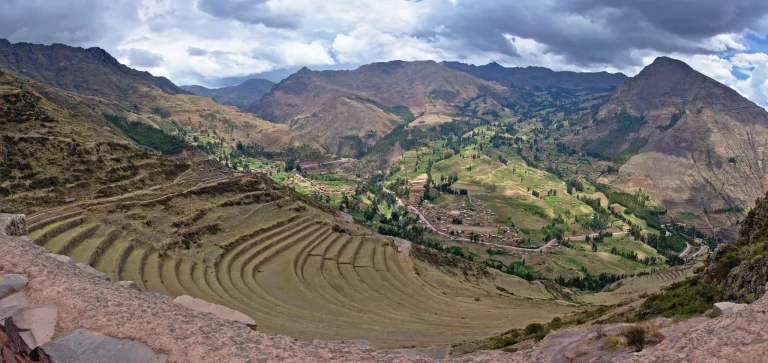
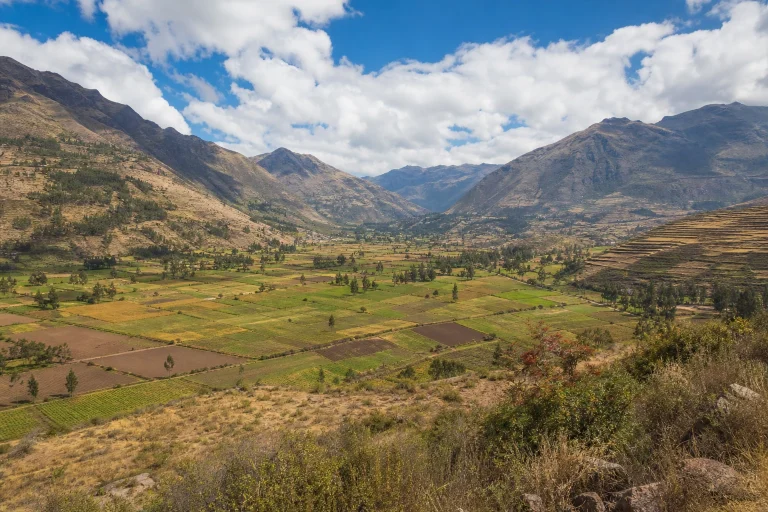
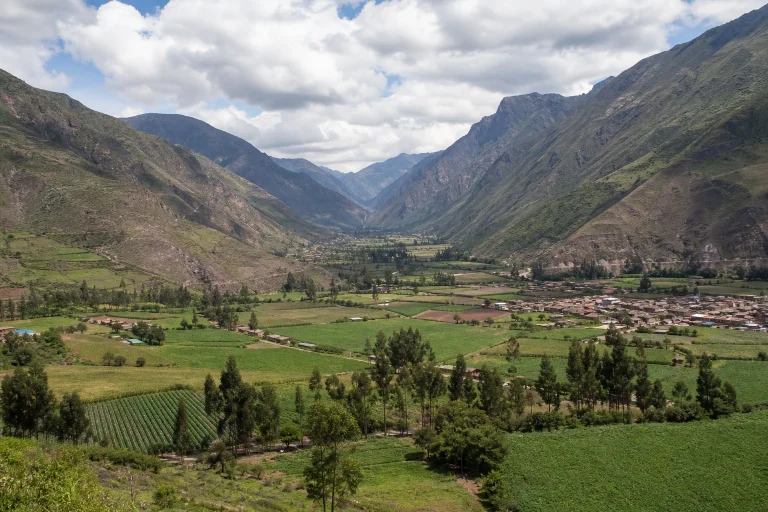
- Use the Pisac, Urubamba, and Ollantaytambo sequence as a useful framework for one sightseeing day, then keep Machu Picchu for a separate rail-and-bus day.
- Set aside extra time before a train departure. PeruRail recommends arriving 30 minutes early with your ticket and valid passport or identity document.
- Build the budget from separate components, including lodging, transportation, rail, site tickets, meals, and guided activities. Check current checkout pages before committing.
- Give one person responsibility for the shared schedule, but leave each traveler space to choose a slower or more active version of the day.
Choose a base that suits the group’s travel style
The most useful base decision is usually Cusco versus Ollantaytambo. PeruRail identifies stations in Cusco at San Pedro and Poroy, plus Wanchaq for bimodal service. It also operates a station in Ollantaytambo, which is a practical advantage for a group with a Machu Picchu train day on the schedule.
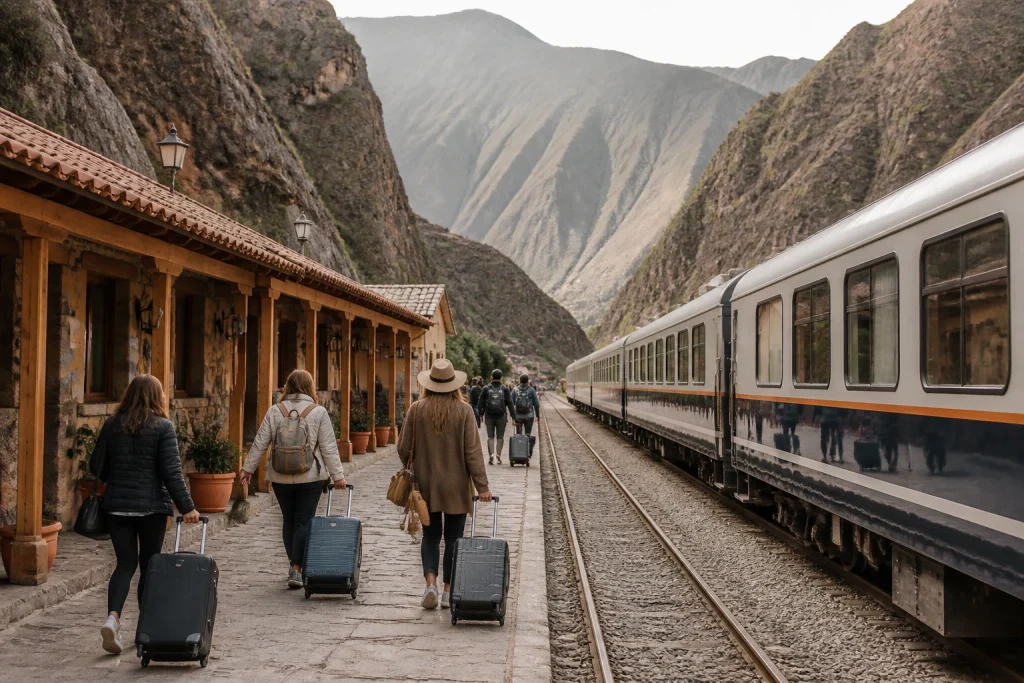
A one-base trip keeps the group from repacking and checking in again. A two-base plan can make sense when the train day is a priority: spend part of the trip in Cusco, then move to Ollantaytambo before rail travel. At Ollantaytambo, PeruRail offers free passenger luggage storage from 04:15 to 21:00, adding a little useful flexibility around departures and arrivals.
| Group priority | Practical planning choice | Why it works |
|---|---|---|
| The fewest hotel decisions | Use one base | A single base keeps arrivals, room assignments, and packing simpler for everyone. |
| A smoother Machu Picchu rail day | Consider sleeping in Ollantaytambo before the train | Ollantaytambo has a PeruRail station and passenger luggage storage. |
| Access to Cusco-side rail stations | Keep Cusco in the plan | PeruRail identifies San Pedro, Poroy, and Wanchaq for bimodal service in Cusco. |
Let the group vote after comparing room layouts, shared spaces, and the amount of transfer time each option creates. A guide to Sacred Valley lodges, hotels and villages can help focus that conversation on the places that fit your preferred pace. The right choice is the one that makes the most important day of the trip feel easy, not the one that wins an endless group-chat debate.
Build a four-day outline with room to linger
Four nights gives a friends group enough room to settle in, explore together, and reserve a full day for Machu Picchu logistics. Add nights if the group prefers a slower pace or wants more independent time. The outline below is a planning framework, not a fixed tour schedule.
- Day 1: Arrive, check in, and keep the first plan intentionally light. Use the evening to confirm the next morning’s meeting point, decide who holds shared reservations, and agree on the day’s desired pace.
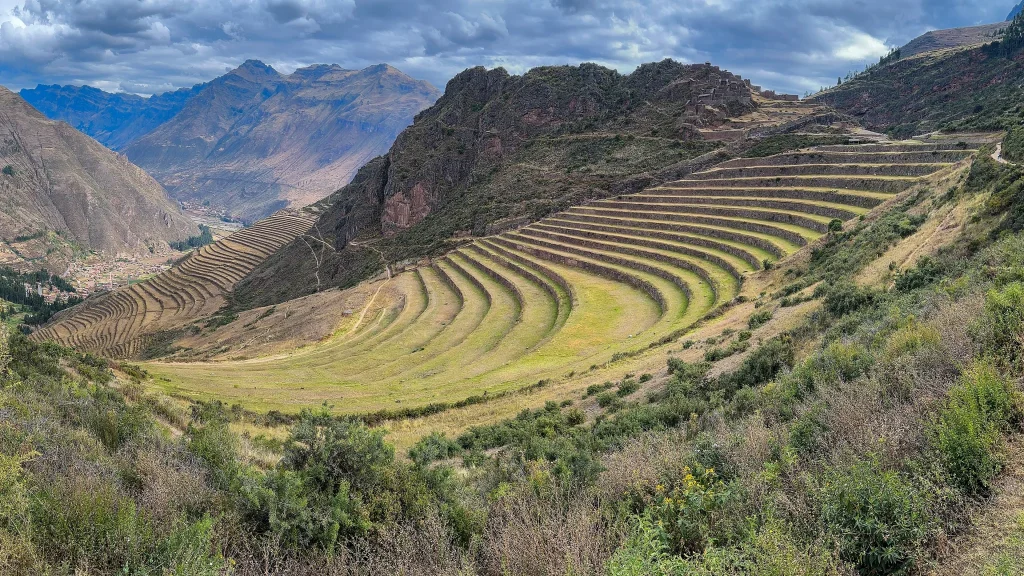
- Day 2: Follow the classic Pisac, Urubamba, and Ollantaytambo routing concept. It is a sensible way to group key stops, while leaving the exact order and timing open to your transport plan.
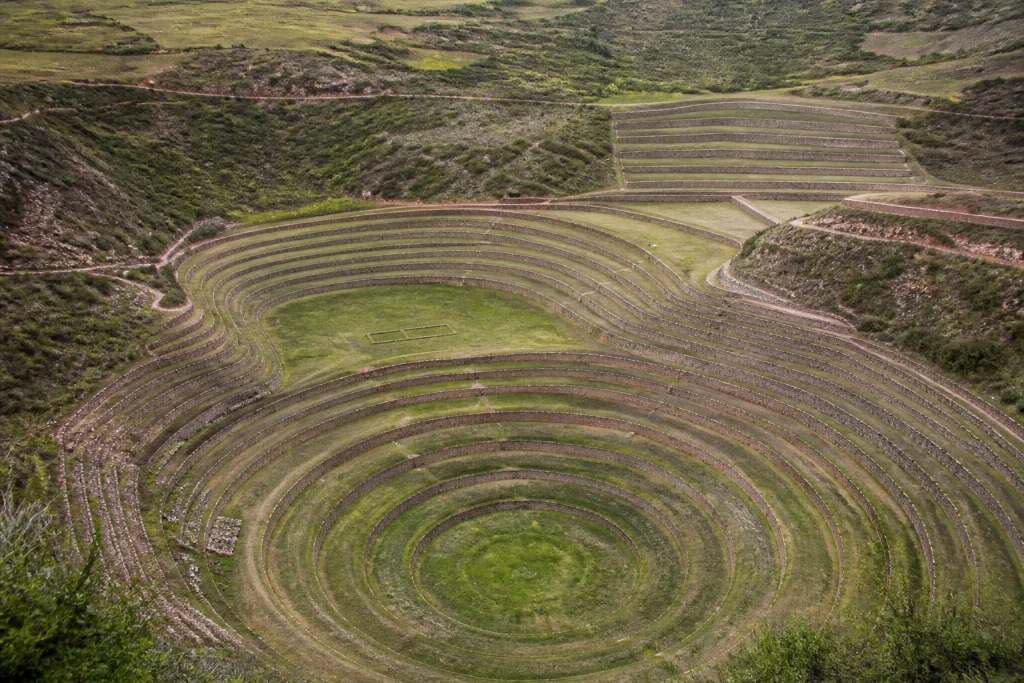
- Day 3: Create a choice-based valley day. Some friends can spend longer in Ollantaytambo, while others may prefer a Maras and Moray half-day or a relaxed reset at the hotel.
- Day 4: Treat Machu Picchu as its own train-and-bus day. Keep the evening before simple, with tickets, documents, bags, and departure details ready.
For a more unrushed day, borrow the logic of Pisac: a slow morning at the ruins and an afternoon in the market rather than cramming every stop into a strict checklist. Give the group one shared anchor, then allow a little free time for browsing, resting, or lingering over lunch. That small margin often becomes the part everyone remembers.
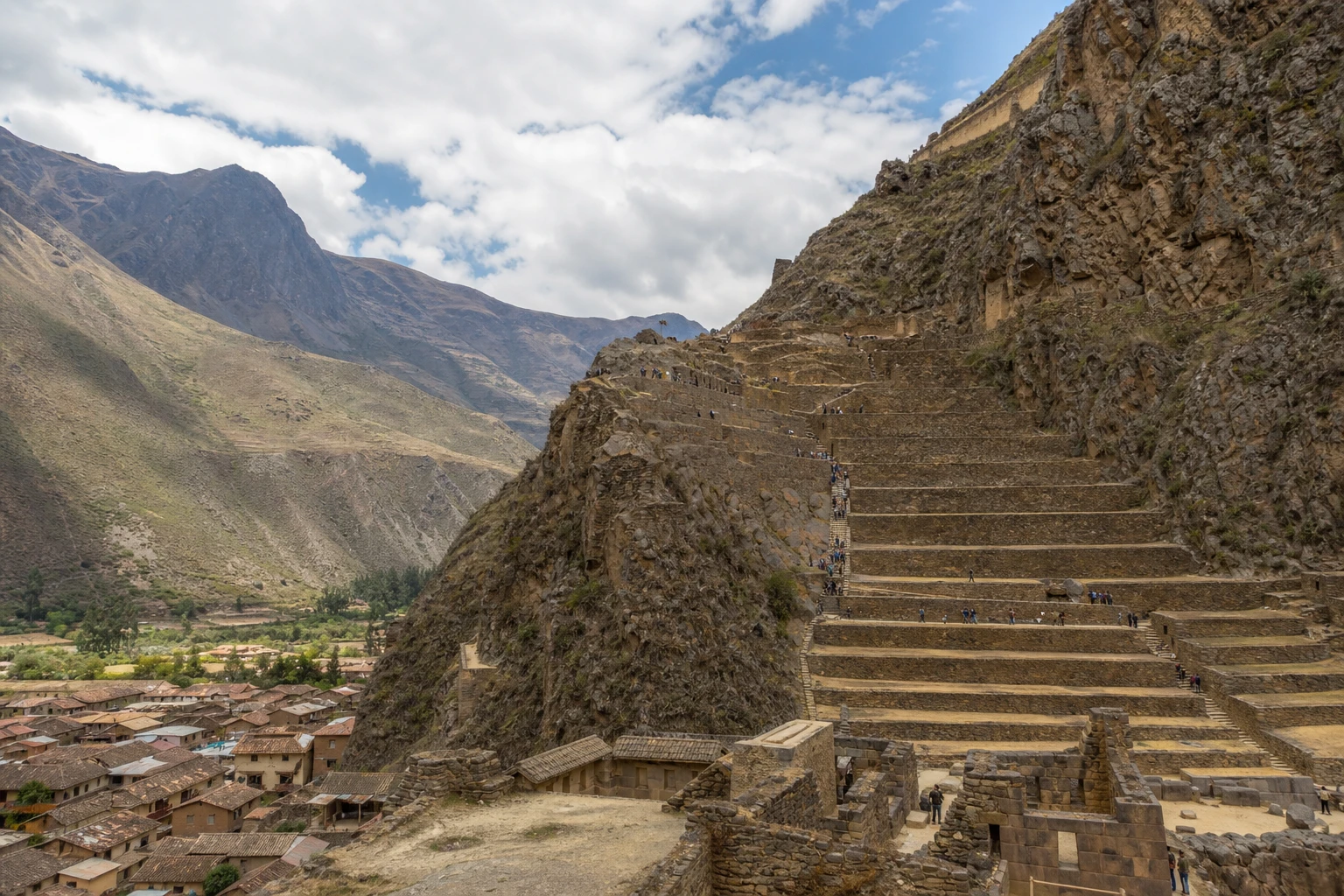
Ollantaytambo deserves more than a quick transfer stop when time allows. Plan enough space for the idea of Ollantaytambo as a living Inca town to land with the group, rather than arriving only to sleep before an early departure. If Maras and Moray are on the wish list, assign them a half-day instead of squeezing them into the rail day.

The Best Private Sacred Valley Tour in Cusco ( with Pisac)
We know very well each place of this tour, since we have been grown in this area and we studied over 3 years to get...

From Urubamba & Ollantaytambo: Sacred Valley Day tour with Lunch
Explore the best and most unique sites in the Sacred Valley on a private tour. Visit the impressive ruins of Ollanta...

Machu Picchu Private Tour from Aguas Calientes (Tickets included)
Discover Machu Picchu at your own pace with our exclusive Private Guided Tour from Aguas Calientes. Perfect for inde...
Make the Machu Picchu train day the calmest day of the trip
The train day is where a little preparation pays off. PeruRail advises passengers to arrive 30 minutes before departure with a valid passport or identity document and ticket. For a friends group, that buffer matters: locating bags, finding the right document, and waiting for one last coffee always takes longer with several people involved.
Do not plan a tightly timed breakfast, transfer, or final photo stop immediately before the train. Set a group meeting time earlier than the actual station-arrival target, and make one traveler responsible for checking that everyone has their ticket and identification before leaving the hotel. The goal is a relaxed platform arrival, not a dramatic sprint with backpacks.
For applicable Machu Picchu-bound PeruRail services, the stated allowance is one carry-on bag or backpack up to 8 kilograms, or 17.64 pounds, and 115 linear centimeters. PeruRail also states that passenger luggage storage is free at Ollantaytambo and Machu Picchu stations. Confirm the baggage rules for your exact route and fare when booking, especially if the group has different ticket types.
The practical choice between PeruRail or Inca Rail on Sacred Valley trains to Machu Picchu is worth settling before anyone books lodging or transfers. Keep each traveler’s confirmation in one shared folder as well as on their own phone. That simple system prevents a last-minute hunt through screenshots when the group should be enjoying the journey.
Set a budget that does not create awkward moments later
Treat the trip budget as a set of separate decisions instead of one mysterious total. Typical categories include accommodation, transfers, rail travel, entry tickets, guided activities, meals, tips, and personal shopping. This makes it easier for friends with different spending comfort levels to see where they can join every plan and where an optional add-on makes more sense.
Agree early on what will be shared, such as a private transfer or a group guide, and what remains individual, such as souvenirs, drinks, or room upgrades. Put shared expenses in one clear note with the currency, payer, and repayment status. Small transparency habits preserve the good mood far better than trying to reconstruct a week of receipts at the airport.
Do not build the plan around old sample-package prices. Rail fares, accommodation, admissions, transfers, and tours need to be checked through current official or provider checkout pages before the group sends money. Once the essential transport and tickets are in place, keep a modest personal buffer for meals and spontaneous choices.
Give the group structure without over-scheduling every hour
Assign a few light roles before departure: one person tracks bookings, one keeps the shared expense note, and one sends the next day’s meeting details each evening. Rotate the fun choices, such as the lunch pick or the music for a transfer, so nobody becomes the trip manager for every single decision.
Set two daily meeting times: the non-negotiable departure time and a later regrouping time after free exploration. Friends who want to browse, take photos, or rest can do so without making anyone else feel rushed. On longer transit days, agree in advance that the itinerary itself is enough and no one needs to add a bonus stop.
Accessibility needs should shape the itinerary before bookings are finalized. Confirm step-free access, restroom arrangements, vehicle access, and walking expectations with the specific hotel, transport provider, station, and site involved. PeruRail says special luggage-assistance requests should be made at least 48 hours before travel and remain subject to available space.
Still comparing Airport Transfers?
Ask for tour ideas, hotel suggestions, or a simple trip plan that combines both.
Trip Helper
Pack documents and expectations for a smoother departure
Keep passports or accepted identity documents, rail tickets, and booking confirmations accessible rather than buried in a large suitcase. PeruRail specifically asks passengers to present valid identification and a ticket at departure. A shared digital folder is useful, but each traveler should also keep her own documents within easy reach.
For the rail segment, pack with the stated carry-on limit in mind rather than assuming a large suitcase will travel with you. Use station luggage storage when it fits the itinerary, and reserve larger packing decisions for the group’s hotel stays. This is one of those practical details that protects the atmosphere of the day.
Before leaving home, check current official travel guidance and local conditions, then keep the group’s plans flexible enough to adapt if needed. Share arrival details, hotel names, and the next day’s plan among everyone in the group. A little coordination gives each traveler more freedom once the trip begins.
The best Sacred Valley girls trip leaves room for the unexpected
This trip suits friends who value shared experiences but do not need to do everything together. Choose a base with the Machu Picchu train day in mind, let one sightseeing day follow a sensible valley route, and protect the schedule around rail travel. The main limitation is logistical: a packed plan can quickly feel stressful. Keep the framework simple, book the key pieces early, and let the rest of the valley unfold at the group’s own pace.
Frequently asked questions
How many nights should a Sacred Valley girls trip include?
Plan at least four nights when Machu Picchu is part of the trip. That allows time to settle in, have one flexible sightseeing day, and keep the train-and-bus day separate from the rest of the itinerary.
Should a friends group stay in Cusco or Ollantaytambo?
Ollantaytambo is a practical choice before a Machu Picchu train day because it has a PeruRail station and passenger luggage storage. Choose one base if the group prefers not to repack, or split the stay if smoother rail logistics are worth a hotel change.
How early should we arrive for a PeruRail departure?
Arrive at least 30 minutes before departure with a valid passport or identity document and your ticket. Give a larger friends group an earlier internal meeting time so bags and documents are sorted before reaching the station.
What luggage can we take on a Machu Picchu-bound PeruRail train?
PeruRail lists one carry-on bag or backpack up to 8 kilograms, or 17.64 pounds, and 115 linear centimeters for applicable Machu Picchu-bound services. Confirm the allowance for the exact route and fare selected during booking.
Can travelers with mobility or accessibility needs join this itinerary?
They can plan a tailored trip, but accessibility arrangements need to be confirmed with each hotel, vehicle, station, and site before booking. PeruRail can accept requests for luggage assistance at least 48 hours in advance, subject to available space.

Machu Picchu 2Day Tour by Train from Cusco with Overnight Stay
Our tour guides at Machu Picchu are incredibly passionate about storytelling and are committed to creating unforgettable experiences. They excel at un...

Machu Picchu: Circuit 2 (Classic Route) + Bus & Local Guide
Expert Bilingual Guides: Gain deep insights into Machu Picchu's history with our knowledgeable guides. Comfortable...

Machu Picchu Private Archaeological and Historical Guided Tour
Explore Machu Picchu, one of the Seven Wonders of the World, in the company of a private guide. Enjoy the undivided...

Machu Picchu Guided Tour with Local Expert – 2 or 3 Hour Service
Discover Machu Picchu with a professional local guide who will bring the Inca citadel to life through history, cultu...