Sacred Valley Travel Tips for First Timers
Plan a smoother first trip to Peru’s Sacred Valley with practical tips on arrival, tickets, pacing, Machu Picchu connections, disruptions, and access needs.
 Visit Sacred Valley
September 28, 2026
Visit Sacred Valley
September 28, 2026

A first visit to the Sacred Valley is easier to enjoy when you treat it as a series of deliberate choices rather than a race through famous names. Pisac, Chinchero, Maras, and Ollantaytambo all sit within the Circuit III travel picture, but current access pressures make an unhurried plan far more useful than a tightly packed checklist. Set a few priorities, leave room around road journeys, and keep Machu Picchu planning on its own track.
- Use Cusco’s Teniente Alejandro Velasco Astete Airport as the current air gateway, not the future Chinchero airport.
- Choose fewer priority stops and protect your schedule with road-time buffers, especially around Ollantaytambo.
- Name every ticket precisely: the Cusco Tourist Ticket and Machu Picchu entry are separate products.
- The foreign-visitor Cusco Tourist Ticket rates currently listed are S/130 for the full ticket and S/70 for the partial Sacred Valley ticket; check them again before purchase.
- Keep Machu Picchu connections flexible, since protests and strikes have disrupted transport on this route in the past.
Build your trip around priorities, not every stop
Circuit III brings together the Pisac, Chinchero, Maras, and Ollantaytambo areas. Trying to cover all of them in a single, fixed schedule leaves little room for traffic, breaks, or a change of plan. Recent mobility concerns around Ollantaytambo make this especially important. Decide which two or three experiences matter most, then let the remaining time stay flexible.

Choose one anchor experience each day
Start each day with one non-negotiable stop, then add only one secondary plan if the timing works. That approach makes space for a longer look, a meal, or an unexpected delay without turning the day into a succession of hurried departures. A roundup of the best things to do in the Sacred Valley can help you choose those anchors before you settle on transport or accommodation.
Use overnight stays to reduce pressure
Pick accommodation to support the parts of the valley you most want to experience, rather than changing hotels simply to chase a longer list. One well-chosen base can make the trip feel calmer and gives you a useful fallback if a road day runs late. A comparison of Sacred Valley lodges, hotels, and villages is a practical next step once your priorities are clear.
Treat road time as part of the itinerary
Do not book a sequence that depends on every transfer running perfectly. Leave a buffer before train departures, timed entries, hotel check-ins, and evening plans. Congestion and other mobility issues have affected visitor access in the Ollantaytambo area, and local authorities have been working on improvements. A little open time is the simplest way to protect the day you planned.
Arrive through Cusco and keep the first transfer simple
For current travel plans, Cusco’s Teniente Alejandro Velasco Astete Airport is the practical air gateway for the Sacred Valley. Chinchero airport remains a future project, with official projections placing completion in the second half of 2027. Arrange your onward ground transfer around your first confirmed stay, and avoid placing a high-stakes connection immediately after landing.
Keep arrival and departure days light. A private transfer, a tour pickup, or an independently arranged driver can all suit different travel styles, but the important detail is the handoff: know where you will meet, who has your contact details, and what happens if plans change. Build your first full day around a short priority list rather than an ambitious circuit.

The Best Private Sacred Valley Tour in Cusco ( with Pisac)
We know very well each place of this tour, since we have been grown in this area and we studied over 3 years to get...

From Urubamba & Ollantaytambo: Sacred Valley Day tour with Lunch
Explore the best and most unique sites in the Sacred Valley on a private tour. Visit the impressive ruins of Ollanta...

Machu Picchu Private Tour from Aguas Calientes (Tickets included)
Discover Machu Picchu at your own pace with our exclusive Private Guided Tour from Aguas Calientes. Perfect for inde...
Understand the ticket systems before you set your route
“Sacred Valley ticket” can mean different things, which is why first-timers should identify the attraction before paying. The Cusco Tourist Ticket is distinct from Machu Picchu admission. It also differs from any transport, guiding, or tour arrangement you might book alongside it. Keeping these costs and booking steps separate prevents one of the most common planning mix-ups.

| Product | Current planning detail | Purchase and inclusion note |
|---|---|---|
| Full Cusco Tourist Ticket for foreign visitors | Currently listed at S/130 | Purchased in person; guiding and transportation are not included. |
| Partial Sacred Valley ticket for foreign visitors | Currently listed at S/70 | Purchased in person; check the current rules and price before purchase. |
| Machu Picchu entry | A separate admission process | Advance reservations for 2026 are handled through the Culture Ministry’s Tuboleto system. |
Keep Machu Picchu as a separate booking project
Secure Machu Picchu planning separately from the Cusco Tourist Ticket. Confirm the exact date, entry circuit, and admission rules before you shape the rest of your route around it. If your Sacred Valley plan continues toward Machu Picchu, a comparison of PeruRail and Inca Rail train options can help you understand the rail portion without assuming that one timetable or station arrangement suits every trip.
Use walk-up Machu Picchu tickets only as a flexible backup
In-person sales at Machupicchu Pueblo can work for travelers with extra time, but they are not a dependable rescue plan for a fixed itinerary. Up to 1,000 tickets are sold daily in person, subject to admission capacity, and the ticket is for entry the following day rather than the same day. Check live availability before committing accommodation or transport to this approach.
Use a lighter route structure for your first visit
A first Sacred Valley itinerary works best when it has a rhythm: one focused outing, time to reset, then another meaningful stop. Do not view spare time as wasted time. It is what allows you to respond to traffic, ticket timing, a longer-than-expected visit, or the simple wish to stay somewhere a little longer.
- Choose a first-day anchor in one priority area and keep the remaining plans optional.
- Add a second major area only after you have allowed for transfers, meals, and a generous road buffer.
- Reserve a dedicated planning window for Machu Picchu instead of treating it as an easy add-on to a full Sacred Valley day.
- Leave the final part of your stay open enough to absorb a delay or revisit the place that interested you most.
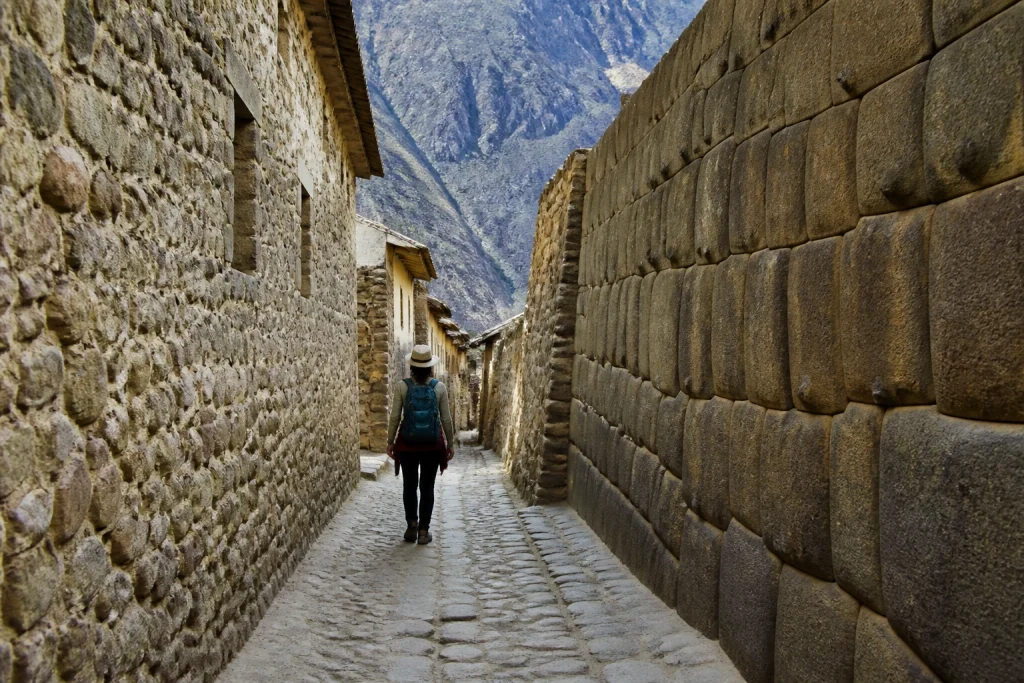
If Pisac is your priority, use a Pisac ruins and market plan as the main shape of that day rather than squeezing it between several unrelated stops. If Maras and Moray are your focus, a dedicated Maras and Moray half-day outline can help set the pace. Give Ollantaytambo similar respect: an Ollantaytambo guide focused on its stone streets is more useful when you allow time around the visit instead of treating it as a rushed checkpoint.
Stay adaptable around disruptions and personal safety
The Sacred Valley, Cusco city, the Inca Trail, and Machu Picchu are outside the specifically listed higher-risk Cusco areas in the U.S. travel advisory. General caution around crime and civil unrest still applies across Peru. Keep valuables secure, avoid demonstrations, and make sure a trusted contact has your route and accommodation details.
Protests, demonstrations, and strikes have disrupted transport to and from Machu Picchu in the past. Check reliable local updates before major transfer days, especially if you have a train, timed entry, or flight connection. Peru’s 2026 Cusco and Machu Picchu traveler-route guide is a useful official starting point for current local service information; then reconfirm the details of your own bookings directly with providers.
Still comparing Airport Transfers?
Ask for tour ideas, hotel suggestions, or a simple trip plan that combines both.
Trip Helper
Plan access needs site by site
Do not assume that archaeological sites, local transport, or accommodations offer step-free or universally accessible conditions. Travelers with mobility, sensory, or other access requirements should request written details from each relevant site, transport provider, and accommodation before booking. Ask about the specific route, surfaces, toilets, vehicle access, assistance, and any equipment that matters to you. A fare reduction, when offered, is separate from physical accessibility.
The best first-time strategy: leave space for the valley
The Sacred Valley rewards a plan with breathing room. Fly through Cusco, identify the exact tickets you need, choose a few meaningful stops, and avoid building a day that collapses if one road transfer runs late. This approach suits travelers who value depth over a crowded checklist. Book the key admissions first, then let the rest of the route stay responsive to the day.
Frequently asked questions
Which airport should I use for the Sacred Valley?
Use Cusco’s Teniente Alejandro Velasco Astete Airport for current Sacred Valley travel plans. Chinchero airport is still a future project, with official completion projected for the second half of 2027.
Can I see Pisac, Chinchero, Maras, and Ollantaytambo in one day?
Avoid building one fixed day around all four areas. They form part of Circuit III, but congestion and other access issues, particularly around Ollantaytambo, make a shorter priority list and a time buffer the stronger first-time plan.
Does the Cusco Tourist Ticket include Machu Picchu?
No, Machu Picchu admission is a separate booking process from the Cusco Tourist Ticket. Confirm the exact Machu Picchu date, circuit, and ticket rules before arranging the rest of your journey.
Can I buy the Cusco Tourist Ticket online?
The current COSITUC guidance says the Cusco Tourist Ticket is purchased in person, not online. It currently lists S/130 for the foreign-visitor full ticket and S/70 for the foreign-visitor partial Sacred Valley ticket, but check the price and sales rules before purchase.
Is buying a Machu Picchu ticket in person a good last-minute plan?
It is a backup option for flexible travelers, not a reliable plan for a fixed schedule. In-person sales at Machupicchu Pueblo are subject to capacity, allow entry the following day, and should be checked against live availability.
How should I prepare for transport disruptions near Machu Picchu?
Keep transfer days flexible, monitor reliable local updates, and avoid demonstrations. Protests and strikes have disrupted transport to and from Machu Picchu in the past, so reconfirm your own transport arrangements before travel.
Is the Sacred Valley accessible for travelers with limited mobility?
Accessibility needs require site-by-site confirmation before booking. Do not assume that archaeological sites, local transport, or accommodations are step-free, and ask providers for written details about the specific access conditions you need.

Machu Picchu 2Day Tour by Train from Cusco with Overnight Stay
Our tour guides at Machu Picchu are incredibly passionate about storytelling and are committed to creating unforgettable experiences. They excel at un...

Machu Picchu Private Archaeological and Historical Guided Tour
Explore Machu Picchu, one of the Seven Wonders of the World, in the company of a private guide. Enjoy the undivided...

From the Sacred Valley: Salt Mines & Moray - Private tour
As a company based in the Sacred Valley, we are true specialists in the region, enabling us to provide a more person...

Machu Picchu Guided Tour with Local Expert – 2 or 3 Hour Service
Discover Machu Picchu with a professional local guide who will bring the Inca citadel to life through history, cultu...