3 Days in the Sacred Valley Itinerary
Plan three rewarding days around Pisac, Chinchero, Maras, Moray, and Ollantaytambo, with a practical alternative for travelers who already have fixed Machu Picchu tickets and transport.
 Visit Sacred Valley
September 2, 2026
Visit Sacred Valley
September 2, 2026
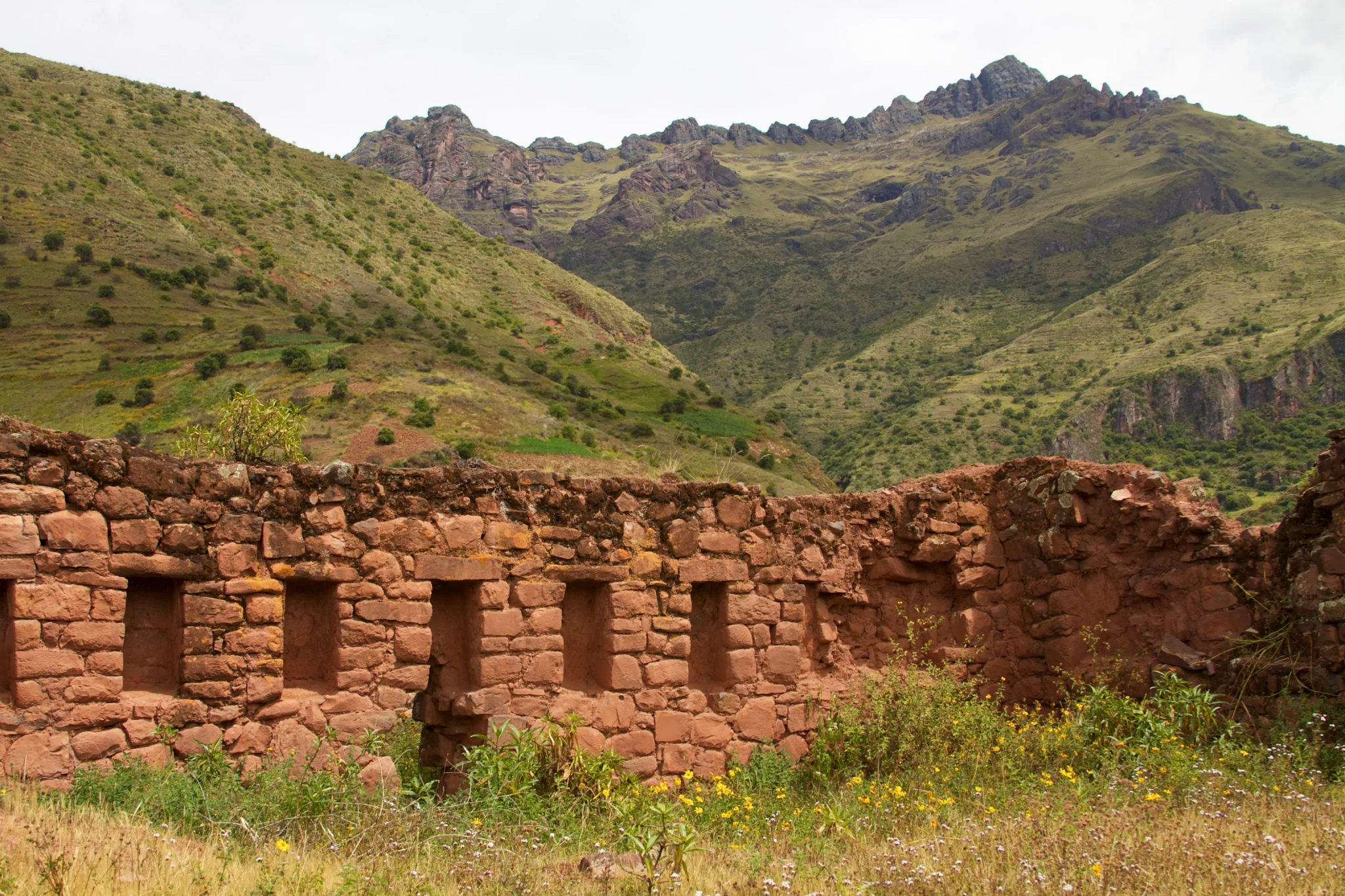
Three days in the Sacred Valley gives you enough time to explore several of its best-known towns and archaeological landscapes without treating every stop like a roadside photograph. The strongest route moves gradually through Pisac, Chinchero, Maras, Moray, and Ollantaytambo. Machu Picchu can replace the final day, but only when its admission and transport are already secured.
This itinerary favors one main area each day, leaving room for meals, unhurried walks, and the inevitable pause when terraces suddenly fill an entire mountainside. Use it as a framework rather than a rigid schedule. Your hotel location, transport choice, admission arrangements, and onward journey should determine the final order.

From Urubamba & Ollantaytambo: Sacred Valley Day tour with Lunch
Explore the best and most unique sites in the Sacred Valley on a private tour. Visit the impressive ruins of Ollantaytambo, an ancient Inca fortress...

Private Transfer from Valle Sagrado to Alejandro Velasco Astete (CUZ) Airport
Take the worry out of your departure to Alejandro Velasco Astete (CUZ) Airport and pre-book a private transfer to su...

Machu Picchu 2Day Tour by Train from Cusco with Overnight Stay
Our tour guides at Machu Picchu are incredibly passionate about storytelling and are committed to creating unforgett...
- Day 1: Pair the Pisac archaeological site with Pisac town and its market area.
- Day 2: Combine Chinchero, Moray, and Maras without adding distant stops.
- Day 3: Give Ollantaytambo a full day, or substitute a pre-booked Machu Picchu visit.
- Choose one or two accommodation bases to avoid repacking every morning.
- Treat Machu Picchu as a fixed booking with a specific route, date, and entry time.
Choose the valley-only route or the Machu Picchu version
The valley-only itinerary is the better choice if you want three balanced days and have not already booked Machu Picchu. It includes Pisac on the first day, Chinchero with Maras and Moray on the second, and Ollantaytambo on the third. This plan also avoids building the trip around an uncertain rail connection.
Use the Machu Picchu version only when you hold the exact admission you want and can match it to current transport. Online booking requires a circuit, route, date, entry time, and visitor identification details. Admission is route-specific, so two travelers holding different tickets can have substantially different paths through the site.
The official system lists three circuits and 10 routes, with some routes offered only in high season. Review the route description rather than buying a ticket based only on the name Machu Picchu. The ticketing process is also evolving, so use the official platform for current steps, inclusions, availability, and prices.
- Decide whether Machu Picchu is part of these three days.
- If it is, secure the desired circuit, route, date, and entry time.
- Check current rail and local transfer schedules before choosing hotels.
- Reserve accommodation that fits the direction of travel.
- Arrange daily transport or tours after the fixed components are confirmed.
Three-day Sacred Valley itinerary at a glance
| Day | Morning focus | Afternoon focus | Suggested base |
|---|---|---|---|
| 1 | Pisac archaeological site | Pisac town and market area | Pisac or a central valley hotel |
| 2 | Chinchero and Moray | Maras and the surrounding landscape | Central valley or Ollantaytambo |
| 3 | Ollantaytambo archaeological area | Old town and a relaxed final meal | Ollantaytambo |
| Optional Day 3 | Pre-booked Machu Picchu route | Return according to confirmed transport | Chosen around the current timetable |
This sequence reduces unnecessary backtracking, but it does not depend on a promised set of driving times. Road conditions, pickup arrangements, and stop lengths can change the pace. If a driver or tour proposes reversing Days 1 and 2, compare the route with your hotel location before deciding.
Day 1: Give Pisac ruins and town room to breathe
Make Pisac the sole geographic focus of your first day. Begin with the archaeological area, then descend or transfer into town for lunch and the market area. Keeping both halves of the day in Pisac prevents your first morning from becoming a race between distant attractions.
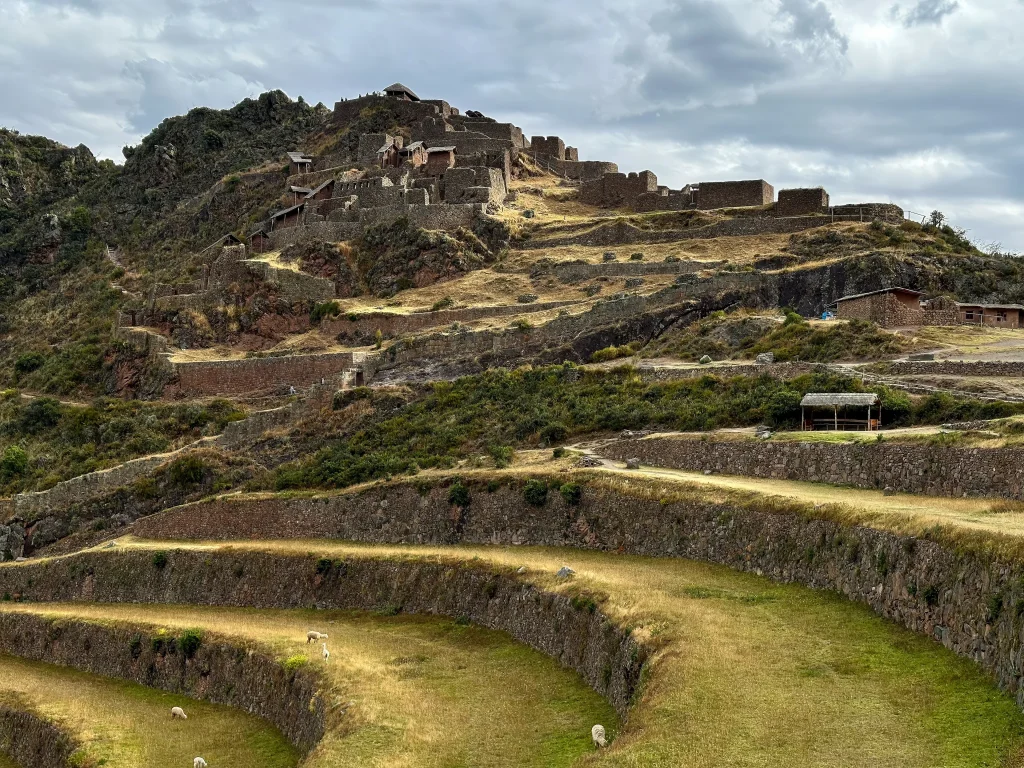
Morning at the Pisac archaeological site
Start the day at the ruins while your attention and energy are fresh. Let the terraces, stone structures, pathways, and valley views set the pace. Instead of trying to cover every visible path, agree on a turnaround point with your guide or driver and keep enough time for the town below.
Footwear with grip is more useful here than a carefully coordinated travel outfit. Carry water, sun protection, and a light outer layer. Visitors who prefer a shorter walk should discuss the intended drop-off point, pickup point, and route before leaving the vehicle.

Machu Picchu Private Tour from Aguas Calientes (Tickets included)
Discover Machu Picchu at your own pace with our exclusive Private Guided Tour from Aguas Calientes. Perfect for inde...

Machu Picchu Private Archaeological and Historical Guided Tour
Explore Machu Picchu, one of the Seven Wonders of the World, in the company of a private guide. Enjoy the undivided...

Machu Picchu Private Tour with Ticket, Bus from Aguas Calientes
Maximize your time at Machu Picchu with this private guided tour starting directly from Aguas Calientes. Skip the ha...
Afternoon in Pisac town and market area
After lunch, explore Pisac town at a slower rhythm. Browse the market area, step away for a café break, and leave enough time to return to your accommodation before adding another major stop. A detailed Pisac ruins and market guide can help you decide how to divide the day between the hillside site and town.
If your visit falls on a Sunday, consult the dedicated Pisac Sunday Market guide before assuming that every day has the same character. Market activity, traffic, and the balance between local commerce and visitor-oriented stalls can influence how long you want to stay.
End the day without forcing in Ollantaytambo or Maras. Three-day itineraries work best when one missed stop does not trigger a chain of rushed departures. Use the evening to confirm the next morning's pickup and check that any required admissions are arranged.
Day 2: Link Chinchero, Moray, and Maras
Day 2 brings together three complementary stops: Chinchero, Moray, and Maras. Keep the route compact and resist adding Pisac or a long detour. You will have a fuller experience if there is time to study the circular forms at Moray, pause in Chinchero, and absorb the patterned landscape around Maras.
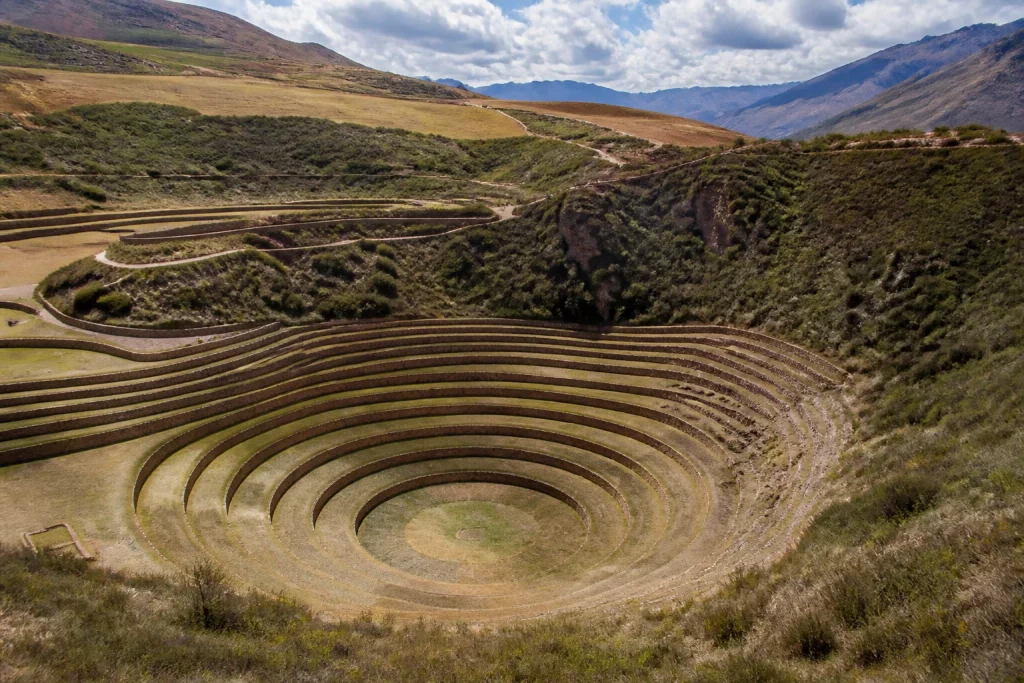
Begin with Chinchero's weaving traditions and market setting
Make Chinchero your cultural anchor for the morning. Look for a visit that gives context to Andean weaving rather than treating textiles as a hurried shopping stop. The guide to Chinchero textiles and its market offers useful background for travelers who want to approach this part of the day with more curiosity and less pressure to buy.
Ask what the visit includes before committing to a demonstration or tour. Allow time to look closely at fibers, color, pattern, and technique, then continue before the entire day slips away. If shopping, choose thoughtfully and keep receipts or packing considerations in mind for the rest of your trip.
Continue to Moray's circular terraces
Moray is most rewarding when you can study its circular terraces from more than one angle. The geometry changes as you move, with rings and shadows drawing the eye toward the center. A closer guide to Moray's circular terraces provides more context for travelers who want to understand the site's agricultural interpretation before arriving.
Set a meeting point before separating from your driver or group. Large open sites can make a vehicle look deceptively close, and a clear pickup plan saves an unnecessary search. Keep water and sun protection with you rather than leaving them in the vehicle.
Finish around Maras without watching the clock every minute
Use the second half of the day for Maras and the surrounding landscape. Exact access arrangements and visit conditions should be checked when booking transport or a tour. The practical Maras and Moray half-day guide is a useful companion if you prefer to simplify Day 2 and devote the remaining hours to your hotel or onward transfer.
Plan to finish in Ollantaytambo if that suits your third day or a confirmed rail departure. Otherwise, return to a central base. Moving hotels can save travel in one direction, but it also costs time in packing, check-in, and luggage coordination. One move during a three-day stay is usually enough.
Still comparing 3 Days In The Sacred Valley Itinerary?
Ask for tour ideas, hotel suggestions, or a simple trip plan that combines both.
Trip Helper
Day 3: Explore Ollantaytambo beyond the station
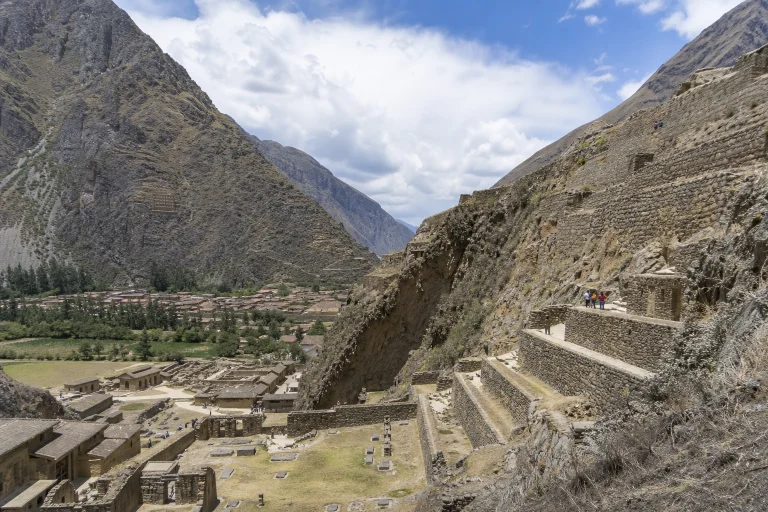
Ollantaytambo deserves more than a transfer between a vehicle and a train. Spend the morning around its archaeological area, then leave the afternoon for the old town and an unhurried meal. If you stayed overnight, begin before your attention becomes divided by check-out and onward transport.

Morning among terraces and stonework
Approach the archaeological area with the same strategy used at Pisac: establish the route, identify a comfortable turnaround point, and carry what you need. The broad terraces and close stonework reward pauses. A guide can add context, but tour inclusions and admission arrangements should be reviewed before booking.
Afternoon on Ollantaytambo's stone streets
After lunch, shift the focus to the town itself. Walk slowly, stay alert for uneven surfaces, and give working streets the same respect you would give a monument. The feature on living inside Ollantaytambo and its stone streets adds depth to an afternoon that many hurried itineraries reduce to spare time before a departure.
If this is your final Sacred Valley day, avoid scheduling a distant attraction before an important onward connection. Keep the final hours flexible for luggage collection, traffic, or a longer meal. Travelers staying another night can enjoy a gentler evening without tying it to a precise transport promise.
How to substitute Machu Picchu for Day 3
Replace the Ollantaytambo sightseeing day only after Machu Picchu admission and transport are confirmed. Your ticket controls the circuit, route, date, and entry time. Build the entire day backward from those fixed details, including the trip to Machupicchu Pueblo, local transfer, check-in requirements, and the return journey.
Do not rely on an old timetable or a remembered departure from a previous trip. Check the current rail operator schedule before choosing an Ollantaytambo hotel, booking a departure-day airport transfer, or promising yourself an evening connection. The comparison of PeruRail and Inca Rail routes to Machu Picchu can help organize the transport decision, but the live operator timetable remains decisive.
A limited last-minute fallback exists in Machupicchu Pueblo. The official site states that 1,000 tickets are sold there daily, subject to availability, for entry on the following day. Treat this as a contingency, not the foundation of a three-day itinerary, because it can require an extra night and does not guarantee your preferred route.
From Urubamba & Ollantaytambo: Sacred Valley Day tour with Lunch
Explore the best and most unique sites in the Sacred Valley on a private tour. Visit the impressive ruins of Ollantaytambo, an ancient Inca fortress...
Machu Picchu 2Day Tour by Train from Cusco with Overnight Stay
Our tour guides at Machu Picchu are incredibly passionate about storytelling and are committed to creating unforgett...
Private Transfer from Valle Sagrado to Alejandro Velasco Astete (CUZ) Airport
Take the worry out of your departure to Alejandro Velasco Astete (CUZ) Airport and pre-book a private transfer to su...
If Machu Picchu is not fully booked and matched to transport, keep Day 3 in Ollantaytambo. A complete valley day is better than an improvised chain of uncertain connections.
Do not substitute Inca Trail Network fees for the cost of an ordinary citadel visit. Trail charges relate to designated trekking routes and do not represent a total that includes citadel admission, rail, local buses, guides, transfers, or accommodation. Price each component according to the exact trip you are arranging.
Choose accommodation around your route
Your best base depends on which day matters most. Pisac works naturally with an eastern-valley first day. A central valley stay reduces the need to move after every excursion. Ollantaytambo is the logical final base when Day 3 focuses on the town or when a confirmed rail booking shapes the next stage.
A guide to where to stay in the Sacred Valley, including lodges, hotels, and villages, can help match each base to your travel style. Compare luggage storage, transfer arrangements, check-in timing, and distance from the day's first stop. Do not choose a hotel solely because its map pin looks central.
- Stay in Pisac if the town is a priority and you prefer a concentrated first day.
- Choose a central valley base to limit hotel changes across the itinerary.
- Stay in Ollantaytambo for a full third day there or a confirmed onward rail plan.
- Use two bases when the saved travel clearly outweighs packing and check-in time.

Machu Picchu Circuit 2 Entry Ticket and Private Official Guide
Can't find Circuit 2 tickets? We have you covered! We exclusively provide the highly-coveted Circuit 2 (Classic Rout...

Machu Picchu Private Tour with Expert Guide
Discover Machu Picchu with your own private official guide and enjoy a personalized experience in English, French, o...

Ticket Machu Picchu with Private Guide
Unlike standard tickets, this option includes a private licensed guide who will accompany you inside Machu Picchu. Y...
Arrange transport without overloading each day
A private driver or organized day tour offers the simplest structure for a short trip, particularly when combining Chinchero, Moray, and Maras. Before booking, compare the proposed route, waiting time, included admissions, guiding, meal stops, pickup area, and final drop-off. Prices and inclusions vary by provider and group size.
Independent travelers can divide routes into smaller segments and arrange transport as they go, but this requires more schedule tolerance. Avoid building a day around the last possible connection. Confirm the return plan before entering a large archaeological site, especially when your driver will wait somewhere different from the drop-off point.
For Machu Picchu, current rail times should shape the accommodation and transfer plan, not the other way around. Leave a buffer around important connections and check your booking confirmation for the station, reporting instructions, luggage rules, and departure time.
Build a realistic three-day budget
Create the budget by category because there is no useful single price for this itinerary. Accommodation level, private or shared transport, guides, admissions, meals, and a possible Machu Picchu day can change the total substantially. Use current quotes for your dates rather than borrowing another traveler's total.
| Budget category | What to check |
|---|---|
| Accommodation | Nightly rate, taxes, breakfast, luggage storage, and transfer options |
| Valley transport | Private or shared format, waiting time, pickup area, and final drop-off |
| Tours and guides | Group size, route, admissions, meals, and cancellation terms |
| Site admissions | Exact attractions covered and whether separate entry is required |
| Machu Picchu option | Route-specific admission, rail, local transfer, guide, and extra night if needed |
| Daily spending | Meals, water, market purchases, and gratuities |
Keep Inca Trail trekking costs separate from this road-based itinerary. Official prices for designated trail routes do not stand in for Machu Picchu citadel admission or the broader costs of a Sacred Valley trip. If you add a trek, rebuild the plan around the permit, operator, duration, and current access arrangements.
Pack for exposed sites and uneven routes
Pack light enough to carry essentials during archaeological visits. Shoes with grip, refillable water, sun protection, a rain layer, and clothing that can be adjusted through the day form a useful core. Keep identification and booking details accessible, especially if Machu Picchu is included.
- Comfortable shoes with reliable traction
- Water, sun protection, and a brimmed hat
- Light layers and a compact rain shell
- Identification matching important reservations
- Offline copies of tickets and transport confirmations
- A small day bag that leaves both hands free
Leave bulky luggage at your hotel when possible and confirm storage before check-out. For any rail journey, review the operator's current luggage conditions rather than assuming that ordinary airline allowances apply. Keep medication and essential documents with you during transfers.
Plan ahead for mobility needs and current conditions
Travelers with mobility, sensory, or other access requirements should confirm arrangements directly with the selected hotel, transfer company, rail operator, guide, and attraction. Do not assume step-free routes or wheelchair suitability at archaeological sites. Discuss walking surfaces, stairs, vehicle access, rest opportunities, and the exact Machu Picchu circuit before paying.
Read the full current travel advisory before departure. The U.S. advisory distinguishes Cusco and nearby tourist sites, including the Sacred Valley, Inca Trail, and Machu Picchu, from its identified affected area. That distinction is not a guarantee, so continue to monitor local conditions and follow official instructions during the trip.
If you are considering an Inca Trail trek instead of this valley itinerary, treat it as a separate trip requiring its own planning. The network reopened on March 1, 2026 after rainy-season maintenance, but that reopening does not guarantee that every route or related service will operate on a future date. Check current access before committing.
Make three days feel generous, not rushed
The best three-day Sacred Valley route gives each area a distinct role. Pisac combines a hillside archaeological visit with town life. Chinchero, Moray, and Maras create a varied middle day. Ollantaytambo provides a strong final chapter through its archaeological landscape and old streets.
Add Machu Picchu only when its fixed admission and transport fit cleanly. Otherwise, keep the third day in Ollantaytambo and enjoy the valley on its own terms. Book the immovable pieces first, choose accommodation around the route, and leave enough space to notice the landscape between stops.
Frequently asked questions
Are three days enough for the Sacred Valley?
Yes, three days are enough for a focused route through Pisac, Chinchero, Moray, Maras, and Ollantaytambo. Limit each day to one geographic area or one compatible group of stops rather than trying to cover the entire valley at once.
Can I include Machu Picchu in a three-day Sacred Valley itinerary?
Yes, but only when Machu Picchu admission and transport are secured in advance. Reserve the third day for the visit and organize the rest of the itinerary around the ticket's circuit, route, date, and entry time.
Do all Machu Picchu tickets provide the same route?
No. Machu Picchu admission is route-specific, and the official system lists three circuits and 10 routes. Some routes operate only in high season, so read the route description before booking.
Can I buy Machu Picchu tickets after arriving?
A limited in-person option exists in Machupicchu Pueblo, but it should be treated as a fallback. The official site states that 1,000 tickets are sold daily, subject to availability, for entry on the following day.
Where should I stay during this itinerary?
Choose Pisac, a central valley hotel, Ollantaytambo, or a combination of two bases according to your route. Ollantaytambo is especially practical when the final day focuses on the town or a confirmed train booking determines the onward journey.
How much does a three-day Sacred Valley trip cost?
The total depends on accommodation, transport, guides, admissions, meals, and whether Machu Picchu is included. Price each category for your dates, and do not use designated Inca Trail fees as a substitute for citadel admission or a complete trip budget.
Is the Sacred Valley itinerary wheelchair accessible?
Accessibility needs to be checked for each hotel, vehicle, operator, attraction, and selected Machu Picchu circuit. Confirm walking surfaces, steps, transfer assistance, rest points, and suitable routes directly before booking.
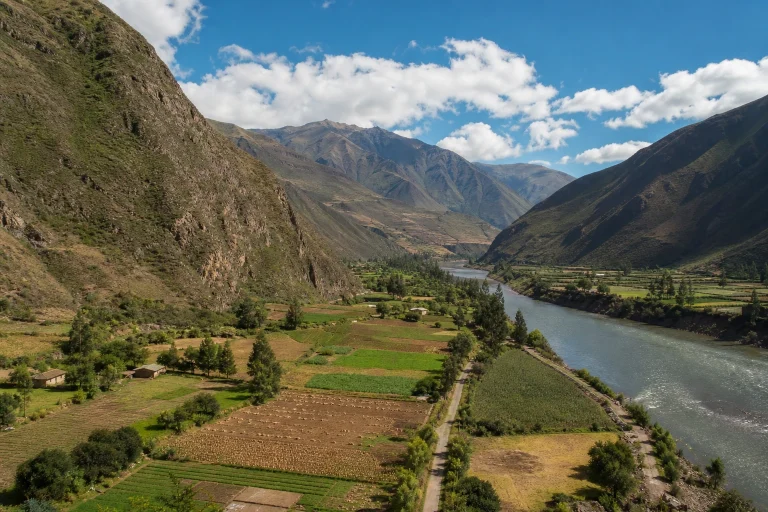
The Sacred Valley rewards an itinerary that leaves room for the landscape between its towns and archaeological sites by McKay Savage from London, UK, CC BY 2.0.


.jpg)