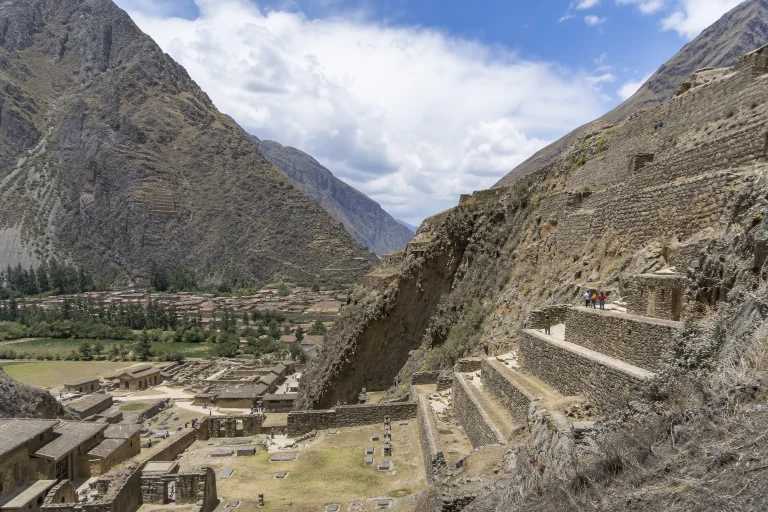
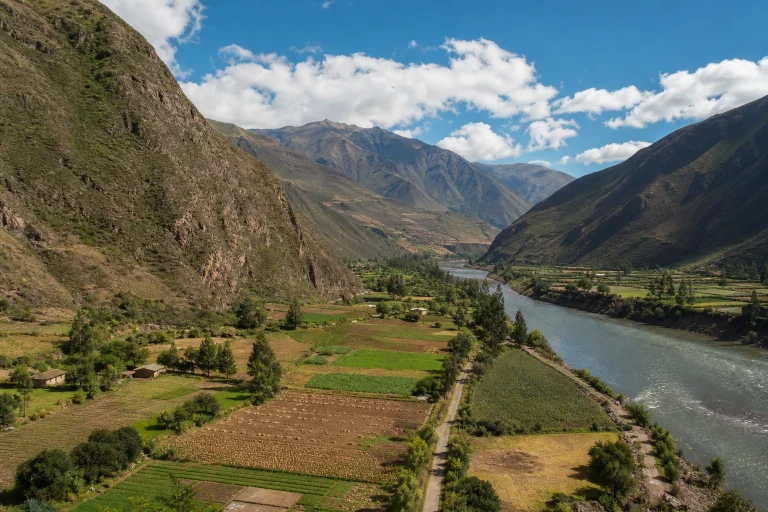
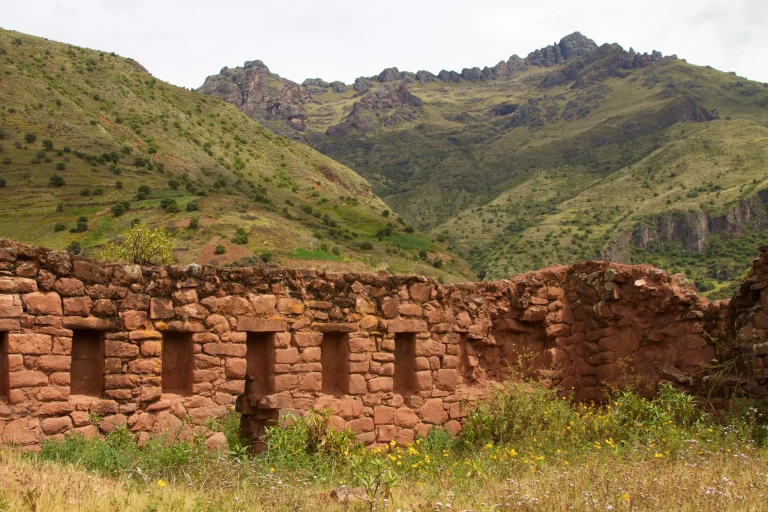
5 Days in the Sacred Valley Itinerary
Spend five well-paced days exploring Pisac, Chinchero, Moray, Urubamba, and Ollantaytambo, with practical advice for tickets, altitude, transportation, accessibility, and an optional Machu Picchu connection.
 Visit Sacred Valley
August 22, 2026
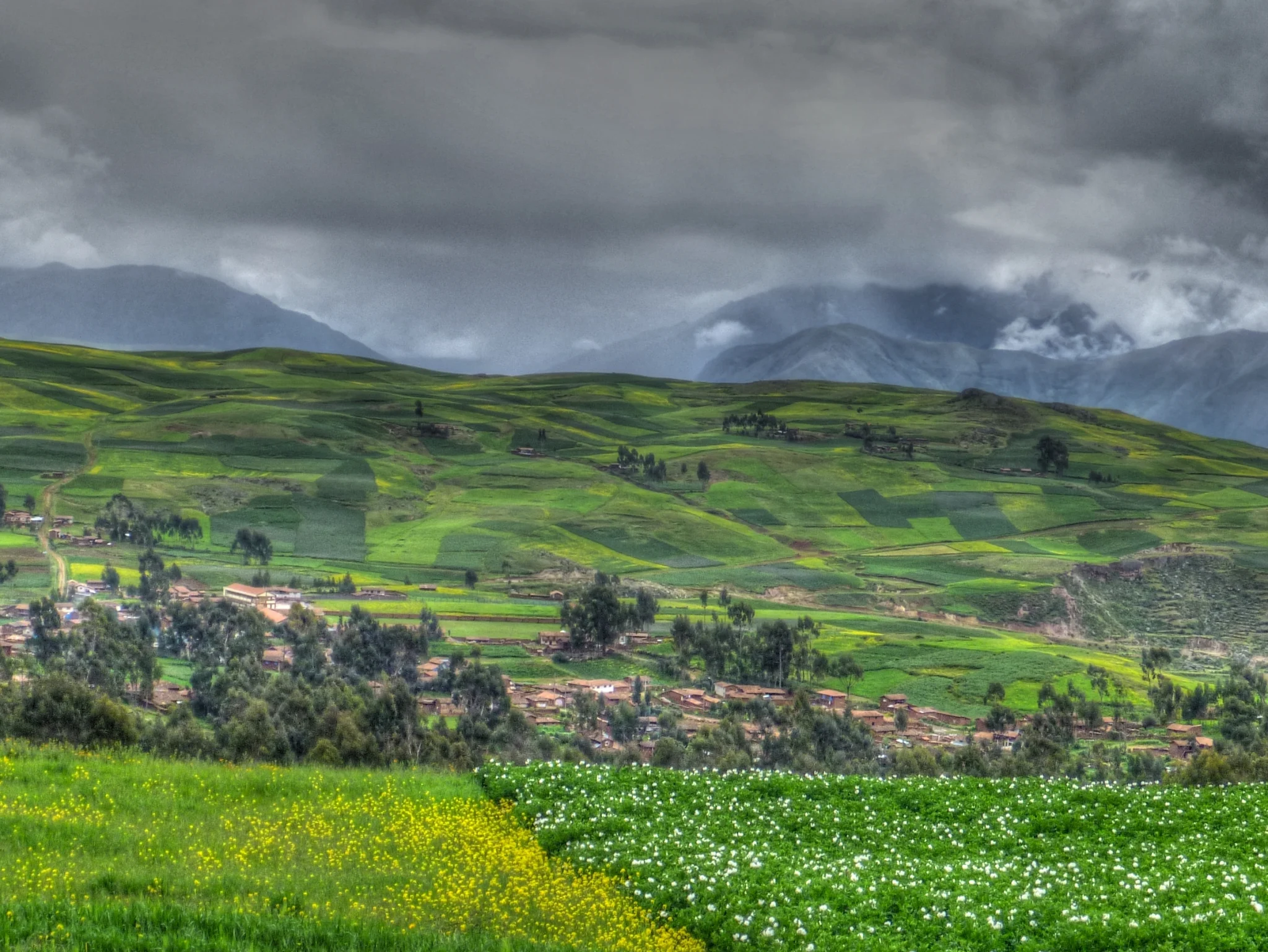
Five days gives the Sacred Valley room to breathe. Instead of treating the region as a rushed excursion from Cusco, this itinerary groups Pisac, Chinchero, Moray, Urubamba, and Ollantaytambo into manageable geographic stages. It also leaves space for altitude adjustment, road delays, and an optional train connection to Machu Picchu.
- Keep the first day light after arriving from Cusco.
- Give Pisac most of Day 2 rather than squeezing it between distant stops.
- Pair Chinchero and Moray on Day 3, with Maras as a conditional add-on.
- Visit Ollantaytambo before committing to a same-day train connection.
- Use Day 5 as a buffer day, a return to Cusco, or a separately booked Machu Picchu extension.
This route suits first-time visitors who want major archaeological sites without changing hotels every night. It works especially well if the wider Peru trip continues to Machu Picchu, since the final scheduled overnight is in Ollantaytambo. Travelers returning to Cusco can use the same plan and simply choose a road transfer on Day 5.

Sacred Valley Alpaca Hiking Tour
We involve local people in the activity: By doing so, we provide an opportunity for them to actively participate in the tourism industry in Cusco. You...

Machu Picchu 1 Day Tour Luxury Service
The Inca City of Machu Picchu, is the leading destination for many travelers, is the main tourist attraction in Peru and South America, one of the sev...
The five-day route at a glance
The sequence starts gently, moves through the eastern and highland sections of the valley, and finishes in Ollantaytambo. That order keeps the highest documented stop, Moray at an average elevation of 3,480 meters, away from arrival day. It also avoids making Machu Picchu an assumed part of the Sacred Valley visit.
| Day | Main plan | Suggested overnight |
|---|---|---|
| 1 | Transfer into the Sacred Valley and settle in | Pisac area or central Sacred Valley |
| 2 | Pisac archaeological site and time in town | Pisac area or central Sacred Valley |
| 3 | Chinchero and Moray, with Maras only if confirmed | Central Sacred Valley or Urubamba |
| 4 | Urubamba and Ollantaytambo | Ollantaytambo |
| 5 | Buffer day, return to Cusco, or Machu Picchu connection | Depends on the next stage of the trip |
Book the fixed parts before filling the calendar
Pisac, Ollantaytambo, Chinchero, and Moray are covered within the official Cusco Tourist Ticket framework. Check the current COSITUC tariff and ticket options before booking because prices and conditions can change. Do not assume that a Sacred Valley tour automatically includes admission unless the selected package says so.
If Day 5 continues to Machu Picchu, secure archaeological admission first. Entry is limited by date, time, and circuit, while the train is a separate purchase. Once admission is confirmed, choose a train that fits the assigned entry and the remaining transfer steps rather than building the day around a generic timetable.
Treat the Maras salt pans as an optional addition to Day 3. Chinchero and Moray are listed within the Tourist Ticket system, but Maras should not be assumed to use the same admission. Confirm its operating status, entry arrangement, and available time before adding it to an already full day.
Day 1: Enter the valley and keep the afternoon flexible
Use arrival day for the transfer from Cusco, hotel check-in, a meal, and an easy look around your chosen base. Avoid scheduling a major archaeological site with a hard closing time. A delayed flight, traffic, or slower-than-expected altitude adjustment can otherwise turn the opening afternoon into a race.
- Complete the road transfer into the Sacred Valley.
- Check in and leave the main luggage at the hotel.
- Eat, hydrate, and rest before deciding how much of the afternoon to use.
- Confirm the next morning's driver, pickup point, or tour instructions.
- Have the required admission plan ready for Pisac.
Choose the first base according to comfort and the next morning's plan rather than trying to optimize every road segment. The guide to lodges, hotels, and villages in the Sacred Valley can help compare the atmosphere and practical role of each base. Keep Ollantaytambo for the final scheduled night if a Machu Picchu train follows.
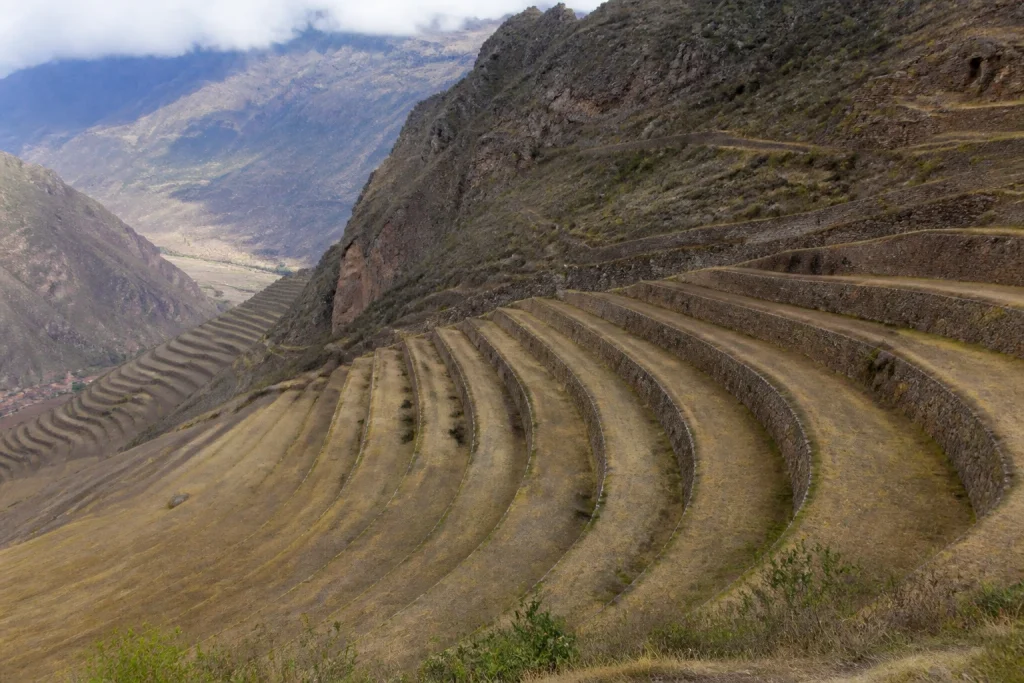
Day 2: Give Pisac enough time
Make Pisac the focus of Day 2 and avoid attaching another distant archaeological site to the same schedule. Regional tourism authorities identified access and vehicle-congestion problems affecting this part of the tourist circuit in July 2026. A flexible day absorbs road and entry delays without sacrificing the main visit.
- Start with the main Pisac archaeological visit.
- Leave open time around admission and road access.
- Continue into Pisac town if energy and timing allow.
- Return to the same hotel or transfer toward a central valley base.
- Check the following day's Chinchero and Moray arrangements.
A Pisac ruins and market guide is useful when deciding how to divide the day between the archaeological site and the town. The key planning principle is restraint. Pisac deserves a proper block of time, and an unhurried schedule is more resilient when access roads are busy.

Machu Picchu Shuttle Bus Round-Trip Tickets from Aguas CalienteS
Travel worry-free aboard the official CONSETTUR shuttle bus, the only authorized transportation between Aguas Calien...

Machu Picchu Circuit 2 Guided Tour
Explore the wonders of Machu Picchu via the official Circuit 2 route, known for its stunning views and historical si...

Machu Picchu Official Bus – Round Trip
Travel seamlessly between Aguas Calientes and the majestic Machu Picchu with this official round-trip shuttle servic...
Day 3: Pair Chinchero with Moray
Day 3 moves onto higher ground for Chinchero and Moray. Both are part of the Cusco Tourist Ticket framework, making them a logical pairing. This is also why the route places them after a light first day rather than immediately after arrival in Cusco.
- Visit Chinchero as the first main stop.
- Continue to Moray with enough time for the official visiting window.
- Use the entry viewpoint if walking range is limited.
- Add Maras only when current access and admission arrangements are confirmed.
- Descend to a central valley or Urubamba base for the night.
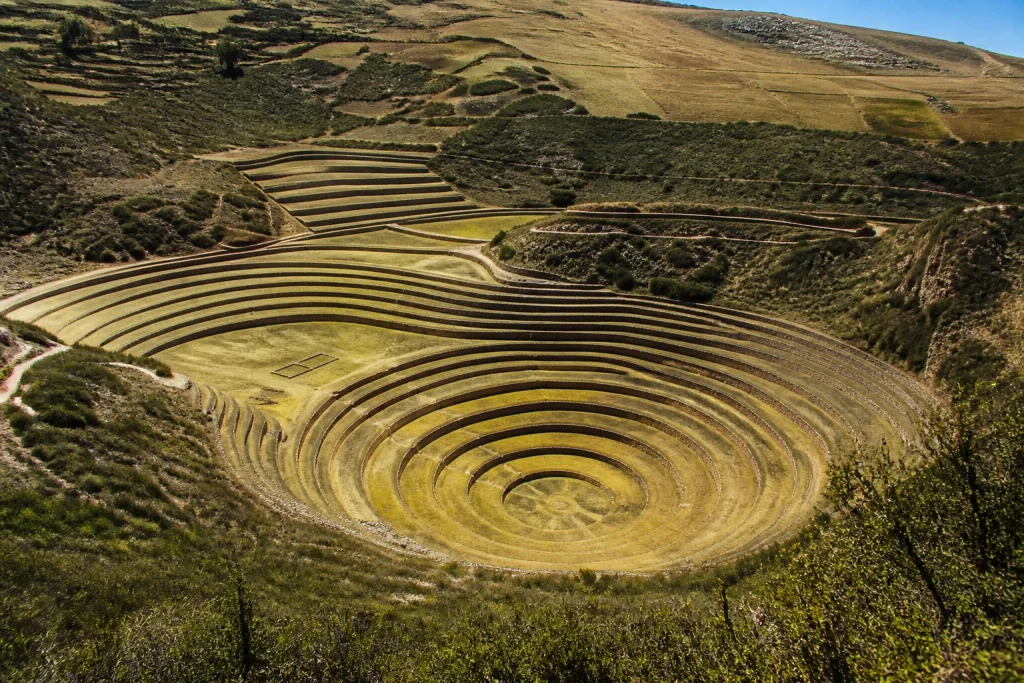
Moray sits at an average elevation of 3,480 meters. Its official page lists visiting hours of 07:00-17:00 and describes level access to the entry point, where the attraction can be viewed. That makes the entrance viewpoint the best documented low-mobility option in this itinerary, although the entire site is not certified as step-free.
Read the Chinchero textiles and market guide before deciding how much time to reserve there. For the second stop, the guide to Moray's circular terraces adds context to the unusual landscape. These background guides are especially helpful when using independent transportation rather than following a guide's fixed commentary.
Day 4: Continue through Urubamba to Ollantaytambo
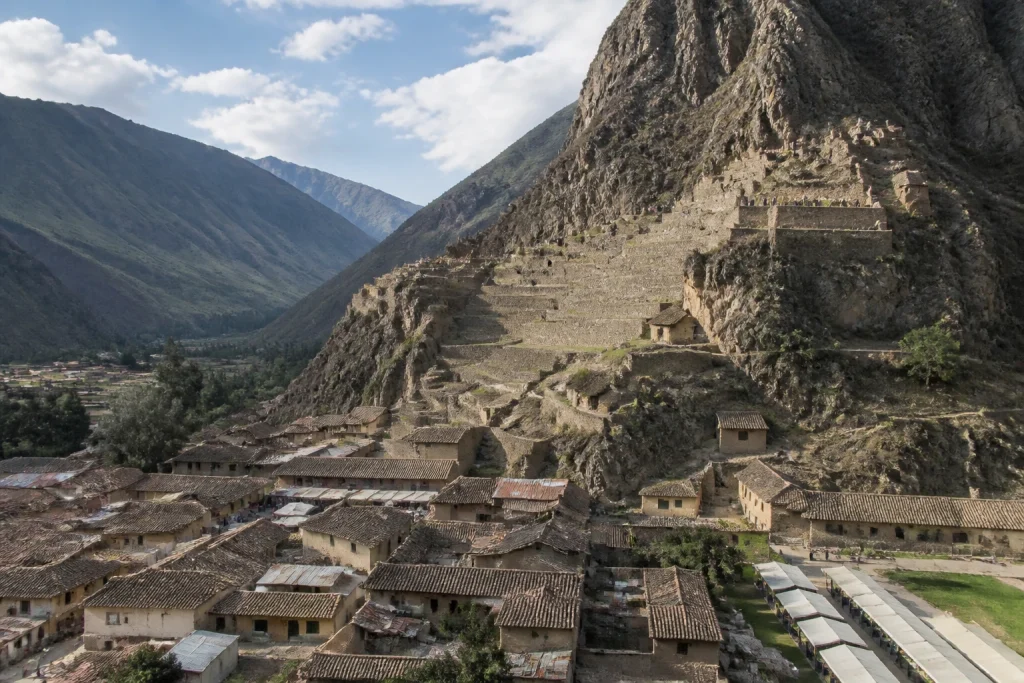
Use Day 4 to shift west through Urubamba and finish in Ollantaytambo. Make the Ollantaytambo archaeological visit the day's fixed commitment, especially if a train connection follows the next morning. Do not rely on a previously published closing time, since a July 2026 extension to 17:00 was described as temporary.
- Check out and begin the road transfer toward Urubamba.
- Keep the middle of the day flexible for a break in the central valley.
- Continue to Ollantaytambo and leave luggage at the hotel.
- Visit the archaeological site within the confirmed admission schedule.
- Review the next day's transfer or train instructions before dinner.
Staying overnight removes the pressure to visit Ollantaytambo and immediately rush onward. A closer look at Ollantaytambo's Inca town and stone streets can help shape the time outside the archaeological visit. If Day 5 involves rail travel, organize documents and reduce luggage before going to bed.
Day 5: Choose a buffer, Cusco return, or Machu Picchu train
Day 5 is intentionally flexible because travelers leave the Sacred Valley in different directions. Pick one of three options and resist combining them. A free day protects the itinerary from earlier delays, while a confirmed Machu Picchu connection requires its own timetable, admission, and luggage plan.
Option A: Keep a slow-travel buffer
Stay in Ollantaytambo or revisit the central valley without a long checklist. This option works well after congested roads, a tiring high-altitude day, or an arrival delay. The best things to do in the Sacred Valley for first-time visitors can provide ideas for filling the day without repeating the core route.
Option B: Return to Cusco
Arrange a road transfer back to Cusco and leave the rest of the day open. This is the cleanest choice for travelers continuing elsewhere from the city or beginning another Cusco-based plan. Confirm the pickup arrangement in advance, but avoid adding a hard-timed attraction immediately after the transfer.
Option C: Continue to Machu Picchu
Use the boarding time printed on the booked train ticket rather than a sample itinerary. PeruRail's May-December 2026 timetable includes multiple daily departures, but the operator warns that schedules can change for operational reasons. A comparison of PeruRail and Inca Rail routes can help organize this separate stage of the trip.
PeruRail advises passengers to arrive 30 minutes before departure with their ticket and a valid passport or identity document. Its Machu Picchu service limits onboard bags to 8 kilograms and 115 centimeters in combined dimensions. Store or transfer larger luggage according to the arrangements made with the hotel or transport provider.
Still comparing Five Day Sacred Valley Itinerary?
Ask for tour ideas, hotel suggestions, or a simple trip plan that combines both.
Trip Helper
Choose bases that reduce unnecessary packing
Two bases are usually enough for this five-day design. Begin in the Pisac area or the central Sacred Valley, then move to Ollantaytambo for Night 4. A third hotel change adds packing and check-in time without improving the basic sequence of Pisac, Chinchero-Moray, Urubamba, and Ollantaytambo.
- Pisac area: useful when Pisac is the first major sightseeing day.
- Central Sacred Valley or Urubamba: practical for the middle of the itinerary.
- Ollantaytambo: the preferred final base when continuing by train.
- Cusco: better treated as the arrival or departure point rather than a nightly commute for this route.
Build transportation slack into each day
Road congestion and access delays can affect Pisac and Ollantaytambo, so avoid stacking several hard-timed entries into one day. Confirm the next pickup or departure each evening and preserve a margin before closing times. The itinerary's one-region-per-day structure is designed to absorb delays more comfortably than a rapid circuit.
Rail updates must be checked by exact route segment. In 2026, normal operations were reported across Machu Picchu rail routes after one incident, while a later landslide notice suspended the separate Machupicchu-Hydroelectric service. Those notices did not describe the same segment. Check the status of the train and route printed on your booking shortly before travel.
Understand what the main tickets cover
| Place or service | Planning point |
|---|---|
| Pisac | Included within the Cusco Tourist Ticket framework. |
| Ollantaytambo | Included within the Cusco Tourist Ticket framework. |
| Chinchero | Included within the Cusco Tourist Ticket framework. |
| Moray | Included within the Cusco Tourist Ticket framework. |
| Maras salt pans | Do not assume Tourist Ticket coverage; check separate entry arrangements. |
| Machu Picchu train | Purchased separately from archaeological admission. |
| Machu Picchu admission | Limited by circuit, date, and entry time; secure it before matching a train. |
Check current ticket tariffs immediately before booking rather than relying on an old numerical price. Also compare the validity and site coverage of the available Tourist Ticket options against this itinerary. Package inclusions vary, so travelers using a tour should confirm whether admission is included or must be purchased separately.
Plan realistically for altitude and mobility
A gentle first day is the most useful pacing decision in this itinerary. Moray's average elevation of 3,480 meters makes Day 3 more demanding for travelers who are still adjusting. Keep the day simple, carry water, and pause when needed rather than treating Chinchero, Moray, and Maras as a race.
- Use Moray's level entry access and viewing point when walking range is limited.
- Do not interpret access to Moray's entrance as certification that the entire site is step-free.
- Confirm site-specific mobility arrangements for Pisac, Chinchero, and Ollantaytambo.
- Ask transport providers about vehicle access and the walking distance between drop-off points and entrances.
- Leave Maras out if adding it would make the higher-altitude day too crowded.
Pack for flexible days rather than a rigid schedule
Use a small day bag for archaeological visits and keep essentials easy to reach. Sensible items include water, sun protection, a light outer layer, comfortable footwear, personal medication, identification, and ticket details. Travelers taking the train should separate what they need for Machu Picchu before reaching Ollantaytambo.
- Passport or accepted identity document for the train
- Train ticket and Machu Picchu admission details
- Water and sun protection
- Comfortable shoes with reliable grip
- A light layer for changing conditions
- A train-compliant overnight bag if continuing to Machu Picchu
Before departure, review your own government's current Peru travel advice. One cited advisory distinguishes Cusco, the Sacred Valley, the Inca Trail, and Machu Picchu from the specific higher-risk border areas described in that notice, but conditions and national guidance can change.

Machu Picchu: Official Entrance Tickets
With this ticket you can visit the Inca city of Machu Picchu. The ticket allows you to visit most of the archaeologi...

Machu Picchu Entrance Ticket Official Circuits
Discover the wonders of Machu Picchu with an official entrance ticket that allows you to explore this ancient Inca c...

Official Machu Picchu Entrance Ticket
Secure your visit to Machu Picchu with this official entrance ticket to one of the New Seven Wonders of the World. E...
Why this five-day plan works
This itinerary is best for travelers who value pacing, geographic logic, and flexibility more than collecting the maximum number of stops. Its main limitation is that Maras and Machu Picchu remain optional, separately planned additions. Book the fixed admissions first, choose two practical bases, and let the fifth day protect the journey rather than overload it.
Frequently asked questions
Is five days enough for the Sacred Valley?
Yes, five days is enough for a well-paced introduction to Pisac, Chinchero, Moray, Urubamba, and Ollantaytambo. The schedule works by assigning distinct geographic areas to separate days and keeping Machu Picchu as an optional extension rather than squeezing it into the core valley itinerary.
Where should I stay during a five-day Sacred Valley itinerary?
Use one base near Pisac or in the central Sacred Valley, then spend the final scheduled night in Ollantaytambo. This limits hotel changes and positions travelers conveniently for a separately booked Machu Picchu train.
Does the Cusco Tourist Ticket cover the main itinerary stops?
The official ticket framework covers Pisac, Ollantaytambo, Chinchero, and Moray. Check current ticket types, validity, and tariffs before purchasing because numerical prices and conditions can change.
Is Maras included with the Cusco Tourist Ticket?
Do not assume that Maras salt-pans admission is included. Treat Maras as a conditional Day 3 addition and verify its current entry arrangement and operating status for your travel date.
Can I go to Machu Picchu on Day 5?
Yes, Day 5 can become a Machu Picchu connection if admission and train travel are booked separately. Secure archaeological admission first, then select a train that fits the assigned circuit, date, and entry time.
How early should I arrive for the train in Ollantaytambo?
PeruRail advises arriving 30 minutes before departure. Bring the booked ticket and a valid passport or identity document, and follow the boarding time shown on the reservation because schedules can change.
How much luggage can I take on the Machu Picchu train?
PeruRail lists an onboard bag limit of 8 kilograms and 115 centimeters in combined dimensions for its Machu Picchu service. Arrange storage or onward transfer for larger luggage before leaving Ollantaytambo.
Which stop is best for a traveler with limited mobility?
Moray has the clearest documented low-mobility option in this itinerary. Its official information describes level access to the entrance, where the attraction can be viewed, but it does not certify the full site as step-free.
Should Moray be visited on the first day?
Moray is better placed after a gentle arrival day for travelers adjusting to altitude. Its average elevation is 3,480 meters, so this itinerary schedules it on Day 3 with Chinchero.
Five days allows time to explore the Sacred Valley in distinct, well-paced stages by Aufgang, CC BY-SA 3.0.
Sacred Valley Alpaca Hiking Tour
We involve local people in the activity: By doing so, we provide an opportunity for them to actively participate in the tourism industry in Cusco. You...
Machu Picchu 1 Day Tour Luxury Service
The Inca City of Machu Picchu, is the leading destination for many travelers, is the main tourist attraction in Peru...

Natural Inca Hot Springs Day Trip – Soak & Relax in the Andes
The Inca thermal baths of Lares Valley are completely natural water that comes from the Andean mountains. This water...