7 Days in the Sacred Valley Itinerary
Plan a spacious week in Peru’s Sacred Valley with dedicated days for Pisac, Chinchero, Maras, Moray, Urubamba, Ollantaytambo and Machu Picchu. This itinerary protects the rail day with a practical buffer and keeps hotel…
 Visit Sacred Valley
October 17, 2026
Visit Sacred Valley
October 17, 2026

Seven days in the Sacred Valley gives you room to see its key places without treating every stop as a rushed detour. This proposed route begins with a gentle arrival, gives Pisac and the Chinchero-Maras-Moray area their own time, then moves toward Ollantaytambo for the Machu Picchu rail journey. The final day stays open on purpose, giving the itinerary useful breathing room before an onward transfer.
A week built around steady pacing and a protected rail day
- Use Day 1 to settle into the valley instead of scheduling a major sightseeing stop immediately.
- Give Pisac its own day, even though it can be combined with Ollantaytambo on faster routes.
- Group Chinchero, Maras and Moray on one day, then keep a flexible day in or near Urubamba.
- Move to Ollantaytambo before the Machu Picchu train if you want the simplest early-start morning.
- Secure the current Machu Picchu entry arrangement before locking in rail tickets, and retain Day 7 as a buffer.
| Day | Main focus | Pacing plan |
|---|---|---|
| Day 1 | Arrival and valley base | Check in, organize bookings and leave the day lightly scheduled. |
| Day 2 | Pisac | Keep Pisac separate for a more relaxed visit. |
| Day 3 | Chinchero, Maras and Moray | Treat these stops as one route day. |
| Day 4 | Urubamba area | Use a flexible day for rest, a catch-up or a hotel move. |
| Day 5 | Ollantaytambo | Position yourself for the rail journey and prepare a small train bag. |
| Day 6 | Machu Picchu | Take the train, continue by bus to the entrance and keep the day focused on the visit. |
| Day 7 | Buffer and onward travel | Absorb transport changes or use the time for an unhurried final valley day. |
The order matters more than squeezing in additional stops. Promotional route material shows that Pisac and Ollantaytambo can fit into one rapid visit, but separating them reduces pressure around the train sequence. It also gives you a spare day to absorb weather, road delays or rail changes instead of letting one disruption reshape the entire week.

The Best Private Sacred Valley Tour in Cusco ( with Pisac)
We know very well each place of this tour, since we have been grown in this area and we studied over 3 years to get a guide license. as well, our vehi...

From Urubamba & Ollantaytambo: Sacred Valley Day tour with Lunch
Explore the best and most unique sites in the Sacred Valley on a private tour. Visit the impressive ruins of Ollanta...

Machu Picchu Private Guided Tour with Official Ticket & Bus
Discover Machu Picchu with your own private guide on a fully personalized experience from Aguas Calientes. Skip the...
Day 1: Arrive and make the Sacred Valley your base
Keep the first day deliberately simple. Arrive, settle into your chosen base and put the practical pieces in place: confirm your accommodation, review the timing on any ground transfers, and check the details for your Machu Picchu ticket and rail journey. A calm first day makes the rest of this seven-day Sacred Valley itinerary far easier to follow.
Choose one base for the opening nights rather than shifting hotels after every outing. Urubamba works well for the middle of the valley, while Ollantaytambo becomes especially useful once the Machu Picchu rail day is close. The best choice depends on whether you value one hotel stay or the shortest possible transfer to the station.
Day 2: Give Pisac a full day
Devote Day 2 to Pisac instead of pairing it with Ollantaytambo. That slower choice is the central luxury of a week-long itinerary: you can shape the day around the parts of Pisac that interest you without watching the clock for a second major stop. For a closer planning companion, see Pisac: a slow morning at the ruins and an afternoon in the market.
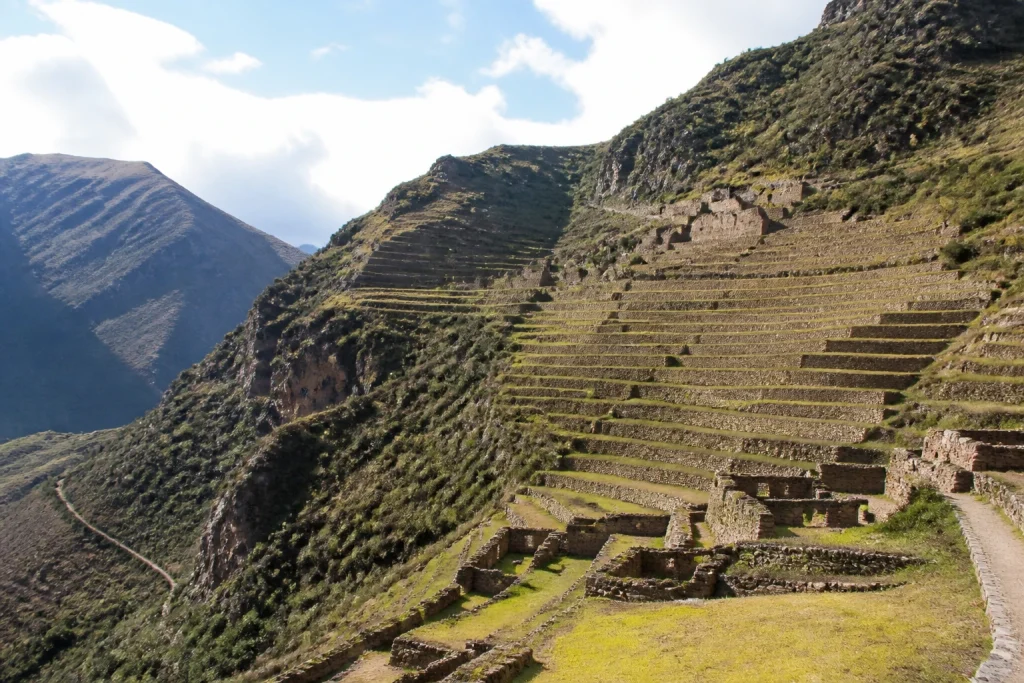
Avoid turning this into a rigid, minute-by-minute schedule. Arrange transport with enough room for stops and return travel, then leave the evening free for a quiet reset at your base. The days ahead group several locations together, so Pisac is the right place to let the itinerary ease into its rhythm.
Day 3: Connect Chinchero, Maras and Moray
Use Day 3 for the route that brings together Chinchero, Maras and Moray. These places are commonly grouped on Sacred Valley routes, making them a sensible cluster for one full sightseeing day. Keep the order flexible around your transport plan, and leave time between stops rather than treating the day as a checklist.
This is also a good point to add more context to the route. The feature on Chinchero, where Andean weaving still holds the day together, helps frame that stop, while a Maras and Moray half-day guide can help you decide how much time to reserve for the rest of the circuit. Return to your base rather than adding a long transfer late in the day.
Day 4: Keep an adaptable day around Urubamba
Day 4 is your pressure-release valve. Keep it in or near Urubamba and use it for a slower day, a postponed activity, a hotel change or simply preparation for the Machu Picchu portion of the trip. This open space is particularly valuable because road conditions, weather and rail operations can affect a tightly packed schedule.
If everything has run smoothly, this is still time well spent. Review the next day’s station plan, put only the essentials into a small bag and make sure your current ticket information matches your travel dates. Leaving an unscheduled day in the center of the itinerary makes the final two sightseeing days feel more manageable.
Day 5: Move toward Ollantaytambo and prepare for the train
Shift to Ollantaytambo on Day 5 if you have been based elsewhere in the valley. PeruRail identifies Ollantaytambo as its most commonly used station and the one with the broadest range of timetables, which makes it a practical place to sleep before an early departure. Use the afternoon to settle in and remove unnecessary items from your train bag.
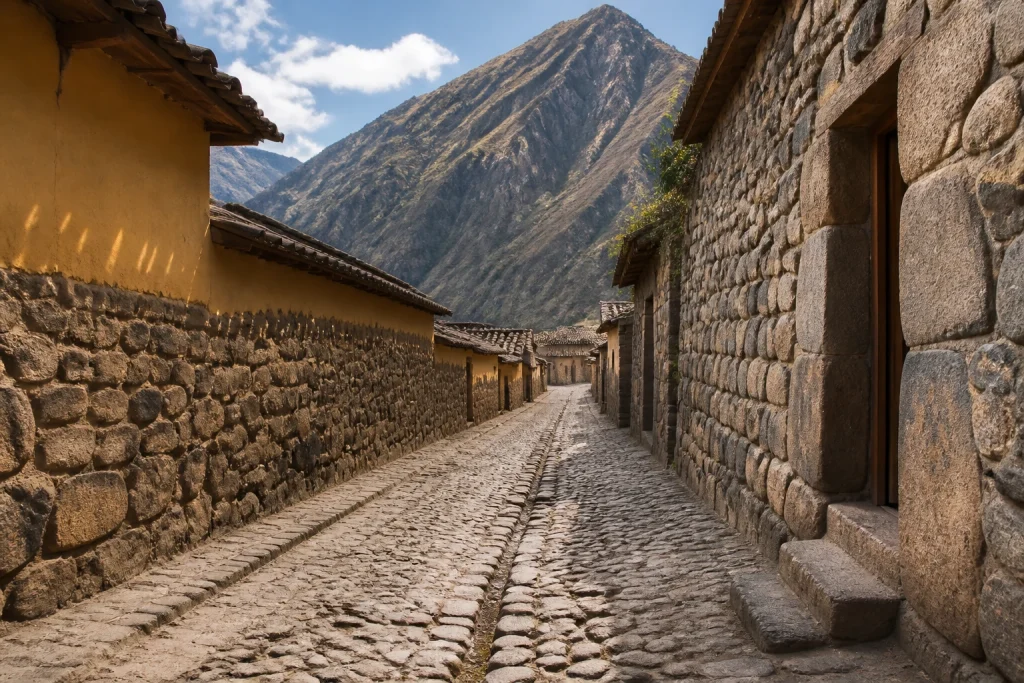
Plan to reach the station with time to spare. PeruRail advises boarding 30 minutes before departure, so an early train calls for an uncomplicated morning and a nearby overnight stay. Once you have arrived, Ollantaytambo’s stone streets and life inside an Inca town offer a useful sense of place beyond its role as a rail departure point.

Machu Picchu Circuit 2 Entrance Ticket with Guided Tour
Explore the wonders of Machu Picchu via the official Circuit 2 route, known for its stunning views and historical si...

Machu Picchu Group Guiding Service
We use wireless audio receptors to make better your experience Our groups are no larger than 12 people We have an...

Machu Picchu Ticket, Bus & Private Guide
Maximize your time at Machu Picchu with this private guided tour starting directly from Aguas Calientes. Skip the ha...
Day 6: Make Machu Picchu the day’s only major commitment
Treat the Machu Picchu excursion as a complete day. PeruRail lists several early departures from Ollantaytambo, including services scheduled as early as 05:05, 06:10 and 07:05 on the timetable reviewed for this itinerary. Schedules are subject to change, so confirm the departure attached to your booking before setting your morning plan.
The train arrives in Machu Picchu Pueblo, where the onward bus to the official entrance takes about 25 to 30 minutes. Keep the sequence simple: train, entrance bus and the visit itself. Check the live official Machu Picchu ticket page before finalizing your rail plans, since entry arrangements, availability and visit options can change.
- Check the entry details on the ticket you actually hold before departure.
- Confirm the train time, station and boarding guidance in your booking.
- Allow for the 25 to 30 minute bus connection from Machu Picchu Pueblo to the entrance.
- Travel light and keep the rest of the day free of time-sensitive commitments.
Train choice is worth considering before you commit. The comparison of PeruRail or Inca Rail train choices for Machu Picchu can help with that decision, but the most useful planning advantage is often straightforward: sleeping in Ollantaytambo reduces the transfer pressure before an early departure.
Day 7: Hold a buffer before onward travel
Keep the seventh day free for flexibility and onward travel. If the rail journey or a previous transfer has changed, this day prevents the itinerary from unraveling. If the week has gone exactly to plan, use it for an unhurried final day around your base rather than trying to force in another distant stop.
Recheck operator notices shortly before the Machu Picchu rail leg and before any fixed onward connection. Rail service resumed after a January 2026 disruption, a useful reminder that transport status needs a final look even when the itinerary itself has been planned carefully.
Choose between a single base and a two-base stay
For most travelers, there are two sensible lodging patterns. A single Urubamba base minimizes check-ins and keeps the opening days simple. A split stay, with Urubamba for the first part of the trip and Ollantaytambo for the nights around Machu Picchu, reduces the risk of a stressful pre-dawn transfer to the rail station.
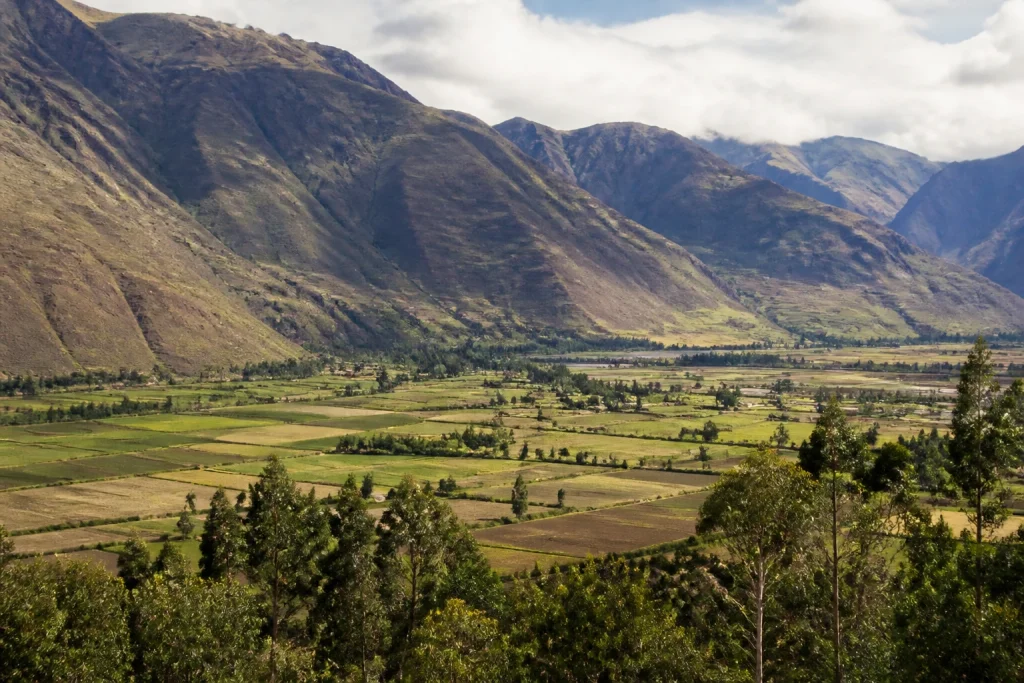
- Choose one Urubamba base if minimizing hotel changes matters most to you.
- Choose Urubamba first and Ollantaytambo later if an early Machu Picchu train is central to your plan.
- Stay in Ollantaytambo longer if the rail sequence is your priority and you prefer to be close to the commonly used station.
- Avoid moving accommodation every night. The saved transfer time is rarely worth the extra packing.
The guide to where to stay in the Sacred Valley, including lodges, hotels and villages, is a useful next read once you have chosen the rhythm that suits you. Match the hotel location to the itinerary rather than picking a base in isolation, especially if you plan to take one of the earliest available trains.
Book in the order that protects the itinerary
- Start with the live official Machu Picchu ticket page and choose the entry arrangement that fits your intended visit.
- Choose a rail departure that works with that entry arrangement, then confirm the departure station and boarding guidance.
- Reserve accommodation, deciding whether a later move to Ollantaytambo makes the rail morning easier.
- Arrange ground transport for the Pisac, Chinchero, Maras and Moray days with realistic room for stops and delays.
- Review current rail and transport notices shortly before travel, then preserve Day 7 for any adjustment.
Do not buy a train ticket before you understand the Machu Picchu entry details you need. The official ticket process and available visit options can change, while rail schedules are timetable-dependent. Building the itinerary in that order keeps the two most time-sensitive reservations aligned.
Still comparing Seven Day Sacred Valley Itinerary With Machu Picchu?
Ask for tour ideas, hotel suggestions, or a simple trip plan that combines both.
Trip Helper
Pack light, plan costs by category and confirm access needs early
For the Machu Picchu rail day, plan around one small bag and recheck the baggage conditions attached to your ticket. PeruRail’s published pages contain differing standard baggage details, so an 8 kg hand-luggage plan is the conservative choice until your specific conditions are confirmed. The operator also offers luggage storage at Ollantaytambo and Machu Picchu stations.
Arrange luggage assistance in advance if you need it. PeruRail says requests should be made at least 48 hours before travel and are subject to space availability. For mobility needs, confirm arrangements directly for each archaeological site, transport service and rail segment. Do not assume that the valley’s archaeological places are step-free or have the same level of access.
- Accommodation in your chosen valley base or bases.
- Ground transportation, whether private or shared.
- Archaeological admissions and Machu Picchu entry.
- Rail tickets and the bus between Machu Picchu Pueblo and the entrance.
- Guiding, meals and any baggage charges.
- A contingency amount for itinerary changes or extra transport.
Build your own budget from those categories rather than relying on a single seven-day total. Lodging, transport, admission and rail costs vary by travel date and booking choice. For one published example, PeruRail lists US$25 for checked extra luggage and US$15 for an additional carry-on, but check the current conditions before making baggage decisions.
The best seven-day plan leaves room for the unexpected
This itinerary suits travelers who want Pisac, Chinchero, Maras, Moray, Urubamba, Ollantaytambo and Machu Picchu without a daily race against the clock. Its main limitation is deliberate: one day stays flexible instead of adding another major stop. That reserve is what makes the plan resilient. Start by securing Machu Picchu entry, choose your base pattern, and let the rail day determine the final shape of the week.
Frequently asked questions
Is seven days enough for the Sacred Valley and Machu Picchu?
Yes. Seven days allows for a low-rush route through Pisac, Chinchero, Maras, Moray, Urubamba, Ollantaytambo and Machu Picchu while preserving a buffer day. It is a better fit for travelers who value flexibility over adding as many stops as possible.
Should I stay in Urubamba or Ollantaytambo?
Stay in Urubamba if you want a central valley base with fewer hotel changes, and stay in Ollantaytambo for the nights nearest your Machu Picchu train. Ollantaytambo is PeruRail’s commonly used station with its broadest range of timetables.
Should I book Machu Picchu entry before the train?
Yes. Check the live official Machu Picchu ticket page and settle the entry arrangement before choosing rail tickets. Ticket availability and visit options can change, while train schedules must also be reconfirmed at booking.
How early should I arrive at Ollantaytambo station?
Plan to be there at least 30 minutes before your scheduled departure. PeruRail identifies this as its boarding guidance, and early trains make an Ollantaytambo overnight especially convenient.
How should I pack for the Machu Picchu train day?
Pack one small bag and use an 8 kg hand-luggage plan until you have checked the conditions for your specific ticket. PeruRail offers luggage storage at Ollantaytambo and Machu Picchu stations, and luggage assistance should be requested at least 48 hours ahead if needed.
Machu Picchu Private Guided Tour with Official Ticket & Bus
Discover Machu Picchu with your own private guide on a fully personalized experience from Aguas Calientes. Skip the crowds and enjoy a seamless visit...

Machu Picchu Private Tour from Aguas Calientes (Tickets included)
Discover Machu Picchu at your own pace with our exclusive Private Guided Tour from Aguas Calientes. Perfect for inde...
The Best Private Sacred Valley Tour in Cusco ( with Pisac)
We know very well each place of this tour, since we have been grown in this area and we studied over 3 years to get...

Small-Group Tour: Guide Service in Machu Picchu
This small-group guided tour service in Machu Picchu will let you experience and learn more about the "Lost City of...