Where to Eat in the Sacred Valley
Plan where to eat in the Sacred Valley with practical guidance for Urubamba, Ollantaytambo, and Pisac, plus restaurant suggestions, Andean dishes, budgets, reservations, and food-safety tips.
 Visit Sacred Valley
September 4, 2026
Visit Sacred Valley
September 4, 2026
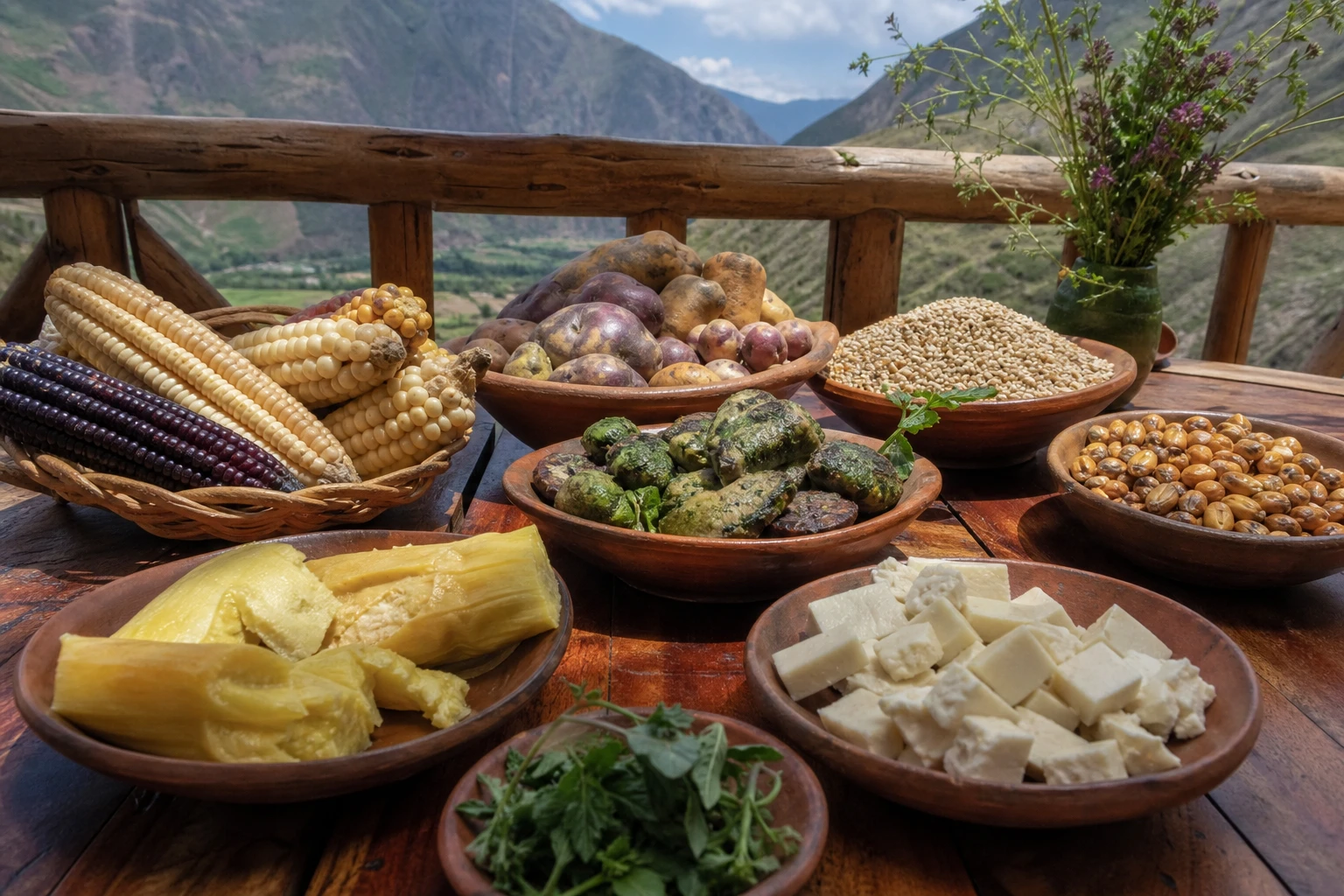
Eating well in the Sacred Valley starts with geography. Urubamba and Ollantaytambo are the most useful restaurant hubs, while Pisac adds cafés and market-food options. The right choice depends less on chasing a single famous table and more on matching lunch or dinner to your route, lodging, and rail plans. Build at least one meal around Andean ingredients such as corn, potatoes, grains, herbs, cheese, humitas, cancha, chicha, and pachamanca.
- Choose Urubamba for a deliberately planned destination lunch or dinner.
- Eat in Ollantaytambo when staying in town or coordinating a meal with rail travel.
- Use Pisac for cafés and market-food browsing during a day in town.
- Reserve higher-cost restaurants and confirm current menus, prices, and service days.
- Ask what meat is used in pachamanca, especially when managing dietary restrictions.
A useful dining plan separates destination meals from efficient travel-day meals. A destination meal deserves space in the itinerary and may justify a reservation or special transfer. A travel-day meal should sit naturally beside your hotel, sightseeing route, or confirmed train departure. This distinction prevents an ambitious lunch from becoming a race across the valley.

From Urubamba & Ollantaytambo: Sacred Valley Day tour with Lunch
Explore the best and most unique sites in the Sacred Valley on a private tour. Visit the impressive ruins of Ollantaytambo, an ancient Inca fortress...
Choose a dining base before choosing a restaurant
Urubamba, Ollantaytambo, and Pisac serve different dining needs. Urubamba is the strongest fit for a meal planned as an event. Ollantaytambo makes sense when the town or a rail connection already anchors your day. Pisac is useful for a café stop or market-based food browsing rather than a tightly scheduled destination dinner.
| Area | Best fit | Planning approach |
|---|---|---|
| Urubamba | A deliberate lunch or dinner | Choose the restaurant first, then organize the surrounding day. |
| Ollantaytambo | An overnight stay or rail-connected meal | Coordinate dining with confirmed lodging and train details. |
| Pisac | Cafés and market-food options | Leave time to browse rather than depending on one fixed stop. |
Your sleeping base matters too. Before committing to several restaurant detours, compare Sacred Valley lodges, hotels, and villages. Staying near the meal you care about can remove an unnecessary transfer and make dinner more relaxed.
Urubamba is the place for a planned destination meal
Choose Urubamba when food is a central part of the day rather than a pause between attractions. Its role as a restaurant hub makes it suitable for a long lunch or an evening meal planned around your accommodation. Do not assume that every venue follows an all-day schedule. Confirm the current service period before arranging a special transfer.
El Huacatay for a higher-cost dinner
El Huacatay is the higher-cost Urubamba option in this shortlist. A 2026 planning estimate placed a three-course dinner at PEN 120–160 per person before wine. Service was listed from noon, Tuesday through Sunday, with weekend reservations particularly important. Menus, prices, service days, and booking policies change, so check the restaurant’s current details before building an evening around it.
Tres Keros for lunch on the road
Tres Keros suits travelers seeking a daytime farm-to-table meal along the Urubamba–Ollantaytambo road. A 2026 guide listed main courses around PEN 45–60 and service from noon to 4 p.m., Wednesday through Sunday. Treat those figures as planning markers, not guaranteed current details. Its lunch-led format makes it a better fit for a travel day than an unconfirmed dinner stop.
For either restaurant, work backward from the meal. Decide where you will be before and afterward, then confirm service and transportation. Urubamba rewards deliberate planning, but it is less convenient when your schedule already centers on a distant town or a fixed rail departure.
Ollantaytambo works well for rail days and overnight stays
Ollantaytambo is the practical choice when you are sleeping in town or connecting with rail travel. This does not mean squeezing a formal meal into a narrow departure window. It means using a town already on your itinerary instead of creating a separate dining detour.
El Albergue for a farm-linked meal near the station area
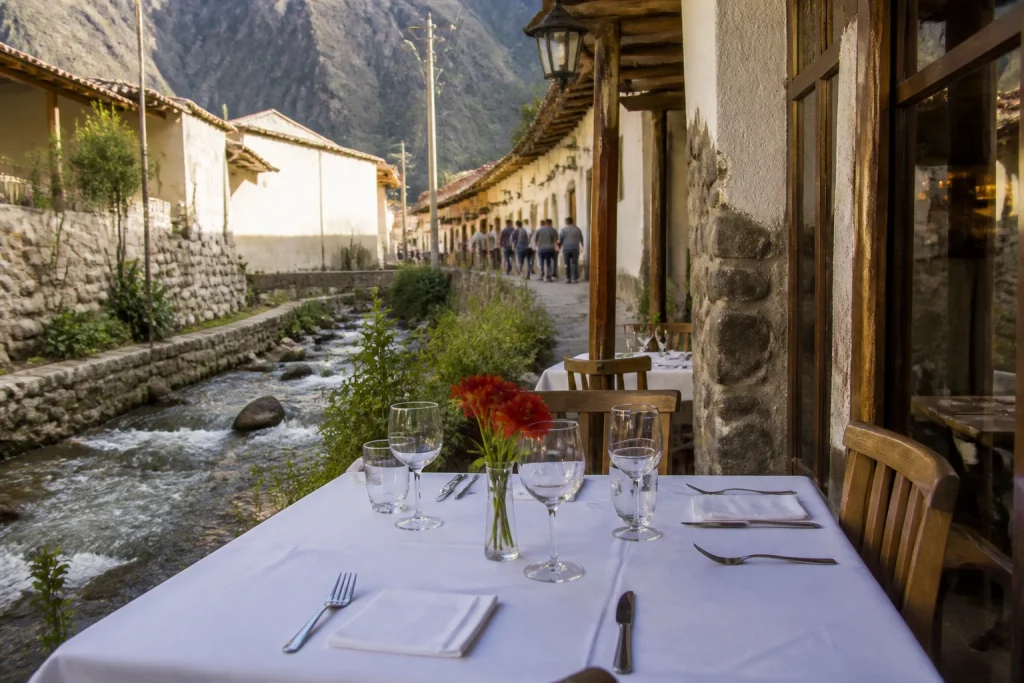
El Albergue is a defensible choice for travelers seeking a restaurant close to Ollantaytambo’s rail-station area. Its operator says the kitchen uses produce from its garden and small farm, supplemented by ingredients from local producers. That connection gives the meal a clear sense of place without requiring a separate excursion.
The same operator also runs Chuncho, a dining offering focused on the flavors, ingredients, and traditions of Ollantaytambo, the Urubamba Valley, and Cusco. Confirm which restaurant or menu you are reserving, since the two names refer to associated offerings and their operating arrangements can change.
Use an Ollantaytambo stone-streets guide to decide how a meal fits around time in the Inca town. For a rail day, also compare PeruRail and Inca Rail Sacred Valley trains to Machu Picchu, then coordinate the restaurant with the departure time shown on your ticket. Avoid making the meal depend on an assumed timetable.

Natural Inca Hot Springs Day Trip – Soak & Relax in the Andes
The Inca thermal baths of Lares Valley are completely natural water that comes from the Andean mountains. This water...

Sacred Valley Alpaca Hiking Tour
We involve local people in the activity: By doing so, we provide an opportunity for them to actively participate in...

Private Guided Tour in Machu Picchu
The guide will be exclusively for you or your group, the tour is along the circuit indicated on your ticket. The gui...
Pisac favors cafés and market-food browsing
Pisac adds a different rhythm to the valley’s food scene. It is useful for cafés and market-food options, particularly when the town is already part of your sightseeing day. Instead of crossing the valley for a formal restaurant, leave a flexible window to look at what is available and choose according to appetite and timing.
Pisac Sunday Market tips can help you plan the market portion of the visit before deciding where food fits. A broader guide to Pisac’s ruins and market is also useful when balancing sightseeing with a café stop. Keep enough schedule flexibility to avoid rushing either the meal or the town.
Pisac is the weakest fit of the three hubs for a reservation that controls the entire day. Its advantage is choice within an existing visit. Use it for breakfast, a café break, or an informal midday stop, then save a carefully booked dinner for Urubamba or Ollantaytambo.
What to order for a taste of the Andes
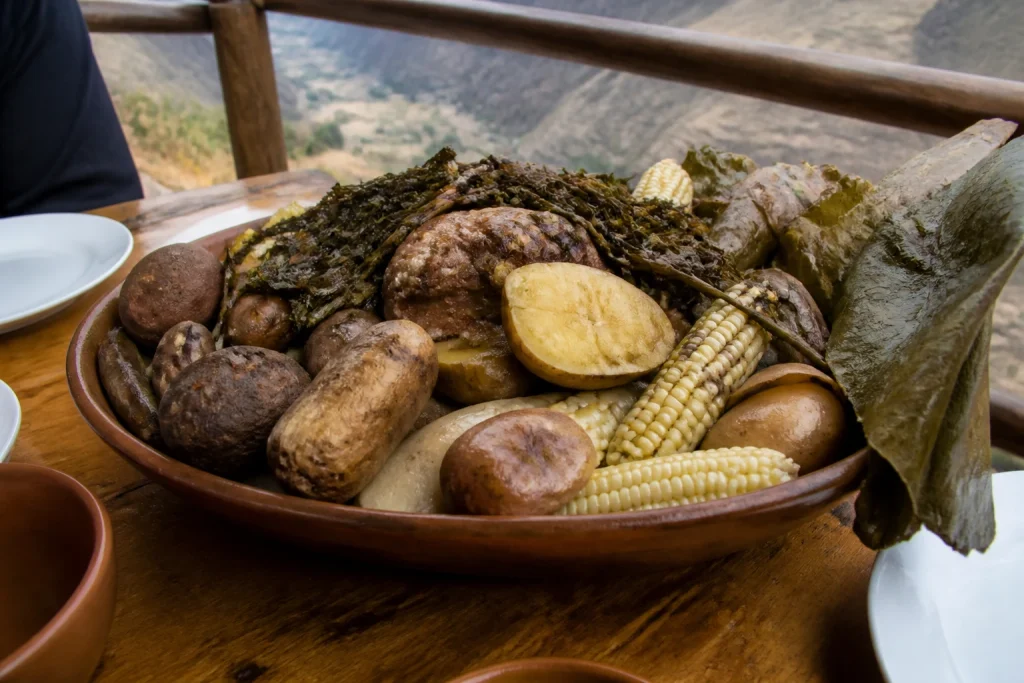
Read menus through their ingredients rather than treating the valley as a generic stop for famous Peruvian dishes. Corn, potatoes, grains, herbs, and cheese are recurring elements of Andean cuisine. Humitas, cancha, papa a la huancaína, chicha, and pachamanca provide useful names to recognize and ask about.
| Look for | Why it belongs on the shortlist | What to ask |
|---|---|---|
| Corn and potatoes | Characteristic ingredients in Andean cuisine | Ask how they are prepared in the restaurant’s current dish. |
| Grains, herbs, and cheese | Ingredients that help distinguish a valley-focused menu | Ask which ingredients are local or seasonal. |
| Humitas, cancha, and papa a la huancaína | Recognizable highland preparations and foods | Ask about portion size before ordering several dishes. |
| Pachamanca | A characteristic Andean preparation that can contain several meats | Ask exactly which meats are included. |
| Chicha | A characteristic highland drink | Ask what version is being served before ordering. |
Ask about the meat in pachamanca
Pachamanca can include beef, lamb, pork, or cuy. That makes the name alone insufficient for vegetarians, diners avoiding a particular meat, or anyone with strict dietary rules. Ask what the restaurant’s version contains before ordering. A useful Spanish question is “¿Qué carnes lleva la pachamanca?”, meaning “What meats are in the pachamanca?”
Do not feel obliged to order every regional specialty in one sitting. A shared dish, an Andean side, and a familiar main can provide a balanced introduction. This is especially sensible on the first day at elevation, when a lighter meal and steady hydration are more comfortable choices.
Match each meal to the day’s itinerary
The best restaurant on paper can be the wrong choice for a tightly scheduled day. Start with the immovable parts of the itinerary, such as lodging and a confirmed train departure. Add the meal only after those pieces are settled.
- Mark where you will sleep and where the day ends.
- Check any confirmed rail or tour timing that cannot move.
- Choose the closest suitable dining hub: Urubamba, Ollantaytambo, or Pisac.
- Confirm the restaurant’s current meal period and reservation policy.
- Allow breathing room rather than placing a long meal immediately before departure.
Still comparing Sacred Valley Food And Restaurant Planning?
Ask for tour ideas, hotel suggestions, or a simple trip plan that combines both.
Trip Helper
Plan destination meals on less crowded days
Put a destination restaurant on a day with fewer fixed commitments. Urubamba is well suited to this approach. A lunch-led venue such as Tres Keros can pair with movement between Urubamba and Ollantaytambo, while El Huacatay deserves a schedule built around its confirmed service and reservation.
Keep rail-day meals close and adjustable
On a rail day, Ollantaytambo is the natural dining base. Check the departure printed on your ticket, then choose a meal period with ample margin. El Albergue’s position near the station area makes it relevant, but current service still needs to align with your journey.
Handle water, altitude, dietary needs, and access carefully
Drink treated water and ask about ice
Tap water is not potable in many parts of Peru, and ice can be made with tap water. Use bottled or properly treated water and ask how ice was prepared when uncertain. One useful question is “¿El hielo está hecho con agua tratada?”, meaning “Is the ice made with treated water?”
Go gently during the first days at elevation
Travelers arriving at or above 8,000 feet should consider altitude-illness precautions. The CDC advises avoiding alcohol for at least the first 48 hours after arrival above that elevation. A light first-day meal, careful hydration, and a restrained approach to chicha or wine are sensible health-conscious choices rather than guarantees against illness.
Confirm access and strict dietary controls directly
Do not assume that a restaurant has step-free entry, an accessible toilet, suitable parking, alternative menu formats, or formal allergy procedures. Travelers needing wheelchair access, low-step entry, a quiet table, or tightly controlled food preparation should contact the venue in Spanish or ask their hotel or guide to help before making a special detour.
For dietary requests, describe the ingredient you must avoid rather than relying only on a broad label. This is particularly important for pachamanca because its meats vary. Useful phrases include “sin carne” for “without meat” and “soy vegetariano” or “soy vegetariana” for “I am vegetarian.”
Budget and reserve without overplanning
| Option | Meal style | Budget or timing marker | Action before going |
|---|---|---|---|
| El Huacatay, Urubamba | Higher-cost destination meal | PEN 120–160 for a three-course dinner before wine in a 2026 estimate | Check the current menu and reserve, especially for a weekend. |
| Tres Keros, Urubamba–Ollantaytambo road | Lunch-led farm-to-table stop | Mains estimated at PEN 45–60; recently listed for midday service | Confirm the service day and do not depend on it for dinner. |
| El Albergue and Chuncho, Ollantaytambo | Farm-linked or regional dining near the station area | Choose according to the current menu | Confirm the restaurant name, meal period, and reservation. |
| Pisac cafés and market food | Flexible daytime eating | Set a personal spending limit while browsing | Choose during an existing Pisac visit. |
Use the quoted prices only as rough budgeting markers. Restaurant menus and operating arrangements can change quickly. Before committing to a special transfer, confirm the current price range, meal period, booking policy, and accepted payment methods in one message or call.
Reservations matter most when the meal is expensive, the date is a weekend, or reaching the restaurant requires a detour. Flexible cafés and market stops need less structure. The goal is to protect the important meal without turning every snack into an appointment.
A simple Sacred Valley dining plan
For a short stay, give each hub a clear role. Use Pisac for a café or market-food stop during sightseeing. Reserve one destination lunch or dinner in Urubamba. Eat in Ollantaytambo when staying overnight or traveling by rail. This pattern reduces unnecessary crossings while still covering the valley’s main dining settings.
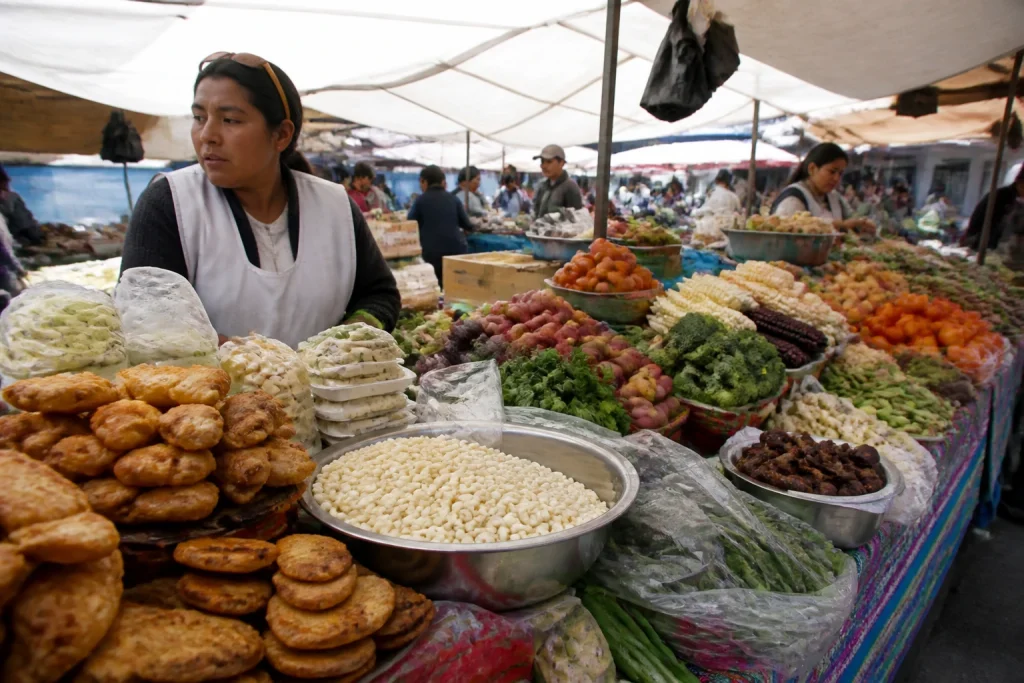
- Pisac day: browse cafés and market-food options around your existing visit.
- Urubamba day: reserve a destination meal and keep the surrounding schedule light.
- Ollantaytambo day: choose El Albergue or another town restaurant around confirmed rail or lodging plans.
- First day at elevation: eat lightly, hydrate carefully, and avoid alcohol when following altitude guidance.
- Before departure: check the live Peru travel advisory rather than relying on an older saved notice.
Urubamba offers the strongest setting for travelers who want dinner to be an occasion. Ollantaytambo wins on convenience when rail travel or an overnight stay already brings you into town. Pisac works best as a flexible daytime food stop. Choose the hub first, reserve only where it matters, and let Andean ingredients guide the order.
Frequently asked questions
Which town has the best restaurant selection in the Sacred Valley?
Urubamba and Ollantaytambo are the most practical restaurant hubs. Urubamba suits a deliberately planned lunch or dinner, while Ollantaytambo works particularly well for overnight stays and rail-connected itineraries. Pisac adds cafés and market-food options.
Do I need restaurant reservations in the Sacred Valley?
Reserve when planning a higher-cost destination meal, especially on a weekend. El Huacatay has been identified as a restaurant where weekend reservations are particularly useful. Confirm the current booking policy before traveling.
Where should I eat before taking a train from Ollantaytambo?
Ollantaytambo is the most practical dining base for a rail day. El Albergue is close to the rail-station area and uses produce from its garden and small farm, along with ingredients from local producers. Coordinate the meal with the departure time on your ticket.
What local food should I try in the Sacred Valley?
Look for corn, potatoes, grains, herbs, cheese, humitas, cancha, papa a la huancaína, chicha, and pachamanca. These ingredients and preparations are characteristic of Andean cuisine.
Is pachamanca vegetarian?
Do not assume that pachamanca is vegetarian. It can include beef, lamb, pork, or cuy, so ask which meats are used in the restaurant’s version before ordering.
Can I drink tap water in the Sacred Valley?
Use bottled or properly treated water rather than assuming tap water is potable. Tap water is not potable in many parts of Peru, and ice can also be made with tap water, so ask about ice when uncertain.
Are Sacred Valley restaurants wheelchair accessible?
Accessibility must be confirmed with each restaurant. Ask specifically about step-free entry, accessible toilets, parking, and seating before making a detour, or request help from your hotel or guide if language is a concern.
From Urubamba & Ollantaytambo: Sacred Valley Day tour with Lunch
Explore the best and most unique sites in the Sacred Valley on a private tour. Visit the impressive ruins of Ollantaytambo, an ancient Inca fortress...
Sacred Valley Alpaca Hiking Tour
We involve local people in the activity: By doing so, we provide an opportunity for them to actively participate in...