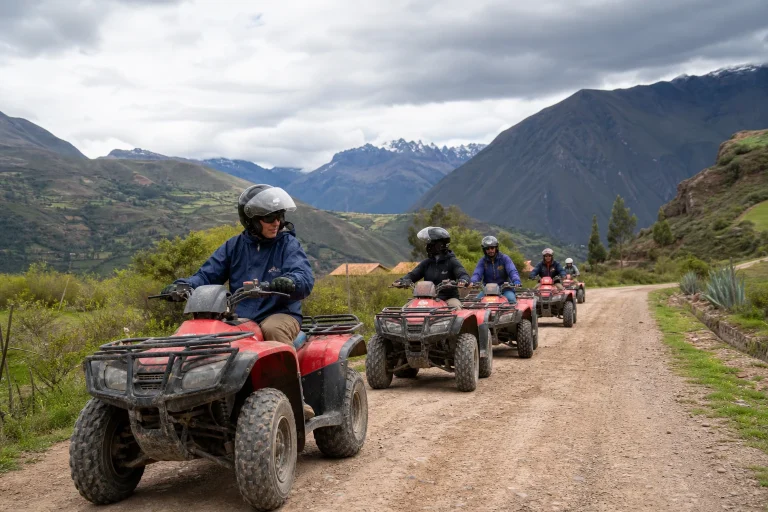
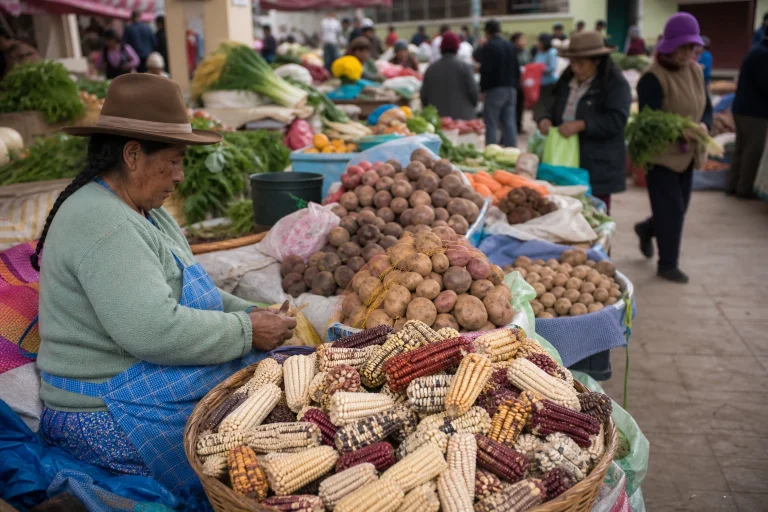
Sacred Valley Adventure Tours Guide
Compare Sacred Valley adventure tours, transport options, seasons, archaeological routes, altitude demands, and Machu Picchu connections before booking.
 Visit Sacred Valley
August 27, 2026
Visit Sacred Valley
August 27, 2026

The Sacred Valley is a travel corridor rather than a single attraction. Its archaeological sites, towns, roads, and onward connections stretch between Pisac and Ollantaytambo, so the best adventure tour is usually the one with the smartest route. Some trips emphasize vehicle-based sightseeing and short walks. Others lead into demanding trekking or continue toward Machu Picchu. Those formats require very different planning.
- Choose a few meaningful stops instead of collecting place names through a bus window.
- Use private transport when route control and an Ollantaytambo finish matter most.
- Treat Machu Picchu and the Inca Trail as separate extensions with their own reservations and rules.
- Expect drier conditions and stronger demand between May and October.
- Check what the quoted price includes, especially admission, pickup, meals, and onward transport.
- Match walking demands and altitude to the least mobile member of your group.
Start by deciding what adventure means for this trip. A long archaeological circuit, a flexible private journey, and a high-altitude trek can all carry the same marketing label. Look beyond that label to the route, walking time, transport, finish point, and physical demands. This guide explains how to compare those details without turning a promising day into an exhausting race.

From Urubamba & Ollantaytambo: Sacred Valley Day tour with Lunch
Explore the best and most unique sites in the Sacred Valley on a private tour. Visit the impressive ruins of Ollantaytambo, an ancient Inca fortress...
Choose the experience before choosing the tour
A vehicle-based archaeological tour is the most adaptable introduction. It can connect several valley locations while keeping most of the day focused on sites rather than a single strenuous route. Travelers seeking broader inspiration can first review the best things to do in the Sacred Valley, then select the places that deserve time on this particular trip.
A private point-to-point trip works especially well when the route must finish in Ollantaytambo. It offers more control over departure time, stops, luggage, and pace. Shared transport generally costs less, but travelers surrender some control over timing and detours. Neither approach is automatically better. The right choice depends on whether simplicity, budget, or flexibility is the priority.
Trekking is a separate category. Parts of the Inca Trail network rise above 4,350 meters, placing them far beyond the demands of a mostly vehicle-based valley day. A traveler comfortable with short archaeological walks should not assume that comfort transfers to a high trail. Examine the maximum elevation, consecutive walking hours, terrain, and emergency arrangements before committing.
Compare Sacred Valley tour formats
| Tour format | Best suited to | Main advantage | Point to check |
|---|---|---|---|
| Shared archaeological tour | Travelers seeking a straightforward introduction | Transport and major stops are organized together | Time allowed at each site and the exact pickup area |
| Private vehicle tour | Families, small groups, photographers, and travelers with onward plans | Greater control over route, pace, and finish point | Vehicle type, luggage space, admission, and guide services |
| Independent shared transport | Budget-focused travelers comfortable managing transfers | Lower transport cost | Connection time, limited route control, and luggage practicality |
| High-altitude trek | Prepared hikers seeking a physically demanding extension | A deeper walking journey through the Andean landscape | Elevation, authorized operator requirements, permits, and maintenance closures |
| Valley tour with Machu Picchu connection | Travelers continuing through Ollantaytambo | Reduces unnecessary backtracking | Live rail schedule, departure station, and overnight logistics |
Tour descriptions should identify more than a list of destinations. A useful listing explains where the day begins and ends, how travelers move between stops, how much walking is involved, and whether the guide accompanies the group inside archaeological sites. It should also distinguish included admission from optional or separate tickets. If those details are vague, compare the itinerary rather than relying on the tour name.
Plan a one-day route that leaves room to explore
One day is best treated as a selective introduction. The valley spans multiple stops, so an ambitious list can quickly become a series of arrivals and departures. Pick a geographic flow and protect time for walking, listening to the guide, and absorbing the setting. A through-route between Pisac and Ollantaytambo is more coherent than repeated returns to the same base.

Pisac can anchor one end of the journey, while Ollantaytambo makes a logical finish for travelers continuing deeper into the valley. Our guide to the Pisac ruins and market helps separate the archaeological visit from time in town. The guide to Ollantaytambo's Inca town and stone streets is useful when deciding whether to pass through or stay overnight.
Maras and Moray are better approached as a focused outing than squeezed into every possible valley circuit. The Maras and Moray half-day guide can help travelers judge whether those stops deserve their own block of time. Moray's circular terraces also reward context, so a site-focused explanation is more valuable than a hurried photo stop.
- Choose the day's essential site or town.
- Add only the stops that fit naturally along the same route.
- Decide whether the tour should return to Cusco or finish in the valley.
- Allow a buffer before any train departure or fixed evening arrangement.
- Remove a stop if the itinerary leaves little time for walking and interpretation.

One-Day Inca Trail Hike to Machu Picchu from Cusco
Experience the best of the legendary Short Inca Trail in just one day from Cusco. Begin your hike at Km 104 and foll...

Machu Picchu Circuit 2 Entry Ticket and Private Official Guide
Can't find Circuit 2 tickets? We have you covered! We exclusively provide the highly-coveted Circuit 2 (Classic Rout...

Explore Machu Picchu Private Guided Tour from Aguas Calientes
Discover the secrets of Machu Picchu with a private tour guide on an unforgettable journey from Aguas Calientes. Sta...
Use a second day for depth and a smoother onward journey
Two days make it easier to separate a broad valley circuit from a focused archaeological outing. They also reduce pressure on travelers who prefer shorter walks or a slower pace. Instead of forcing Pisac, Ollantaytambo, Maras, and Moray into one day, divide the route around location and the next stage of the trip.
An overnight stay can be practical when the next leg begins in Ollantaytambo or elsewhere in the valley. Compare the villages, lodges, and hotels in our Sacred Valley accommodation guide before fixing the tour route. The best base is not simply the prettiest option. It is the place that supports the following morning's transport without unnecessary backtracking.
Ask whether luggage can remain in the vehicle and whether the final drop-off includes the chosen hotel or station area. A tour that officially ends in Ollantaytambo can still have a specific drop-off point. Put the accommodation name and next transport connection into the same plan before booking.
Match the adventure to the dry and rainy seasons
May through October is commonly described as the drier period for outdoor travel in the region. November through March is the rainy period around the Historic Sanctuary of Machupicchu. These broad patterns help with planning, but they do not guarantee a dry trail, an open road, or uninterrupted transport on a particular day.
August falls within the drier and busier season. Accommodation, guides, and onward rail or trekking arrangements face stronger demand, so fixed parts of the itinerary deserve early attention. This matters most when the valley tour must connect with a limited reservation, such as a train, trek, or timed Machu Picchu visit.
During the rainy period, choose an itinerary with realistic road time and fewer rigid connections. Pack for changing conditions and keep essential documents protected. Tours involving uneven ground deserve particular care because wet surfaces can alter the physical demands. Check the operator's weather and cancellation policy before payment rather than waiting for clouds to gather over the route.
Decide between private transport and shared travel
Private transport offers the cleanest solution for a multi-stop route. It can connect several valley sites, carry luggage, and finish in Ollantaytambo without requiring the group to manage separate transfers. The tradeoff is cost, so it becomes more attractive when several travelers can share the vehicle or when a missed connection would disrupt an expensive onward plan.

Independent shared transport is generally cheaper but provides less control. Rough visitor-planning estimates place the Cusco to Ollantaytambo journey at about 1.5 hours by private car and around two hours by shared van. Treat those figures as context, not a timetable. Road conditions, traffic, stops, and the precise pickup and drop-off points can change the journey.
A shared organized tour removes some of the transfer work, but it also fixes the group's pace. Before booking, confirm the maximum group size, language, pickup zone, return point, and time allocated at the main stops. Travelers ending outside Cusco should pay particular attention to the final drop-off rather than assuming the vehicle can deviate.
Still comparing Sacred Valley Adventure Tours?
Ask for tour ideas, hotel suggestions, or a simple trip plan that combines both.
Trip Helper
Understand tickets and tour costs before paying
Sacred Valley tour prices vary with group size, vehicle type, guide service, route, and included admission. A low headline price is difficult to compare if one package includes site tickets and another covers transport alone. Review the inclusion list line by line, then calculate the full day rather than judging the initial quote.
- Transport, including the stated pickup and drop-off areas
- A guide and the language offered
- Admission to each named archaeological site
- Any separate entry required at the Maras salt mines
- Meals, drinking water, and scheduled food stops
- Luggage capacity and hotel or station drop-off
Tourist ticket prices and structures can change, and eligibility or payment arrangements may differ. Verify the current price and covered sites through the responsible local ticket authority before booking. Keep this separate from the tour fee, since paying an operator does not automatically mean every admission is included.
Treat altitude, exertion, and accessibility as separate questions
The valley floor is lower than Cusco, but lower does not mean low altitude or effortless terrain. Archaeological visits can involve uneven ground, while trail extensions can climb much higher. SERNANP notes that sectors of the Inca Trail network exceed 4,350 meters. Tour listings should therefore state the demands of each activity rather than applying one difficulty label to the entire trip.
Travelers who want lower exertion should favor vehicle-based sightseeing, fewer stops, and clearly defined walking segments. Ask about stairs, steep paths, loose surfaces, distance from vehicle access, and opportunities to wait near the vehicle. A shorter list of accessible stops can produce a better day than an ambitious schedule that leaves someone behind.
Wheelchair users, travelers with limited mobility, and anyone needing oxygen or other medical accommodation should obtain specific written details from the hotel, transport provider, and guide. Confirm the vehicle, assistance available, restroom arrangements, and the exact portion of each site that can be visited. Accessibility varies by property, vehicle, and archaeological location.
Keep Machu Picchu and the Inca Trail rules distinct
A Sacred Valley tour can lead naturally toward Machu Picchu, but the two should remain separate parts of the itinerary. Do not assume that a rail departure near Cusco operates on every date. Confirm the live operator schedule, departure station, check-in instructions, and luggage rules before arranging the valley tour around a train.
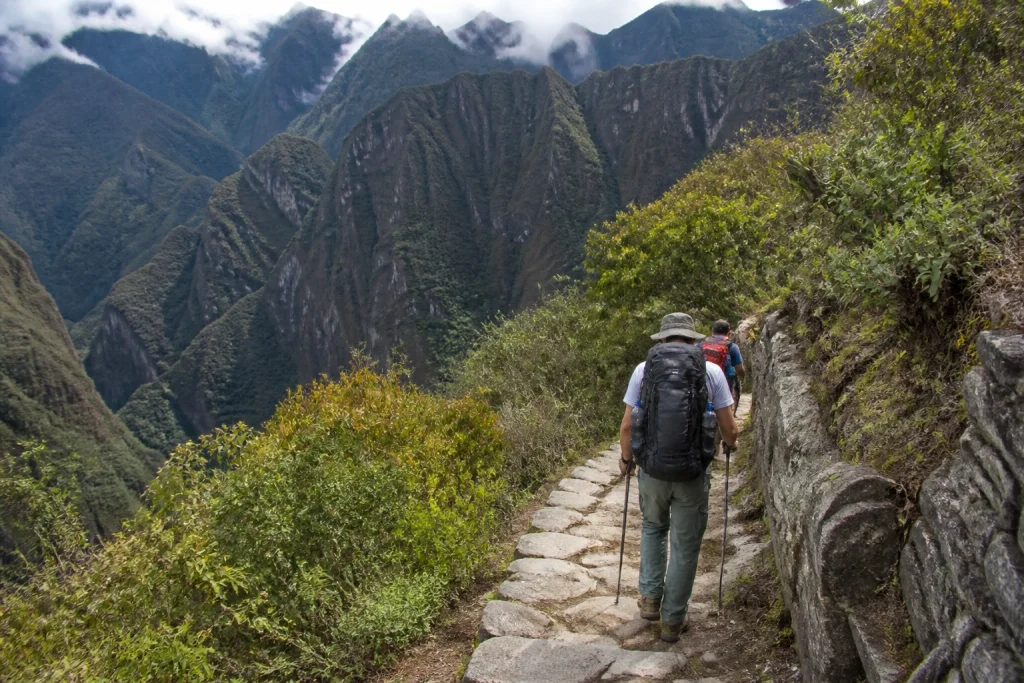
Ollantaytambo is a practical place to finish when the confirmed rail itinerary departs there. Our comparison of PeruRail and Inca Rail routes to Machu Picchu can help organize that decision, but the operator's current schedule remains decisive. Build a sensible buffer between the tour and departure instead of treating the road estimate as a guaranteed arrival time.
The Inca Trail network has stricter requirements than an ordinary Sacred Valley day tour. SERNANP states that visitors to the Historic Sanctuary of Machupicchu and its Inca Trail network must use authorized tour operators. That rule should not be presented as a universal requirement for every visit to Pisac, Ollantaytambo, Moray, or Maras.
Maintenance can also interrupt trek plans. The Inca Trail network closed throughout February 2026 for conservation and maintenance, then resumed operations on March 1. That specific announcement does not establish identical dates every year. Travelers considering a February trek should confirm the closure calendar for their own travel year before securing the surrounding itinerary.

Machu Picchu Private Tour with Ticket, Bus from Aguas Calientes
Maximize your time at Machu Picchu with this private guided tour starting directly from Aguas Calientes. Skip the ha...

Natural Inca Hot Springs Day Trip – Soak & Relax in the Andes
The Inca thermal baths of Lares Valley are completely natural water that comes from the Andean mountains. This water...

Ticket Machu Picchu with Private Guide
Unlike standard tickets, this option includes a private licensed guide who will accompany you inside Machu Picchu. Y...
Pack for movement, changing weather, and uneven ground
Pack for the most active part of the itinerary, not the vehicle ride. Footwear should suit uneven archaeological ground, while clothing should adapt to changing outdoor conditions. Keep valuables and essential travel documents in a small bag that remains with you. Larger luggage needs advance planning if the tour finishes at a hotel or rail connection.
- Supportive walking shoes with reliable grip
- A light waterproof outer layer during the rainy period
- Sun protection and a refillable water bottle
- A small day bag for documents and personal essentials
- Any personal medication needed during a long touring day
- A protected copy of rail or trek confirmations when continuing onward
Use a precise booking checklist
The strongest booking questions focus on the day's structure. Ask for the stop order, approximate time at the main locations, walking expectations, transport type, and final drop-off. Then compare those answers with the group's abilities and onward plans. A detailed route is more useful than a long list of promised highlights.
- Confirm the pickup location and the true end point of the tour.
- Review the route in order and note how long the group spends at key stops.
- Check the vehicle type, group size, guide language, and luggage capacity.
- Separate included admission and meals from costs paid during the day.
- Compare the walking, elevation, and terrain with the group's abilities.
- Read the cancellation and weather policy before paying.
- Verify live rail or trek details independently when continuing to Machu Picchu.
Machu Picchu Official Entrance Ticket
This ticket is your gateway to the complete Machu Picchu experience. Not only will you step into the legendary Inca Citadel, one of the New Seven Wond...
A good Sacred Valley itinerary feels connected. Each stop should support the route, the group's energy, or the next stage of the journey.

Check current conditions close to departure
Current UK travel advice highlights restrictions in parts of Loreto near the Colombian border and in the VRAEM region, not the Sacred Valley. That is not a blanket safety clearance for any itinerary. Demonstrations, road disruptions, weather, and transport operations can change, so review your own government's Peru advice and local operator updates shortly before departure.
Keep the day flexible enough to absorb a delayed pickup or changed road condition. Avoid placing an important train or other nonrefundable connection immediately after an ambitious circuit. Your booking confirmation should provide the final meeting point and departure time, while the live rail or trek schedule controls the onward stage.
Choose a tour that serves the whole journey
Sacred Valley adventure tours work best when route, exertion, and onward travel fit together. First-time visitors often benefit from a selective vehicle-based circuit, while private transport suits groups needing a slower pace or an Ollantaytambo finish. Experienced hikers can pursue higher trails, but those trips demand separate altitude, permit, and operator planning.
The main limitation is distance. Trying to include every famous stop can weaken the experience and complicate connections. Choose the places that matter, verify what the price covers, and protect enough time for the valley itself. A well-shaped route offers more adventure than a crowded checklist.
Frequently asked questions
What type of Sacred Valley adventure tour is best for a first visit?
A selective vehicle-based archaeological tour is the most adaptable choice for many first-time visitors. It can connect important valley stops without imposing the elevation and physical demands of a high-altitude trek. Compare the number of stops, walking expectations, and final drop-off before booking.
Can a Sacred Valley tour finish in Ollantaytambo for a Machu Picchu train?
Yes, a private point-to-point route can finish in Ollantaytambo and support an onward rail journey. Confirm the live train schedule, departure station, luggage rules, and check-in time before fixing the tour. Leave a buffer because road estimates are not guaranteed arrival times.
When is the best time for outdoor tours in the Sacred Valley?
May through October is commonly considered the drier period, while November through March is the rainy period around Machu Picchu. August is drier but also busier, so accommodation, guides, rail travel, and trekking arrangements deserve early planning.
Do all Sacred Valley tours require an authorized operator?
No, the authorized-operator requirement should not be generalized to every Sacred Valley attraction. SERNANP requires authorized tour operators for visits involving the Historic Sanctuary of Machupicchu and its Inca Trail network. Ordinary visits to Pisac, Ollantaytambo, Moray, or Maras are a separate planning category.
How much does a Sacred Valley adventure tour cost?
Prices vary by route, transport, group size, guide service, and included admission. Compare the complete cost rather than the headline tour fee, and check whether archaeological tickets, separate Maras admission, meals, and hotel or station drop-off are included.
Are Sacred Valley tours accessible to travelers with limited mobility?
Accessibility varies by site, vehicle, hotel, and itinerary. Travelers who use wheelchairs or need assistance should obtain specific details about steps, uneven ground, vehicle access, restrooms, and available support before booking. A shorter vehicle-based itinerary can reduce exertion but does not guarantee step-free access.
Is the Inca Trail closed every February?
Travelers should confirm the closure calendar for their specific year. The network closed throughout February 2026 for conservation and maintenance and reopened on March 1, but that announcement does not prove that every year will have identical dates.
Is private transport better than shared transport in the Sacred Valley?
Private transport is better when flexibility, luggage handling, and a specific finish point matter most. Shared transport is generally cheaper but gives travelers less control over timing and stops. The best value depends on group size, route complexity, and onward connections.

Machu Picchu Private Archaeological and Historical Guided Tour
Explore Machu Picchu, one of the Seven Wonders of the World, in the company of a private guide. Enjoy the undivided attention of your professional tou...