Pumamarca Ruins Guide
Plan a practical visit to Pumamarca Ruins from Ollantaytambo, including road access, altitude, admission checks, accessibility considerations, and how to fit this high-valley archaeological stop into a Sacred Valley itinerary.
 Visit Sacred Valley
August 16, 2026
Visit Sacred Valley
August 16, 2026

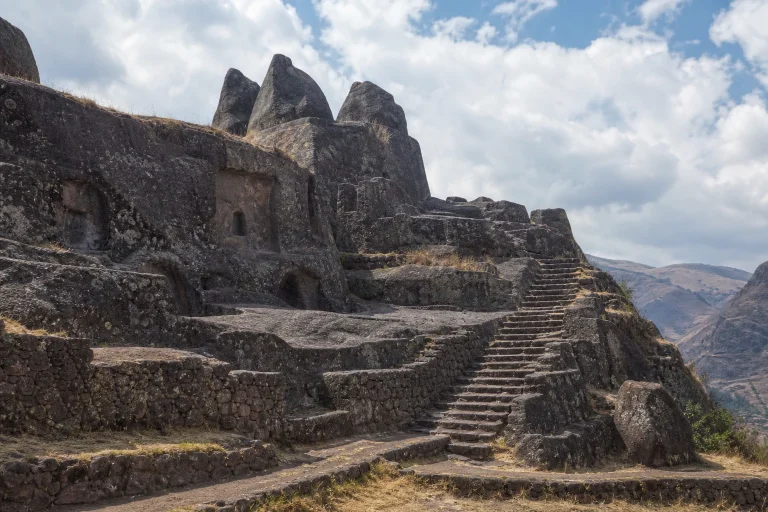
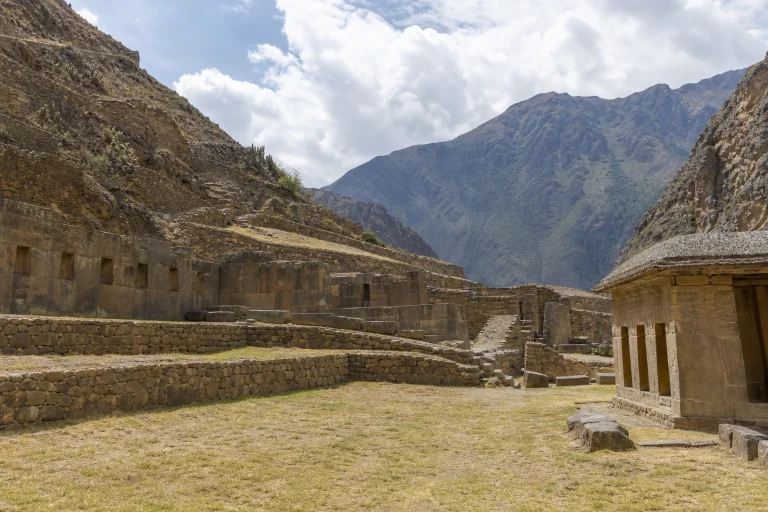
Pumamarca Ruins is a high-country archaeological stop above Ollantaytambo, suited to travelers who enjoy arranging a small adventure beyond the Sacred Valley’s simplest sightseeing routes. The site lies near the meeting point of the Patacancha and Yuracmayo rivers, roughly 6 km northeast of town and at about 3,427 m (11,243 ft). Getting there requires a flexible plan, a vehicle arrangement, and respect for the altitude.
- Use Ollantaytambo as your base. Pumamarca is reached from town rather than functioning as a routine public-transport stop.
- The official access estimate is 5 km and about 30 minutes by private vehicle on an unpaved vehicle track.
- At roughly 3,427 m (11,243 ft), bring water, protect yourself from the strong sun, and allow a gentler pace.
- Confirm the day’s road condition, operating status, admission arrangement, and return transport before setting out.
- Build extra time into any Ollantaytambo itinerary, as traffic through the wider archaeological circuit has affected access around town.
Choose Pumamarca when you have room in the day and want the Patacancha-valley landscape to be part of the experience. Its appeal lies in that elevated, strategic setting and the feeling of heading beyond the town’s immediate sights. It is a poor fit for a rushed transfer day, a fixed onward departure, or an itinerary that leaves no margin for road conditions and local arrangements.

From Urubamba & Ollantaytambo: Sacred Valley Day tour with Lunch
Explore the best and most unique sites in the Sacred Valley on a private tour. Visit the impressive ruins of Ollantaytambo, an ancient Inca fortress...

Sacred Valley Tour: Pisac, Maras, Chinchero & Ollantaytambo
Explore the best of Peru’s Sacred Valley on a private full-day tour designed for a personalized and comfortable experience. With your own expert loc...
Pumamarca’s setting above Ollantaytambo
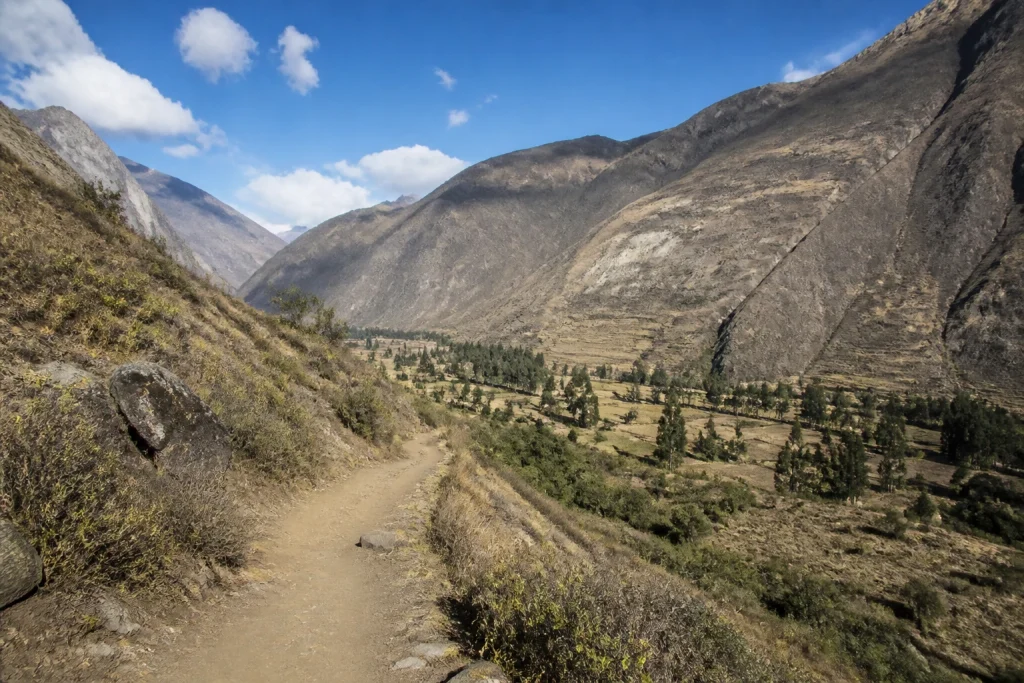
Pumamarca sits in the upper landscape northeast of Ollantaytambo, close to the confluence of the Patacancha and Yuracmayo rivers. At 3,427 m, it is higher than many visitors expect when they first see it marked near the Sacred Valley. The elevation, valley location, and vehicle approach give the visit a more self-contained feel than a quick stop in town.
The approach is central to the plan. Travelers who value a less straightforward archaeological outing and a distinct high-valley setting will get more from Pumamarca than visitors seeking a tightly scheduled, low-effort stop. Plan the visit around its access needs first, then let the rest of the day remain flexible.
| Planning point | What to use for your plan |
|---|---|
| Base | Ollantaytambo |
| Location | About 6 km northeast of Ollantaytambo, near the Patacancha and Yuracmayo rivers |
| Elevation | About 3,427 m (11,243 ft) |
| Road estimate | About 5 km and 30 minutes by private vehicle on a rough vehicle track |
| Details to confirm | Road condition, admission arrangement, operating status, accessibility, and return transport |
How to reach Pumamarca from Ollantaytambo
The practical starting point is Ollantaytambo. Peru’s tourism inventory records the route to Pumamarca as about 5 km, taking roughly 30 minutes by private vehicle along an unpaved vehicle track. Arrange transport directly from town and do not build your plan around the expectation of a standard public bus connection to the site.
Road improvements have been underway, but the published 2025 project update does not establish the current surface or a new travel time. Confirm the route condition with the driver or local provider when arranging the trip. Until then, the 30-minute official estimate is the sensible baseline for the drive itself, with extra margin for real-world conditions.
- Arrange a private vehicle from Ollantaytambo with a driver who knows the Pumamarca route.
- Confirm the road condition and estimated journey time on the day you intend to go.
- Agree on a return plan before departure, including whether the driver will wait or collect you later.
- Leave a time buffer for moving through Ollantaytambo, where congestion has affected access across the wider archaeological circuit.
- Avoid placing Pumamarca immediately before a fixed onward departure, especially if you are connecting with one of the Sacred Valley trains to Machu Picchu.
Traffic through Ollantaytambo deserves a little patience in any itinerary. Regional tourism authorities reported congestion affecting access to major archaeological parks in the wider Circuit III area during July 2026. That notice did not identify Pumamarca as a closure or delay point, yet it is a good reason to leave contingency time for travel through town.
Prepare for the altitude and outdoor conditions
At roughly 3,427 m, Pumamarca calls for an unhurried pace, particularly if you have only recently arrived in the Cusco region. Drink water regularly, pause when needed, and keep the outing simple if the elevation is taking energy out of you. Strong Andean sun can be intense even when the air feels cool, so sun protection belongs in the plan.

- Water and a few easy snacks for the time away from town
- Sunscreen, sunglasses, and a hat
- Layers for changing highland temperatures
- Shoes with dependable grip for an archaeological outing reached by a rough vehicle track
- A charged phone and the transport details for your return to Ollantaytambo
The most useful attitude is steady rather than ambitious. Leave yourself enough energy to enjoy the setting and enough time to return without turning the drive into a deadline. Pumamarca rewards a measured visit far more than a frantic box-ticking stop.

Ticket Machu Picchu with Private Guide
Unlike standard tickets, this option includes a private licensed guide who will accompany you inside Machu Picchu. Y...

Machu Picchu Guided Tour from Aguas Calientes
The Incan site of Machu Picchu is a UNESCO World Heritage Site. It is one of the most famous places in the world. It...
Machu Picchu Entrance Ticket
This experience gives you something most travelers can’t find: peace of mind. Whether you plan ahead or need a sol...
Admission, opening details, and accessibility
Treat admission as a day-of-trip planning item. Published Cusco Tourist Ticket information identifies Ollantaytambo among ticketed archaeological sites, but it does not clearly identify Pumamarca. Do not assume that Pumamarca is included in that ticket or rely on a published entrance price. Confirm the current entry arrangement and payment expectations before committing to transport.
Verify Pumamarca’s operating status and any last-entry details before leaving Ollantaytambo. A precise public timetable should not be the foundation of your day, so complete that check before you are on the access road. This one step also helps prevent a wasted vehicle trip if conditions or local operations have changed.
Do not expect confirmed step-free access or reduced-mobility infrastructure. The documented approach is a rough vehicle track, and proposed pedestrian-access and accessibility improvements were described as future work in the 2025 road-project announcement. Travelers with mobility limitations should obtain current access details from local tourism or culture authorities, or from the provider handling transport, before committing to the outing.
How to fit Pumamarca into a Sacred Valley itinerary
Give Pumamarca a flexible block in your Ollantaytambo stay rather than treating it as a narrow gap between reservations. Confirm entry and road conditions first, arrange the vehicle, and keep the rest of the schedule light enough to absorb a slower return. The destination works best when the journey and the elevated setting are allowed to set the rhythm.
- Before departure: confirm road conditions, access arrangements, and the return-transport plan.
- During the visit: pace yourself for the altitude, carry sun protection and water, and avoid rushing the experience.
- After returning: leave time for Ollantaytambo’s stone streets and living Inca-town character instead of scheduling another fixed commitment immediately.
For a first visit to the Sacred Valley, Pumamarca is best chosen after the major pieces of the itinerary are secure. A broader first-time visitor guide to the Sacred Valley’s best things to do can help place this more remote stop alongside easier-to-plan options. Pumamarca then becomes a purposeful addition for travelers with a spare, flexible day in Ollantaytambo.
Is Pumamarca worth the extra planning?
Pumamarca is worthwhile for travelers who are comfortable arranging private transport and want an archaeological visit shaped by a higher Patacancha-valley setting. The tradeoff is clear: access, admission details, and accessibility require more advance checking than at the Sacred Valley’s more straightforward sights. Go with a flexible schedule and the visit can add satisfying depth to an Ollantaytambo stay.
- Choose Pumamarca if you are already based in Ollantaytambo, have a private vehicle arrangement, and can keep the day flexible.
- Choose another archaeological stop if you need fixed opening information, simple public access, or confirmed reduced-mobility facilities.
- Confirm the practical essentials before departure: road status, operating status, admission arrangement, and your ride back to town.
The practical call for visiting Pumamarca
Pumamarca Ruins suits curious, independent travelers who can trade a little convenience for a distinct high-valley archaeological outing above Ollantaytambo. Base yourself in town, arrange a private vehicle, take the altitude seriously, and confirm access details before you leave. With those pieces in place, Pumamarca can be a memorable Sacred Valley detour rather than a stressful logistical gamble.
Frequently asked questions
Where are the Pumamarca Ruins?
Pumamarca is about 6 km northeast of Ollantaytambo, near the confluence of the Patacancha and Yuracmayo rivers. The archaeological site sits at roughly 3,427 m (11,243 ft), so it is a higher-altitude outing even for travelers already exploring the Sacred Valley.
How do you get to Pumamarca from Ollantaytambo?
Plan on private vehicle transport from Ollantaytambo. The official tourism inventory records a roughly 5 km approach of about 30 minutes on an unpaved vehicle track; confirm the current road condition and return arrangement locally before departure.
How much time should I allow for Pumamarca?
Allow a flexible portion of the day rather than scheduling Pumamarca as a rushed stop. The road approach alone is estimated at about 30 minutes each way by private vehicle, and traffic through Ollantaytambo can add delay.
Are Pumamarca Ruins included in the Cusco Tourist Ticket?
Do not assume that Pumamarca is included in the Cusco Tourist Ticket. Published ticket information identifies Ollantaytambo among ticketed archaeological sites but does not clearly name Pumamarca, so confirm entry eligibility, price, and payment arrangements before going.
Is Pumamarca accessible for travelers with mobility limitations?
Accessibility arrangements should be confirmed before making plans. The documented access includes a rough vehicle track, while road-project information described pedestrian and accessibility improvements as future work rather than established facilities.
From Urubamba & Ollantaytambo: Sacred Valley Day tour with Lunch
Explore the best and most unique sites in the Sacred Valley on a private tour. Visit the impressive ruins of Ollantaytambo, an ancient Inca fortress...
Sacred Valley Tour: Pisac, Maras, Chinchero & Ollantaytambo
Explore the best of Peru’s Sacred Valley on a private full-day tour designed for a personalized and comfortable ex...

Machu Picchu Private Tour from Aguas Calientes (Tickets included)
Discover Machu Picchu at your own pace with our exclusive Private Guided Tour from Aguas Calientes. Perfect for inde...

Machu Picchu Shuttle Bus Round-Trip Tickets from Aguas CalienteS
Travel worry-free aboard the official CONSETTUR shuttle bus, the only authorized transportation between Aguas Calien...