Yucay Travel Guide
Plan a slower Sacred Valley stop in Yucay, Peru, with practical advice on its Inca terraces, access from Urubamba, altitude, transport, and onward travel.
 Visit Sacred Valley
October 3, 2026
Visit Sacred Valley
October 3, 2026
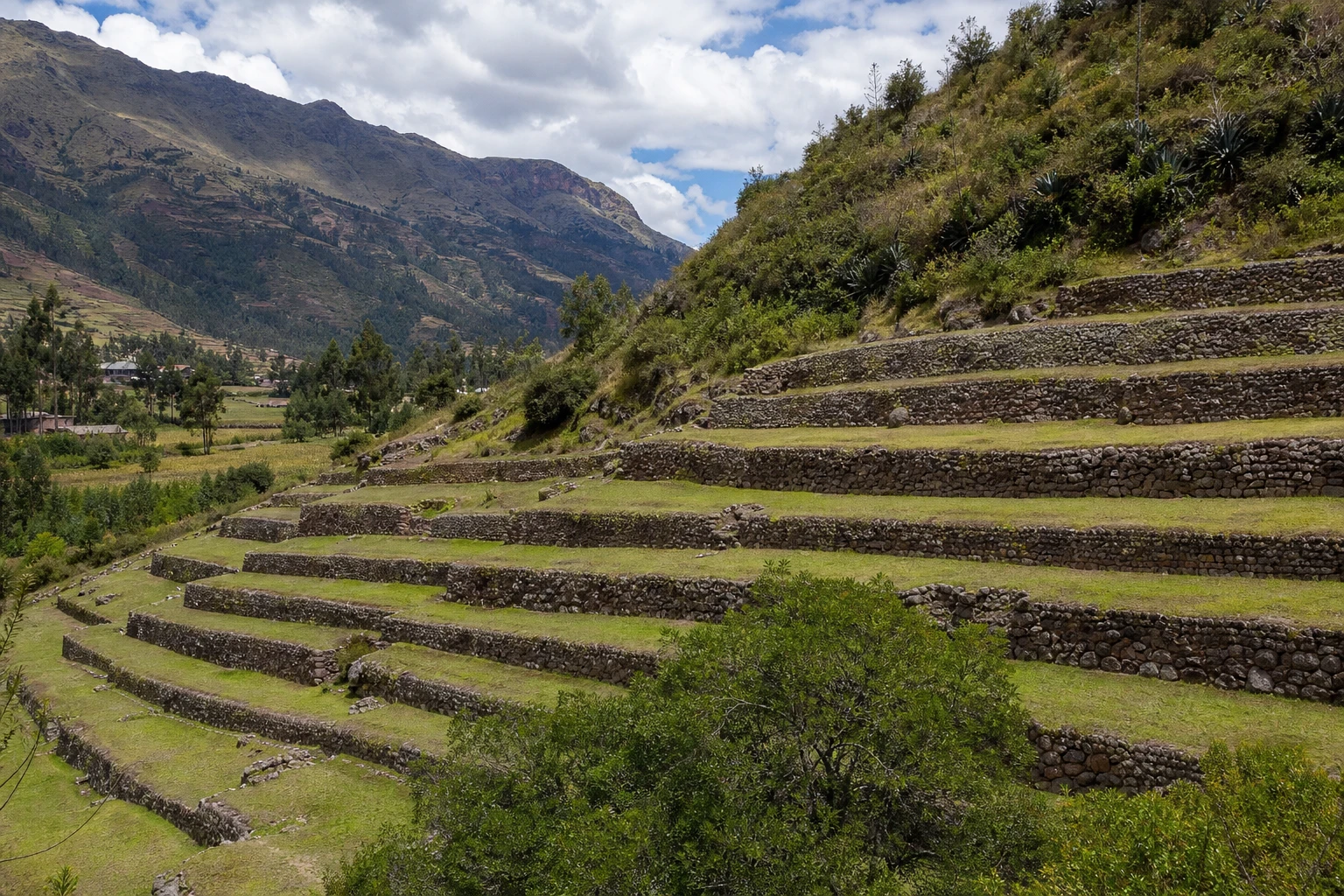
Yucay is a low-key stop in Peru’s Sacred Valley, in Urubamba Province near the better-served town of Urubamba. Its archaeological zone sits at 2,857 m and preserves Inca agricultural terraces, hydraulic channels, retaining walls, and ceremonial structures. Choose Yucay for a slower look at the valley’s built landscape, with enough time to walk rather than rush between headline sites.
What makes Yucay worth adding to a Sacred Valley itinerary
Yucay works as a short cultural stop or a calm overnight base. It has a more local, less conventional feel than the main Sacred Valley hubs, while nearby Urubamba offers a broader range of visitor facilities. Plan roughly half a day for Yucay’s core sights, or stay overnight if terraces, trails, and cultural activities are part of a more unhurried schedule.

The Best Private Sacred Valley Tour in Cusco ( with Pisac)
We know very well each place of this tour, since we have been grown in this area and we studied over 3 years to get a guide license. as well, our vehi...

From Urubamba & Ollantaytambo: Sacred Valley Day tour with Lunch
Explore the best and most unique sites in the Sacred Valley on a private tour. Visit the impressive ruins of Ollanta...

Machu Picchu Private Tour from Aguas Calientes (Tickets included)
Discover Machu Picchu at your own pace with our exclusive Private Guided Tour from Aguas Calientes. Perfect for inde...

Machu Picchu 2Day Tour by Train from Cusco with Overnight Stay
Our tour guides at Machu Picchu are incredibly passionate about storytelling and are committed to creating unforgett...
- The Zona Arqueológica Yucay is at 2,857 m, so take altitude seriously even though it is lower than Cusco.
- The recorded approach to the archaeological zone begins 3.1 km from Urubamba, followed by a 900 m trail walk.
- Yucay suits travelers seeking a low-key base; use Urubamba or Ollantaytambo when broader services or simpler onward logistics matter more.
- Road travel from Cusco takes about 1 hour 30 minutes in normal planning, so leave buffer time rather than treating it as a quick transfer.
- Use daytime transfers where possible, and check road or rail conditions close to departure during unsettled weather.
See the Inca terraces and waterworks at Zona Arqueológica Yucay
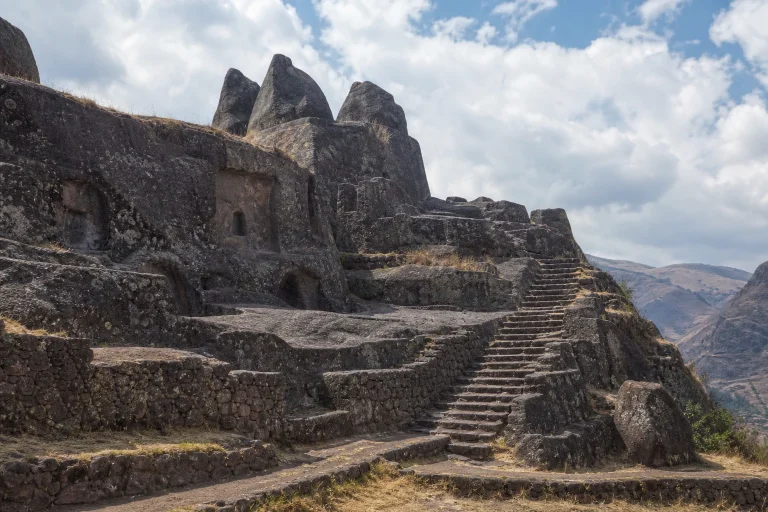
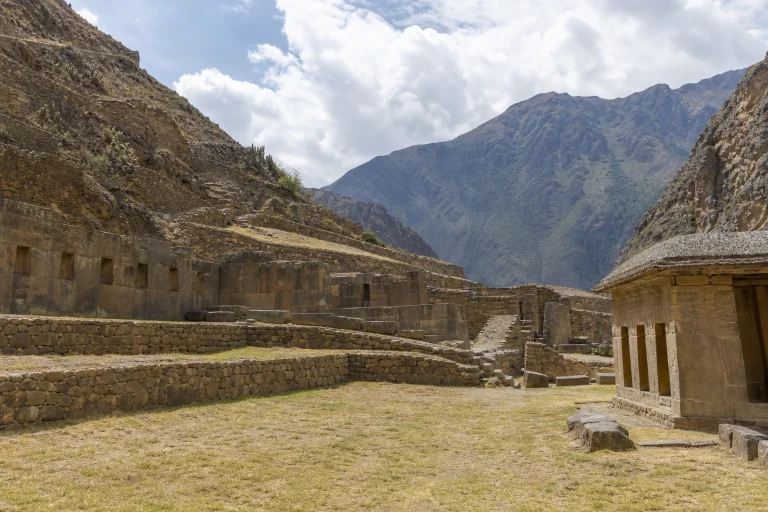
The archaeological zone is the clearest reason to make time for Yucay. Its Inca terraces, channels, retaining walls, and ceremonial structures bring cultivation, water management, and ritual architecture into one hillside setting. Give the place time: the appeal lies in reading how the structures relate to the slope and to one another, not in ticking off a long list of monuments.
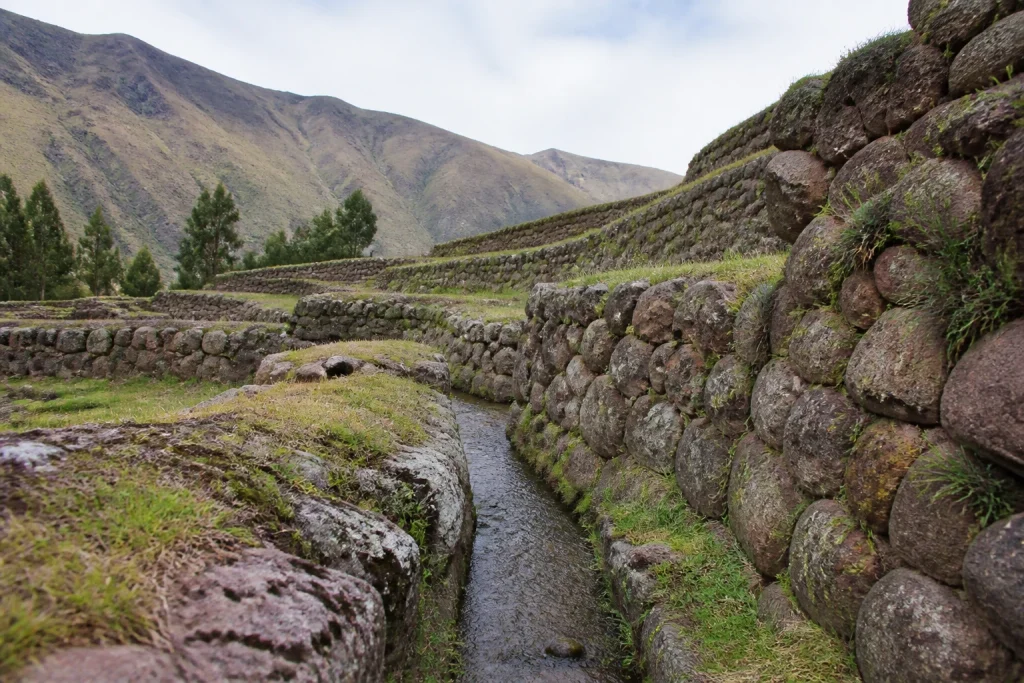
The official access description records a paved minibus approach of 3.1 km from Urubamba, taking roughly seven minutes, then a 900 m trail walk of around 15 minutes from Palacio de Sayri Túpac. The final walk is part of the visit, so wear reliable walking shoes and allow more time if altitude affects your pace.
This is not a step-free outing. Travelers with limited walking tolerance, wheelchair users, or anyone still adapting to elevation should confirm current trail surfaces and local assistance options before building the archaeological zone into a fixed plan. Confirm the day’s entry procedure and access conditions before setting out, especially when the itinerary has little room for adjustment.
How long to allow in Yucay
A half-day is a sensible planning allowance for Yucay’s core sights. An overnight has more value for travelers who want to add terraces, trails, or cultural activities without turning the stop into a hurried detour. Keep the schedule flexible enough to account for the walk to the archaeological zone, transport connections, and your response to the altitude.
Choose Yucay, Urubamba, or Ollantaytambo based on your travel style
Yucay is most appealing when a low-key overnight and local walking time are more important than having the valley’s widest range of services on the doorstep. Its location near Urubamba makes it practical for travelers who want a quieter base without cutting themselves off from a larger town. The trade-off is that more complex logistics require a little more advance thought.
For a wider comparison, Where to Stay in the Sacred Valley: Lodges, Hotels and Villages helps frame a Yucay stay against fuller-service valley bases. Fold Yucay into a longer route with Best Things To Do In The Sacred Valley if you want to balance its archaeological walk with other regional highlights instead of making it a stand-alone destination.
- Choose Yucay for a slower base, local walks, and time at the archaeological zone.
- Choose Urubamba when a broader range of visitor facilities is the priority.
- Choose Ollantaytambo when straightforward onward logistics are central to the trip.
Getting to Yucay from Cusco and Urubamba
Plan on about 1 hour 30 minutes by road from Cusco to Yucay, with extra time for traffic, weather, and connections. A practical public-transport approach is to travel toward Urubamba, then continue by taxi or shared van. The archaeological zone is only 3.1 km from Urubamba, but the final trail approach still needs to be included in the day’s timing.
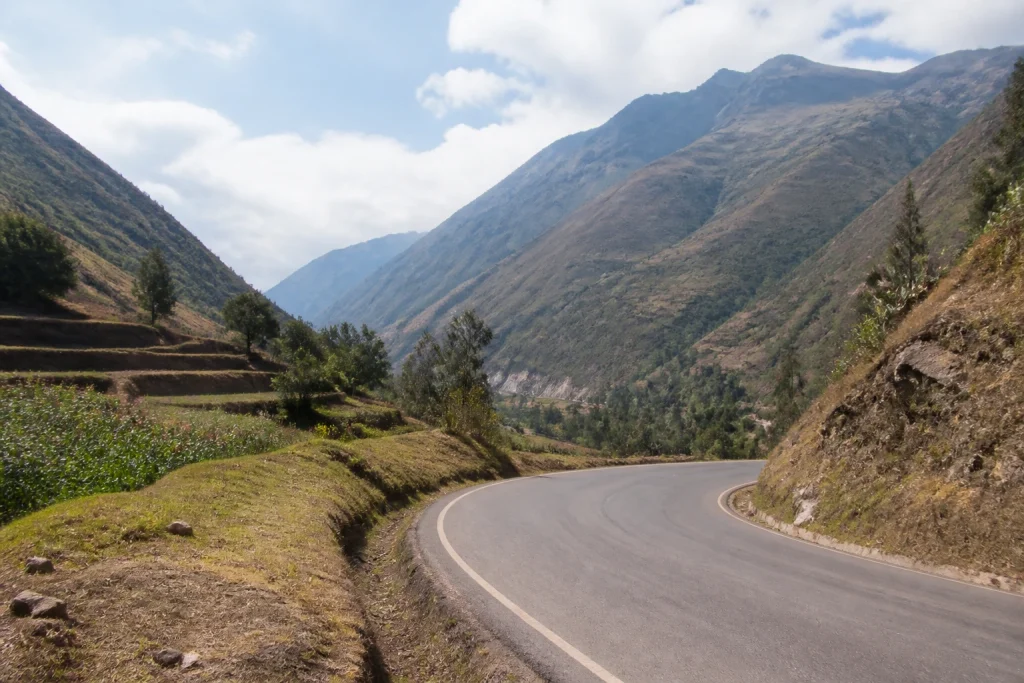
Taxis offer the most direct routing and flexibility around the Sacred Valley. Colectivos and shared vans are the lower-cost, less controlled option, and they commonly leave when full. That makes shared transport a poor match for travelers with an inflexible train, flight, or tour connection later the same day.
| Transport style | Best for | Key planning point |
|---|---|---|
| Taxi or arranged daytime transfer | Direct travel and a flexible departure | Build in a buffer for road conditions and avoid relying on nighttime intercity driving. |
| Colectivo or shared van | Budget-conscious travelers without a rigid schedule | Vehicles leave when full, so timing is less predictable. |
| Transport via Urubamba | Reaching Yucay and the archaeological zone from the nearest service hub | Allow for the final 3.1 km road approach and 900 m trail walk to the zone. |
| Private vehicle | Travelers comfortable managing their own route | Keep plans conservative in poor weather and avoid late intercity driving. |
Do not base a 2026 budget on old online fare estimates. Transport prices vary by vehicle, route, and demand, while entry arrangements can also change. Confirm the current fare with the driver or provider and check site-entry details locally before departure rather than planning around a fixed number.
Handle altitude, weather, and onward connections carefully
At 2,857 m, Yucay is firmly within the high Sacred Valley. Arriving from low elevation calls for a gentler first day: hydrate, keep exertion moderate, and avoid stacking a long transfer with a demanding trail walk. Leave room to slow down if altitude symptoms interrupt the plan.
Heavy rain, snow, rockslides, and mudslides can disrupt roads, rail services, and walking routes in the Cusco region. Check current road and rail status close to departure, particularly when Yucay is part of a Sacred Valley itinerary leading toward Machu Picchu. Avoid a schedule with no recovery time between a valley transfer and a timed connection.
If an onward rail connection is part of the trip, use a comparison of PeruRail, Inca Rail, and Sacred Valley trains to Machu Picchu before locking in the rest of the route. Keep Yucay as the flexible portion of the itinerary, not the stop immediately before an immovable departure.
Still comparing Sightseeing?
Ask for tour ideas, hotel suggestions, or a simple trip plan that combines both.
Trip Helper
A practical way to plan a Yucay stay
- Arrive in daylight and keep the first few hours light if you have just come up from lower elevation.
- Decide early whether flexibility or a fixed departure matters more. A taxi suits a tight plan; a colectivo suits a looser day.
- Confirm current access conditions before heading to Zona Arqueológica Yucay, then allow for its 900 m trail approach.
- Use Urubamba for practical needs when a broader range of visitor facilities would simplify the day.
- Protect any onward rail or flight connection with generous buffer time, particularly when weather is unsettled.
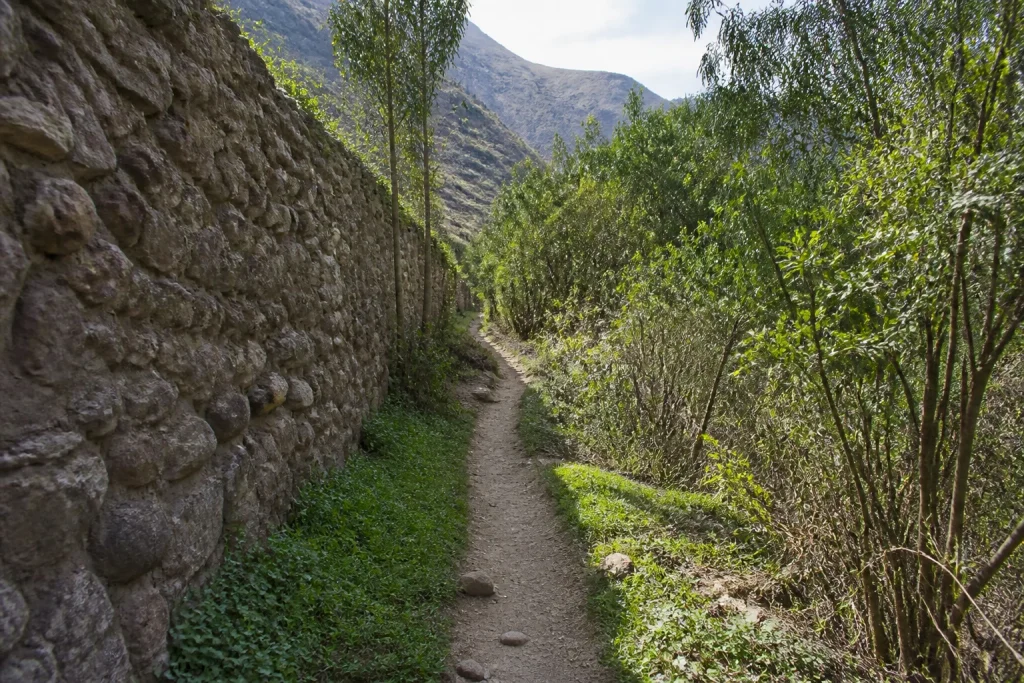
What to bring for the archaeological walk
Pack for a short but uneven archaeological outing rather than an urban stroll. Secure walking shoes, drinking water, weather protection, and the details of your onward transport are useful basics. Keep luggage light if you are transferring onward, since the visit includes a 900 m trail section and altitude can make an ordinary walk feel more demanding.
Is Yucay the right Sacred Valley base for you?
Yucay is a worthwhile choice for travelers who value Inca agricultural landscapes, a measured pace, and time away from the valley’s busier hubs. Its main limitation is practical: it has fewer visitor services and less straightforward onward logistics than Urubamba or Ollantaytambo. Plan the transfer in daylight, give yourself altitude and weather buffer, and let the archaeological walk set the rhythm of the stop.
Frequently asked questions
Where is Yucay in the Sacred Valley?
Yucay is in Urubamba Province, Cusco, within Peru’s Sacred Valley. The Zona Arqueológica Yucay is listed at 2,857 m and lies close to Urubamba.
Can Yucay be visited in half a day?
Yes, a half-day is a practical allowance for Yucay’s core sights. Stay overnight if you want to add terraces, trails, or cultural activities at a slower pace.
How do you get from Cusco to Yucay?
Road travel from Cusco to Yucay is commonly planned at about 1 hour 30 minutes. Travelers can continue via Urubamba by taxi or shared van, while a direct taxi or arranged transfer gives more control over the timing.
Is Zona Arqueológica Yucay accessible for wheelchair users?
The recorded route is not step-free. It includes a 900 m trail walk after the road approach, so wheelchair users and travelers with limited walking tolerance should confirm current conditions and assistance options locally before relying on the visit.
Is Yucay a good base before traveling onward to Machu Picchu?
Yucay can suit travelers who want a low-key Sacred Valley stop, but Ollantaytambo offers more straightforward onward logistics. Keep generous time between a Yucay transfer and any fixed rail connection, particularly when weather is unsettled.

Machu Picchu Private Archaeological and Historical Guided Tour
Explore Machu Picchu, one of the Seven Wonders of the World, in the company of a private guide. Enjoy the undivided attention of your professional tou...

From the Sacred Valley: Salt Mines & Moray - Private tour
As a company based in the Sacred Valley, we are true specialists in the region, enabling us to provide a more person...

Machu Picchu Guided Tour with Local Expert – 2 or 3 Hour Service
Discover Machu Picchu with a professional local guide who will bring the Inca citadel to life through history, cultu...

Machu Picchu Private Guided Tour (No Ticket)
The guide will be exclusively for you or your group, the tour is along the circuit indicated on your ticket. The gui...