Ollantaytambo Ruins Guide
Plan a visit to Ollantaytambo Ruins with practical details on visiting hours, Cusco Tourist Ticket options, road routes, walking demands, and Machu Picchu train connections.
 Visit Sacred Valley
August 16, 2026
Visit Sacred Valley
August 16, 2026

Ollantaytambo Archaeological Park is a Sacred Valley Inca site with imperial and late-Inka-period structures that formed a military, religious, administrative, and agricultural complex. Built across two mountains, it rewards visitors who allow time to understand the setting rather than treating it as a brief photo stop. Its rail connection also makes it a practical stop for many Machu Picchu itineraries.
The essential planning points are simple: visit within the published daytime window, choose the right Cusco Tourist Ticket for the rest of your itinerary, and protect enough time around any train departure. The site involves substantial walking, so build your plan around your own pace and mobility needs.

Machu Picchu 2Day Tour by Train from Cusco with Overnight Stay
Our tour guides at Machu Picchu are incredibly passionate about storytelling and are committed to creating unforgettable experiences. They excel at un...

Machu Picchu by Train: A Once in a Lifetime Day Trip from Cusco
See Machu Picchu in a day without the stress of organizing it yourself. From your Cusco pickup to the train, shuttle bus, entrance, and expert guided...
- The published visiting window is 7:00 a.m. to 4:30 p.m.; arrive well before closing because no last-admission time is published.
- Ollantaytambo is included in the Cusco Tourist Ticket system, known as the BTC, rather than being presented as a stand-alone ruin ticket.
- The General Tourist Ticket and partial Circuit III ticket serve different itinerary needs, so compare current inclusions before buying.
- A recorded tourist-minibus route reaches Ollantaytambo via Pisac, but its listed times are not a promise for a direct Cusco transfer.
- Ollantaytambo Station is the closest PeruRail stop before Machu Picchu Station, making the ruins a useful rail-day option when timings align.
Why Ollantaytambo deserves more than a quick stop
Ollantaytambo’s appeal lies in the range of purposes gathered in one archaeological complex. The surviving Inca structures belonged to a place that was military, religious, administrative, and agricultural at once. That layered role gives the visit more depth than a single landmark: the setting, built forms, and mountain terrain all belong to the same larger plan.
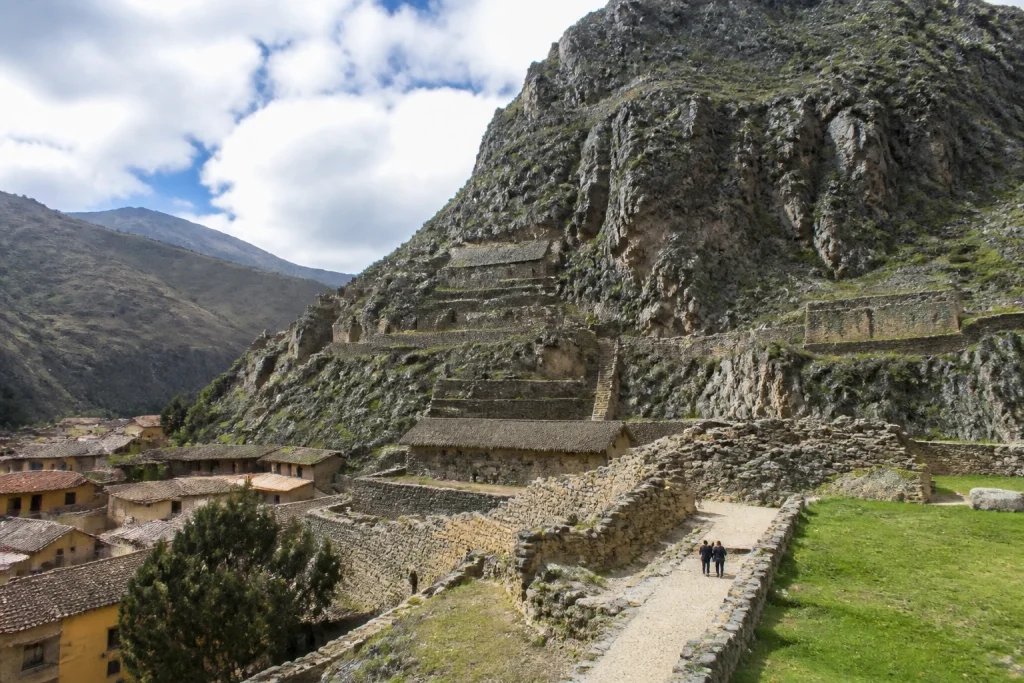
Approach the park as a place to read gradually. Begin by taking in the broad relationship between the built complex and the two mountains, then continue at a pace that leaves room for the walking involved. Travelers who enjoy Inca history and thoughtful landscape visits will get the most from giving this stop a clear block of the day.
Tickets: choose for the rest of your Cusco itinerary
Entry to Ollantaytambo is handled through the Cusco Tourist Ticket, or BTC. The decision is less about finding the cheapest entry and more about matching the ticket to the sites you plan to visit elsewhere in Cusco and the Sacred Valley. A broader ticket can make sense for a multi-site schedule, while the partial Circuit III option can suit a narrower plan.
| Planning approach | Ticket option listed for Ollantaytambo | Reference price | Best used when |
|---|---|---|---|
| Several Cusco and Sacred Valley sites are on the itinerary | General Tourist Ticket | S/130 adult; S/70 student | You want a ticket with broader itinerary potential. |
| Your route fits the relevant partial circuit | Partial Circuit III ticket | S/70 | You want a more focused ticket and its current inclusions match your plans. |
These prices are reference figures from the tourism inventory, not confirmed 2026 rates. Check current BTC prices, eligibility rules, circuit inclusions, and purchase arrangements before committing to your route. That small check matters most when Ollantaytambo is only one part of a larger Sacred Valley itinerary.
Visiting hours and the best way to use them
The currently published visiting window for Parque Arqueológico de Ollantaytambo is 7:00 a.m. to 4:30 p.m. There is no published last-admission time, so arrive comfortably before the closing hour instead of planning a late entry. Starting near opening gives the largest buffer for an unhurried visit and leaves more flexibility for an afternoon train or road transfer.
Before leaving for the site, recheck the operating schedule if your day depends on a fixed train, tour, or onward transfer. Site hours, ticket rules, and rail constraints can change, and a quick update check is far easier than rebuilding a tightly timed day in the valley.
Getting to Ollantaytambo by road via Pisac
For travelers combining several Sacred Valley stops, a recorded tourist-minibus itinerary runs from Cusco to Pisac, then from Pisac to Ollantaytambo. The listed Cusco-to-Pisac leg is 50.4 km and 1 hour 28 minutes, followed by 58 km and 1 hour 31 minutes to the archaeological park. Treat those figures as context for a route via Pisac, not as a guaranteed direct Cusco-to-Ollantaytambo transfer time.
This route works well for travelers who want to divide their day between places rather than race across the valley. A guide to Pisac’s ruins and market can help shape that stop, but leave enough room for Ollantaytambo’s walking terrain and its 4:30 p.m. closing time. Trying to compress every site into one rigid schedule can turn a rewarding visit into a rushed one.

Machu Picchu Guided Tour from Aguas Calientes
The Incan site of Machu Picchu is a UNESCO World Heritage Site. It is one of the most famous places in the world. It...

Explore Machu Picchu Private Guided Tour from Aguas Calientes
Discover the secrets of Machu Picchu with a private tour guide on an unforgettable journey from Aguas Calientes. Sta...

Machu Picchu Circuit 2 Guided Tour
Explore the wonders of Machu Picchu via the official Circuit 2 route, known for its stunning views and historical si...
Using Ollantaytambo as a Machu Picchu train stop
Ollantaytambo Station is PeruRail’s closest stop before Machu Picchu Station. PeruRail lists a scheduled journey of about 1 hour 30 minutes between them, which makes the town a natural place to combine an archaeological visit with a rail journey. Match the ruins visit to your actual train departure rather than relying on the typical rail duration alone.
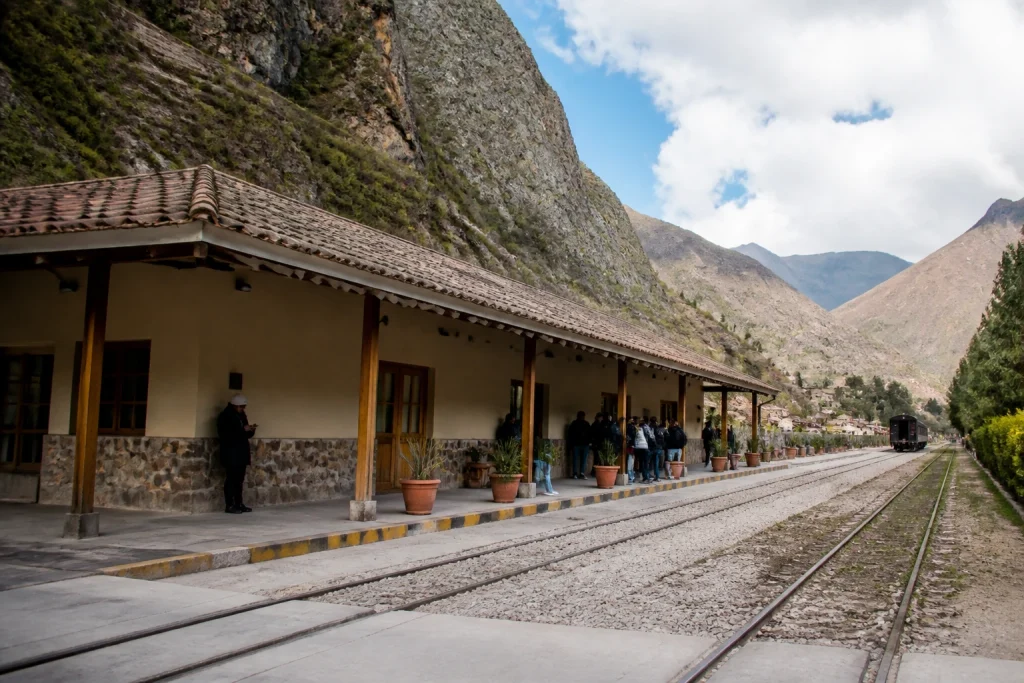
PeruRail lists Ollantaytambo Station hours of 4:15 a.m. to 9:00 p.m. and allows extra-luggage payments at the station. Train-specific check-in instructions and baggage allowances still govern your trip, so check those details with your operator before travel. For a dedicated look at PeruRail or Inca Rail trains to Machu Picchu, the site’s train comparison is a useful next planning read.
Build the ruins visit around your departure time
- For a later train, use the 7:00 a.m. opening to give the archaeological park the widest possible time buffer.
- For an early train, visit the ruins on another day or after your rail journey if the 7:00 a.m. to 4:30 p.m. site window permits.
- Allow for the active walking nature of the complex when deciding how much time to reserve.
- Keep your ticket, site visit, station arrival, baggage plan, and train check-in instructions aligned before setting off.
Ollantaytambo works best when the archaeological park and train station are treated as two separate commitments in the same town. The ruins have a firm published closing time, while a train has its own check-in and baggage requirements. A little space between the two creates a much calmer day than trying to fit the park into the final minutes before departure.
Walking demands and accessibility planning
Plan Ollantaytambo as an active walking visit. The complex is built on two mountains, and walking and trekking are listed among the on-site activities. The published material does not establish wheelchair routes, step-free access, surface conditions, accessible toilets, seating, or assistance arrangements, so do not assume that a particular accessibility feature will be available.

- Choose supportive footwear suitable for sustained walking.
- Carry water and take the site at a pace that works for you.
- Build extra time into the plan if steep terrain or uneven ground is difficult for your group.
- Travelers who need specific mobility arrangements should confirm routes, surfaces, toilets, seating, and assistance directly with the site authority before visiting.
Pair the ruins with the town, not just the train station
A visit to the archaeological park explains Ollantaytambo’s role in the wider Inca landscape, while a guide to Ollantaytambo’s stone streets and town life adds another perspective to the stop. Give the ruins their own time block first, then use the rest of your schedule according to your train plans or road route. That balance keeps the archaeological visit from becoming a rushed add-on.
Is Ollantaytambo Ruins worth visiting?
Ollantaytambo is especially worthwhile for travelers who want to understand an Inca complex with military, religious, administrative, and agricultural dimensions, or who need a meaningful Sacred Valley stop near the Machu Picchu rail route. Its main limitation is practical: the mountain setting requires walking, and the site closes at 4:30 p.m. Choose the BTC option that fits your itinerary, start early when possible, and coordinate the visit carefully with any train.
Frequently asked questions
What are the Ollantaytambo Ruins opening hours?
The published visiting window is 7:00 a.m. to 4:30 p.m. Arrive well before 4:30 p.m., since no last-admission time is published, and recheck the schedule close to your visit if your plans are tightly timed.
Do I need a ticket for Ollantaytambo Ruins?
Yes, plan to use the Cusco Tourist Ticket, or BTC, because Ollantaytambo is included in that system. Compare the current General Tourist Ticket and partial Circuit III rules before buying, especially if you are visiting other Cusco or Sacred Valley sites.
How much does the Ollantaytambo ticket cost?
Reference figures list the General Tourist Ticket at S/130 for adults and S/70 for students, while the partial Circuit III ticket is listed at S/70. These are not confirmed 2026 prices, so check the current BTC tariff and inclusions before purchase.
Can I visit Ollantaytambo before taking the train to Machu Picchu?
Yes, Ollantaytambo Station is PeruRail’s closest stop before Machu Picchu Station, and the scheduled rail journey is about 1 hour 30 minutes. Visit the ruins only if you can preserve enough time for your operator’s check-in, baggage, and departure requirements.
Is Ollantaytambo wheelchair accessible?
Do not assume wheelchair or step-free access. The site is built on two mountains and involves walking, while specific information on accessible routes, surfaces, toilets, seating, and assistance should be confirmed directly with the site authority before your visit.

Sacred Valley Tour: Pisac, Maras, Chinchero & Ollantaytambo
Explore the best of Peru’s Sacred Valley on a private full-day tour designed for a personalized and comfortable experience. With your own expert loc...

From Urubamba & Ollantaytambo: Sacred Valley Day tour with Lunch
Explore the best and most unique sites in the Sacred Valley on a private tour. Visit the impressive ruins of Ollanta...

The Best Private Sacred Valley Tour in Cusco ( with Pisac)
We know very well each place of this tour, since we have been grown in this area and we studied over 3 years to get...

Machu Picchu Private Tour from Aguas Calientes (Tickets included)
Discover Machu Picchu at your own pace with our exclusive Private Guided Tour from Aguas Calientes. Perfect for inde...