You arrive in Montréal expecting Europe with maple syrup. You leave realising it’s something else entirely — a North American city that sings in two languages, eats late, dresses well in winter, and treats food the way other cities treat religion.
First-time visits work best when you stop trying to see everything. Montreal rewards walking, sitting, eating, and walking again. Below is the version of a first trip that actually feels like Montreal, not a checklist.
1. Start in Old Montreal at golden hour
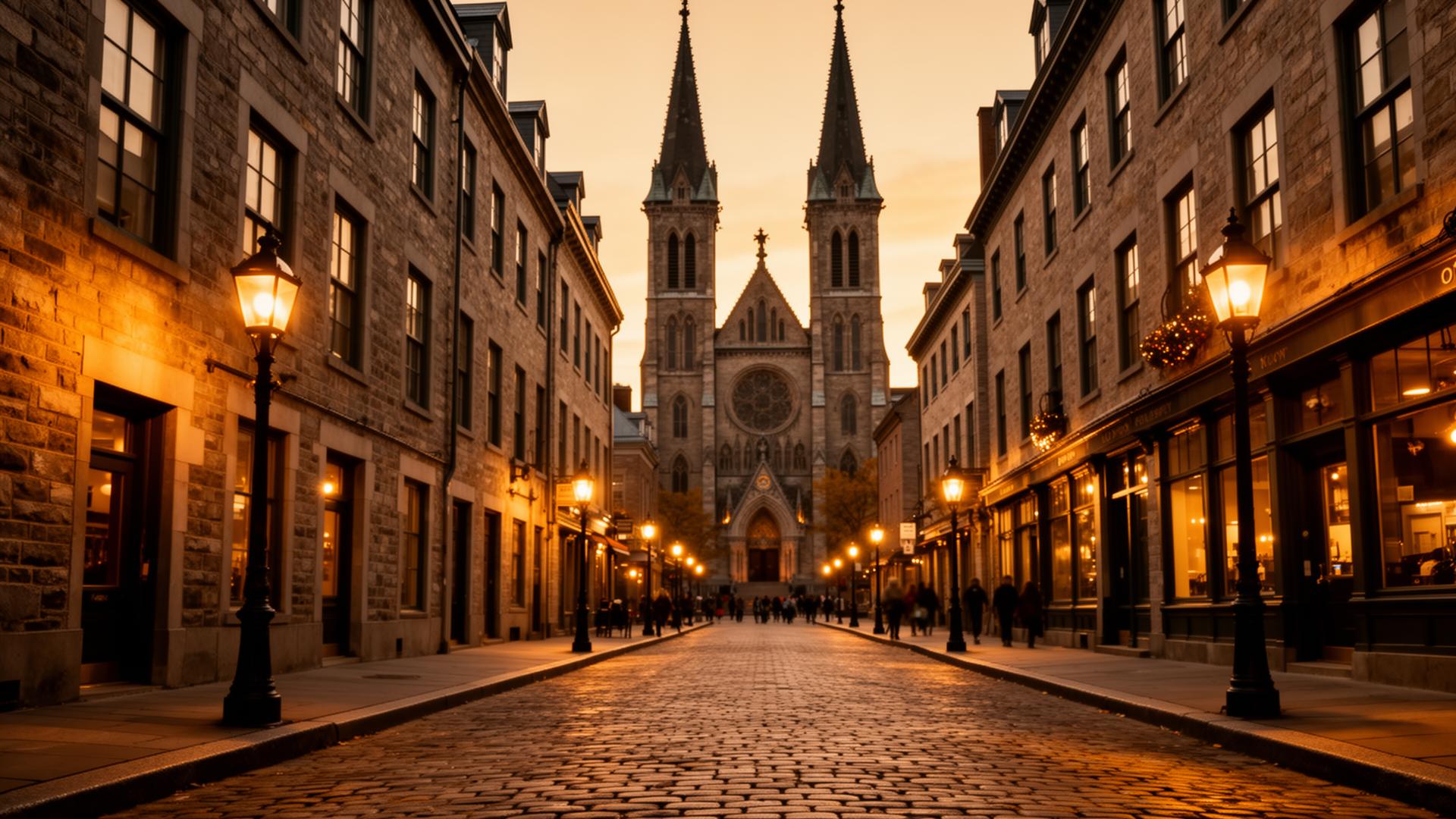
Vieux-Montréal looks postcard-pretty in midday and quietly cinematic at dusk. Skip the horse-drawn carriages and walk Rue Saint-Paul slowly. The cobblestones under good leather boots, warm windows from old stone buildings, the smell of woodsmoke from a restaurant chimney — that’s the version you came for.
Begin around Place Jacques-Cartier, drift toward Notre-Dame Basilica, and end with a drink on a small terrasse. The Old Port is two blocks south when you want river light.
What to actually see
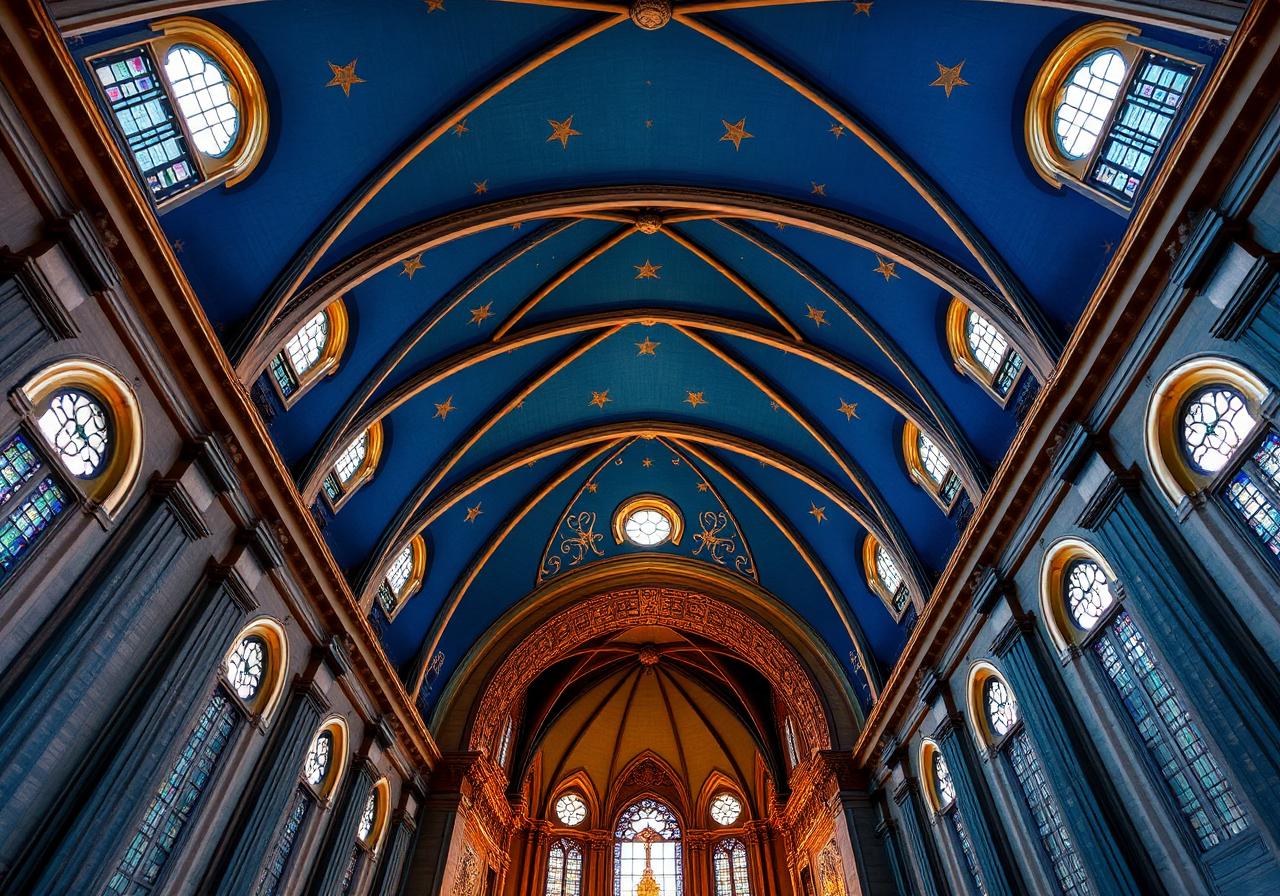
- Notre-Dame Basilica— the deep blue ceiling alone is worth the ticket.
- Place d’Armes— sit, look up at the bank towers, watch the city work.
- Pointe-à-Callière— Montreal’s archaeology museum, built over the city’s actual founding site.
2. Climb Mount Royal for the skyline
Locals call it "la montagne" even though it’s technically a hill. Take the Olmsted path from Avenue du Parc — it’s a slow, gentle climb through trees that opens onto Kondiaronk Belvedere and one of the best free views on the continent.
In autumn the maples turn the path orange. In winter, bring proper boots and stay for the city lights. There’s no bad time, just bad shoes.
3. Eat your way through the Plateau and Mile End
The Plateau-Mont-Royal and Mile End are the neighbourhoods most visitors fall hardest for. Spiral staircases curl off every facade, murals cover entire walls, and bagels come out of wood ovens around the clock at Saint-Viateurand Fairmount. Pick a side, fight politely.
A loose afternoon plan
- Coffee on Avenue du Mont-Royal
- Mural walk down Boulevard Saint-Laurent
- Bagels in Mile End, eaten on a stoop
- Dinner on Rue Saint-Denis or a wine bar in Little Italy
4. Settle into a real Montreal meal
Montrealers eat late and slowly. Reservations matter, especially Thursday through Saturday. For your first food day, try:
- Schwartz’sfor hand-sliced smoked meat — the line moves fast.
- La Banquisefor poutine after midnight.
- Joe Beefin Little Burgundy if you booked weeks ago.
- Any wine bar in Little Italyfor a slow second dinner.
5. Walk a market morning
Jean-Talon Market in Little Italy and Atwater Market beside the Lachine Canal are not tourist stops, they’re where Montrealers shop. Go before lunch, taste cheese, buy strawberries in summer or apples in fall, and have espresso at the bakery counter inside.
6. Make space for festivals (or quiet)
Between June and August, the Quartier des Spectacles hosts something almost every night — jazz, comedy, fireworks, food. In winter, look for Montréal en Lumière, Igloofest, and the quieter pleasure of a long museum afternoon at the Montreal Museum of Fine Arts.
7. Use the métro and the Underground City
Montreal’s métro is fast, clean, and tourist-friendly. Buy an unlimited weekend pass and use it freely. In winter, the Underground City (RESO) connects malls, hotels, museums, and métro stations across downtown — a useful shortcut, not a sightseeing destination.
8. Pace yourself like a local
Two restaurants a day, one museum, one walk, one drink with a view. Build in slow time. The city is dense enough that you’ll see plenty without sprinting. The best Montreal trips end with a long dinner, not a checklist.
Quick first-timer FAQ
Do I need French?No. English works almost everywhere. A polite bonjouropens every door.
How long should I stay?Three full days minimum. Five is ideal in summer.
Best base?Old Montreal for cobblestones, downtown for transit, the Plateau for neighbourhood feel.
Tipping?15–20% on the pre-tax total. Same as the rest of Canada.
The version of Montreal worth coming back for
You will not finish Montreal on one trip. The best you can do is wander a few neighbourhoods well, eat better than you planned, and leave a list of places you didn’t get to. That’s how Montreal earns a second visit, and a third, and a winter one after the summer one.
Related Montreal Guides
Keep reading
← Previous
Next →
[destination_newsletter]