One Day in the Sacred Valley Itinerary
Plan a resilient one-day Sacred Valley itinerary with Pisaq and Ollantaytambo as the main stops, practical ticket advice, and room for road delays.
 Visit Sacred Valley
October 18, 2026
Visit Sacred Valley
October 18, 2026

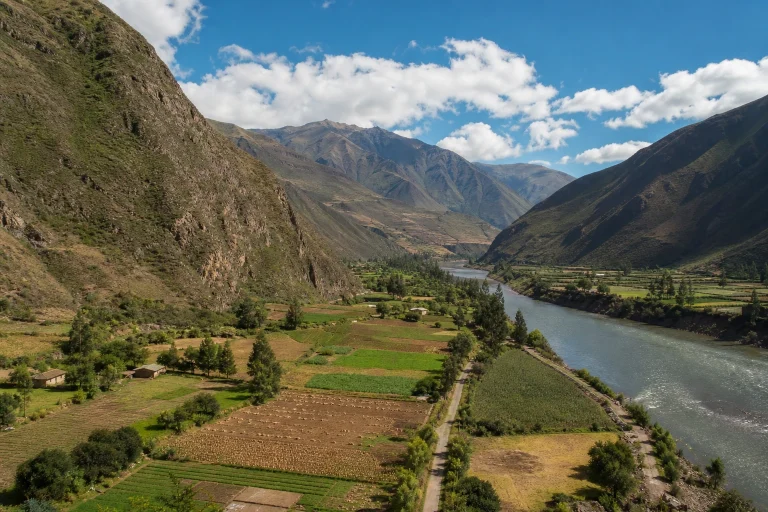
A one-day Sacred Valley itinerary works best when it stays focused. Start in Pisaq, continue to Ollantaytambo, and leave enough space between them for changing road conditions. This route follows the connected Cusco–Pisaq and Pisaq–Ollantaytambo corridors while giving the day two clear archaeological anchors instead of a rushed checklist. The remaining Circuit III sites can wait for a second day if your ticket and schedule allow.
The one-day plan at a glance
This itinerary is designed for travelers beginning in Cusco and wanting a flexible, self-directed framework. Pisaq comes first, followed by Ollantaytambo. That order keeps the day aligned with the regional road network and protects time for the two stops that deserve priority when access delays are possible.

The Best Private Sacred Valley Tour in Cusco ( with Pisac)
We know very well each place of this tour, since we have been grown in this area and we studied over 3 years to get a guide license. as well, our vehi...

From Urubamba & Ollantaytambo: Sacred Valley Day tour with Lunch
Explore the best and most unique sites in the Sacred Valley on a private tour. Visit the impressive ruins of Ollantaytambo, an ancient Inca fortress...
- Make Pisaq and Ollantaytambo the day’s two non-negotiable stops.
- Use the Partial Circuit III ticket if these are your main archaeological visits; it covers Pisaq, Ollantaytambo, Chinchero, and Moray for two days.
- Keep Chinchero and Moray as optional additions only when you have a generous buffer or a second day.
- Treat the temporary 17:00 maximum entry time at Pisaq and Ollantaytambo as a fallback, not a target arrival time.
- Build slack into every transfer, especially on the Pisaq–Ollantaytambo road and around Ollantaytambo.
Why two sites make the strongest one-day itinerary
Circuit III includes four archaeological parks, but its two-day validity is a useful reason not to force all four into one day. A Pisaq-and-Ollantaytambo itinerary gives each park proper attention and leaves room to adapt if traffic slows the day. It also turns the second valid day into an opportunity for Chinchero and Moray rather than a lost ticket benefit.
This is the central tradeoff: covering more ticket entries can look efficient on paper, while a two-site day is more resilient in practice. Recent regional updates have highlighted congestion and access difficulties around Ollantaytambo, as well as ongoing attention to the Pisaq–Ollantaytambo road. A little unused time is far more valuable than a day spent watching the clock.
Choose the right Cusco Tourist Ticket
For foreign visitors, the Partial Circuit III ticket is the practical fit for this route. The published tariff lists it at S/70, valid for two days, and includes the archaeological parks of Ollantaytambo, Pisaq, Chinchero, and Moray. The 10-day comprehensive Cusco Tourist Ticket is listed at S/130, with a published S/70 student rate. Confirm the current tariff and ticket coverage when purchasing.
| Ticket option | Published foreign-visitor price | Validity | Best fit for this itinerary |
|---|---|---|---|
| Partial Circuit III | S/70 | Two days | Pisaq and Ollantaytambo in one day, with Chinchero and Moray available on another day |
| Comprehensive Cusco Tourist Ticket | S/130 | 10 days | A longer Cusco stay with visits beyond the Circuit III sites |
| Comprehensive student rate | S/70 | 10 days | Eligible students planning a broader Cusco itinerary |
Keep the ticket cost separate from the rest of the day’s budget. Transport, meals, guiding, and any stops outside the listed ticket circuit vary by provider and plan. Avoid building your itinerary around assumed fares or a fixed public-transport timetable; settle the day’s transport arrangement before departure.
The recommended one-day Sacred Valley sequence
Before leaving Cusco: protect the itinerary’s buffer
Begin early enough that Pisaq is your first substantial stop, but avoid treating the entire day as a race against a schedule. Confirm how you will travel onward after Pisaq, where you will be met if you are using arranged transport, and what happens if traffic changes the plan. The goal is to arrive at Ollantaytambo with time to visit rather than simply reach the gate.
- Carry or arrange the correct Circuit III ticket before relying on entry to either park.
- Make Pisaq your first archaeological priority and Ollantaytambo your second.
- Keep your Chinchero and Moray plans optional until the day is moving smoothly.
- Agree on the onward and end-of-day transport plan before setting out.
- Recheck current local access conditions on the morning of travel.

Machu Picchu Circuit 2 Entrance Ticket with Guided Tour
Explore the wonders of Machu Picchu via the official Circuit 2 route, known for its stunning views and historical si...

Machu Picchu Ticket, Bus & Private Guide
Maximize your time at Machu Picchu with this private guided tour starting directly from Aguas Calientes. Skip the ha...

Machu Picchu Circuit 2 + Bus to Entrance Combo
Explore the Inca ruins of Machu Picchu at your own pace and your own schedule. Avoid long lines at Machu Picchu by b...
First stop: Pisaq
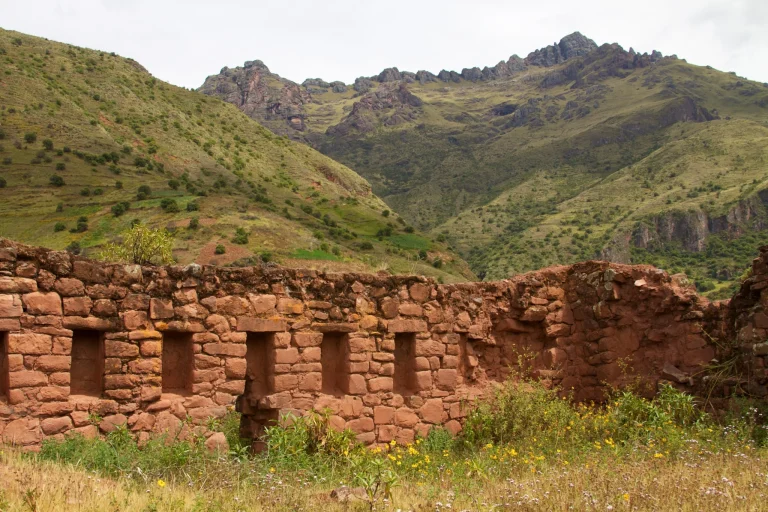
Use Pisaq as the day’s opening anchor. Starting here follows the recommended Cusco-origin sequence and prevents Ollantaytambo from becoming an overly late, hurried final stop. Give yourself enough time to enter, explore at your own pace, and reset before the next road segment. Do not assign this stop a rigid minute-by-minute schedule, because the itinerary works best when it can absorb delays.
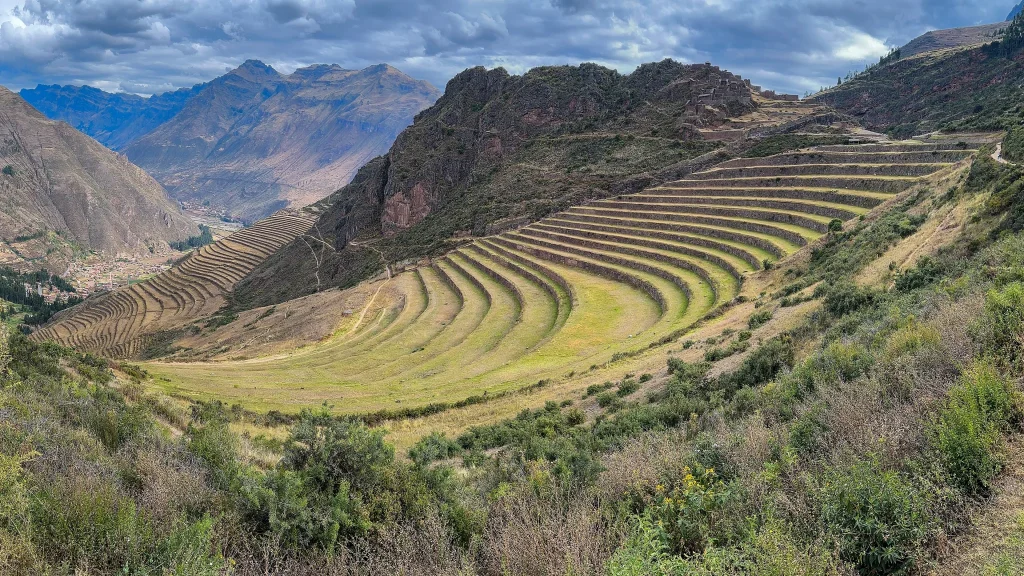
If Pisaq becomes the part of the day you want to explore more deeply, let it. A dedicated Pisac ruins and market guide is useful for travelers who decide to turn this itinerary into a slower overnight or two-day visit. For a one-day route, the important decision is simply to leave with enough remaining time and energy for Ollantaytambo.
Between Pisaq and Ollantaytambo: make a real-time decision
The transfer between the two anchor sites is where flexibility matters most. Road intervention has been announced for the Pisaq–Ollantaytambo route, and regional tourism authorities have also identified congestion and mobility problems affecting the Circuit III experience. If the road is moving slowly, drop extra stops without regret. Protecting Ollantaytambo is the better call than squeezing in an additional ticket scan.
Final stop: Ollantaytambo
Make Ollantaytambo the day’s final archaeological priority. A temporary local-access measure extended the maximum entry time at both Ollantaytambo and Pisaq to 17:00, but that time is for entry rather than a confirmed closing hour. Reconfirm current access details shortly before travel, and aim to arrive well before the latest permitted entry.
Finish the day according to the transport you have arranged, rather than assuming a standard return pattern. Travelers with more time may want to linger for a fuller look at Ollantaytambo’s stone streets and Inca town, or use the town as a practical pause before continuing their wider Peru itinerary. Transport and accommodation choices determine what works best after the park visit.
When to skip Chinchero and Moray
Chinchero and Moray belong to Circuit III, but they should be treated as bonuses on a one-day route, not obligations. Add one only when your transportation is running comfortably, your onward arrangements are secure, and you are happy to reduce time at a major park. In most cases, saving both for the ticket’s second day creates the calmer and more rewarding itinerary.
- Add nothing if the Pisaq–Ollantaytambo transfer is delayed.
- Consider one optional stop only if the day is comfortably ahead of plan and transport is already arranged.
- Choose a second day for Chinchero and Moray if you want to use the full Circuit III ticket without compressing the experience.
- Choose the comprehensive ticket only when your wider Cusco itinerary genuinely needs its additional coverage.
Transport strategy: plan the framework, not false precision
The route is connected, but the evidence for this itinerary does not support publishing a dependable visitor-ready driving timetable. That makes fixed assumptions risky. Instead, choose a transport plan that clearly covers the Cusco departure, the Pisaq-to-Ollantaytambo transition, and your final destination after Ollantaytambo. Build the day around those three commitments.
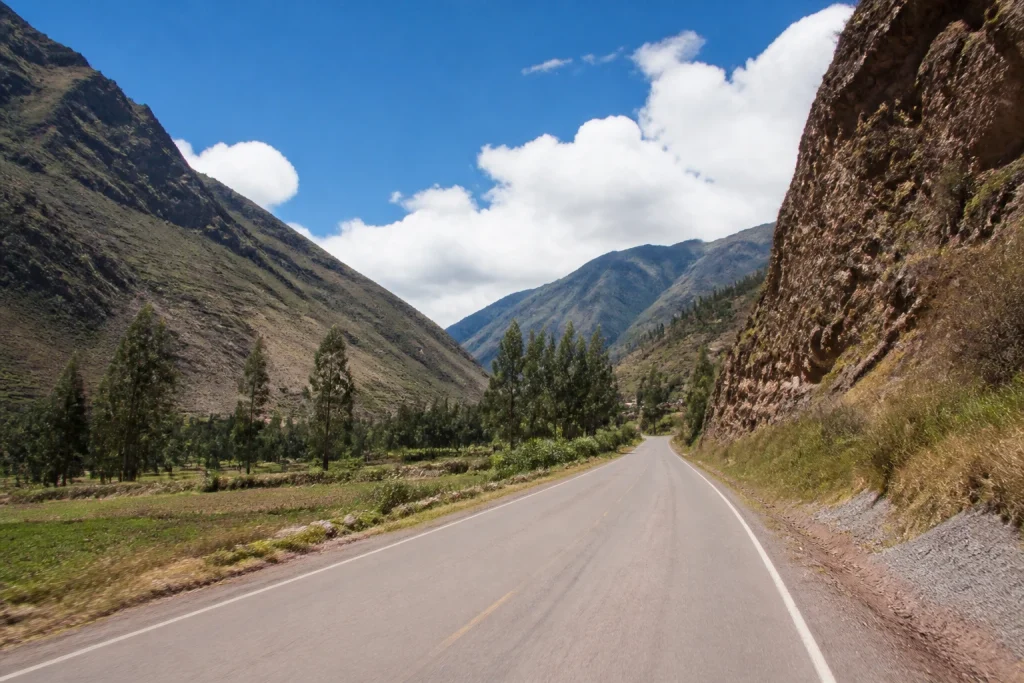
A guided day trip, a private driver, or another pre-arranged option can all suit the route if the arrangements match your priorities. Check the included stops, waiting time, final drop-off, and any change policy before committing. Costs vary by operator, date, group size, and service level, so use the itinerary structure to compare options rather than relying on generic estimates.
The most useful timing rule is simple: preserve a buffer after Pisaq. Congestion has been reported around Ollantaytambo, and access improvements remain an active local concern. If a provider’s plan promises four Circuit III sites with no slack, ask what gets shortened when the road is slow. A realistic answer matters more than an ambitious itinerary title.
Still comparing One Day Sacred Valley Itinerary From Cusco?
Ask for tour ideas, hotel suggestions, or a simple trip plan that combines both.
Trip Helper
Budget for admission clearly and keep other costs flexible
The Circuit III ticket is the one expense with a clear published figure for this itinerary: S/70 for foreign visitors. Other day costs are variable. Transport, meals, guides, and additional attractions should be checked with your chosen provider or venue instead of estimated as fixed parts of the route. This keeps the budget honest and prevents a low ticket price from disguising a more expensive day.
| Budget item | How to plan it |
|---|---|
| Circuit III admission | Use the published S/70 foreign-visitor price as a planning baseline and reconfirm at purchase. |
| Transport | Treat as variable; compare the complete route, not only the first transfer. |
| Meals and guides | Treat as variable and review inclusions before booking. |
| Chinchero, Moray, or other additions | Decide only after confirming whether the stop is covered by your ticket and fits the day’s buffer. |
Road conditions, safety, and accessibility
Check access conditions on the day
Road reliability is the main logistical variable for this route. In 2026, the regional government announced urgent intervention and a broader resurfacing project for the Pisaq–Ollantaytambo road, while tourism authorities also reported congestion and access difficulties around Ollantaytambo. Check local conditions on the day, keep a buffer, and be ready to save optional stops for another date.
Use normal travel awareness
For U.S. travelers, Peru is listed at Level 2, meaning exercise increased caution. The advisory notes that Cusco city and popular nearby sites including the Sacred Valley are outside the named higher-risk Cusco-area zone, but crime and civil unrest remain countrywide concerns. Keep valuables secure, follow local instructions, and recheck official travel advice before departure.
Do not assume step-free access
Accessibility arrangements for Pisaq and Ollantaytambo should be confirmed site by site before you buy tickets or book transport. Current public information does not establish wheelchair routes, step-free access, adapted restrooms, accessible drop-offs, or mobility assistance at either archaeological park. Travelers with mobility needs should make this a pre-booking question, not a same-day surprise.
How to turn this day into a better two-day Sacred Valley trip
The Partial Circuit III ticket is valid for two days, so the easiest upgrade is not a faster first day. Keep Pisaq and Ollantaytambo together on day one, then give Chinchero and Moray their own day. This approach uses the ticket’s coverage while reducing the pressure created by traffic, access issues, and the long list of places competing for attention.
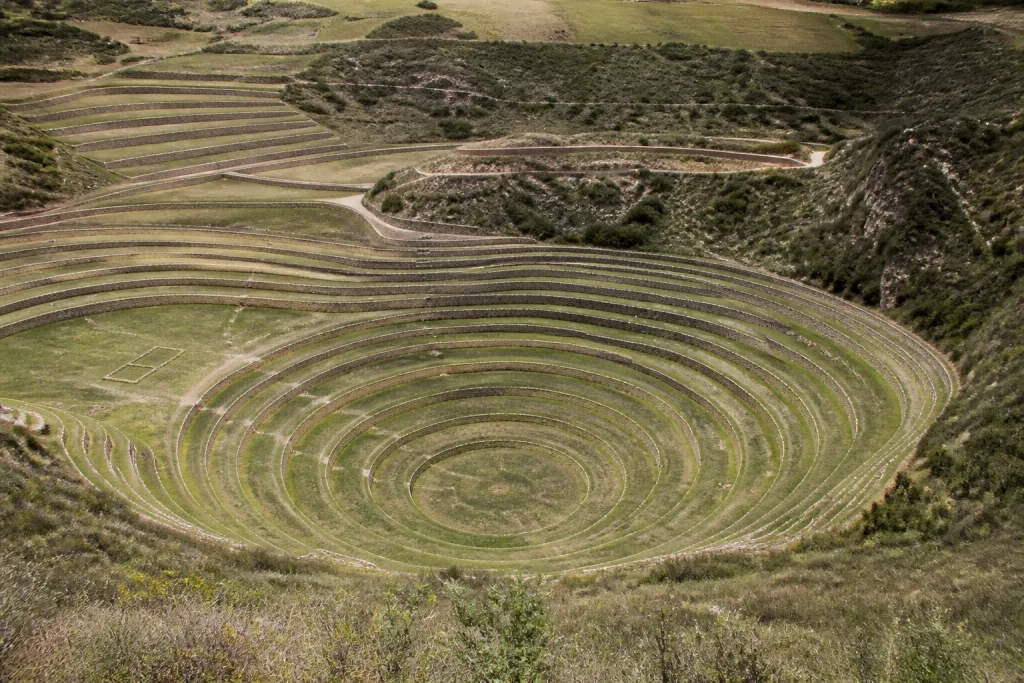
On that second day, a closer look at Chinchero’s Andean weaving and market can pair naturally with Moray. Travelers drawn to the latter can use a dedicated guide to Moray’s circular terraces when shaping a half-day or full-day extension. Keep the sequence flexible around where you are staying and the transport you have arranged.
The takeaway: choose depth over a frantic circuit
For one day in the Sacred Valley, Pisaq first and Ollantaytambo second is the plan to trust. It follows the connected route from Cusco, focuses on the two priority parks, and leaves room for the road to behave like a road rather than a stopwatch. Buy the right Circuit III ticket, arrange flexible transport, check access on the day, and save Chinchero and Moray for tomorrow if needed.
Frequently asked questions
Can you visit the Sacred Valley in one day?
Yes. A one-day Sacred Valley itinerary works well when it focuses on Pisaq and Ollantaytambo and leaves optional Circuit III stops for another day. The key is to protect buffer time for road congestion and access delays.
What is the best order for a one-day Sacred Valley itinerary from Cusco?
Start in Pisaq and continue to Ollantaytambo. This sequence follows the connected Cusco–Pisaq and Pisaq–Ollantaytambo road corridors and is the most practical order for a Cusco-origin day.
Which Cusco Tourist Ticket do I need for Pisaq and Ollantaytambo?
The Partial Circuit III ticket covers Pisaq and Ollantaytambo, as well as Chinchero and Moray. For foreign visitors, the published price is S/70 and the ticket is valid for two days; confirm current terms when purchasing.
What is the latest entry time for Pisaq and Ollantaytambo?
A temporary 2026 measure set the maximum entry time at 17:00 for both parks. It is an entry time rather than a confirmed closing time, so reconfirm access details shortly before your visit.
Should I add Chinchero and Moray to the same day?
Usually, no. Chinchero and Moray are better saved for the second valid day of the Circuit III ticket unless you have a large buffer and transport is moving smoothly.
Is this one-day Sacred Valley route accessible for wheelchair users?
Do not assume that Pisaq or Ollantaytambo offers step-free access. Confirm site-specific routes, facilities, vehicle drop-offs, and mobility assistance before buying tickets or arranging transport.
From Urubamba & Ollantaytambo: Sacred Valley Day tour with Lunch
Explore the best and most unique sites in the Sacred Valley on a private tour. Visit the impressive ruins of Ollantaytambo, an ancient Inca fortress...
The Best Private Sacred Valley Tour in Cusco ( with Pisac)
We know very well each place of this tour, since we have been grown in this area and we studied over 3 years to get...