Sacred Valley Weather by Month
Plan a Sacred Valley trip with this month-by-month guide to rain patterns, daytime and nighttime temperatures, packing, rail-season considerations, and the best timing for your travel priorities.
 Visit Sacred Valley
August 16, 2026
Visit Sacred Valley
August 16, 2026

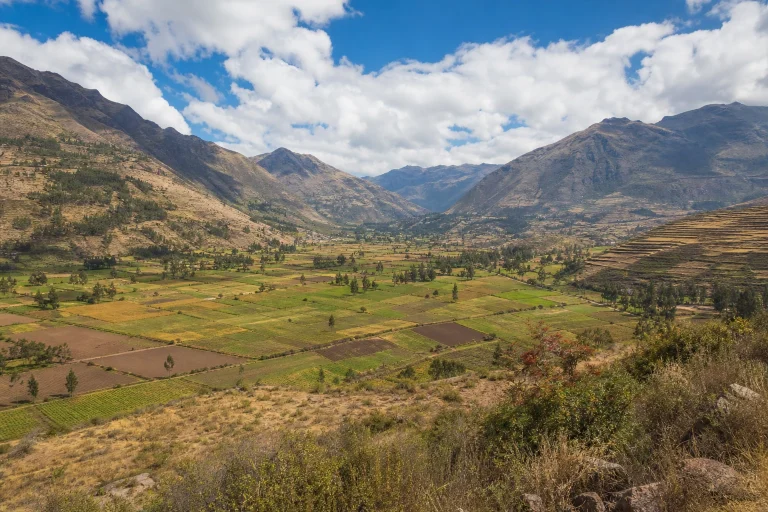
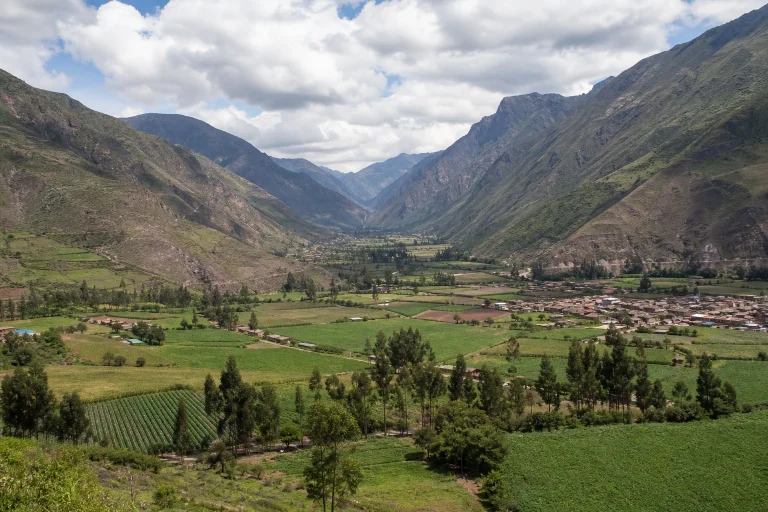
Sacred Valley weather follows a clear broad rhythm: a wetter stretch that includes the austral summer and a lower-rainfall window centered on the middle of the year. Yet the valley is not one uniform weather station. Warm afternoons can give way to cold nights, and conditions shift between towns, elevations, and exposed archaeological sites. Use the monthly guide below to choose a season that suits your plans, then check short-term conditions just before departure.
Sacred Valley weather at a glance
- May through August is the lower-rainfall window, with July identified as the driest month.
- January is the precipitation peak, while December through March is the period most associated with heavy rain.
- April, September, and October are transition months. Pack for rain rather than counting on a fully dry spell.
- In Urubamba, average monthly highs range from 21°C to 24°C across the year, while average lows range from 2°C to 10°C.
- For January through April rail travel toward Machu Picchu, leave time in the itinerary for potential rainy-season timetable changes.
The seasons are best treated as patterns, not promises. April, September, and October deserve special flexibility because local Urubamba and wider basin climate descriptions draw the wet and dry boundaries differently. April can still bring rain, while September and October sit in the gradual return toward wetter conditions. A rain shell belongs in the daypack during all three months.

Sacred Valley Tour: Pisac, Maras, Chinchero & Ollantaytambo
Explore the best of Peru’s Sacred Valley on a private full-day tour designed for a personalized and comfortable experience. With your own expert loc...

From Urubamba & Ollantaytambo: Sacred Valley Day tour with Lunch
Explore the best and most unique sites in the Sacred Valley on a private tour. Visit the impressive ruins of Ollantaytambo, an ancient Inca fortress...
Sacred Valley weather month by month
This overview describes long-term seasonal tendencies, not a forecast for a specific visit. The practical distinction is simple: the middle of the year generally brings more reliable lower-rainfall conditions, while the start and end of the calendar year require more weather-ready planning.
| Month | Typical pattern | Practical planning note |
|---|---|---|
| January | Rainiest month and precipitation peak. | Build in flexibility for wet-weather delays and keep outdoor plans adaptable. |
| February | Rainy. | Expect wet conditions and check transport and site updates close to travel time. |
| March | Rainy. | Bring waterproof layers and allow extra breathing room around time-sensitive connections. |
| April | Shoulder month, with rain still possible. | A useful compromise for flexible itineraries, but not a guarantee of dry days. |
| May | Drier, with the lower-rainfall period underway. | A strong choice for travelers who place rain reliability high on the list. |
| June | Drier. | Prepare for warm daytime conditions and distinctly colder nights. |
| July | Driest month. | Best suited to plans that prioritize the valley's lowest-rainfall period. |
| August | Drier. | Good for outdoor-focused itineraries, while still requiring layers for changing temperatures. |
| September | Transition month. | Basin-scale rains begin during this period, so carry rain protection. |
| October | Dry-to-transition. | Treat the weather as changeable and avoid planning around uninterrupted dry conditions. |
| November | Wetter transition. | Pack for increasing rain and maintain flexibility around outdoor days. |
| December | Rainy, with the heavier-rain period beginning. | Choose weather-ready footwear and retain schedule buffer time. |
Choose the best month for your travel priorities
For the most reliable lower-rainfall conditions
Choose May through August if minimizing rain is the main goal. July is the driest month in the basin pattern, making it the clearest fit for travelers who want to organize archaeological visits, viewpoints, and long outdoor days around the lower-rainfall season. Drier does not mean a single temperature all day, so bring a warm layer for early and late hours.

For green landscapes and a rain-ready itinerary
December through March is the wetter choice, with January the rainiest month and December through March associated with the heaviest rain. This season can suit travelers who value greener scenery and can move plans between indoor breaks and outdoor windows. Its trade-off is a greater chance that weather affects transport or access, so avoid stacking several fixed-time commitments into one day.
For a flexible compromise
April, September, and October work best for travelers comfortable with a mixed forecast. These transition months can balance some lower-rainfall days with a changing seasonal pattern, but they are not the months to book on the assumption of consistently dry weather. Pair the season choice with a Where to Stay in the Sacred Valley guide to lodges, hotels and villages, and choose a base that keeps your daily plans manageable when rain arrives.
Daytime warmth and cold nights across the valley
The Sacred Valley's temperature story is about layers. In Urubamba, monthly-average maximum temperatures range from 21°C to 24°C through the year, while monthly-average minimums range from 2°C to 10°C. A T-shirt can feel right in daytime sun, but a fleece or insulated layer becomes valuable after sunset and before the day warms up.
Do not treat every town as the same climate
Town and elevation matter. Pisac is lower and described as warmer than Cusco, with maxima around 20°C to 25°C and minima around 5°C. The broader April-to-October temperature span given for Pisac runs from 4°C to 25°C. Those numbers are a useful reminder to dress for the full day rather than for the temperature at breakfast.
Sun protection is worthwhile even when the morning looks cool, while a compact rain layer earns its place in every season. For open terraces and high viewpoints, a wind-resistant outer layer is more useful than carrying a bulky single jacket all day.
Machu Picchu Entrance Ticket
This experience gives you something most travelers can’t find: peace of mind. Whether you plan ahead or need a sol...

Machu Picchu Private Archaeological and Historical Guided Tour
Explore Machu Picchu, one of the Seven Wonders of the World, in the company of a private guide. Enjoy the undivided...

Private Guided Tour in Machu Picchu
The guide will be exclusively for you or your group, the tour is along the circuit indicated on your ticket. The gui...
Rainy-season logistics for Sacred Valley and Machu Picchu trips
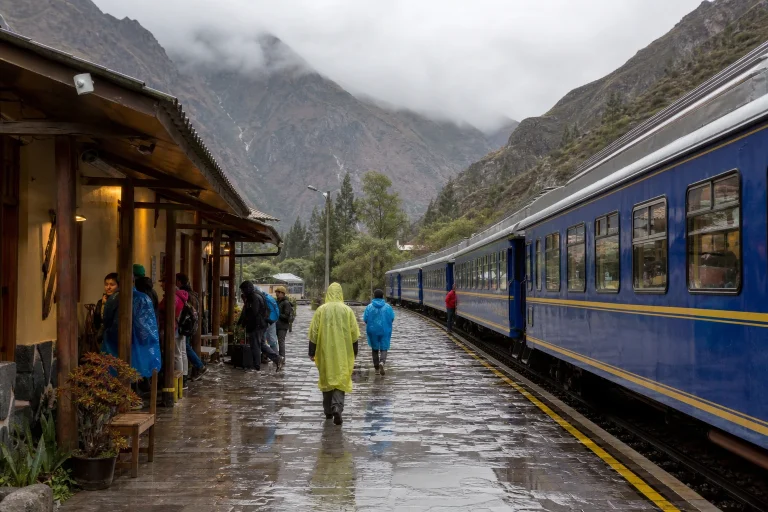
Rain matters most when an itinerary depends on a tight rail connection or a fixed entry time. PeruRail notes that schedules and frequencies can change, and says services may vary from January through April when part of the railway is closed as a safety measure for possible landslide contingencies. Keep buffer time before major connections and reconfirm the operator timetable shortly before travel.
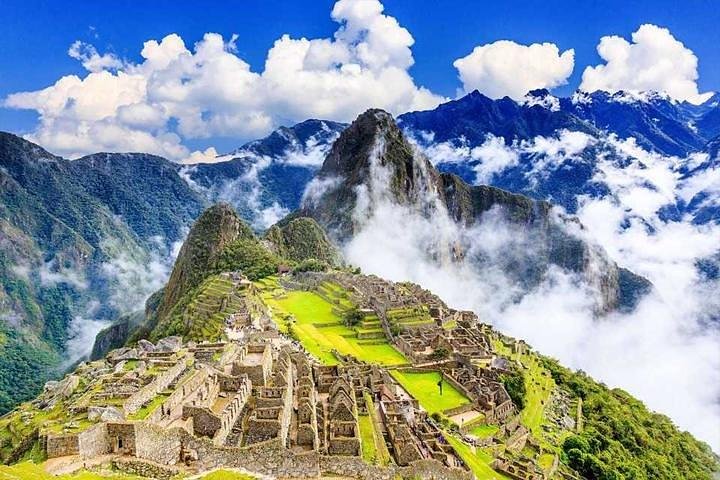
For route planning, use a PeruRail or Inca Rail comparison for Sacred Valley trains to Machu Picchu alongside the timetable shown for your travel date. If Machu Picchu is part of the trip, remember that PeruRail's Expedition train ticket does not include Machu Picchu admission, so rail and site entry need separate space in the budget.
Wet archaeological surfaces and rain-sensitive transport can make a route more demanding. Travelers who use mobility equipment, or who need step-free access, should confirm the specific site's access arrangements, facilities, and transport details before building the day around it. Site conditions can be particularly changeable in the wetter part of the year.
Immediately before travel, check SENAMHI's Cusco meteorological warnings and rain nowcasting reports, then review updates from rail and site operators. This quick check is most useful in the wetter months, when a short-term update can matter more than a seasonal average.
What to pack for Sacred Valley weather
Pack for strong temperature swings and the possibility of rain, rather than trying to match one outfit to a monthly average. A compact, adaptable kit keeps you comfortable during warm sightseeing hours and colder evenings.

- A breathable base layer and light daytime top
- A fleece, sweater, or insulated layer for cold mornings and nights
- A waterproof jacket, especially from December through March and in transition months
- Comfortable shoes with grip for uneven or wet surfaces
- Sun protection for daytime exposure
- A small daypack to add or remove layers as conditions change
The practical answer: when should you go?
May through August is the best fit for travelers seeking the Sacred Valley's lower-rainfall period, and July is the standout for the driest conditions. December through March suits travelers happy to trade rain reliability for greener seasonal landscapes and a more flexible itinerary. April, September, and October can work beautifully with a rain layer and realistic expectations.
For a first visit, use the Best Things to Do in the Sacred Valley guide to shape an itinerary with room to move outdoor stops between days. The valley rewards that little bit of flexibility: dress in layers, protect the schedule around transport, and let the season guide the pace rather than dictate the whole trip.
Frequently asked questions
What is the rainiest month in the Sacred Valley?
January is the rainiest month and the precipitation peak in the Urubamba Basin climate pattern. December through March is the period most associated with heavy rain, so build flexibility into transport and outdoor plans.
What is the driest month in the Sacred Valley?
July is the driest month in the Urubamba Basin climate pattern. May through August is the broader lower-rainfall window for travelers prioritizing more reliable outdoor conditions.
Is May a good time to visit the Sacred Valley?
Yes, May is a good choice for travelers who prioritize lower rainfall. It begins the May-through-August lower-rainfall period, though layered clothing is still important for cooler nights.
How cold does the Sacred Valley get at night?
Nights can be cold, particularly compared with daytime conditions. In Urubamba, monthly-average minimum temperatures range from 2°C to 10°C across the year, so bring a warm layer in every season.
Can rainy season affect trains to Machu Picchu?
Yes, rainy-season conditions can affect rail operations. PeruRail says schedules and frequencies can change, and January through April services may vary when safety measures are needed for possible landslide contingencies.
Are April, September, and October dry in the Sacred Valley?
They are transition months rather than reliably dry months. April can still bring rain, while September and October mark a gradual shift toward wetter conditions, so carry rain protection and keep plans flexible.
The Sacred Valley under changing Andean skies by Aufgang, CC BY-SA 3.0.
Sacred Valley Tour: Pisac, Maras, Chinchero & Ollantaytambo
Explore the best of Peru’s Sacred Valley on a private full-day tour designed for a personalized and comfortable experience. With your own expert loc...
From Urubamba & Ollantaytambo: Sacred Valley Day tour with Lunch
Explore the best and most unique sites in the Sacred Valley on a private tour. Visit the impressive ruins of Ollanta...

The Best Private Sacred Valley Tour in Cusco ( with Pisac)
We know very well each place of this tour, since we have been grown in this area and we studied over 3 years to get...

Machu Picchu Private Tour from Aguas Calientes (Tickets included)
Discover Machu Picchu at your own pace with our exclusive Private Guided Tour from Aguas Calientes. Perfect for inde...