Sacred Valley Solo Travel Guide
Plan a rewarding solo trip through Peru’s Sacred Valley with practical advice on choosing a base, packing for the train, flexible sightseeing, budgeting, safety, and onward travel to Machu Picchu.
 Visit Sacred Valley
August 16, 2026
Visit Sacred Valley
August 16, 2026
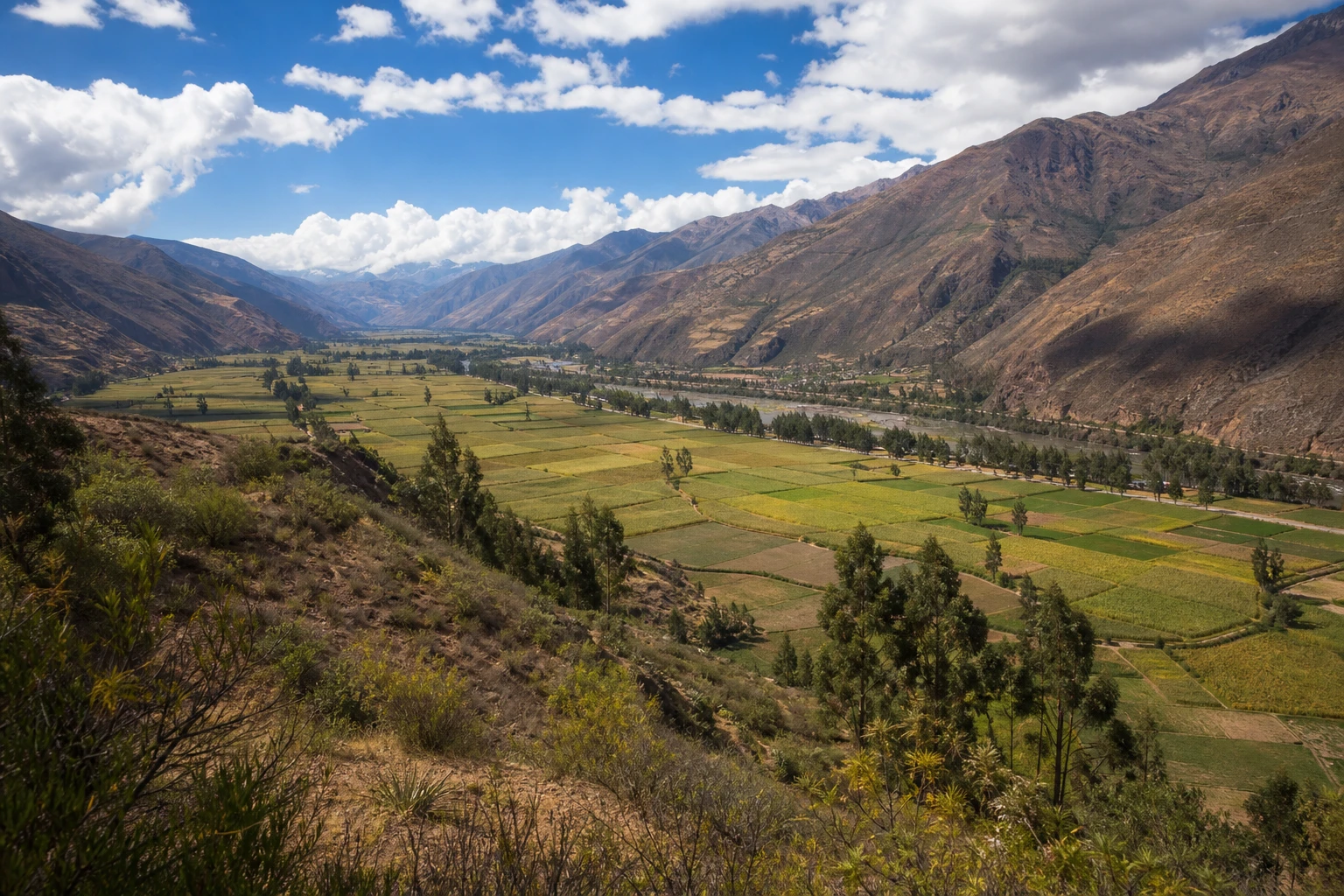
Solo travel in the Sacred Valley is most rewarding when the trip has a clear rhythm: arrive in daylight, settle into one base, explore at a human pace, then leave breathing room before any onward train. Ollantaytambo is especially useful for travelers continuing toward Machu Picchu because it has a PeruRail station. The best independent itinerary is not the busiest one. It is the one that keeps luggage, transfers, tickets, and changing transport conditions under control.
A solo travel strategy that leaves room for change
- Use one accommodation base at a time rather than changing lodging every day.
- Choose daylight transfers and avoid a tight chain of arrival, sightseeing, and rail travel on the same day.
- Build at least one buffer night before an onward train journey, particularly if your itinerary depends on Ollantaytambo.
- Pack to the train limit if you plan to use PeruRail services to Machu Picchu.
- Treat Sacred Valley sightseeing tickets and Machu Picchu admission as separate budget items.
Independent travel does not need to mean improvising every transfer. Pick the elements that matter most to you, such as archaeology, village life, markets, weaving, or an onward Machu Picchu journey, then give each one enough time. Keep your arrival day simple. A solo traveler with a settled base and a flexible plan has far more freedom to follow an interest, pause for lunch, or adjust when transport shifts.

Sacred Valley Alpaca Hiking Tour
We involve local people in the activity: By doing so, we provide an opportunity for them to actively participate in the tourism industry in Cusco. You...

Machu Picchu Private Tour from Aguas Calientes (Tickets included)
Discover Machu Picchu at your own pace with our exclusive Private Guided Tour from Aguas Calientes. Perfect for inde...

Machu Picchu Private Archaeological and Historical Guided Tour
Explore Machu Picchu, one of the Seven Wonders of the World, in the company of a private guide. Enjoy the undivided...

Machu Picchu Group Guiding Service
We use wireless audio receptors to make better your experience Our groups are no larger than 12 people We have an...
Choose a base around your onward plans
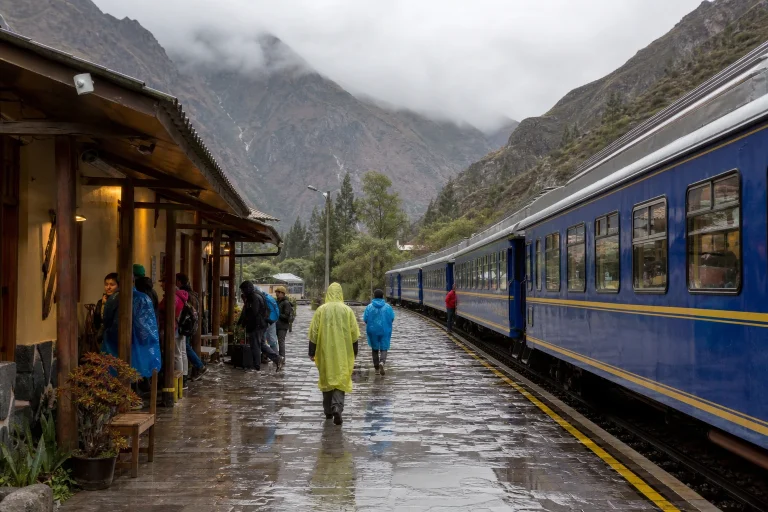
Start with the question that shapes the rest of the trip: are you continuing to Machu Picchu by rail? If yes, Ollantaytambo is a practical rail-oriented base because PeruRail maintains a station there. Its convenience comes with a planning tradeoff. Station approach routes and bimodal-service arrangements can change, so check the departure station, access instructions, and meeting details printed on your booked ticket before arranging a pickup.
If you are not boarding a train the next morning, choose lodging based on the places you most want to explore and the kind of daily pace you prefer. The guide to where to stay in the Sacred Valley can help narrow the choice between rail-friendly Ollantaytambo and other valley bases. Avoid treating the whole region as a single walkable destination. Plan each day around one area and a confirmed way to return to your accommodation.
Why an Ollantaytambo overnight is often a smart move
Ollantaytambo works particularly well on the final night before a rail departure, when it lets you separate sightseeing from train-day logistics. That does not mean every solo traveler should stay there for an entire trip. Think of it as a useful handoff point between the wider valley and the railway. For cultural context, the feature on Ollantaytambo as a living Inca town makes a strong companion to a slower overnight there.
Plan the Machu Picchu train before you pack
The train is the point where a casual packing plan becomes a real constraint. On PeruRail Expedition, Vistadome, Vistadome Observatory, and Hiram Bingham services, the stated allowance is one hand-luggage item weighing up to 8 kg, with a maximum of 115 linear cm, roughly 55 × 35 × 25 cm. Pack the essentials for the rail segment in that bag. If you have a larger suitcase, confirm storage arrangements with your accommodation before committing to the itinerary.

PeruRail lists an indicative Ollantaytambo to Machu Picchu Pueblo journey time of 1 hour 59 minutes, but do not build a day around that figure alone. Departure times, access routes, and operating conditions can change. Leave enough time to reach the station, follow the instructions on your ticket, and deal with a delayed road transfer without sacrificing the entire journey. A comparison of PeruRail or Inca Rail trains to Machu Picchu is useful when choosing the service that fits your schedule.
- Keep your passport or required travel documents, ticket details, valuables, medication, and a layer for changing conditions in your permitted train bag.
- Avoid booking a rail departure immediately after a long road transfer or flight arrival.
- Check the station named on the ticket rather than relying on an old itinerary or a remembered pickup point.
- Reserve the night before an important train when your schedule allows, especially when traveling alone.
Build sightseeing days around one strong focus
Solo travel is easier when each day has one anchor instead of a checklist of places to conquer. Choose a core interest, arrange transport that gives you a clear return plan, and only add a second stop when the timing is genuinely comfortable. A focused shortlist of the best things to do in the Sacred Valley is more helpful than trying to cover every well-known name in one sweep.
Use individual guides to shape days with a theme. Pairing Pisac’s ruins and market can suit travelers who want archaeology and local activity in one area. Chinchero is a natural choice for travelers drawn to Andean weaving. For a different landscape and historical focus, read up on Moray’s circular terraces and its agricultural-laboratory story. Maras and Moray also work as a deliberately paced half-day theme when transport and timing line up.

Machu Picchu Shuttle Bus Round-Trip Tickets from Aguas CalienteS
Travel worry-free aboard the official CONSETTUR shuttle bus, the only authorized transportation between Aguas Calien...

Machu Picchu Shuttle Bus Round Trip from Aguas Calientes
Travel worry-free with the official CONSETTUR shuttle bus, the only authorized transport between Aguas Calientes and...

Machu Picchu Circuit 2 Guided Tour
Explore the wonders of Machu Picchu via the official Circuit 2 route, known for its stunning views and historical si...
Keep solo days deliberately flexible
Give yourself a decision point in the middle of the day. If the first visit runs long, stay with it and skip the add-on. If you finish early, use the extra time for a meal, a village walk, or an unhurried return. This approach is especially valuable when you are traveling alone, because it avoids the stress of trying to match a group schedule or recover from a missed connection with no one else handling the logistics.
Make safety and transport flexibility part of the plan
Use daylight for inter-town transfers and avoid self-driving or road travel after dark. Crime risk rises at night, and road conditions can add to the challenge. Demonstrations can occur with little warning and may disrupt roads, highways, airport access, and train routes. For a solo itinerary, that means avoiding nonrefundable, tightly chained connections and keeping a buffer between major transport days.
- Arrange transfers with a transport provider you can identify and confirm before departure.
- Keep accommodation details, rail tickets, and key transfer information easy to access while in transit.
- Tell your accommodation if a delayed transfer will affect your arrival time.
- When a disruption affects a train or road day, protect the onward journey first and move sightseeing to another window.
- Check current government travel advice shortly before departure, since security and disruption conditions can change.
Budget for separate tickets and variable transport
Keep your budget in separate envelopes: lodging, local transport, sightseeing admission, rail travel, food, and a disruption buffer. A COSITUC resolution lists S/70.00 for the foreign-tourist partial Sacred Valley ticket, Circuit III, which is a useful starting figure rather than a final quote. Confirm the current tariff, included sites, validity period, eligibility rules, sales point, and payment options before you rely on it.

| Budget item | How to plan it as a solo traveler |
|---|---|
| Partial Sacred Valley tourist ticket | Use the listed S/70.00 foreign-ticket figure only as a provisional planning estimate; verify the current Circuit III terms before purchase. |
| Machu Picchu admission | Budget it separately and check the fare for your visitor category. Do not assume a Sacred Valley ticket covers it. |
| Rail journey | Choose the service and date first, then pack to the operator’s onboard luggage allowance. |
| Transport buffer | Keep time and funds available for an extra transfer, revised route, or additional night if disruption affects a connection. |
Machu Picchu admission needs its own check. Promotional 2026 tariffs published by Peru’s Ministry of Culture apply to specific groups, including Peruvian nationals, foreign residents in Peru, and citizens of Andean Community countries. They are not a general foreign-visitor price. Select the correct visitor category and confirm the separate admission requirements before finalizing the rail portion of your trip.
Plan accessibility needs site by site
Do not assume that Sacred Valley sites, rail stations, vehicles, or toilets offer the same level of step-free access. If mobility access is central to your trip, get written, site-specific details from your hotel, transport provider, rail operator, and each attraction before locking in an itinerary. Ask about the actual route surface, steps, distance from vehicle drop-off, toilet access, assistance procedures, and the dimensions of any transport used.
Still comparing Sacred Valley Solo Travel Planning?
Ask for tour ideas, hotel suggestions, or a simple trip plan that combines both.
Trip Helper
A flexible three-night Sacred Valley solo itinerary
- Day 1: Arrive during daylight, check into one base, organize tickets and onward transport, and keep the rest of the day open for settling in.
- Day 2: Give one area your full attention. Choose a route built around a personal interest, such as Pisac, Chinchero, or the Maras and Moray area, rather than trying to combine distant stops without a clear transport plan.
- Day 3: Choose a second theme at an unhurried pace, then shift to Ollantaytambo if you have an early rail departure the following day. Recheck your ticket, baggage, and station instructions that evening.
- Day 4: Continue by rail only after allowing enough time for the approach to the station. If you are staying entirely in the Sacred Valley, replace the train day with a slower final visit or a rest day.
This pattern leaves space for the part of solo travel that matters most: choice. You can spend longer at a place that holds your attention, return to your base early, or protect a crucial train connection without feeling that the trip has gone off course. The fixed points are simple: one base at a time, daylight transfers, a manageable bag, and a buffer before an onward rail day.
Is the Sacred Valley right for solo travelers?
The Sacred Valley suits solo travelers who enjoy independent days but prefer a plan with clear transport anchors. Ollantaytambo’s rail connection makes it particularly helpful for a Machu Picchu itinerary, while the luggage rule and potential transport disruption reward travelers who pack light and keep a buffer night. Choose your base, shape each day around one meaningful focus, and confirm the live details of every important connection before you go.

Frequently asked questions
Is the Sacred Valley good for solo travel?
Yes, it can be a practical choice for solo travelers who plan transfers carefully and keep their days focused. Ollantaytambo is especially convenient for an onward rail journey to Machu Picchu, while daytime travel and a buffer around major connections make the itinerary more resilient.
Is Ollantaytambo the best base for a solo traveler?
Ollantaytambo is the most practical rail-oriented base if you are continuing to Machu Picchu by PeruRail. It is not automatically the best choice for every traveler, so choose another valley base if your priorities lie elsewhere and you do not need to be near the station.
How much luggage can I take on the PeruRail train to Machu Picchu?
For PeruRail Expedition, Vistadome, Vistadome Observatory, and Hiram Bingham services, the stated limit is one hand-luggage item up to 8 kg and 115 linear cm, approximately 55 × 35 × 25 cm. Plan storage for larger luggage before the rail segment.
How long is the train from Ollantaytambo to Machu Picchu Pueblo?
An indicative PeruRail journey time is 1 hour 59 minutes. Treat this as travel time on the train, not as a complete door-to-door schedule, because station access, check-in, and service times can vary.
Should I leave a buffer night before my Machu Picchu train?
Yes, a buffer night is a sensible solo-travel choice when an onward rail journey matters to your itinerary. Road and rail disruptions can occur, and station-access arrangements can change, so separating sightseeing from train day reduces pressure.
Does the Sacred Valley tourist ticket include Machu Picchu?
Do not assume it does. Budget Machu Picchu admission separately, check the correct visitor category, and confirm the admission requirements before booking the rail segment.
Is the Sacred Valley wheelchair accessible?
Accessibility needs to be confirmed site by site rather than assumed across the valley. Before booking, obtain written details on surfaces, steps, vehicle access, toilets, and assistance from each hotel, transport provider, rail operator, and attraction.
Sacred Valley Alpaca Hiking Tour
We involve local people in the activity: By doing so, we provide an opportunity for them to actively participate in the tourism industry in Cusco. You...
Machu Picchu Private Tour from Aguas Calientes (Tickets included)
Discover Machu Picchu at your own pace with our exclusive Private Guided Tour from Aguas Calientes. Perfect for inde...
Machu Picchu Private Archaeological and Historical Guided Tour
Explore Machu Picchu, one of the Seven Wonders of the World, in the company of a private guide. Enjoy the undivided...
Machu Picchu Group Guiding Service
We use wireless audio receptors to make better your experience Our groups are no larger than 12 people We have an...