Sacred Valley Foodie Weekend Itinerary
Plan a two-day Sacred Valley food weekend around Urubamba, Pisac and Ollantaytambo, with Andean dishes to seek out, smart transport choices and rail tips for Machu Picchu connections.
 Visit Sacred Valley
August 16, 2026
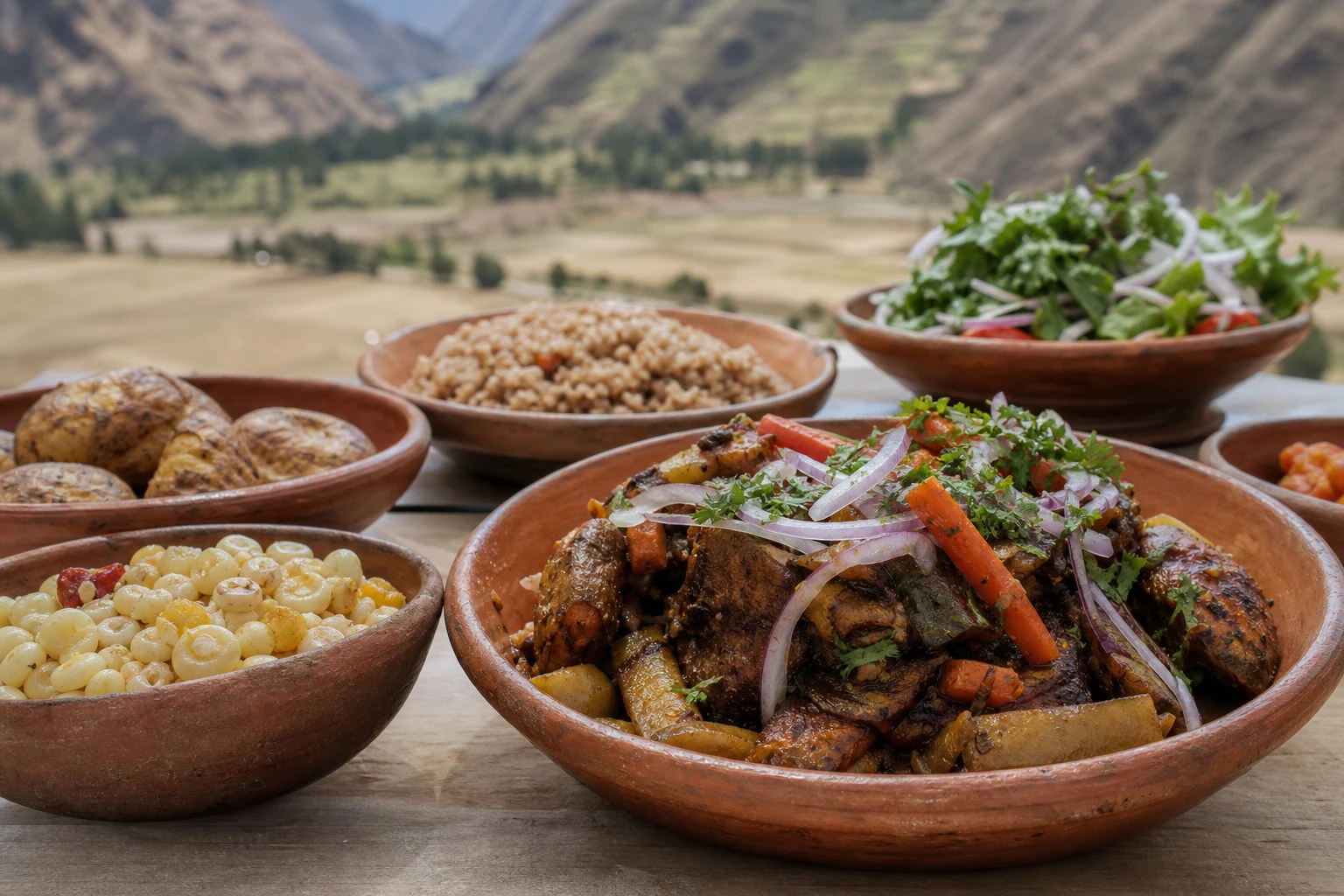
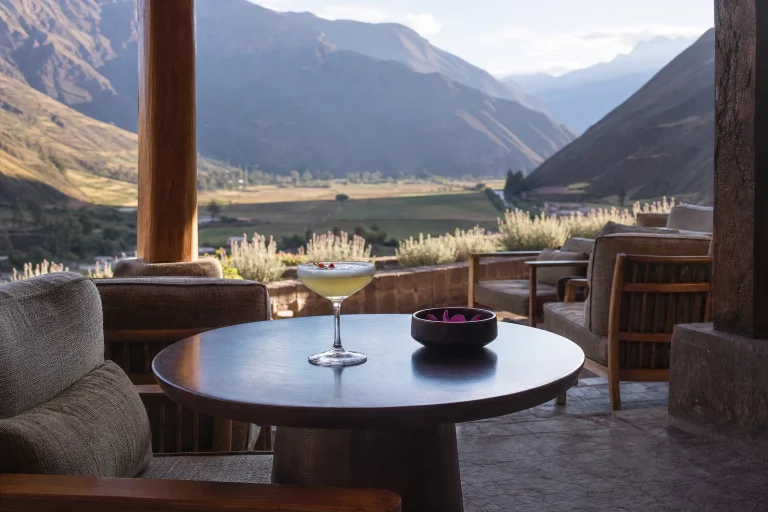
A Sacred Valley foodie weekend works best when it favors a few long, thoughtful meals over a frantic hunt for every possible stop. Use Urubamba as a central base, settle into the altitude before asking too much of your body, and let the route unfold through Pisac, Urubamba and Ollantaytambo. The reward is a more relaxed introduction to the dishes, grains, tubers and cooking traditions of the Peruvian Andes.
- Base yourself in Urubamba for the easiest access to the valley’s main circuit.
- Keep arrival day gentle, especially if you have come from a lower elevation.
- Plan one memorable sit-down meal at a time instead of a rushed multi-stop food crawl.
- Use a pre-arranged transfer or reputable private taxi or car-share for a short weekend with limited time.
- Finish in Ollantaytambo if a train to Machu Picchu is part of the next morning’s plan.
Start with the right shape for your weekend
The Sacred Valley has enough to fill several days, so two-day plans need a clear tradeoff. A multi-town sampler brings variety and a changing view of the valley, but it also adds road time. A weekend centered on Urubamba or Ollantaytambo gives meals more breathing room and reduces the chance that transfers dictate the day. For a food-first trip, that slower rhythm is usually the better choice.

Sacred Valley Alpaca Hiking Tour
We involve local people in the activity: By doing so, we provide an opportunity for them to actively participate in the tourism industry in Cusco. You...

Private Transfer from Valle Sagrado to Alejandro Velasco Astete (CUZ) Airport
Take the worry out of your departure to Alejandro Velasco Astete (CUZ) Airport and pre-book a private transfer to suit your group size (up to 14 peopl...
Choose Urubamba for the food-first base, or Ollantaytambo for the train
Urubamba is the practical middle ground for a weekend built around meals and flexible day trips. It sits naturally within the standard circuit that includes Pisac and Ollantaytambo. Choose Ollantaytambo instead when a Machu Picchu train is the priority: PeruRail lists both Vistadome and Expedition departures there. Urubamba also has rail service, but its Vistadome station is separate from the Ollantaytambo station.
For accommodation ideas before fixing the route, the site’s guide to where to stay in the Sacred Valley, including lodges, hotels and villages, is useful for weighing a central Urubamba base against an Ollantaytambo overnight. Book the base first, then make meal reservations and transfers fit around it rather than the other way around.
Day 1: Arrive gently and make Urubamba your dining room
Keep the first day intentionally small. Cusco is a high-altitude destination, and travelers arriving from lower elevations should leave room to acclimatize. Check in, drink bottled water, eat a calm early meal and take only a light walk nearby if you feel well. Save a long drive, a strenuous hike and an ambitious tasting circuit for another day.
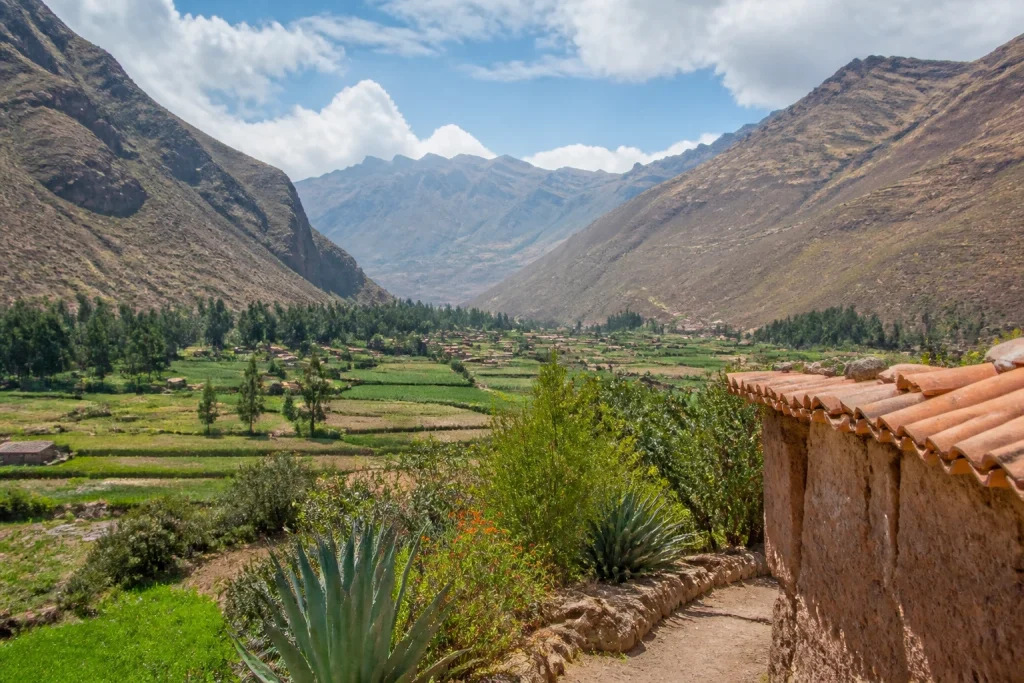
Lunch: begin with an Andean menu-reading strategy
Treat the first lunch as an introduction rather than a test of endurance. Order one or two dishes you genuinely want to understand, ask how they are prepared, and leave room for dinner. A short weekend is more enjoyable when every meal still feels like a meal, not a dare. Bottled water is the straightforward choice, and it is worth requesting it explicitly where needed.
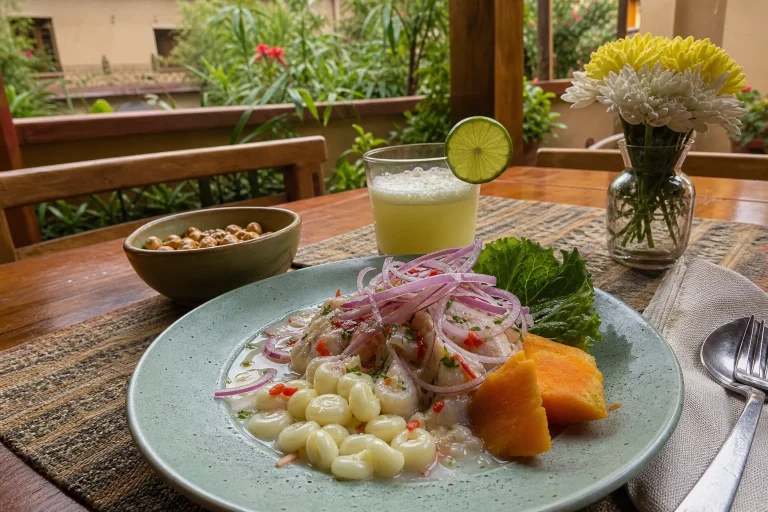
- Patasca, puka picante and chairo are useful names to recognize on an Andean menu.
- Chochoca, sopa verde, kapchi de habas and lawa broaden the vocabulary beyond familiar Peruvian staples.
- Chuño, also called morraya, points toward a long-standing highland ingredient tradition.
- Cuy chactado is a classic dish for travelers who want to try guinea pig prepared in an Andean style.
- Wood-fired ovens and clay-pot cooking are part of the wider Andean culinary tradition.
This list is a guide for reading menus, not a checklist to force into one sitting. Let the kitchen’s current preparations lead the meal. A soup or grain-based dish at lunch followed by a different style of main at dinner gives the weekend more range than repeating the same order at every stop.
Afternoon: stay close to base and protect the evening meal
Use the afternoon for a leisurely village wander, a rest at your hotel or a simple scenic pause rather than a cross-valley dash. If you need transport, arrange it ahead through a reputable provider or use a known private taxi or car-share service. That approach costs more than local transport, but it removes friction from a short itinerary and avoids late-night intertown travel.
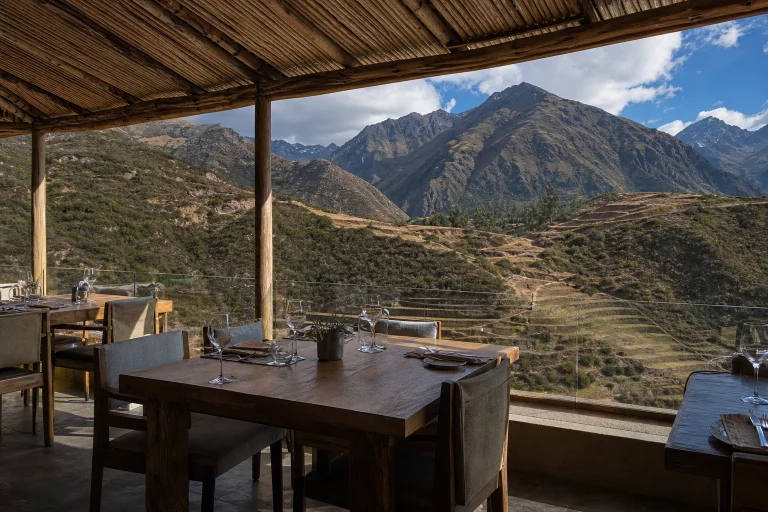
For dinner, stay in Urubamba and choose a place where you can settle in rather than watch the clock. This is the moment to ask about a clay-pot preparation or something finished in a wood-fired oven when it is on the menu. Keep the night uncomplicated, hydrate and set out what you need for the morning before turning in.

Machu Picchu Entrance Ticket Official Circuits
Discover the wonders of Machu Picchu with an official entrance ticket that allows you to explore this ancient Inca c...

Natural Inca Hot Springs Day Trip – Soak & Relax in the Andes
The Inca thermal baths of Lares Valley are completely natural water that comes from the Andean mountains. This water...

Machupicchu circuito-3 & Waynapicchu entrance ticket (morning)
DURATION: 3 HOURS APROX. THIS ACTIVITY IS NOT REFUNDABLE Guarantee your entrance to Machu Picchu and Huayna Picchu...
Day 2: Follow the valley’s food-and-culture circuit, or continue by rail
Day two has two good endings. Choose a food-and-culture circuit if the weekend itself is the destination. Choose Ollantaytambo and a rail connection if Machu Picchu follows. Do not try to blend both into a packed day. The first option gives you longer pauses; the second protects a time-sensitive journey.
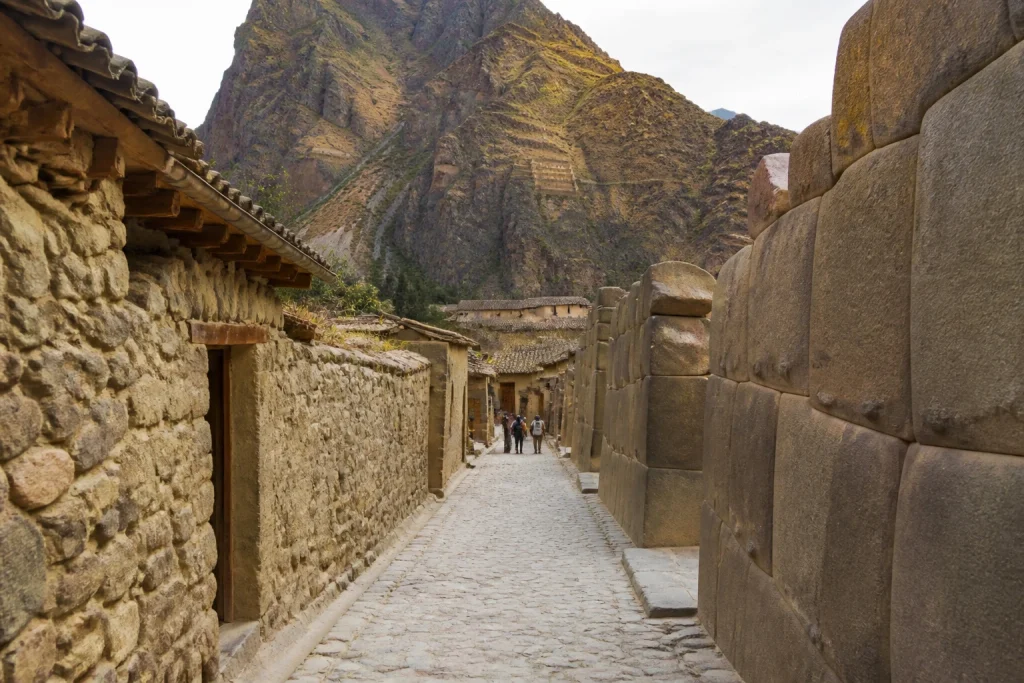
Option A: a deliberate Pisac, Urubamba and Ollantaytambo sampler
Start with breakfast near your base, then travel in one direction through the standard Sacred Valley circuit instead of doubling back. An east-to-west version can use Pisac as the cultural stop, return through Urubamba for a proper lunch, and end in Ollantaytambo for a final meal or overnight. Reverse the order if your lodging or onward transport makes that more sensible.
Give each town one purpose. In Pisac, avoid trying to compress every attraction and meal into a short stop. Travelers who want a deeper visit can plan around Pisac’s slow morning at the ruins and afternoon in the market on a future day. In Ollantaytambo, leave time to enjoy the atmosphere rather than treating the town solely as a transport hub. The companion story on Ollantaytambo, living inside an Inca town, is a useful extension for that stop.
Keep the food plan simple: one meaningful lunch, one light bite only if you are hungry, and one final dinner. This leaves room for an unfamiliar soup, a potato or grain dish, and a signature main without turning the day into a race between tables. Arrange the return transfer before sitting down for dinner, particularly if you are not staying in Ollantaytambo.
Option B: end in Ollantaytambo for a Machu Picchu train
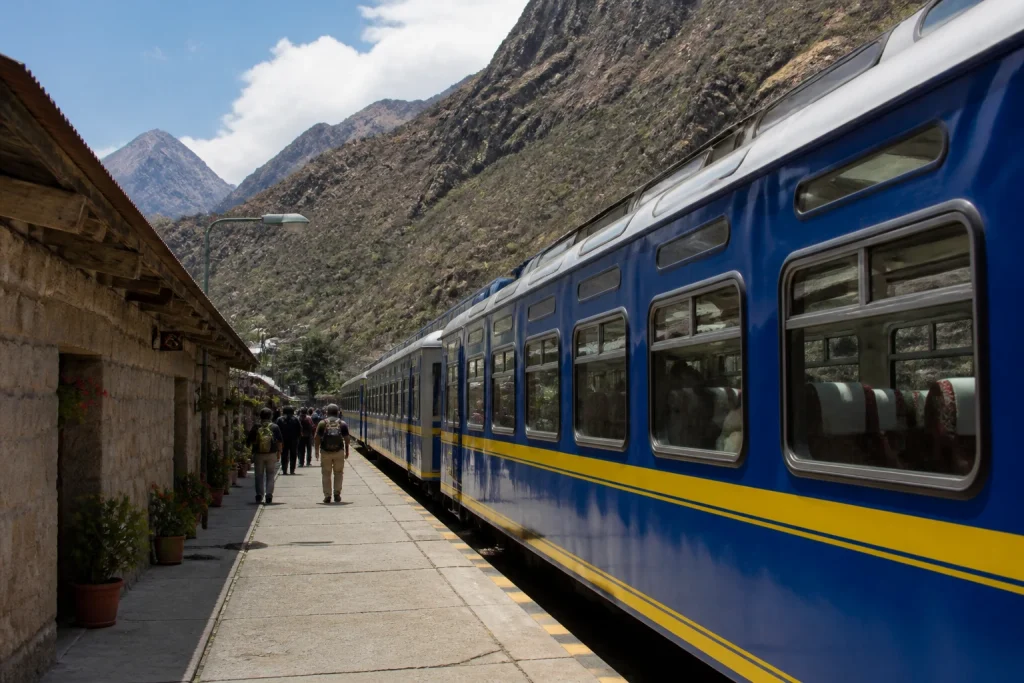
Ollantaytambo is the most flexible final stop for travelers taking PeruRail onward to Machu Picchu. PeruRail lists Vistadome and Expedition departures from its Ollantaytambo station, with several departures in its May to December 2026 timetable, including early services. That makes an Ollantaytambo overnight more practical than a leisurely final breakfast followed by a rushed cross-valley transfer.
PeruRail requires passengers to board 30 minutes before departure at Ollantaytambo and Urubamba. Schedules can change for operational reasons, so check the live timetable and your confirmation before building the morning around a particular train. For help thinking through the choice, use the site’s comparison of PeruRail or Inca Rail, the Sacred Valley trains to Machu Picchu, alongside the final schedule you book.
Allow extra transfer time around Ollantaytambo during the current road-improvement works. PeruRail has said that work beginning April 13, 2026 and expected to last approximately eight months affects Bimodal-service schedules and station access routes through Mascabamba, Punku Punku and Cien Ventanas. Reconfirm the access route with the operator shortly before travel and do not leave station arrival to the last minute.
Read the food through Andean ingredients and techniques
The most satisfying Sacred Valley meals often come from paying attention to technique as much as dish names. Ask about the role of chuño or morraya, try a preparation built around beans or corn, and notice when a menu leans toward soup, stew, grain or roasted meat. Wood-fired ovens and clay pots are especially meaningful cues to the region’s broader Andean cooking traditions.
Pace the tasting. Share a dish if your table is open to it, choose a lighter order before a large dinner, and be selective with raw items when eating several market-style snacks in a day. Normal food-safety judgment goes a long way: tap water is not potable in many parts of Peru, and ice can be made with tap water. Request bottled water and keep hydrated.
Have a question about this guide?
Ask for tour ideas, hotel suggestions, or a simple trip plan that combines both.
Trip Helper
Book the moving parts before you book every meal
| Planning category | What affects the cost or availability | Best approach for a weekend |
|---|---|---|
| Lodging | Location, room type and travel dates | Choose the base that protects the route before comparing extras. |
| Meals | The venues and dishes you select | Set a flexible food budget rather than expecting one fixed total. |
| Transfers | Private transport versus local options, route and timing | Pre-arrange the longer or time-sensitive legs. |
| Rail | Travel date, station, train service and availability | Price the exact onward journey after selecting Ollantaytambo or Urubamba. |
| Cultural stops | Your chosen activities and entry arrangements | Leave enough unplanned time for meals and transfers. |
Avoid relying on a single published weekend price. Lodging, meals, transfers, market tastings, cultural entry and rail are separate decisions, and rail fares and availability are especially dependent on the date, station and service. Get live quotes for the components that matter to you, then leave a little flexibility for the meal that proves too tempting to skip.
Reserve or confirm any essential restaurant, transfer and rail plan directly before travel, particularly over a tight two-day schedule. Keep the rest loose. A food weekend should have enough structure to avoid missed trains, but enough open space to follow a dish or dining room that catches your attention.
Handle altitude, water and disruption with simple precautions
The smart arrival-day plan is also the safe one: eat lightly, hydrate, rest if needed and pay attention to altitude-sickness symptoms. Carry valuables securely, avoid crowds and use a reputable transport arrangement rather than hailing a taxi from the street. The Sacred Valley lies outside the Cusco-area zones identified as higher risk in the U.S. advisory, but petty theft remains a practical concern.
Build your itinerary with one movable meal rather than a chain of nonrefundable commitments. Demonstrations can close roads, railways and highways without warning, while rail operations can also change. If the route is disrupted, protect the onward connection first, then simplify the eating plan around the town where you are. A long lunch in one place is still a very good Sacred Valley day.
Plan accessibility case by case
Do not assume that hotels, restaurants, transfers, streets or rail facilities will meet a particular access need. Travelers with mobility requirements should obtain written confirmation from each hotel, restaurant, transfer provider and rail operator before booking. Ask specifically about the vehicle, entrance route, toilets, room access and station assistance needed for your trip.
Make the weekend memorable by leaving room at the table
This itinerary suits travelers who care more about regional cooking and an unhurried valley rhythm than collecting a long list of venues. Urubamba gives the weekend a useful center, Ollantaytambo makes the strongest rail finish, and Pisac adds a compelling cultural detour when time allows. Choose the route, secure the transport, then let Andean dishes and generous meal times do the rest.
Sacred Valley Alpaca Hiking Tour
We involve local people in the activity: By doing so, we provide an opportunity for them to actively participate in the tourism industry in Cusco. You...
Private Transfer from Valle Sagrado to Alejandro Velasco Astete (CUZ) Airport
Take the worry out of your departure to Alejandro Velasco Astete (CUZ) Airport and pre-book a private transfer to su...
Frequently asked questions
Where should I stay for a Sacred Valley foodie weekend?
Urubamba is the strongest all-around base for a food-focused weekend because it sits centrally within the Pisac, Urubamba and Ollantaytambo circuit. Stay in Ollantaytambo instead if you are catching a Machu Picchu train the following morning.
What Andean foods should I look for in the Sacred Valley?
Look for menu names such as patasca, puka picante, chochoca, sopa verde, kapchi de habas, lawa, chairo and cuy chactado. Also notice preparations using chuño or morraya, along with foods cooked in clay pots or wood-fired ovens.
Can I include Pisac, Urubamba and Ollantaytambo in two days?
Yes, but treat the three towns as a focused circuit rather than a checklist of attractions and meals. A single direction of travel with one substantial meal and pre-arranged transfers keeps the plan realistic.
Can I travel to Machu Picchu after this Sacred Valley itinerary?
Yes, ending in Ollantaytambo makes a rail continuation practical because PeruRail operates Vistadome and Expedition departures there. Arrive at the station at least 30 minutes before departure and check the current timetable and access arrangements before travel.
Is tap water safe to drink in the Sacred Valley?
Tap water is not potable in many parts of Peru, so use bottled water and request it explicitly where appropriate. Be mindful that ice can be made from tap water, especially when trying many food stops in a short time.
How much does a Sacred Valley foodie weekend cost?
Costs depend on your lodging, meal choices, transport, activities and any rail connection, so there is no useful single total. Get live quotes for the components of your own itinerary, especially rail, which varies by date, station and service.
Experiences to explore
 Explore experience ↗
From the Sacred Valley Chinchero, Maras, Moray and Ollantaytambo
◷ 10 hr
What makes our tour special is that we are based right here in Urubamba, the heart of the Sacred Valley. Being locals gives us a unique
From $264.29 USD
View dates Explore experience ↗
1 Day Machu Picchu Tour from the Sacred Valley
◷ 8 hr–13 hr
Explore the ancient wonder of Machu Picchu on this full-day tour from Ollantaytambo. Starting with a scenic train ride through the stun
From $419.00 USD
View dates Explore experience ↗
Private Machu Picchu Full Day: All-Inclusive from Sacred Valley
◷ 12 hr
Start your journey from the serenity of the Sacred Valley. Dispensing with the exhausting transfer from Cusco, you access a privileged
From $560.00 USD
View dates