Sacred Valley Festival Guide
Plan a Sacred Valley festival trip with town-by-town calendar windows, 2026 timing, Ollantaytambo logistics, rail advice, costs, packing, and accessibility planning.
 Visit Sacred Valley
August 16, 2026
Visit Sacred Valley
August 16, 2026

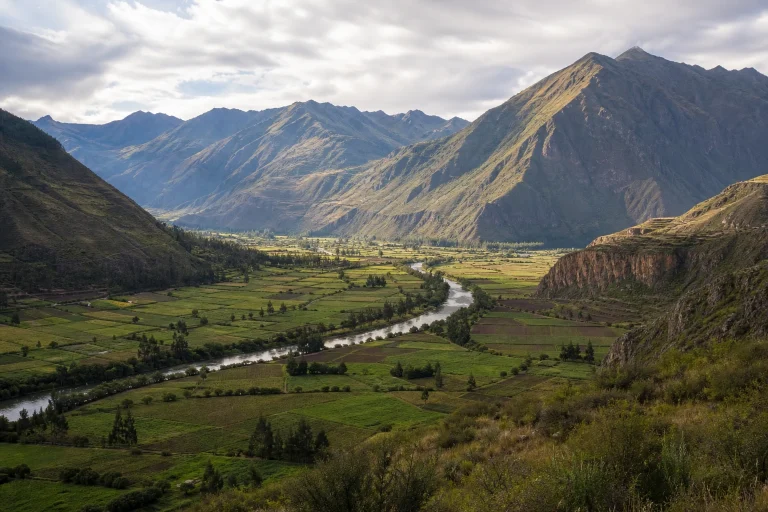
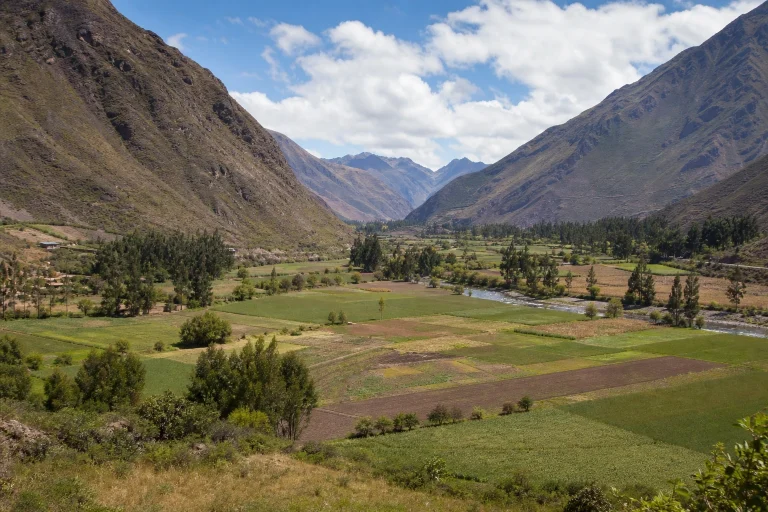
Sacred Valley festivals are best planned town by town. The annual calendar moves between Ollantaytambo, Urubamba, Coya, Calca, Písac, and San Salvador, with religious observances and locally organized programming shaping each celebration. On August 16, 2026, Virgen Asunta in Coya and Calca falls within its listed August 15 to 18 window, while September and October bring the next calendar dates. Build the trip around one town, then leave room for transport and the day’s local rhythm.
What to know before planning a festival trip
- Use the annual dates as planning windows, then check the town’s current program for daily activities, routes, and timing.
- For Ollantaytambo, Señor de Choquekillka is the standout local celebration. It runs around movable Pentecost and lasts four days.
- Virgen Asunta in Coya and Calca is the timely August 15 to 18 calendar listing for travelers in the Valley on August 16, 2026.
- Inti Raymi belongs to Cusco city, not the Sacred Valley. Treat it as a separate day with separate transport and overnight planning.
- Avoid pairing a festival, a major archaeological visit, and a train departure on the same day, especially during current Ollantaytambo access changes.
Festival days reward a slower plan. They can bring processions, crowds, long stretches of standing, and busy historic-town streets. In Ollantaytambo, the elevation is 2,845 metres, so a central base, a flexible arrival day, and a protected festival day are more useful than an overfilled schedule.

From Urubamba & Ollantaytambo: Sacred Valley Day tour with Lunch
Explore the best and most unique sites in the Sacred Valley on a private tour. Visit the impressive ruins of Ollantaytambo, an ancient Inca fortress...

Sacred Valley Tour: Pisac, Maras, Chinchero & Ollantaytambo
Explore the best of Peru’s Sacred Valley on a private full-day tour designed for a personalized and comfortable ex...

Private Transfer from Valle Sagrado to Alejandro Velasco Astete (CUZ) Airport
Take the worry out of your departure to Alejandro Velasco Astete (CUZ) Airport and pre-book a private transfer to su...
Sacred Valley festival calendar for 2026 planning
These are annual calendar listings, not a substitute for the current municipal program. Several dates are movable, and smaller celebrations can set their own daily sequence, gathering points, traffic arrangements, and any admission rules. Check the local program before committing to a tightly timed transfer, rail journey, or tour.
| Calendar window | Town or area | Planning note | Status on August 16, 2026 |
|---|---|---|---|
| May 14 to 16 | Ollantaytambo and Urubamba | San Isidro Labrador is listed in both towns. | Past |
| May to June, movable | Urubamba | Señor de Torrechayoc is a movable annual listing. | Past |
| Around Pentecost, movable | Ollantaytambo | Señor de Choquekillka lasts four days around Pentecost. | Past |
| June 29 planning lead | Ollantaytambo | Ollantayraymi is listed on the newer annual calendar; confirm the municipal date. | Past |
| July 15 to 18 | Písac, Paucartambo, and Huarocondo | Virgen del Carmen is listed across these places, which should not be treated as one Valley-only event. | Past |
| August 15 to 18 | Coya and Calca | Virgen Asunta is the current calendar window. | In progress |
| September 14 | Calca | Señor de Huanca is the next listed September observance. | Upcoming |
| October 6 to 9 | Huallhua, San Salvador | Virgen del Rosario is the next listed October observance. | Upcoming |
For an August 16, 2026 visit, Virgen Asunta in Coya and Calca is the immediate opportunity, within its August 15 to 18 calendar window. It is a strong reason to focus on that part of the Valley, but confirm the local sequence before arranging a day around it. Exact event hours, routes, access arrangements, and ticketing should not be assumed from the annual date alone.
The September 14 Señor de Huanca observance in Calca and Virgen del Rosario in Huallhua, San Salvador, from October 6 to 9 offer later-season calendar anchors. They suit travelers who want a local festival date in the itinerary without forcing a June trip. Plan the town first, then fit accommodation and onward transport around its current program.
Señor de Choquekillka: Ollantaytambo’s festival to plan around
Señor de Choquekillka is the clearest Sacred Valley festival anchor for travelers drawn to Ollantaytambo. The four-day celebration takes place around Pentecost and includes religious observances, food preparation and tasting, and artistic activities. Pentecost changes date each year, so this is a festival to schedule around the confirmed local program rather than a fixed May or June date.

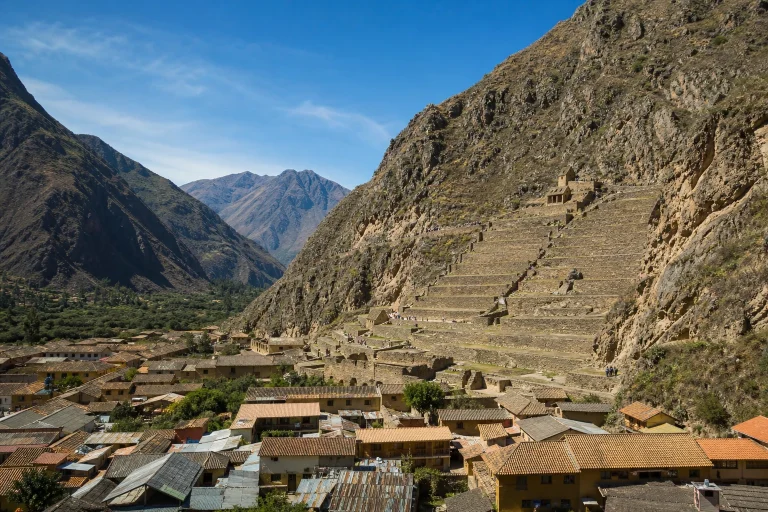
Give Ollantaytambo time as a living Inca town rather than treating it as a station stop. Its historic streets, elevation, and festival-day activity make an unhurried stay especially valuable. A central lodging base reduces unnecessary transfers and leaves space to follow the celebration without watching the clock.
How to shape a Choquekillka itinerary
- Confirm the Pentecost-period dates and the four-day sequence with the current Ollantaytambo program.
- Reserve a flexible stay that covers the part of the celebration you most want to attend.
- Keep the festival day free of a fixed train departure or a major archaeological visit.
- Use a compact overnight bag if continuing to Machu Picchu by rail.
- Allow extra transfer time while access around Ollantaytambo is affected by road works.
This festival especially suits travelers who want a locally rooted observance rather than a large staged city program. Its limitation is timing: Pentecost moves, and practical details come from the local program. Once the date is confirmed, let Choquekillka determine the order of the rest of the trip, not the other way around.

Machu Picchu Private Tour with Ticket, Bus from Aguas Calientes
Maximize your time at Machu Picchu with this private guided tour starting directly from Aguas Calientes. Skip the ha...

One-Day Inca Trail Hike to Machu Picchu from Cusco
Experience the best of the legendary Short Inca Trail in just one day from Cusco. Begin your hike at Km 104 and foll...

Machu Picchu Shuttle Bus Round-Trip Tickets from Aguas CalienteS
Travel worry-free aboard the official CONSETTUR shuttle bus, the only authorized transportation between Aguas Calien...
Other Sacred Valley celebrations by town
Urubamba and Ollantaytambo share the May 14 to 16 San Isidro Labrador calendar window. Urubamba also lists Señor de Torrechayoc in the movable May to June period. These dates can help shape a late-autumn Valley stay, but the local program remains essential for deciding which day and town deserve the overnight.
Coya and Calca in August and September
Virgen Asunta is listed in Coya and Calca from August 15 to 18, followed by Señor de Huanca in Calca on September 14. For mid-August travelers, Coya and Calca are the natural focus. For September visitors, Calca becomes the relevant town to watch, with exact activity details set locally.
Písac, Paucartambo, Huarocondo, and San Salvador
Virgen del Carmen is listed from July 15 to 18 across Písac, Paucartambo, and Huarocondo. Písac fits a conventional Sacred Valley route, while the other listed places should be planned on their own geography rather than folded into a narrow Valley itinerary. Virgen del Rosario, meanwhile, is listed in Huallhua in San Salvador from October 6 to 9.
Inti Raymi belongs to Cusco city, not the Sacred Valley
Inti Raymi is a major June draw for the wider Cusco region, but it is not an Ollantaytambo or Urubamba festival. The official 2026 ceremony took place on June 24 at Qorikancha, Cusco’s Plaza de Armas, and Sacsayhuamán. Plan it as a Cusco city day, with its own transport, timing, and overnight decisions.
Pair Inti Raymi with a Sacred Valley festival only if the itinerary has breathing room. The reward is contrast: a formal, large-scale Cusco program alongside a locally rooted Valley observance. The practical cost is extra movement between Cusco and the Valley, so avoid presenting the two as events in the same town or on the same easy day.
Festival logistics: bases, trains, and current Ollantaytambo access
Choose a base that matches the festival town
Stay near the town hosting the festival when the celebration is the point of the trip. Ollantaytambo works well for Choquekillka and rail connections; Urubamba, Coya, and Calca make more sense when their own calendar dates are the priority. For a broader decision on where to stay in the Sacred Valley, compare lodges, hotels, and villages against the events on your itinerary.
Rail connections to Machu Picchu
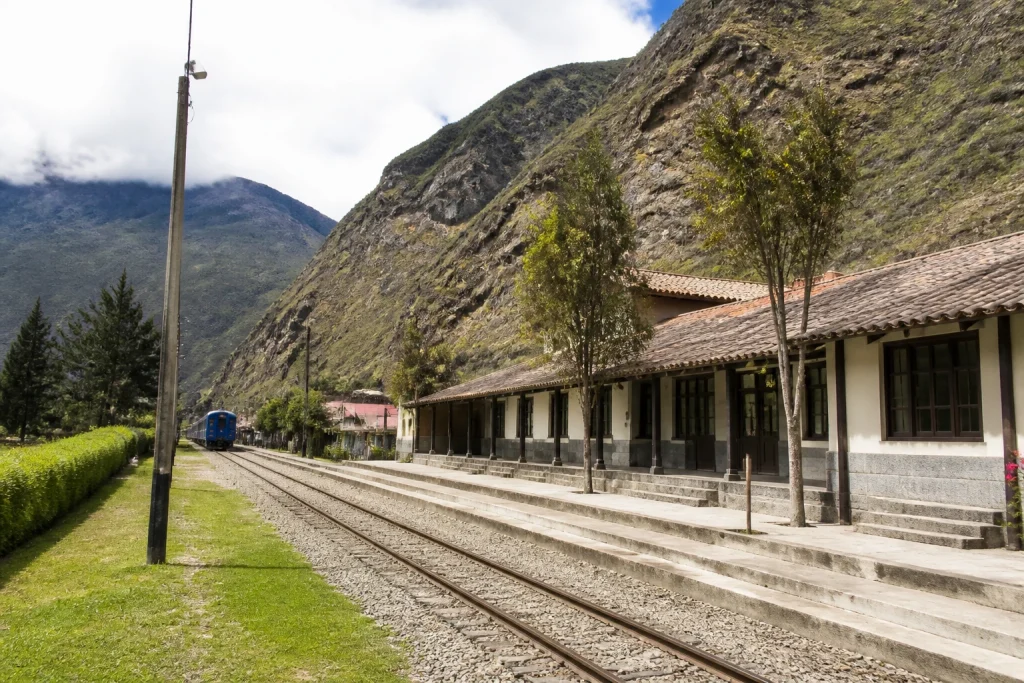
Ollantaytambo, Urubamba, and Pachar are distinct Sacred Valley rail stations. For boarding at Ollantaytambo and Urubamba, arrive 30 minutes before departure. PeruRail’s listed Machu Picchu services allow one piece of hand luggage up to 8 kilograms and 115 linear centimetres, approximately 55 by 35 by 25 centimetres. A compact festival bag makes a rail continuation far simpler.
When choosing a service, a PeruRail or Inca Rail comparison for Sacred Valley trains to Machu Picchu can help separate the route decision from the festival plan. Keep larger luggage out of the train plan by arranging storage or a separate transfer, rather than expecting to board with full trip bags.
Allow extra time around Ollantaytambo
Road works beginning April 13, 2026 are expected to alter access to Ollantaytambo station for approximately eight months. Some bimodal arrangements use bus transfers from Pachar, including the stated plans for Expedition 504 and Vistadome 606. Recheck the exact train, station approach, and transfer instructions shortly before departure, particularly when a festival day makes roads and streets busier.
Separate vehicle-access works associated with the Pumamarca component of the Ollantaytambo archaeological monument are scheduled through September 8, 2026. Leave a time buffer for local road movement through that date. It is a sensible precaution for anyone combining Ollantaytambo, a festival, and a rail or private-transfer connection.
Still comparing Sacred Valley Festival Trip Planning?
Ask for tour ideas, hotel suggestions, or a simple trip plan that combines both.
Trip Helper
Tickets, costs, and reservations
Do not assume a local patronal celebration has one standard tourist ticket or a fixed seating price. Rail travel and any formal Inti Raymi seating are separate purchases, and availability can be limited. Check current prices, terms, and sales arrangements through the operating rail company and the relevant official event seller before paying.
For smaller Valley observances, lodging and transport are often the purchases that need the most thought. Secure the base that lets you attend the festival without a rushed return journey, then build rail or private transfers around it. This order preserves the celebration as the center of the itinerary.
Pack for a festival day and a possible train transfer
- Supportive walking shoes for historic-town streets and extended standing.
- A small day bag that keeps essentials close during crowds and processions.
- One rail-compliant hand-luggage piece if continuing by a listed Machu Picchu train service: up to 8 kilograms and 115 linear centimetres.
- Your accommodation, rail, and local-program details saved where you can quickly find them.
- Any personal mobility or medical equipment arranged in advance with the relevant provider.
Accessibility and respectful festival participation
Accessibility arrangements should be confirmed before travel. Festival sites and current rail-access information do not provide a uniform promise of step-free routes, accessible toilets, reserved viewing, or other services. Contact the municipality or festival organizer, your accommodation, and the rail operator with specific mobility or medical-equipment needs. Allow extra time in Ollantaytambo while access routes are changing.

A respectful approach keeps the day enjoyable for everyone. Follow local directions around religious observances, do not block a procession or gathering for photographs, and ask before making close portraits. The best festival memories come from paying attention to the event rather than trying to force it into a rigid sightseeing schedule.
Choose the Sacred Valley festival that fits your trip
- For an August 16, 2026 stay: focus on Virgen Asunta in Coya and Calca, listed from August 15 to 18.
- For Ollantaytambo: build a future trip around the movable four-day Señor de Choquekillka celebration near Pentecost.
- For a June Cusco cultural program: choose Inti Raymi, while treating it as a city event separate from the Valley.
- For later 2026 dates: consider Señor de Huanca in Calca on September 14 or Virgen del Rosario in Huallhua, San Salvador, from October 6 to 9.
Make the festival day the anchor of the journey
A Sacred Valley festival trip suits travelers willing to let one town set the pace. Choose the calendar window that matches your dates, sleep close to the celebration, and protect the festival day from hard transfer deadlines. Ollantaytambo and Choquekillka are the strongest pairing for a future movable-date trip; Coya and Calca are the immediate focus for mid-August 2026. Confirm the current program, then travel with time to participate thoughtfully.
Frequently asked questions
What Sacred Valley festival is happening on August 16, 2026?
Virgen Asunta in Coya and Calca is listed from August 15 to 18, so August 16 falls within its calendar window. Check the current local program for the day’s activities, routes, and timings.
When is Señor de Choquekillka in Ollantaytambo?
Señor de Choquekillka takes place around Pentecost and lasts four days. Pentecost moves each year, so confirm the local Ollantaytambo program before choosing travel dates.
Is Inti Raymi a Sacred Valley festival?
No. Inti Raymi is held in Cusco city, with the 2026 ceremony staged at Qorikancha, Plaza de Armas, and Sacsayhuamán on June 24.
Can I attend a festival and take the Machu Picchu train on the same day?
You can, but it is wiser to keep a generous buffer or separate the plans. Ollantaytambo and Urubamba passengers should arrive 30 minutes before departure, and current access changes around Ollantaytambo can affect the journey to the station.
Do Sacred Valley festivals require tickets?
Do not assume there is a standard tourist ticket for a local patronal observance. Rail travel and any formal Inti Raymi seating are separate purchases, so check current arrangements with the relevant operator or event seller.
Are Sacred Valley festivals accessible for travelers with mobility needs?
Accessibility arrangements need to be confirmed for the specific town and event. Ask the municipality or organizer, accommodation, and rail operator about your particular needs, and allow extra time at Ollantaytambo during current access changes.
From Urubamba & Ollantaytambo: Sacred Valley Day tour with Lunch
Explore the best and most unique sites in the Sacred Valley on a private tour. Visit the impressive ruins of Ollantaytambo, an ancient Inca fortress...
Sacred Valley Tour: Pisac, Maras, Chinchero & Ollantaytambo
Explore the best of Peru’s Sacred Valley on a private full-day tour designed for a personalized and comfortable ex...

Machu Picchu 2Day Tour by Train from Cusco with Overnight Stay
Our tour guides at Machu Picchu are incredibly passionate about storytelling and are committed to creating unforgett...
Private Transfer from Valle Sagrado to Alejandro Velasco Astete (CUZ) Airport
Take the worry out of your departure to Alejandro Velasco Astete (CUZ) Airport and pre-book a private transfer to su...