Huchuy Qosqo Hike Guide
Plan a Huchuy Qosqo hike with route options from Tambomachay, Lamay, and Calca, plus practical advice on altitude, transport, costs, trail conditions, and accessibility.
 Visit Sacred Valley
October 11, 2026
Visit Sacred Valley
October 11, 2026
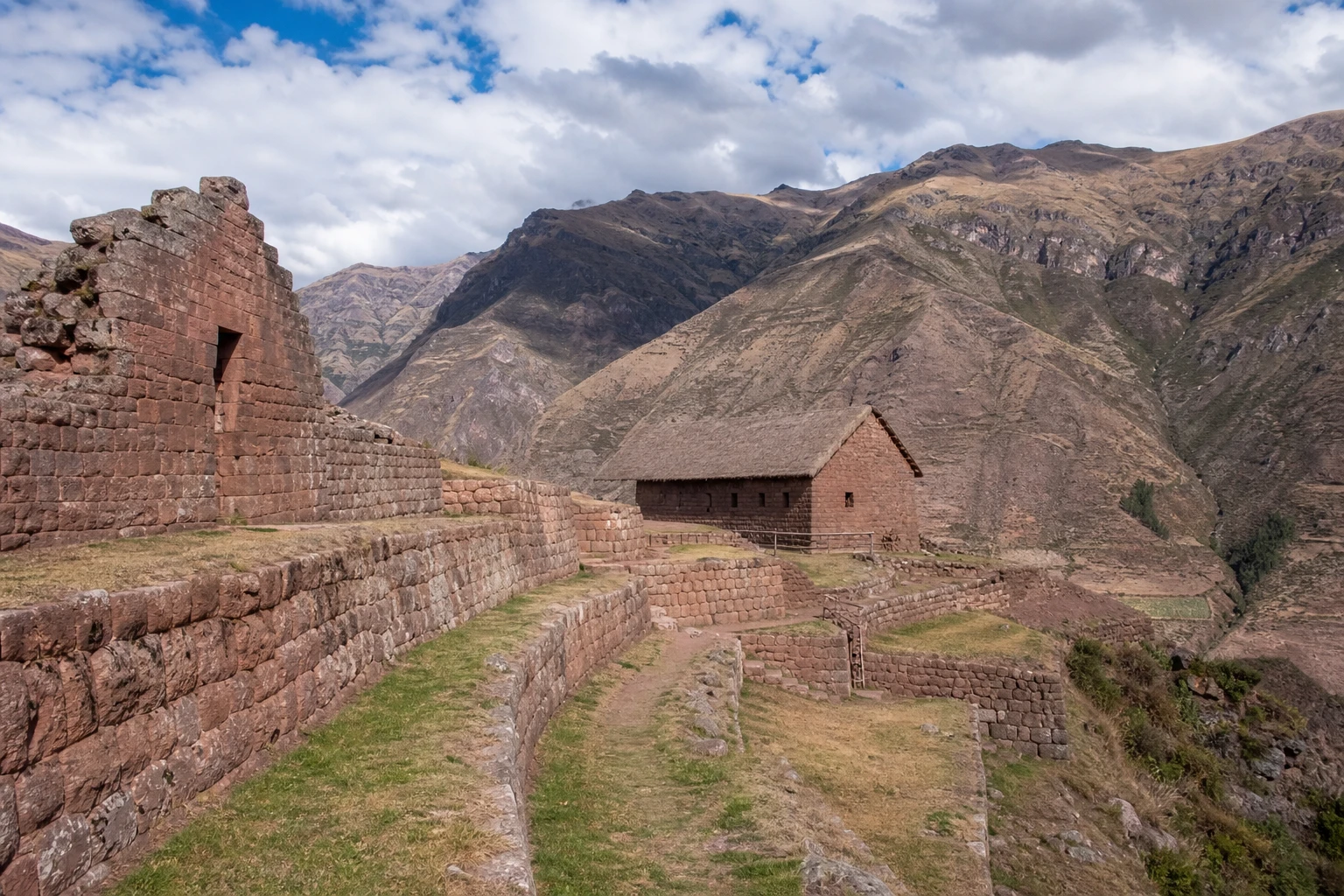
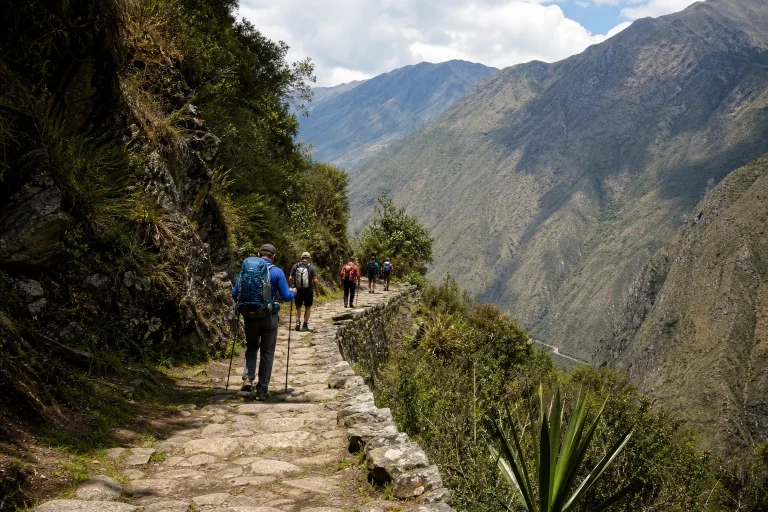
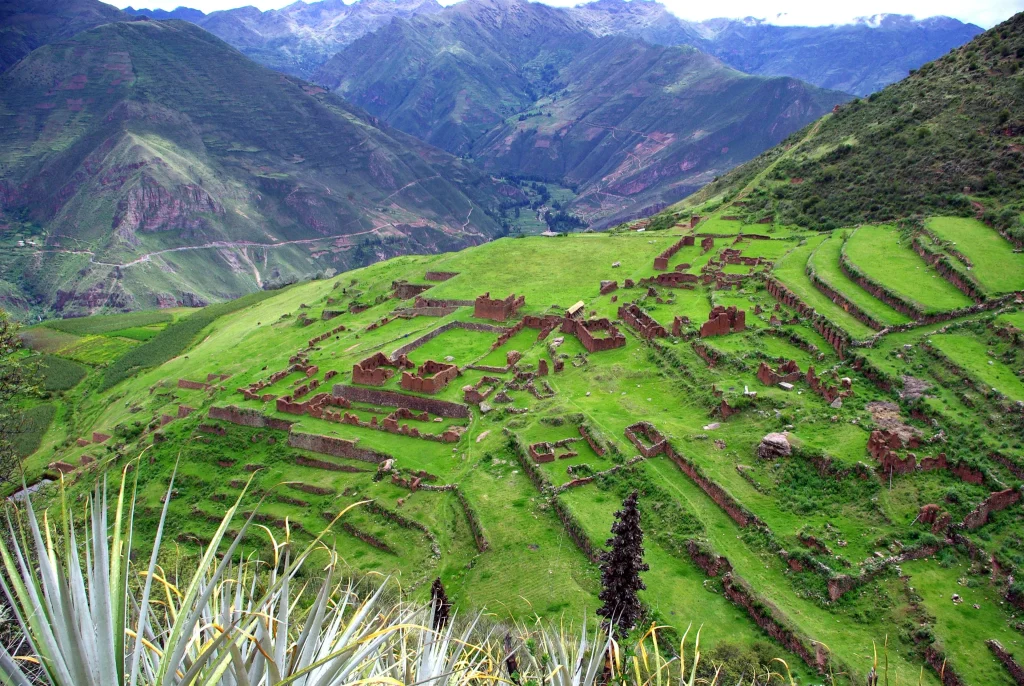
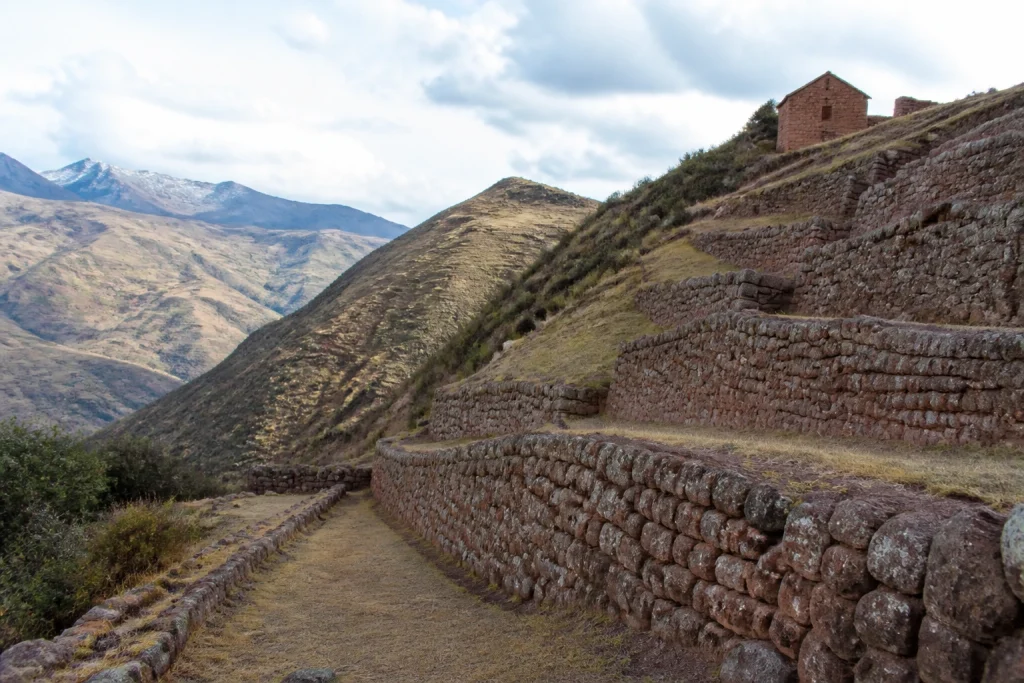
A Huchuy Qosqo hike is a high-elevation day or overnight trek to an archaeological site above Peru’s Sacred Valley, near Lamay and Calca. The site stands at about 3,600 m (11,800 ft), so this is a rewarding outing for travelers who have already adjusted to Cusco’s altitude and want the walk itself to be the focus of the day. Several approaches exist, each with a different starting point and level of commitment.
- Plan for an archaeological site at about 3,600 m (11,800 ft), with some highland starts rising above 4,200 m.
- Choose between documented approaches near Tambomachay, Lamay, and Calca or Minasmoqo rather than assuming there is one standard trail.
- The Tambomachay route can be a full-day hike at a good pace or a two-day trip with camping.
- Do not assume the Cusco Tourist Ticket includes Huchuy Qosqo, and confirm any site admission charge locally before departure.
- Slope, altitude, and rainy-season trail conditions are the main practical challenges, so acclimatization and a current local trail check matter.
- Do not make plans around cable-car access unless an operating service is independently confirmed for your dates.
Start with the right expectations for Huchuy Qosqo
Huchuy Qosqo works best for hikers who can give the outing their full attention. The documented approaches range from a highland trek near Tambomachay to routes beginning from the Sacred Valley side near Lamay and Calca. That variety is useful, but it also means trailhead logistics, walking time, and transport arrangements depend on the route you choose. Select your approach before arranging a guide, transfer, or place to stay.
Choose a route that fits your acclimatization and schedule
The key decision is between a higher, more substantial trek and an approach that begins in the Sacred Valley. Sources describe access near Tambomachay, via Lamay, and via Calca or Minasmoqo. Do not treat these as interchangeable versions of a single marked walk. Their starting elevations, transport needs, and practical pacing differ, so confirm the exact route being offered or planned before committing to the day.
Tambomachay: the highland full-day or overnight option
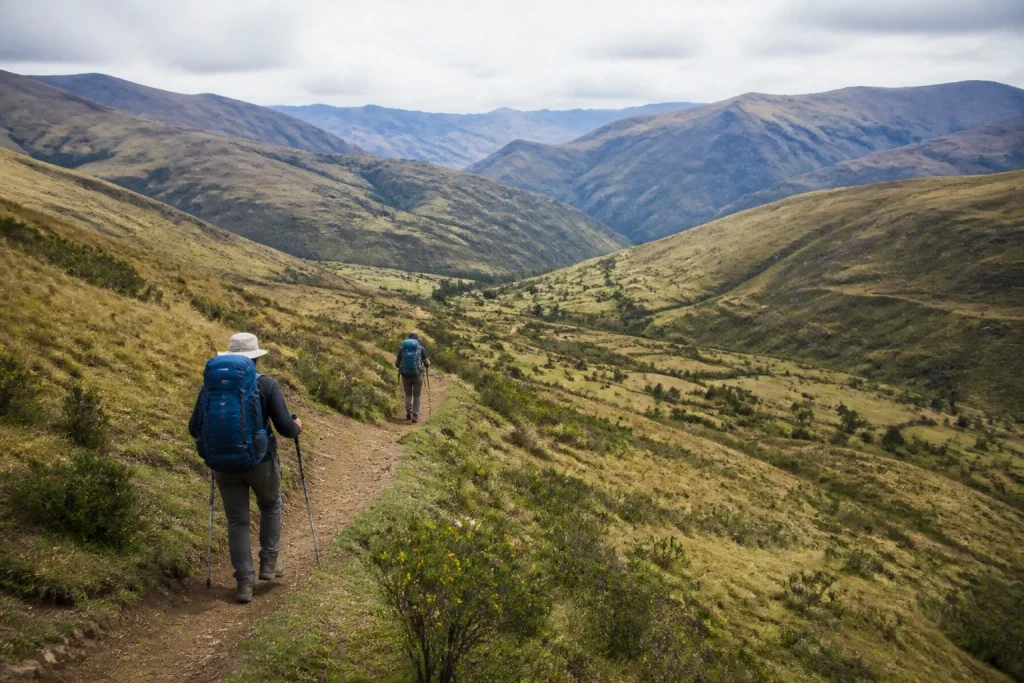
The approach from near Tambomachay is the option to consider when you want a proper high-altitude trek. It is described as a full-day hike at a good pace, or as a two-day outing with camping. Starts on this high-route side can exceed 4,200 m, materially increasing the need to acclimatize before hiking. Avoid putting this route at the very beginning of a Cusco itinerary.
Lamay: a Sacred Valley approach
Lamay provides a documented Sacred Valley approach to Huchuy Qosqo. It is a sensible starting point for travelers building the hike around a valley-based itinerary, though exact route timing should be confirmed locally rather than copied from a generic itinerary. Arrange how you will reach the Lamay-side trailhead and how you will continue after the hike before setting out.
Calca or Minasmoqo: another approach to check locally
A Calca or Minasmoqo approach is also described for Huchuy Qosqo. It expands the options for travelers staying on the Sacred Valley side, but it is not a reason to skip advance coordination. Check the intended start point, trail condition, and onward transport shortly before the hike, particularly when wet weather has affected local paths.
Prepare for altitude before you start walking
The site’s elevation of about 3,600 m is significant in its own right. On routes that begin near Tambomachay or Chinchero, the day can involve elevations above 4,200 m before reaching Huchuy Qosqo. That difference changes the character of the hike. The highland alternatives offer a bigger trek, but they also place greater demands on travelers who have not yet acclimatized.
Give yourself time at altitude before choosing the high route, then set a pace that is sustainable for the whole group. Altitude, slope, and changing trail conditions are the three challenges to plan around. Flexibility is more valuable than trying to force a fixed itinerary, especially if the group is still settling into the elevation.
- Schedule the hike after acclimatizing in the Cusco region.
- Choose Tambomachay or Chinchero-side starts only if everyone is ready for higher elevation.
- Keep the day free of tightly timed onward connections.
- Match the route to the group’s hiking experience and comfort on slopes.
- Reassess the plan if rain has recently affected local trail conditions.
Still comparing Airport Transfers?
Ask for tour ideas, hotel suggestions, or a simple trip plan that combines both.
Trip Helper
Arrange trailhead and finish transport before hiking
Transport is a core part of the Huchuy Qosqo plan, not an afterthought. Budget separately for travel to the selected trailhead and travel from the finish in the Sacred Valley. Your choice of a Sacred Valley base among lodges, hotels, and villages can shape those arrangements, so decide where to stay before locking in transfers. A route that looks simple on a map can become awkward if the finish transport has not been organized.
Independent planning requires a local conditions check
Independent hikers should confirm the precise trailhead, the intended approach, current ground conditions, and the finish transport plan shortly before departure. Slope, altitude, and rainy-season conditions can all affect the day. Carry a plan that suits the route actually open and practical at the time, rather than relying on a standard online description.
Guided hikes can simplify the moving parts
A guide or organized hike can be useful when you prefer to combine route planning, transport coordination, and food or camping arrangements into one plan. Inclusions vary, so check exactly what is covered, especially transfers, camping equipment, meals, and optional horse support. For formal travel services and Cusco destination contacts, use current traveler information published for the Cusco region when comparing providers.
Read trail conditions and weather close to departure
Rainy-season trail conditions deserve special attention on this hike. Rain can make slopes more difficult and can change the practical feel of a route that would otherwise suit your group. Check conditions locally shortly before setting out, and take rain and sun protection even when the morning begins clear. This is a simple precaution that makes a high-elevation day more manageable.
Build your plan around the conditions rather than a promised finish time. The Tambomachay option has a documented full-day format, while the Lamay and Calca approaches do not have a single published duration that applies to every traveler. Let the selected route, weather, acclimatization, and group pace determine the day’s rhythm.
What to bring for a high-elevation hike
Pack for exposure, changing weather, and the route you have chosen. Bring gear that lets you remain comfortable without overloading yourself, and make sure food and water plans match the hike’s expected format. Overnight walkers need to account for camping equipment unless it is supplied as part of an organized arrangement.
- Rain layer and sun protection.
- Comfortable footwear with grip for slopes.
- Warm, adaptable layers for high elevation.
- Water and food suited to the route length.
- A charged phone and route details for your selected approach.
- Camping equipment if doing the two-day Tambomachay option and it is not included.
- Money for transport, any current admission charge, and personal supplies.
Budget for transport, support, and a possible site charge
There is no reliable one-price budget for a Huchuy Qosqo hike because the route and level of support vary. Build your estimate from separate parts: trailhead and finish transport, any current site admission, and optional services such as a guide, private transfer, horse support, camping equipment, and food. This approach makes it easier to compare an independent hike with an organized one without relying on stale package prices.
| Budget item | What to plan for |
|---|---|
| Transport | Travel to the selected trailhead and onward transport from the Sacred Valley finish. |
| Admission | Confirm the current Huchuy Qosqo site charge locally before departure. |
| Guiding and transfers | Optional guide services and private transfers vary by route and provider. |
| Hiking support | Camping equipment, food, and optional horse support depend on the format chosen. |
Do not assume the Cusco Tourist Ticket covers Huchuy Qosqo. The currently posted Sacred Valley circuit lists Pisaq, Ollantaytambo, Chinchero, and Moray, but not Huchuy Qosqo. Admission information for the site itself has been inconsistent, so confirm locally before departure whether a charge applies. Avoid publishing or planning around an unconfirmed entrance price.
Do not rely on unconfirmed cable-car access
A regional government announcement in 2025 described a cable-car project from Sacllo in Calca, but that announcement does not confirm a tourist service is operating. Do not treat a cable car as a current alternative to hiking or as a way to simplify access. Only add it to your plans when a current operating notice confirms the service, timetable, price, and booking process for your travel dates.
Accessibility needs require advance arrangements
Huchuy Qosqo is not a verified accessible attraction. The documented ways of reaching it are high-elevation hiking routes, and there is no confirmed step-free access, wheelchair-adapted transport, accessible toilets, or dedicated evacuation and medical facilities. Travelers who need mobility accommodations should secure current arrangements with a local operator or Cusco tourism authorities before booking this outing.
Is the Huchuy Qosqo hike worth adding to your Sacred Valley itinerary?
Yes, for acclimatized travelers who want a real highland hike paired with an archaeological destination. Its strength is choice: a demanding Tambomachay route with a full-day or camping format, plus documented approaches from the Sacred Valley side. Its limitation is logistics, because route conditions, transport, and admission details need a current check. Use it as the active centerpiece in a broader plan of the best things to do in the Sacred Valley for first-time visitors, and build in enough time to hike at a sensible pace.
Frequently asked questions
Where is Huchuy Qosqo and how high is it?
Huchuy Qosqo is above the Sacred Valley near Lamay and Calca, at about 3,600 m (11,800 ft). Some hiking approaches begin considerably higher, with Tambomachay and Chinchero-side starts able to exceed 4,200 m.
How long does the Huchuy Qosqo hike take?
The Tambomachay approach can be completed as a full-day hike at a good pace or as a two-day camping trip. Timing for Lamay and Calca or Minasmoqo approaches varies, so confirm the exact itinerary for the route you choose.
Which Huchuy Qosqo route should I choose?
Choose Tambomachay for a more substantial high-altitude trek, or consider Lamay and Calca or Minasmoqo for documented Sacred Valley approaches. Your acclimatization, desired pace, transport plan, and current trail conditions should guide the decision.
Does the Cusco Tourist Ticket include Huchuy Qosqo?
Do not assume it does. The currently posted Sacred Valley circuit lists Pisaq, Ollantaytambo, Chinchero, and Moray, but it does not list Huchuy Qosqo; confirm any separate admission charge locally before departure.
Is there a cable car to Huchuy Qosqo?
Do not plan on cable-car access unless a current operating service is confirmed for your dates. A cable-car project was announced in 2025, but that announcement does not establish an operating tourist service.
Is Huchuy Qosqo accessible for travelers with limited mobility?
Huchuy Qosqo is not a verified accessible attraction because the documented approaches are high-elevation hiking routes. Travelers needing mobility accommodations should arrange current, specific support with a local operator or Cusco tourism authorities before booking.