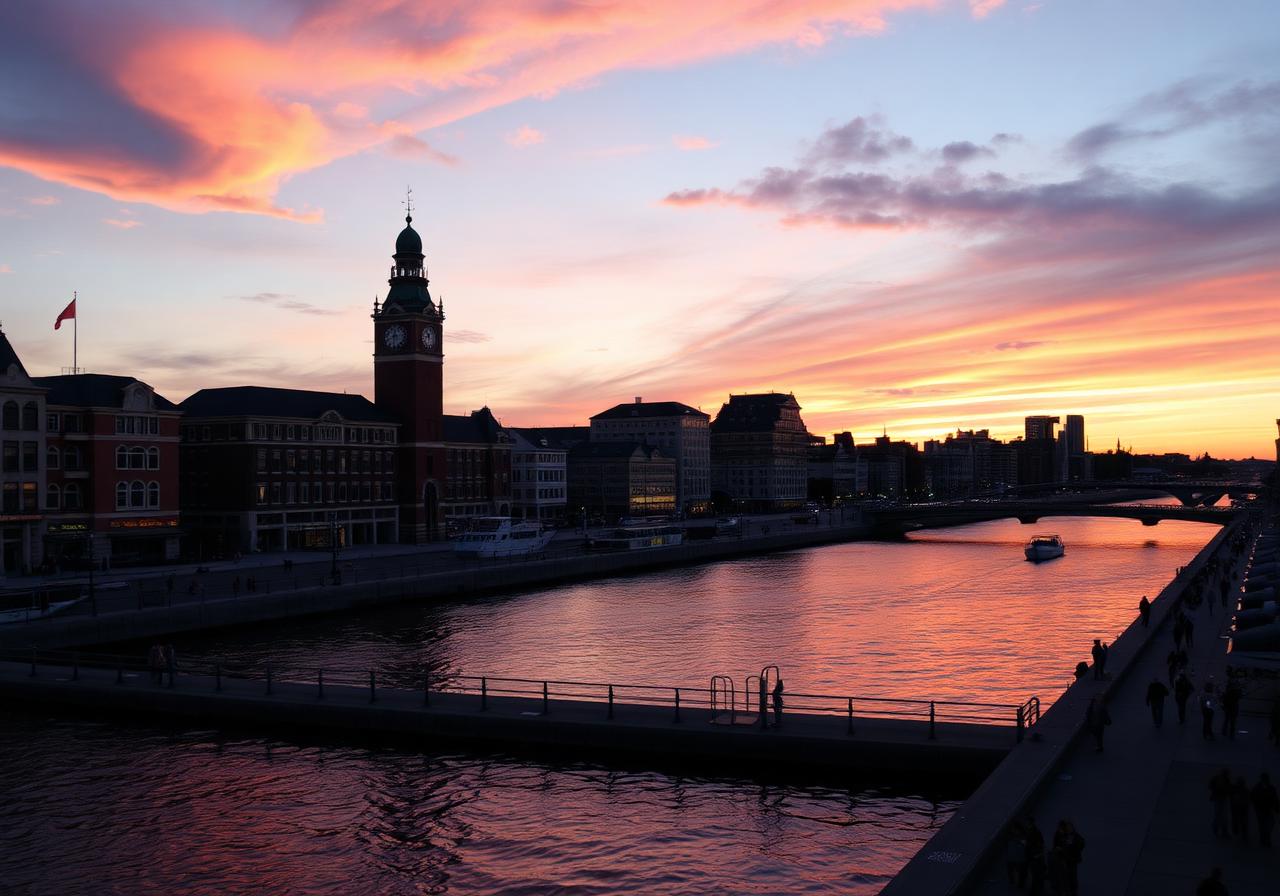
Where to start, where to stop for coffee, and the spot most worth lingering at golden hour.
Plan around the experience you want
Start by deciding what would make An Hour at the Old Port: A Walk That Actually Pays Off worthwhile for your particular trip. A useful plan leaves room for travel time, rest, weather changes, and the interests of everyone in the group. Keep one or two priorities fixed, then treat the rest as optional. That approach makes the day easier to adjust without losing the reason you chose it.
Use the original guide summary above as your starting point, then confirm current details with the venue, operator, park, transit agency, or destination authority before setting out. Opening hours, access rules, reservations, seasonal conditions, and transport schedules can change after an article is published.
Make it fit your trip
Think about where you are staying, how long the journey takes, and what else is nearby. Grouping stops by area usually creates a calmer itinerary than crossing the destination several times. If this is your first visit, allow more time than the shortest estimate: finding entrances, parking, ticket desks, and meeting points is part of the experience.
- Timing: check the official source close to your visit and leave a buffer between timed plans.
- Access: review walking distances, surfaces, stairs, washrooms, seating, and mobility information for your group.
- Weather: bring suitable layers, sun or rain protection, and water for the conditions.
- Reservations: book only through an authorized provider and read the change and cancellation terms.
Visit with context
Old Montreal & Old Port experiences are better when local communities and shared spaces are treated with care. Follow posted rules, stay on public routes, ask before photographing people or private property, and carry out anything you bring in. At cultural and historic places, use the interpretation provided by the people and organizations responsible for the site rather than treating it as a backdrop.
Before you go
Recheck the official website on the day of travel, save the address and confirmation details offline, and make a simple fallback plan. If conditions are different from what you expected, changing pace or choosing a nearby alternative is usually better than forcing the original schedule. After the visit, this WordPress article can be updated with first-hand notes, current accessibility details, and verified links.