Best Viewpoints in the Sacred Valley
Find the best Sacred Valley viewpoints for broad valley photographs, archaeological settings, and practical sightseeing. Compare Mirador de Taray, Ollantaytambo, and the Cusco Tourist Ticket circuit, with transport and access tips.
 Visit Sacred Valley
August 16, 2026
Visit Sacred Valley
August 16, 2026

The Sacred Valley’s best viewpoints serve different kinds of trips. Mirador de Taray is the straightforward choice for a broad valley photograph and free entry. Ollantaytambo combines commanding geography with an archaeological visit. Pisac, Chinchero, and Moray work best as cultural stops within a ticketed circuit, not as rivals in a forced panorama contest.
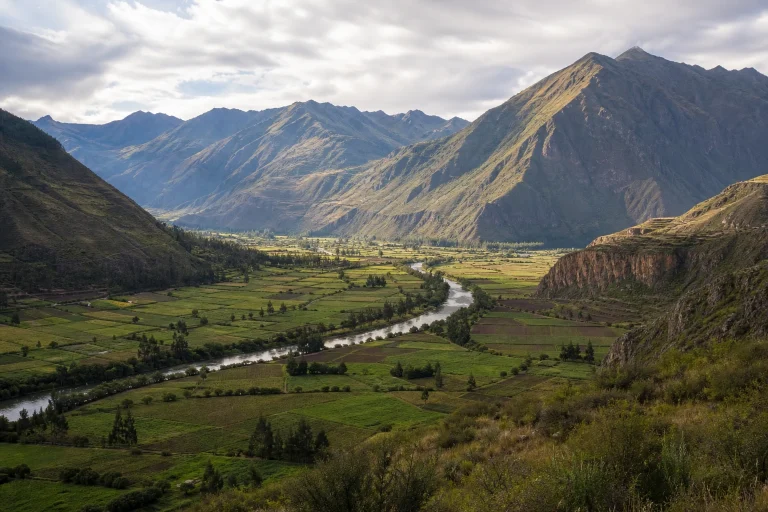
- Choose Mirador de Taray for wide views of the Vilcanota River, farmland, settlements, and mountains at 3,200 meters.
- Taray has free entry and lies about 5.8 kilometers from Pisac.
- Choose Ollantaytambo when you want archaeology and a strategically positioned valley setting in one stop.
- Use Circuit III of the Cusco Tourist Ticket to combine Pisac, Ollantaytambo, Chinchero, and Moray over two days.
- Keep transfer plans flexible: weather, road conditions, and unannounced disruptions can affect travel around Cusco.
The three viewpoint strategies that work best
| Stop or strategy | Best reason to go | Access and planning note |
|---|---|---|
| Mirador de Taray | A wide Sacred Valley photograph with the Vilcanota River, farmland, settlements, and mountain backdrop. | Free entry. It is about 5.8 kilometers from Pisac, and visibility depends on conditions. |
| Ollantaytambo Archaeological Park | A heritage-site visit in a strategic position that dominates the Sacred Valley. | Most visitors need the Cusco Tourist Ticket for admission. |
| Circuit III: Pisac, Chinchero, Moray, Ollantaytambo | A two-day cultural-and-landscape itinerary. | Circuit III includes all four sites; transport and guiding are separate from admission. |
Taray and Ollantaytambo are the clearest choices for two distinct view experiences. The other ticketed stops are worth building into a broader Sacred Valley day or two, especially if you want archaeological and cultural context around your scenery. That approach makes the ticket work harder and keeps expectations realistic at every stop.

Sacred Valley Alpaca Hiking Tour
We involve local people in the activity: By doing so, we provide an opportunity for them to actively participate in the tourism industry in Cusco. You...

Private Transfer from Valle Sagrado to Alejandro Velasco Astete (CUZ) Airport
Take the worry out of your departure to Alejandro Velasco Astete (CUZ) Airport and pre-book a private transfer to suit your group size (up to 14 peopl...
Mirador de Taray: the standout wide-valley photograph
Mirador de Taray is the lead choice for a classic, wide-angle Sacred Valley view. At 3,200 meters, it looks across the Vilcanota River, cultivated fields, villages, and mountain slopes. In clear conditions, snow peaks including Pitusiray can enter the scene. It is also a well-used photography stop, making it a strong pick when a single, expansive valley image is the priority.
The practical appeal is simple: entry is free, and Taray is about 5.8 kilometers from Pisac, with an estimated travel time of roughly eight minutes between them. From Cusco, the recorded road approach is approximately 30 kilometers and 40 minutes on paved road. Treat those figures as a planning baseline, then allow extra time for your day’s traffic and access conditions.
How to plan a Taray stop
- Prioritize a clear day. Rainy- and dry-season conditions affect how much of the valley and distant peaks are visible.
- Bring water, sun protection, and a warm layer for a stop at 3,200 meters.
- Do not build an itinerary around unconfirmed sunrise or sunset access. Plan a daytime visit unless local arrangements confirm otherwise.
- Travelers who need step-free access should check locally before relying on Taray as an accessible stop.
- Look for handicrafts sold by the Huayna Taray artisan association if vendors are present during your visit.
Taray suits travelers who want the Sacred Valley in one frame without paying an admission charge. Its main limitation is that the view is weather-dependent, so keep the stop flexible. If low clouds cover the upper slopes or distant peaks, it can still be a useful orientation point, but the biggest panorama comes with clear visibility.
Ollantaytambo: archaeology with a commanding valley setting
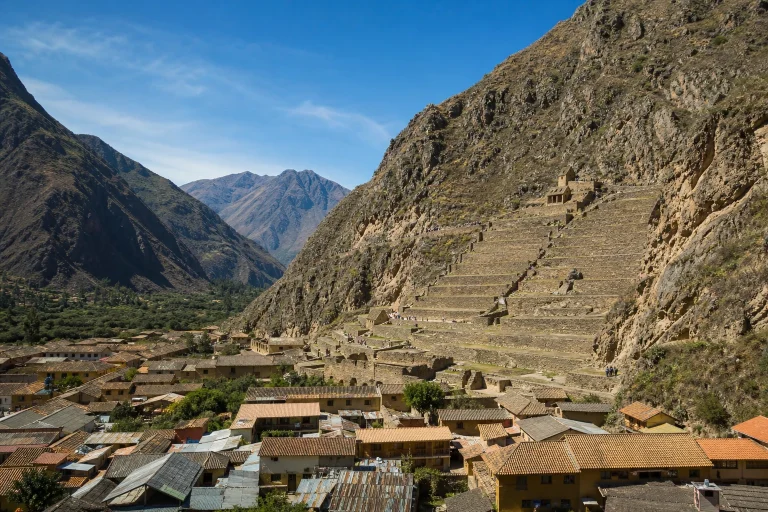
Ollantaytambo Archaeological Park is the best choice when the view should come with a substantial heritage-site visit. The complex was built across two mountains in a strategic position that dominates the Sacred Valley. That setting gives the stop a sense of scale that a roadside lookout cannot match, while keeping the landscape tied directly to the archaeological place around you.

This is a paid archaeological-site experience, not a free scenic pull-off. Most visitors enter with the Cusco Tourist Ticket, while the stated resident exception follows separate rules. Plan Ollantaytambo when you have time for the site itself, not only a quick photograph. The companion story, Ollantaytambo: Living Inside an Inca Town, is a useful follow-up for travelers who want a fuller sense of the destination.
- Choose Ollantaytambo if archaeology is already central to your Sacred Valley itinerary.
- Use the view as part of the site visit, not as a substitute for a standalone lookout.
- Bring your Cusco Tourist Ticket if it applies to your visitor category.
- Keep the day flexible if onward transport or train plans depend on fixed timings.
Use Pisac, Chinchero, and Moray as a ticketed landscape circuit
Pisac, Chinchero, Moray, and Ollantaytambo are all included in Circuit III of the Cusco Tourist Ticket. Their appeal is not identical, so it is more useful to connect them by interest than to rank them as interchangeable viewpoints. Use Taray for the direct wide-valley scene, then let the ticketed sites add longer cultural and archaeological chapters to the itinerary.
At Pisac, a fuller day can follow the appealing rhythm of a slow morning at the ruins and an afternoon in the market. At Chinchero, the story of Andean weaving that still holds the day together gives the stop a different focus. Moray’s circular terraces invite another kind of pause, especially for readers interested in Moray: Reading the Inca Agricultural Laboratory.
This circuit works well for travelers who have two days and want variety. It is less suited to someone seeking one guaranteed, uninterrupted panorama. Build your itinerary around the sites you most want to understand, and treat landscape views as part of the journey between them and the settings they occupy.

Machu Picchu Official Entry Ticket
Discover the wonder of Machu Picchu with an official entrance ticket. Choose from several official circuits, each of...

Machu Picchu Day Trip from Cusco | Guided Inca Citadel Tour
Machu Picchu stands 2,430 m above sea-level, in the middle of a tropical mountain forest, in an extraordinarily beau...

Machu Picchu Private Tour from Aguas Calientes with Ticket & Bus
Maximize your time at Machu Picchu with this private guided tour starting directly from Aguas Calientes. Skip the ha...
Cusco Tourist Ticket costs and purchase rules to know
For foreign visitors, the posted Circuit III partial ticket costs S/70 and is valid for two days. The posted integral ticket costs S/130 and is valid for 10 days. Circuit III includes Pisac, Ollantaytambo, Chinchero, and Moray. National-visitor pricing and age or student conditions differ, so check the applicable category before committing to a sightseeing plan.
The ticket covers admission, not transport or guiding. It is generally bought in person, including at participating sites. In Cusco, the central counter at Avenida El Sol 103 is listed as open daily from 07:30 to 18:00. Recheck prices, validity, and purchase conditions before travel because tariffs and operating arrangements can change.
- Buy the ticket only if your itinerary includes enough covered sites to make it worthwhile.
- Separate admission costs from your driver, tour, guide, meals, and other day expenses.
- Use the two-day validity of Circuit III to avoid squeezing every site into one rushed day.
- Keep the ticket with you throughout the circuit.
Plan transfers around the two useful Taray distances
Taray is easiest to understand through two separate reference points. It is about 5.8 kilometers from Pisac, with a travel estimate of around eight minutes. Its recorded approach from Cusco is about 30 kilometers and 40 minutes by paved road. These figures describe different routes, so do not add them together or assume they create a fixed all-day schedule.
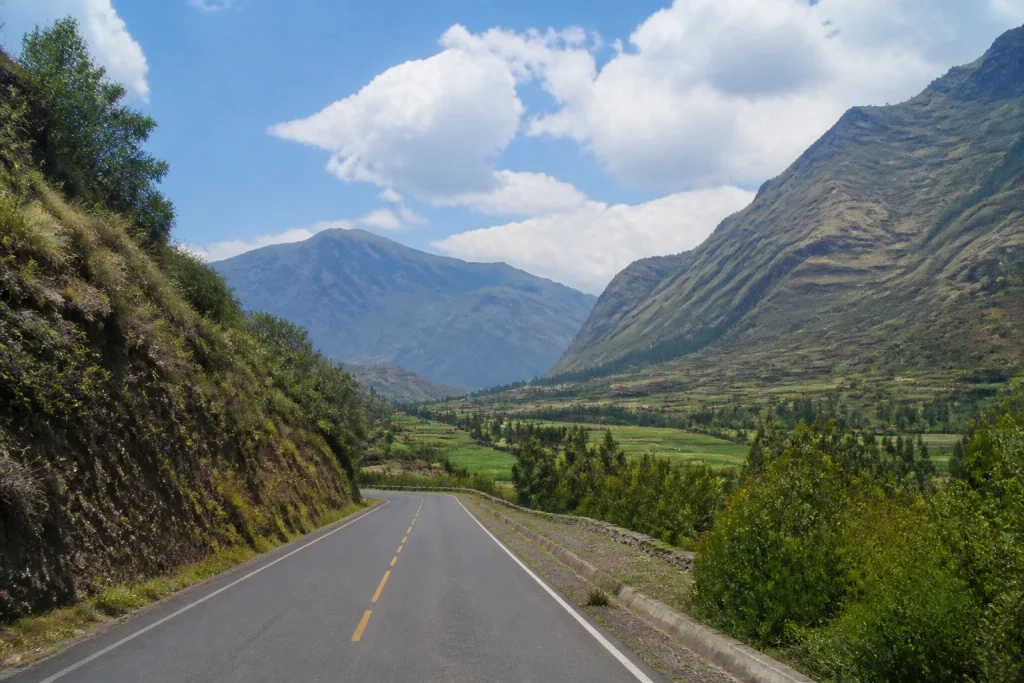
Do not depend on finding a guaranteed scheduled public bus for Taray. Arrange a driver, tour transport, or another confirmed transfer plan before setting out. A tour can simplify the logistics, but compare its included stops and timing carefully. The Tourist Ticket will not pay for that transport, even when the route also includes ticketed sites.
- For one broad Sacred Valley photograph, make Taray the main stop and add Pisac only if it fits naturally into the day.
- For a heritage-centered outing, devote the visit to Ollantaytambo and treat the valley setting as part of the archaeological experience.
- For a two-day itinerary, use Circuit III to connect Pisac, Chinchero, Moray, and Ollantaytambo without forcing a rushed one-day loop.
- For a trip with onward rail plans, keep a generous buffer around transfers and avoid stacking too many fixed-time commitments.
Leave room for road disruption and daylight travel
Protests in Peru can lead to unannounced roadblocks and train disruption, and Cusco is among the regions that have experienced protest activity. Build extra time into transfers, carry basic essentials for a delayed journey, and follow local-authority or operator guidance on the day. A flexible plan is particularly valuable when viewpoints are spread across the valley.
Independent travelers should also favor reputable transport providers and daylight travel where possible. Driving standards can be poor, and bus crashes are reported frequently, particularly at night and on mountainous or remote routes. The practical answer is simple: avoid overly tight connections, skip overnight road travel when you can, and leave the final transfer plan adjustable.
Which Sacred Valley viewpoint should you choose?
Choose Mirador de Taray if your priority is the simplest wide Sacred Valley photograph, free entry, and a clear look over the Vilcanota River valley. Choose Ollantaytambo if you would rather earn the landscape through an archaeological visit. Choose the Pisac, Chinchero, and Moray circuit when two days of ticketed culture matter more than finding one definitive lookout.
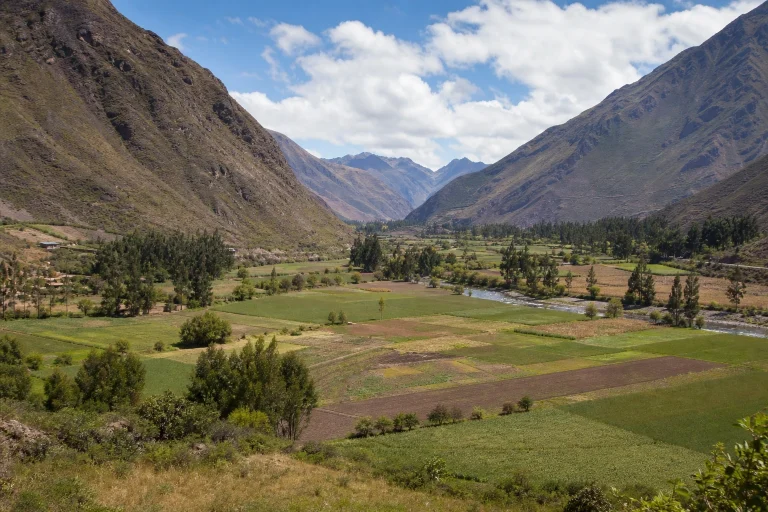
For most travelers, Taray is the best first viewpoint to place on the map. It delivers the Valley’s broad agricultural and mountain setting with the least financial commitment. Pair it with Ollantaytambo for history or with the Circuit III sites for a fuller itinerary, then let clear weather and sensible transfer time shape the final order of the day.
Frequently asked questions
What is the best free viewpoint in the Sacred Valley?
Mirador de Taray is the strongest free option for a broad Sacred Valley view. At 3,200 meters, it overlooks the Vilcanota River, farmland, settlements, and mountain slopes, and it is a popular place for photographs.
How far is Mirador de Taray from Pisac and Cusco?
Mirador de Taray is about 5.8 kilometers from Pisac, with an estimated journey of roughly eight minutes. The recorded paved-road approach from Cusco is about 30 kilometers and 40 minutes, although day-of-travel conditions can alter transfer times.
Do I need a Cusco Tourist Ticket for Ollantaytambo, Pisac, Chinchero, and Moray?
Most visitors need the Cusco Tourist Ticket for Ollantaytambo, and Circuit III includes Pisac, Ollantaytambo, Chinchero, and Moray. The stated resident exception and visitor-category conditions follow separate rules.
How much is the Circuit III Cusco Tourist Ticket?
The posted Circuit III partial ticket for foreign visitors is S/70 and is valid for two days. The posted integral ticket is S/130 and valid for 10 days; national pricing and age or student conditions differ, so recheck the current tariff before purchase.
Can I visit Mirador de Taray for sunrise or sunset?
Do not assume sunrise or sunset access at Mirador de Taray. Plan a daytime stop unless local staff, a driver, or your operator confirms access for the time you want to visit.
Is it safe to travel independently between Sacred Valley viewpoints?
Independent travel is possible, but allow extra time and use reputable transport providers. Roadblocks can occur without notice during protests, while poor driving standards and nighttime mountain travel add risk.
Sacred Valley Alpaca Hiking Tour
We involve local people in the activity: By doing so, we provide an opportunity for them to actively participate in the tourism industry in Cusco. You...

From Urubamba & Ollantaytambo: Sacred Valley Day tour with Lunch
Explore the best and most unique sites in the Sacred Valley on a private tour. Visit the impressive ruins of Ollanta...

Machu Picchu Private Tour from Aguas Calientes (Tickets included)
Discover Machu Picchu at your own pace with our exclusive Private Guided Tour from Aguas Calientes. Perfect for inde...
Private Transfer from Valle Sagrado to Alejandro Velasco Astete (CUZ) Airport
Take the worry out of your departure to Alejandro Velasco Astete (CUZ) Airport and pre-book a private transfer to su...