Sacred Valley First Night Guide
Plan a calm first night in the Sacred Valley: choose between Cusco and valley towns, pace a high-altitude arrival, arrange formal transport, and prepare for an early Ollantaytambo train.
 Visit Sacred Valley
August 16, 2026
Visit Sacred Valley
August 16, 2026
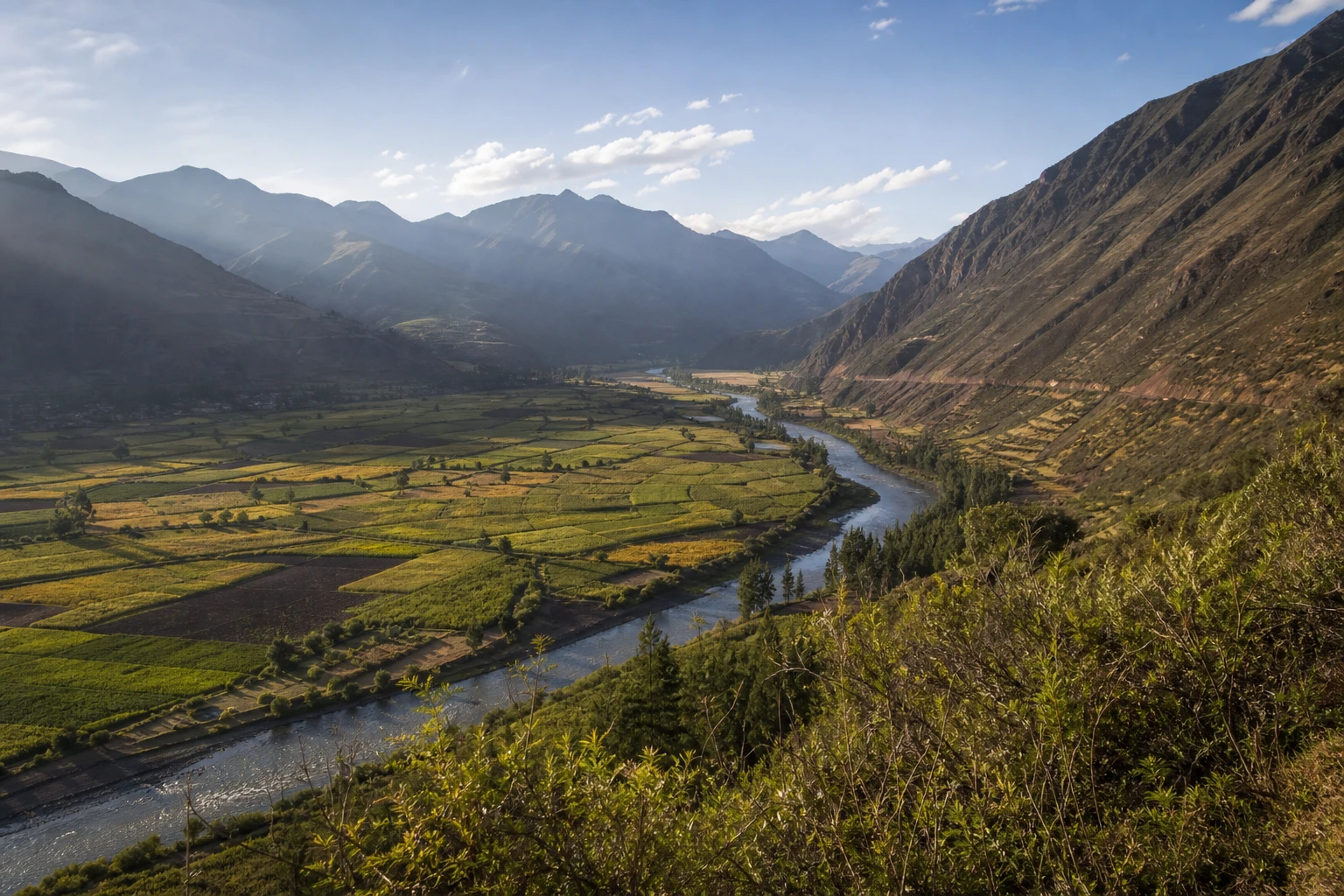
Your Sacred Valley first night should be intentionally small: a confirmed transfer, an uncomplicated check-in, a calm meal, and sleep. After a rapid arrival in Cusco, the important decision is not how much sightseeing fits before sunset. It is choosing a base and an evening pace that leave you in good shape for the days ahead.
At about 3,350 metres, Cusco makes altitude a real part of arrival-day planning. A Sacred Valley overnight can fit a staged approach to sleeping at a lower elevation, but only if the specific property’s elevation is confirmed and the plan suits your health needs. It reduces no one’s need to take altitude seriously.

Machu Picchu 2Day Tour by Train from Cusco with Overnight Stay
Our tour guides at Machu Picchu are incredibly passionate about storytelling and are committed to creating unforgettable experiences. They excel at un...

Machu Picchu 1 Day Tour Luxury Service
The Inca City of Machu Picchu, is the leading destination for many travelers, is the main tourist attraction in Peru...

Private Transfer from Valle Sagrado to Alejandro Velasco Astete (CUZ) Airport
Take the worry out of your departure to Alejandro Velasco Astete (CUZ) Airport and pre-book a private transfer to su...
Make altitude the first-night priority
- Keep the first 48 hours above 2,438 metres free of alcohol and heavy exercise.
- Choose your overnight base around tomorrow’s departure, not a packed arrival-day wish list.
- If a lower sleeping elevation is part of your plan, ask the hotel for its actual elevation before booking.
- A 05:05 Ollantaytambo train makes a nearby overnight useful for some itineraries, but demands pre-dawn logistics.
- Use formal, prearranged transport and confirm the pickup or drop-off details before arrival.
CDC guidance advises avoiding alcohol and heavy exercise for at least the first 48 hours after arriving above 2,438 metres. That rules out the classic overambitious first evening: a long hike, a demanding tour, or a dinner built around drinks. A slow evening is not wasted time. It is sound itinerary design.
Where feasible, descending to a lower sleeping elevation for one or two nights before continuing upward can be part of an altitude strategy. Fitness does not reliably protect against altitude illness, and past responses to altitude are more useful, though never perfect, clues. Travelers with heart, lung, pregnancy, or previous altitude-illness considerations should seek individualized pre-travel medical advice.
Choose a first-night base by following tomorrow’s plan
Cusco is the main gateway for southern Peru itineraries, so staying nearby can keep arrival logistics simple and preserve city access. Continuing into the Sacred Valley shifts the focus toward an overnight that can suit a staged-altitude plan or position you for the next leg. Neither choice is automatically better. The right one depends on your hotel’s elevation and your next fixed departure.

| Priority | First-night base | How to use it |
|---|---|---|
| Simpler arrival and Cusco access | Near Cusco | A practical choice when you want to minimize extra decisions on arrival day. |
| A potentially lower sleeping elevation | A Sacred Valley town | Compare the individual hotel’s elevation with Cusco and make sure the plan fits your medical needs. |
| An early rail departure toward Machu Picchu | Ollantaytambo | Useful when your confirmed train timing makes an overnight near the station worthwhile. |
Pisac, Calca, Urubamba, and Ollantaytambo are among the Sacred Valley towns travelers can use as bases. The companion Where to Stay in the Sacred Valley: Lodges, Hotels and Villages guide can help narrow the setting. For this particular night, ask each property about its elevation, airport-pickup arrangements, breakfast, stairs, and the practical plan for reaching your next departure.
When Ollantaytambo makes the most sense
Ollantaytambo is a strong first-night candidate when a Machu Picchu train is the next morning’s priority. PeruRail’s May to December 2026 timetable includes an Ollantaytambo departure at 05:05. That early start can outweigh the appeal of a slower evening elsewhere, provided you have confirmed the station transfer and are ready for a pre-dawn wake-up.
Save the deeper exploration in Ollantaytambo: Living Inside an Inca Town for a day when you have energy to spare. On arrival night, an early dinner, a short orientation walk if you feel well, and a packed bag are enough. The town will reward a more attentive visit later.
Treat the arrival evening as a reset, not a tour day
A successful first evening has a narrow brief: get settled, eat simply, organize the next morning, and rest. Do not try to compensate for a late arrival by adding a major ruin visit, a long scenic detour, or a strenuous outing. Leave room for your body’s response to altitude and for the ordinary friction of an unfamiliar arrival day.
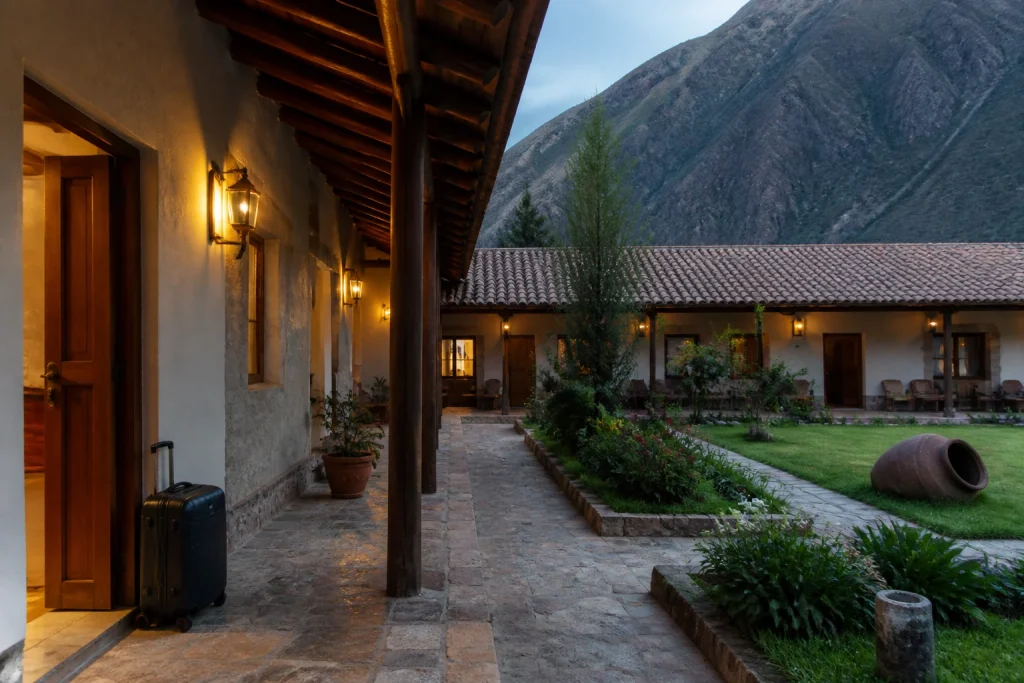
- At check-in, confirm the next morning’s departure time, pickup point, and luggage plan.
- Keep your first meal straightforward, and skip alcohol during the initial adjustment period.
- Set out clothing, documents, medication, and charging cables before going to bed.
- Choose only a brief, low-effort orientation activity if you feel comfortable.
- Keep the following morning flexible until you know how you are handling the altitude.
This approach also makes later sightseeing more enjoyable. The Sacred Valley’s major sites, markets, and village streets deserve attention rather than a rushed first glimpse between transfer calls and hotel check-in. Put the first night to work as the calm opening scene of the trip.

Machu Picchu Last Minute Ticket with Guide from Aguas Calientes
This experience is ideal for travelers planning a last-minute visit to Machu Picchu. Due to limited availability and...

Machu Picchu Private Archaeological and Historical Guided Tour
Explore Machu Picchu, one of the Seven Wonders of the World, in the company of a private guide. Enjoy the undivided...

Machu Picchu Private Tour from Aguas Calientes with Ticket & Bus
Maximize your time at Machu Picchu with this private guided tour starting directly from Aguas Calientes. Skip the ha...
Lock down transfers, lodging details, and costs before arrival
Use formal, prearranged transport for the onward journey from Cusco rather than treating informal pickup offers as interchangeable. Before travel, keep the driver or operator name, meeting instructions, property address, and a reachable contact in your itinerary. Cusco’s regional transport authority promotes formal transport as part of its safe-travel work.
Costs for lodging, transfers, local transport, and rail vary by date and booking choice, so build your first-night plan from live quotes instead of a generic budget figure. Get a written transfer quote, confirm whether your accommodation includes airport pickup and breakfast, and check the rail fare conditions attached to the ticket you are considering.
If you want locally administered tourism-safety information while organizing your stay, look for the Cusco Turismo Seguro campaign. It is a useful official reference point for visitors, alongside the practical basics of confirmed transport, a known hotel arrival plan, and a low-demand first evening.
Make an early Machu Picchu train morning genuinely workable
A 05:05 departure from Ollantaytambo is early enough to shape the entire first night. Confirm the exact train on your date, station-arrival instructions, and the pre-dawn transfer before you sleep. Pack the night before and avoid a hotel location that turns an already early start into an improvised logistics puzzle.

Rail operations deserve a final check shortly before travel and again on the day itself. Service toward Machu Picchu was being progressively restored earlier in 2026, and a published timetable is not a promise of uninterrupted operation on every date. The site’s PeruRail or Inca Rail? Sacred Valley Trains to Machu Picchu comparison is useful when selecting the rail plan that fits your itinerary.
Keep health planning focused on altitude
In Cusco, the Sacred Valley, and Machu Picchu, altitude illness is the key environmental health concern for most visitors. CDC guidance lists no dengue or malaria risk in these high-altitude tourist areas. Before departure, review the current Peru travel-health guidance because public-health notices can change.
A first-night strategy cannot replace medical judgment. If you have a relevant medical condition, are pregnant, or have had altitude illness before, make the decision about sleeping elevation and your first days with a qualified clinician before you travel. Once there, keep the first evening deliberately light and follow your personal medical plan.
Check accessibility details property by property
Do not assume that a Sacred Valley hotel, roadside transfer, archaeological stop, or Ollantaytambo rail connection is step-free. Travelers who need mobility, respiratory, sensory, or medical accommodations should ask specifically about stairs, slopes, room entry, oxygen or medical arrangements, accessible vehicles, luggage handling, and station assistance before booking.
Set up a first night that supports the whole trip
The best Sacred Valley first night suits travelers arriving quickly into Cusco, especially those continuing to Machu Picchu or easing into a high-altitude itinerary. Its main limitation is simple: a valley overnight is not a guaranteed solution to altitude concerns. Confirm the hotel elevation, arrange formal transport, protect the evening from overplanning, and let tomorrow’s route choose your base.
Sacred Valley first night FAQs
Frequently asked questions
Should I spend my first night in Cusco or the Sacred Valley?
Choose the base that best fits your next day. Staying near Cusco can simplify arrival and city access, while a Sacred Valley property can fit a staged-altitude plan if its individual elevation is confirmed and appropriate for you.
Should I take a tour on my first evening in the Sacred Valley?
Keep the first evening low-demand. CDC advises avoiding alcohol and heavy exercise for at least the first 48 hours after arrival above 2,438 metres, so save long hikes and strenuous tours for later.
Why is Ollantaytambo useful for a first night before Machu Picchu?
Ollantaytambo can be practical for an early train itinerary. PeruRail’s May to December 2026 timetable includes a 05:05 departure there, so confirm your train and station-transfer plan before committing to the overnight.
Can good fitness prevent altitude illness?
No. Fitness is not a reliable protection against altitude illness; your previous response to altitude is more informative, though it does not guarantee how you will feel on a new trip.
What should I confirm with my Sacred Valley hotel before booking?
Confirm the property’s elevation, airport-pickup options, breakfast, stairs and room access, luggage help, and the plan for your next departure. Travelers with accommodation needs should also ask about vehicle and station assistance.
Do I need malaria or dengue precautions for the Sacred Valley?
CDC guidance lists no malaria or dengue risk in the high-altitude tourist areas of Cusco, the Sacred Valley, and Machu Picchu. Review current Peru health guidance before departure because travel-health notices change.

From Urubamba & Ollantaytambo: Sacred Valley Day tour with Lunch
Explore the best and most unique sites in the Sacred Valley on a private tour. Visit the impressive ruins of Ollantaytambo, an ancient Inca fortress...
Machu Picchu 2Day Tour by Train from Cusco with Overnight Stay
Our tour guides at Machu Picchu are incredibly passionate about storytelling and are committed to creating unforgett...
Machu Picchu 1 Day Tour Luxury Service
The Inca City of Machu Picchu, is the leading destination for many travelers, is the main tourist attraction in Peru...
Private Transfer from Valle Sagrado to Alejandro Velasco Astete (CUZ) Airport
Take the worry out of your departure to Alejandro Velasco Astete (CUZ) Airport and pre-book a private transfer to su...