Naupa Iglesia Guide From the Sacred Valley
Plan a visit to Ñaupa Iglesia near Ollantaytambo, including the road approach, uphill walk, archaeological features, timing, terrain, costs, and practical safety advice.
 Visit Sacred Valley
September 16, 2026
Visit Sacred Valley
September 16, 2026

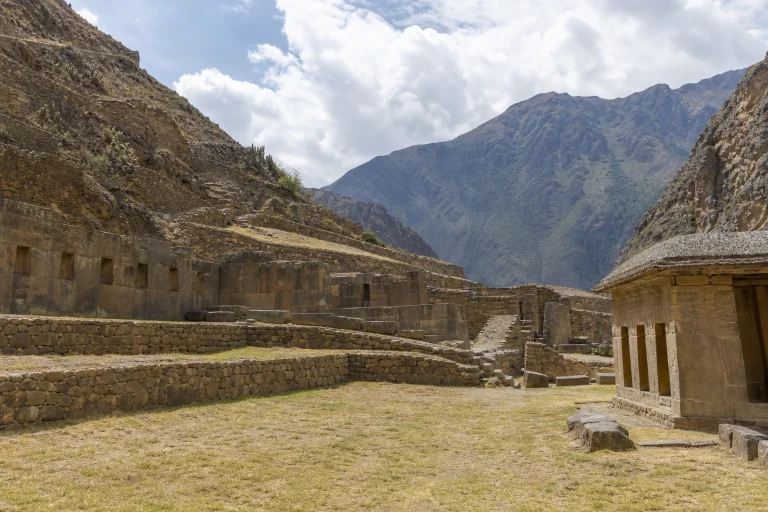
Ñaupa Iglesia is a compact archaeological site in the Pachar area of the Sacred Valley. Set between Pachar and Pomatales, roughly 6 kilometers from Ollantaytambo, it combines carved stone, natural volcanic-rock cavities, terraces, and a short but sustained uphill approach. It works best as an addition to a day around Ollantaytambo rather than as a standalone excursion.
- The documented road journey from Ollantaytambo to the entrance is 6.6 kilometers and takes about 15 minutes by private vehicle.
- Allow roughly 15 to 30 minutes for the final walk, depending on your drop-off point and pace.
- The approach includes uneven paths, railway-side sections, and a sustained climb on stone stairs.
- Most visitors can see the principal features in under an hour once they reach the site.
- Visit during daylight, and expect wetter, less comfortable trail conditions between November and March.
- Entry has been reported as free, but confirm the current arrangement locally before setting out.
This visit suits travelers who enjoy small archaeological places and do not need extensive interpretation or visitor facilities. The limited time commitment makes it easy to combine with another Sacred Valley stop, while the stairs and rough ground give the outing a more demanding edge than its short distance suggests.

Sacred Valley Tour: Pisac, Maras, Chinchero & Ollantaytambo
Explore the best of Peru’s Sacred Valley on a private full-day tour designed for a personalized and comfortable experience. With your own expert loc...

From Urubamba & Ollantaytambo: Sacred Valley Day tour with Lunch
Explore the best and most unique sites in the Sacred Valley on a private tour. Visit the impressive ruins of Ollantaytambo, an ancient Incan fortress...
Treat Ñaupa Iglesia as a lightly managed outdoor site. Wear shoes with dependable grip, arrange your return transport before starting the walk, stay off the railway tracks, and leave enough daylight for the descent. Travelers who cannot manage stairs or uneven terrain should choose a more accessible stop.
Naupa Iglesia planning snapshot
| Planning point | What to expect |
|---|---|
| Location | Pachar area of Ollantaytambo district, between Pachar and Pomatales |
| Road approach | 6.6 kilometers from Ollantaytambo, about 15 minutes by private vehicle on a paved road |
| Final walk | Roughly 15 to 30 minutes, with paths near the railway and a sustained stone-stair ascent |
| Time at the site | Generally under one hour |
| Terrain | Uneven outdoor paths, terraces, stairs, and a steep setting |
| Entry and schedule | Entry has been reported as free, but there is no fixed published schedule or dependable official tariff to plan around |
The site’s name is written as Ñaupa Iglesia throughout this guide. “Naupa Iglesia,” without the Spanish letter ñ, is the spelling many English-language travelers use when planning the same visit.
Why Ñaupa Iglesia is worth considering
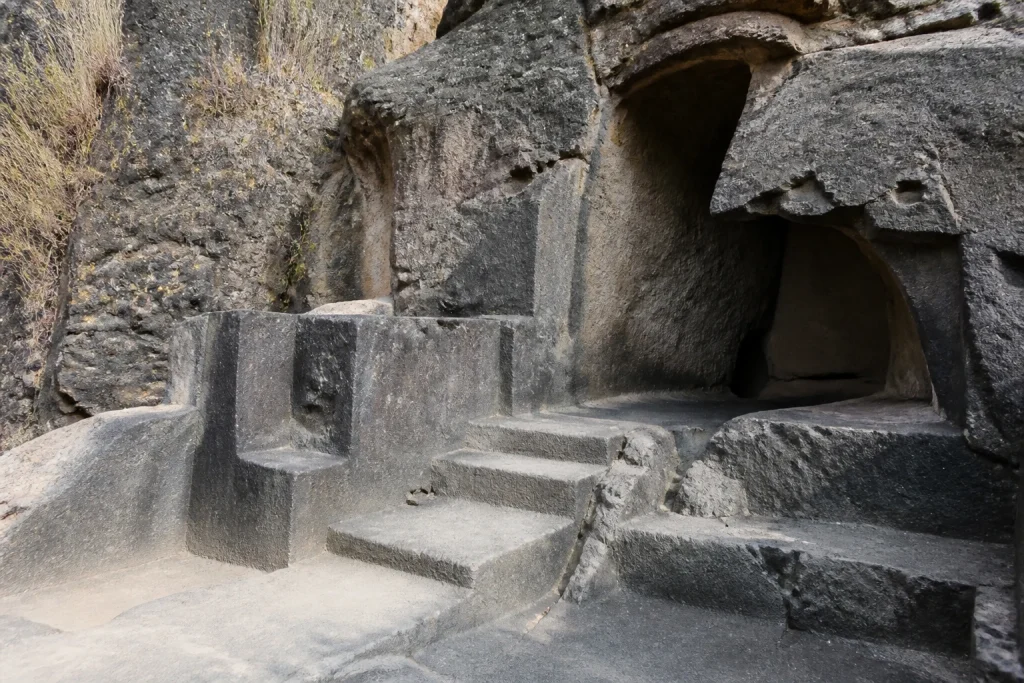
Ñaupa Iglesia offers a concentrated look at how worked stone and natural rock formations occupy the same steep landscape. Its principal elements include a carved basalt huaca, double-jamb niches, volcanic-rock cavities, terraces, and stairways. Those features provide plenty to examine without requiring hours of walking through a large archaeological complex.
The appeal lies in scale and texture. Rough volcanic stone surrounds carefully shaped architectural details, while the terraces and stairs extend upward through the site. Visitors can slow down and study a handful of distinctive features rather than trying to cover an extensive monument on a fixed circuit.
The tradeoff is limited interpretation and infrastructure. This is not the best choice for someone seeking a visitor center, a step-free route, or a fully explained historical sequence. It is better suited to curious travelers who are comfortable looking closely, moving carefully, and accepting a simpler visitor experience.
What you can see at Ñaupa Iglesia
The archaeological remains occupy a steep setting where terraces and stairways rise by about 100 meters. The layout rewards attention to changes in elevation. Look at how steps connect levels, where masonry meets natural rock, and how the carved elements fit within the surrounding volcanic formations.
The carved basalt huaca and rock cavities
A carved basalt huaca is one of the site’s defining features. Nearby, natural cavities in volcanic rock create a strong contrast between geological forms and worked surfaces. Examine these elements without climbing on them or touching fragile edges. The setting is part of the experience, and careful behavior helps protect it.
Terraces, stairs, and double-jamb niches
The terraces and stone stairs give the site its vertical character. Double-jamb niches add another architectural detail to watch for as you move through the upper area. Because the archaeological inventory focuses on these visible features, visitors should resist assigning a precise date or purpose to every carved surface without qualified interpretation.
Ñaupa Iglesia is best appreciated as a compact archaeological and landscape stop. It does not need elaborate stories to hold attention. The relationship between natural cavities, dark stone, carved basalt, and the rising terrain provides a clear visual focus.

Machu Picchu Private Tour with Ticket, Bus from Aguas Calientes
Maximize your time at Machu Picchu with this private guided tour starting directly from Aguas Calientes. Skip the ha...

Machu Picchu Circuit 2 Guided Tour
Explore the wonders of Machu Picchu via the official Circuit 2 route, known for its stunning views and historical si...

Private guide tour at Machu Piccchu
Explore the "Lost City of the Incas" with an expert guide on a small group, 3-hour guided tour of Machu Picchu. Lear...
Where Ñaupa Iglesia is located
Ñaupa Iglesia lies in the Pachar area of Ollantaytambo district, within Urubamba province. It stands on the left bank of the Huarocondo River between Pachar and Pomatales, around 6 kilometers from Ollantaytambo. This location makes Ollantaytambo the most practical nearby base for a short visit.
The road journey from Ollantaytambo
The clearest documented access is by private vehicle. The road connection from Ollantaytambo to the Ñaupa Iglesia entrance covers 6.6 kilometers, takes about 15 minutes, and follows a paved road. Actual door-to-trail timing still depends on where you begin in town and where the driver can safely leave you.
Arrange a driver, taxi, or tour vehicle and agree on both the drop-off and return plan. Do not assume that scheduled public transportation will deliver you directly to the trail entrance. Clear pickup arrangements matter because the visit itself is short and the access point is outside central Ollantaytambo.
The final railway-side walk and stair climb
The final approach begins near the main road or the Ñaupa Iglesia stop. Short paths run beside the railway corridor before the route turns into a sustained ascent on stone stairs. Walking estimates range from about 15 to 30 minutes, largely because drop-off points and individual pace differ.
Stay on the path beside the railway and never use the tracks as a walking route. Keep children close, listen for rail activity, and avoid stopping within the corridor for photographs. Once the stairs begin, slow down and concentrate on footing, especially during or after wet weather.
How to plan the journey step by step
- Use Ollantaytambo or another nearby Sacred Valley base and arrange private transport to the entrance.
- Confirm the precise drop-off point and decide when and where the driver will collect you.
- Begin with enough daylight for the uphill walk, the site visit, and the return descent.
- Follow the path beside the railway while remaining off the tracks.
- Allow 15 to 30 minutes for the approach and generally under an hour at the site.
- Return by the same general approach and meet your transport before continuing the day.
Build flexibility into this plan rather than setting a tight departure immediately afterward. The walking estimate changes with the exact starting point, pace, and trail conditions. A modest buffer also gives you time to move carefully on the descent instead of rushing over uneven stairs.
Best time of day and seasonal conditions
Visit in daylight. The uneven approach, stone steps, and railway-side section are easier to navigate when visibility is good. There is no fixed published schedule to rely on, so plan conservatively and confirm local access before departure rather than arriving late in the day.
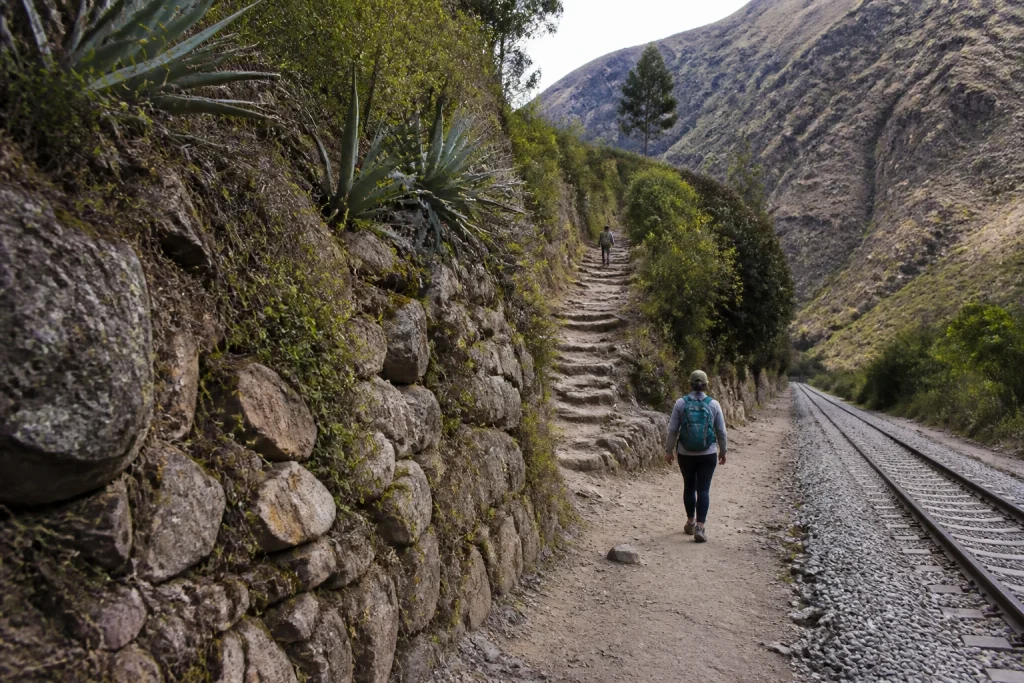
November through March is the wetter period. Rain can make the trail and stairs less comfortable, so use footwear with good traction and carry a light waterproof layer. If the approach is wet, shorten your stride, keep your hands free, and allow extra time for both the climb and descent.
A daytime visit also makes it easier to inspect the carved stone and natural cavities without hurrying. Since the on-site portion is usually short, there is little advantage in pushing the stop toward dusk.
Still comparing Naupa Iglesia?
Ask for tour ideas, hotel suggestions, or a simple trip plan that combines both.
Trip Helper
How long to allow for the visit
Plan on roughly 15 to 30 minutes for the walk from the road and generally under an hour at the archaeological site. Add time for the return walk, the road transfer, and a sensible buffer. The total outing is longer than the on-site estimate, even though Ñaupa Iglesia remains a relatively compact excursion.
The site fits naturally into an Ollantaytambo or Pachar-area day. Travelers can use the shorter visit to balance a longer attraction, a relaxed meal, or time in town without turning the itinerary into a full-day hiking commitment.
For more context around your base, the guide to Ollantaytambo’s Inca town and stone streets helps place Ñaupa Iglesia within a broader day nearby. Avoid packing both stops into a rigid schedule. The final path deserves enough time for a careful ascent and descent.
If the same day includes onward rail travel, review the comparison of PeruRail and Inca Rail Sacred Valley trains to Machu Picchu before adding this detour. Keep a generous margin between Ñaupa Iglesia and any fixed departure.
Entry costs and transport expenses
Entry has been reported as free, with no mandatory ticket or registration, but that is not a guaranteed current policy. Confirm the arrangement locally before traveling. There is no dependable official admission tariff or formal ticket page to use for advance budgeting.
Transportation and guiding are separate expenses. Rates depend on the provider, starting point, waiting time, and whether Ñaupa Iglesia is combined with other stops. Agree on the transport plan and total service before leaving, including whether the driver will wait or return at a set time.
Should you visit with a guide?
A guide is useful if archaeological interpretation is a priority. Ñaupa Iglesia has distinctive physical features, but the experience is not built around extensive on-site explanation. Arrange interpretation in advance rather than assuming a guide will be waiting at the entrance.

Independent travelers can still appreciate the terraces, stairways, niches, natural cavities, and carved basalt huaca. Focus on visible details and avoid treating unsupported stories about builders, dates, or rituals as established history.
Walking difficulty and accessibility
The route is not step-free. It includes uneven outdoor paths, a sustained stone-stair ascent, and movement through a steep archaeological setting. Travelers need enough balance and mobility to manage both the climb and the descent without handrail-dependent access.
Do not rely on finding a visitor center, accessible restrooms, handrails, or other mobility facilities at the site. Anyone who cannot comfortably handle stairs, rough ground, or a short uphill walk should consider a different Sacred Valley attraction.
Distance alone can be misleading here. The final approach is short, but the constant ascent makes it more strenuous than a level walk of the same length. Rain can add another layer of difficulty by reducing comfort and traction on the trail and stairs.
Safety, conservation, and respectful behavior
A 2024 official inventory assessment rated the site’s conservation condition as regular and connected that condition to a lack of maintenance work. That assessment does not describe every current detail, but it is a sound reason to move cautiously and avoid expecting the barriers and upkeep associated with a major managed attraction.
- Remain off the railway tracks and use the path beside the corridor.
- Visit during daylight and begin the return before visibility fades.
- Watch each step on uneven ground, particularly after rain.
- Do not climb on carved stone, niches, terrace walls, or natural cavities.
- Keep food, loose belongings, and waste secured in a small daypack.
- Follow local instructions if access conditions have changed.
Respect matters even during a short visit. Avoid moving stones, adding markings, placing objects in niches, or using archaeological surfaces as seats. The most rewarding way to experience Ñaupa Iglesia is to observe the relationship between its natural and worked features without altering them.

Ticket Machu Picchu with Private Guide
Unlike standard tickets, this option includes a private licensed guide who will accompany you inside Machu Picchu. Y...
Machu Picchu Entrance Ticket
This experience gives you something most travelers can’t find: peace of mind. Whether you plan ahead or need a sol...

Machu Picchu: Official Entrance Tickets
With this ticket you can visit the Inca city of Machu Picchu. The ticket allows you to visit most of the archaeologi...
What to bring for the walk
- Walking shoes with firm tread for stone stairs and uneven paths
- Water in a reusable bottle
- A light waterproof layer during the wetter November-to-March period
- Sun protection for the exposed outdoor walk
- A charged phone with the drop-off point saved for reference
- A compact daypack that keeps both hands free on the stairs
Keep the load light. The outing is short, but stable footing matters more than carrying extra equipment. A walking pole can help some travelers on rough ground, provided it can be used safely on the stairs and does not encourage stepping onto fragile archaeological surfaces.
A simple Ñaupa Iglesia itinerary
- Leave Ollantaytambo by arranged private vehicle during daylight.
- Travel approximately 6.6 kilometers to the documented entrance area.
- Meet the footpath near the main road and stay beside, not on, the railway corridor.
- Climb the stone stairs at a steady pace, allowing 15 to 30 minutes for the approach.
- Spend up to an hour examining the carved basalt huaca, niches, terraces, and rock cavities.
- Descend carefully and meet the driver before continuing to Ollantaytambo or another Sacred Valley stop.
Staying nearby makes a daylight start easier and removes the pressure of a long transfer before the walk. The guide to where to stay in the Sacred Valley, including lodges, hotels, and villages, can help choose a practical base for this outing and the rest of the valley.
How Ñaupa Iglesia compares with larger Sacred Valley stops
Choose Ñaupa Iglesia when you want a short archaeological visit with a modest road transfer and an active uphill approach. Choose a larger attraction when extensive interpretation, step-free planning, visitor services, or a longer sequence of monuments matters more.
Travelers building their first itinerary can compare it with the best things to do in the Sacred Valley for first-time visitors. Ñaupa Iglesia works especially well as a secondary stop after the main structure of the day is settled.
The main advantage is efficiency. The principal features fit into a visit of under an hour, and the road leg from Ollantaytambo is brief. The main limitation is physical access, since even a short visit requires rough paths and a sustained stair climb.
Is Ñaupa Iglesia right for your Sacred Valley trip?
Ñaupa Iglesia is worthwhile for travelers interested in carved stone, natural rock formations, and smaller archaeological settings near Ollantaytambo. Its huaca, niches, terraces, and stairways create a focused visit that can fit neatly beside a broader day in the valley.
Its defining limitation is access. The railway-side approach, uneven path, and sustained stairs require care and reasonable mobility. Arrange a vehicle, confirm local access, visit in daylight, and give yourself 15 to 30 minutes for the climb. With those details settled, the site becomes a practical and distinctive addition to an Ollantaytambo itinerary.
Frequently asked questions
Where is Ñaupa Iglesia?
Ñaupa Iglesia is in the Pachar area of Ollantaytambo district, Urubamba province. It lies between Pachar and Pomatales on the left bank of the Huarocondo River, roughly 6 kilometers from Ollantaytambo.
How do you reach Ñaupa Iglesia from Ollantaytambo?
The simplest documented approach is by private vehicle followed by a short uphill walk. The paved road leg is 6.6 kilometers and takes about 15 minutes, while the final approach generally takes another 15 to 30 minutes on foot.
How long does a visit to Ñaupa Iglesia take?
Most visitors can spend under an hour at the site itself. Add 15 to 30 minutes for the approach, the return walk, road transfers, and a buffer for trail conditions.
Is Ñaupa Iglesia free to visit?
Entry has been reported as free, but confirm the current arrangement locally before setting out. Transportation and guiding cost extra, with rates depending on the provider and itinerary.
Does Ñaupa Iglesia have opening hours?
There is no fixed published visiting schedule to rely on. Plan the outing during daylight and confirm local access before departure, particularly if weather or conditions could affect the approach.
Is Ñaupa Iglesia accessible for travelers with limited mobility?
No, the documented route is not step-free. It includes uneven paths, a sustained stone-stair climb, and steep archaeological terrain, making it unsuitable for travelers who cannot comfortably manage stairs and rough ground.
What can you see at Ñaupa Iglesia?
The principal features include a carved basalt huaca, natural volcanic-rock cavities, double-jamb niches, terraces, and stone stairways rising through the steep site.
From Urubamba & Ollantaytambo: Sacred Valley Day tour with Lunch
Explore the best and most unique sites in the Sacred Valley on a private tour. Visit the impressive ruins of Ollantaytambo, an ancient Incan fortress...
Sacred Valley Tour: Pisac, Maras, Chinchero & Ollantaytambo
Explore the best of Peru’s Sacred Valley on a private full-day tour designed for a personalized and comfortable ex...

Machu Picchu Shuttle Bus Round-Trip Tickets from Aguas CalienteS
Travel worry-free aboard the official CONSETTUR shuttle bus, the only authorized transportation between Aguas Calien...

Machu Picchu Private Tour from Aguas Calientes (Tickets included)
Discover Machu Picchu at your own pace with our exclusive Private Guided Tour from Aguas Calientes. Perfect for inde...