Sacred Valley Weekend Getaway Guide
Plan a focused two-day Sacred Valley getaway covering Inca archaeological parks, overnight options, current Ollantaytambo access issues, tourist tickets, transport decisions, and the tradeoffs involved in adding Machu Picchu.
 Visit Sacred Valley
September 14, 2026
Visit Sacred Valley
September 14, 2026
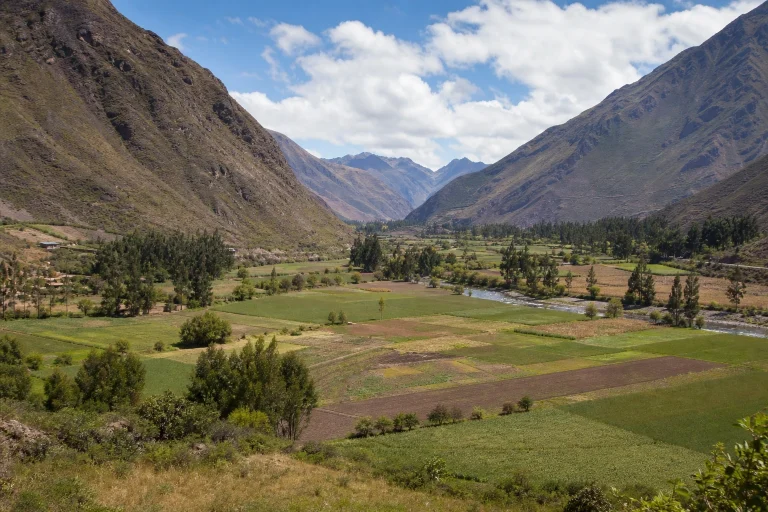
A Sacred Valley weekend works best when it stays focused. Two days give you enough time to explore several major archaeological parks, spend a night in the valley, and leave room for meals and unhurried walks. The key is resisting the urge to add every famous stop in the Cusco region. Build the trip around two or three priorities, then treat anything extra as a bonus.
- Use the two-day Circuit III ticket if your priority is the archaeological parks at Ollantaytambo, Pisaq, Chinchero, and Moray.
- Choose two or three major stops for a comfortable weekend rather than racing through all four parks.
- Allow extra transfer time around Ollantaytambo because road works and congestion are affecting station access in 2026.
- Treat Machu Picchu as a separate trip component with its own admission and rail arrangements.
- Stay in Ollantaytambo only if its location suits your itinerary, especially when an onward train is part of the plan.
- Confirm transport, admission, and accessibility details shortly before departure because operating arrangements can change.
Sacred Valley Tour: Pisac, Maras, Chinchero & Ollantaytambo
Explore the best of Peru’s Sacred Valley on a private full-day tour designed for a personalized and comfortable experience. With your own expert loc...
Sacred Valley Alpaca Hiking Tour
We involve local people in the activity: By doing so, we provide an opportunity for them to actively participate in...
From Urubamba & Ollantaytambo: Sacred Valley Day tour with Lunch
Explore the best and most unique sites in the Sacred Valley on a private tour. Visit the impressive ruins of Ollanta...
Machu Picchu 2Day Tour by Train from Cusco with Overnight Stay
Our tour guides at Machu Picchu are incredibly passionate about storytelling and are committed to creating unforgett...
Current logistics caution: road works and traffic are affecting access to Ollantaytambo and its railway station. Leave extra transfer time and check the latest instructions from your transport or rail operator immediately before travel.
Sacred Valley Tour: Pisac, Maras, Chinchero & Ollantaytambo
Explore the best of Peru’s Sacred Valley on a private full-day tour designed for a personalized and comfortable experience. With your own expert loc...
From Urubamba & Ollantaytambo: Sacred Valley Day tour with Lunch
Explore the best and most unique sites in the Sacred Valley on a private tour. Visit the impressive ruins of Ollantaytambo, an ancient Incan fortress...


The most satisfying plan usually has one clear theme. You could concentrate on Inca archaeology, combine ruins with village time, or use Ollantaytambo as a stepping stone toward Machu Picchu. Each version requires different transport and luggage choices. Decide on that theme before reserving accommodation, since your overnight location determines how much of Sunday is spent moving between stops.
A practical two-day Sacred Valley itinerary
For a first weekend, consider pairing Chinchero and Moray on one day, then Ollantaytambo and Pisaq on the other. This sequence is a planning framework rather than a fixed tour route. Your exact order should reflect where you start, where you sleep, traffic conditions, and any reserved transport. Travelers who prefer a slower rhythm should remove one park and spend more time in the remaining towns.
| Day | Suggested focus | Planning approach |
|---|---|---|
| Saturday | Chinchero and Moray | Begin with two Circuit III parks, allow flexible travel time, and continue to your chosen overnight base. |
| Sunday | Ollantaytambo and Pisaq | Start with the site closest to your accommodation and keep the return journey flexible. |
| Slower alternative | Two or three parks total | Use the additional time for town streets, meals, markets, or a less hurried archaeological visit. |
| Machu Picchu alternative | One Sacred Valley stop plus onward rail | Reserve separate admission and rail arrangements before building the rest of the weekend. |
Do not treat the four covered parks as a checklist you must complete. The ticket creates the option to visit them within two days, but it does not remove road delays, meal breaks, walking time, or the value of lingering. A private driver or organized tour can simplify coordination, while independent travel offers more control over how long you remain at each stop.
Choose your overnight base before arranging transport
Your best base is the place that reduces backtracking for the experiences you value most. Ollantaytambo is the logical candidate when an onward train shapes the itinerary. A more central valley stay can suit travelers who want flexibility among archaeological stops without committing to a rail departure. Compare the practical differences among villages in our guide to where to stay in the Sacred Valley before booking.
Avoid choosing a hotel solely because it uses “Sacred Valley” in its description. Check its exact location against Saturday’s final stop and Sunday’s first stop. A beautiful property can still produce an awkward weekend if both days begin with long transfers. Ask the accommodation how guests normally reach nearby sites and whether pickups can operate during the current Ollantaytambo access changes.
If you plan to travel with a driver or guide, share your intended parks and overnight location before confirming. Request a clear list of what the quoted service includes, such as pickup area, waiting time, parking, and the final drop-off. Current public information does not provide a dependable universal fare or fixed journey time for road travel between Cusco and Sacred Valley destinations.
Day one: combine Chinchero and Moray without rushing
Chinchero and Moray make a useful first-day pairing for travelers focused on Circuit III. Start early enough to absorb ordinary delays, but avoid building the day around a minute-by-minute schedule. Admission to both archaeological parks is covered by the same two-day Partial Ticket III used for Ollantaytambo and Pisaq.
At Chinchero, divide your attention between the archaeological park and the community’s textile traditions. Our Chinchero weaving and market guide provides more context if textiles are an important part of your visit. Allowing time beyond the ticketed site can make the day feel less like a relay between entrances.
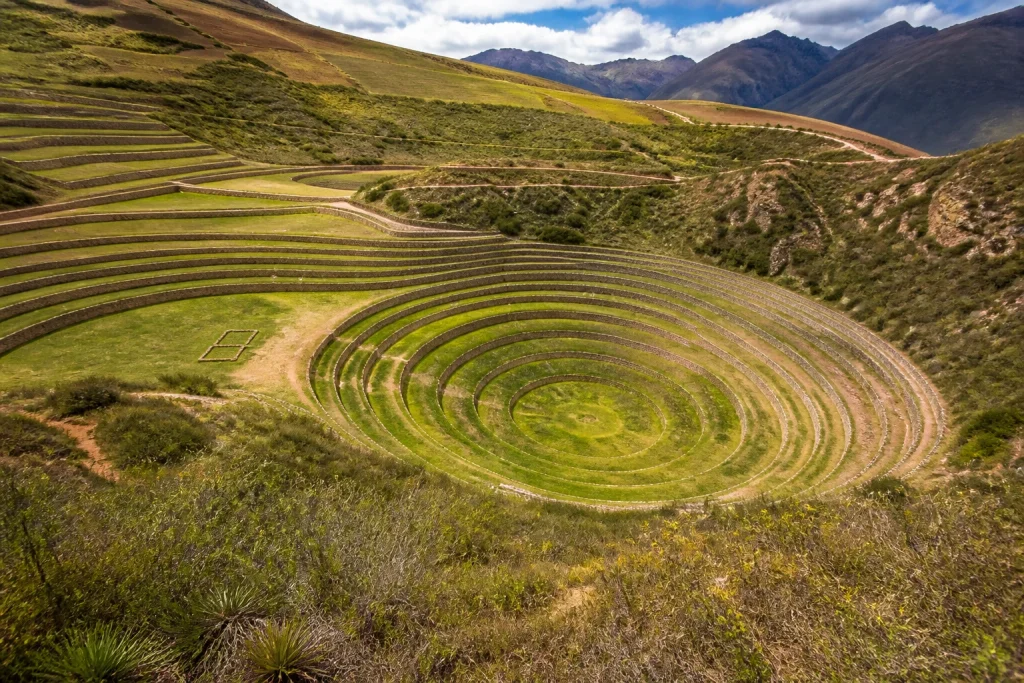
Moray deserves its own pause rather than a quick photograph. The archaeological park is one of the four places covered by Circuit III. Read the Moray circular terraces guide before leaving if you want a deeper introduction to the site’s distinctive form and the interpretations associated with it.
After the final visit, continue to the overnight base that best supports day two. Keep dinner and evening plans close to your accommodation, especially if you have an early start. Confirm the next morning’s pickup before settling in, and pack anything needed for the day where it can be reached without reorganizing your entire suitcase.

Machu Picchu Private Tour from Aguas Calientes (Tickets included)
Discover Machu Picchu at your own pace with our exclusive Private Guided Tour from Aguas Calientes. Perfect for inde...

Private Machu Picchu Tour with Expert Guide
Discover Machu Picchu with your own private guide on a fully personalized experience from Aguas Calientes. Skip the...

Explore Machu Picchu Private Guided Tour from Aguas Calientes
Discover the secrets of Machu Picchu with a private tour guide on an unforgettable journey from Aguas Calientes. Sta...
Day two: give Ollantaytambo and Pisaq enough space
Ollantaytambo and Pisaq can fill the second day, but current access conditions make a flexible plan important. Start with whichever park is more practical from your overnight base. If you are staying in Ollantaytambo, exploring there first avoids an unnecessary departure and return. The archaeological park is included in the two-day Circuit III ticket.
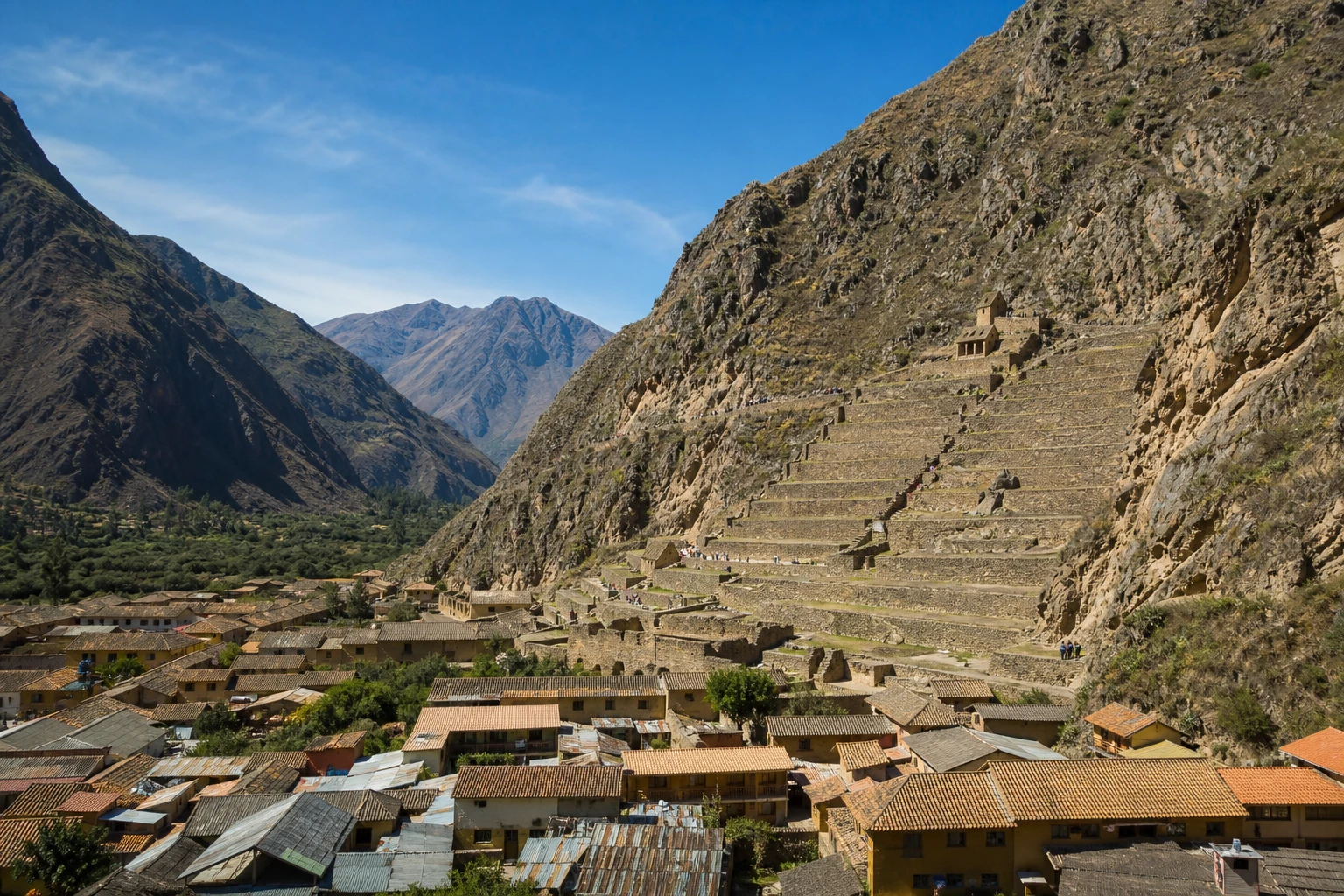
Ollantaytambo is also worth experiencing beyond the ticket checkpoint. The town’s stone streets reward a walk before you move on, provided your schedule has room. Our Ollantaytambo Inca town guide can help you identify what to look for and decide how much time to reserve outside the archaeological park.
Pisaq can serve as the weekend’s final major stop, particularly for travelers returning toward Cusco afterward. Its archaeological park is covered by Circuit III. If town and market time matter as much as the ruins, use the Pisac ruins and market guide to shape a visit that is not limited to the ticketed area.
Keep Sunday’s final hours loose. Do not make a tightly timed evening commitment immediately after the valley itinerary, especially when road conditions are changing. Agree on the final drop-off with your driver or tour provider in advance, and retain a buffer for traffic, rest stops, and collecting stored luggage.
Sacred Valley tickets and a realistic weekend budget
COSITUC lists the foreign-visitor Partial Ticket III at S/70, with two days of validity. It covers the archaeological parks at Ollantaytambo, Pisaq, Chinchero, and Moray. The foreign-visitor comprehensive ticket is listed at S/130 and remains valid for 10 days. Check the live tariff before purchase because prices and ticket rules are time-sensitive.
| Ticket | Listed foreign-visitor price | Validity | Relevant coverage |
|---|---|---|---|
| Partial Ticket III | S/70 | Two days | Ollantaytambo, Pisaq, Chinchero, and Moray archaeological parks |
| Comprehensive tourist ticket | S/130 | 10 days | A broader option for travelers visiting additional covered attractions beyond the weekend route |
The ticket price is only one part of the weekend cost. Build separate budget lines for accommodation, meals, road transport, guiding, and any rail travel. There is no dependable single all-in figure because the total changes with the overnight location, vehicle type, group size, and selected services. Request current quotes for the dates you intend to travel.
The S/130 comprehensive ticket makes more sense when your wider Cusco itinerary includes additional covered attractions and you can use its longer validity. For a weekend centered specifically on the four Circuit III parks, the two-day partial ticket is the more directly aligned choice. Do not assume either option includes transportation or Machu Picchu admission.
Should you add Machu Picchu to the same weekend?
Add Machu Picchu only if it is the weekend’s main objective. Its admission is separate from the Sacred Valley tourist ticket and requires its own reservation process. Rail arrangements introduce another fixed commitment, so a two-day trip that includes Machu Picchu should contain fewer Sacred Valley stops rather than trying to preserve the full Circuit III plan.
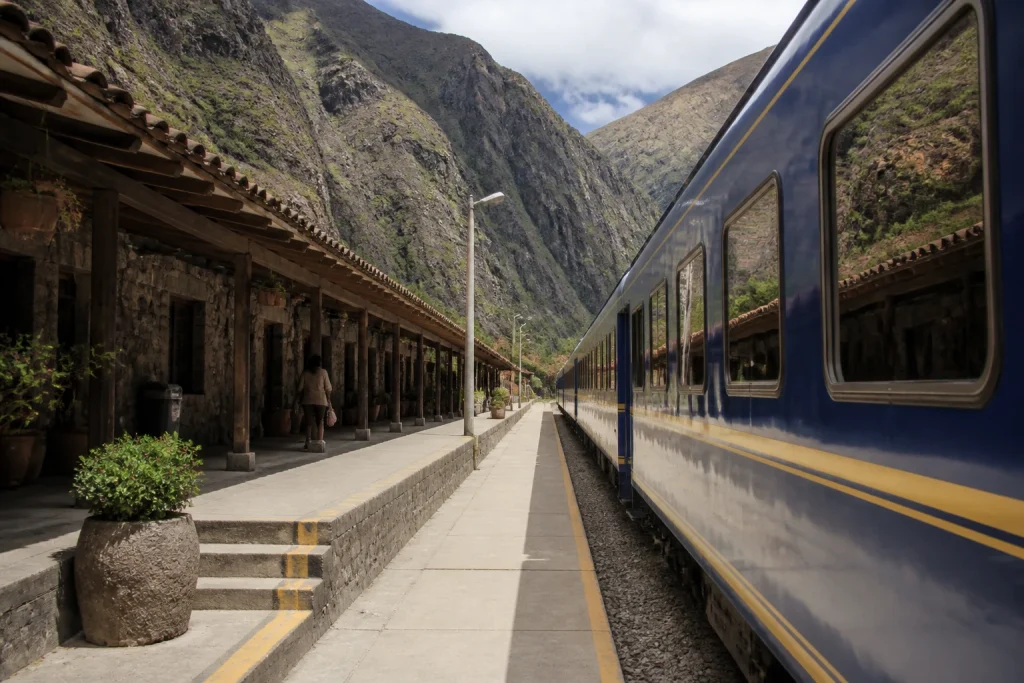
PeruRail describes the journey between Ollantaytambo and Machu Picchu as taking about 1.5 to 2 hours. Its published timetable contains multiple services, including early departures, but schedules can change for operational reasons. Passengers are asked to board 30 minutes before departure at Ollantaytambo, Urubamba, and Pachar stations.
Compare the practical differences in our PeruRail and Inca Rail train guide before selecting a service. Focus on the correct station, departure time, check-in requirements, luggage rules, and how the ticket connects with your accommodation. During the current works, some services can involve bus transfers from Pachar, so follow the instructions attached to your actual reservation.
Confirm Machu Picchu admission before locking in nonrefundable supporting arrangements. The 2026 entry process is handled separately from the Sacred Valley tourist ticket, and the live purchase flow should be checked when planning. A rail ticket by itself does not provide entry to the archaeological destination.
Still comparing Sacred Valley Weekend Getaway Itinerary?
Ask for tour ideas, hotel suggestions, or a simple trip plan that combines both.
Trip Helper
Plan around the 2026 Ollantaytambo access changes
Road works that began on April 13, 2026 changed access to Ollantaytambo station. PeruRail announced an alternative route using Vía de Evitamiento, Rumira, San Isidro, Calicanto Bridge, and Avenida Ferrocarril. The company originally described the works as lasting approximately eight months, but travelers should not rely on a predicted completion date.
A regional tourism update in July 2026 also identified congestion in Ollantaytambo and access difficulties affecting Circuit III destinations. These conditions do not require abandoning the town, but they do make narrow connections risky. Give drivers and transfers more time than usual, especially when a train departure cannot be moved.
- Check the rail or transport operator’s latest access notice the day before departure.
- Confirm the station or transfer point shown on your reservation.
- Ask your accommodation when to leave under current traffic conditions.
- Reach the rail boarding area with the required 30-minute margin.
- Keep essential documents and a warm layer in your day bag rather than checked or stored luggage.
Scheduled departure times are useful for planning, but they should not be treated as guarantees. Operational changes and temporary access arrangements can alter how passengers reach a service. Follow the details supplied for your specific train rather than assuming every departure uses the same station procedure.
Pack for mobility, changing plans, and light rail luggage
Pack a small day bag with sun protection, a rain shell, a warm layer, water, essential medication, a portable battery, and copies of your reservations. Footwear should be comfortable for uneven outdoor surfaces. Keep the bag compact enough to carry through site visits and transfers without repeatedly returning to your accommodation.
Travelers continuing by PeruRail should pay close attention to luggage limits. The company allows one hand-luggage item up to 8 kilograms and 115 linear centimeters, approximately 55 by 35 by 25 centimeters, on its Cusco to Machu Picchu services. A small bag is considerably easier to manage during a short trip than a full-size suitcase.
PeruRail lists complimentary luggage storage at Ollantaytambo from 04:15 to 21:00 and at Machu Picchu station from 08:00 to 22:00. These facilities can support an overnight in Ollantaytambo followed by a light rail trip. Recheck the current hours and conditions before depending on storage in a tightly timed itinerary.
Travelers who require step-free routes, accessible vehicles, or physical assistance should confirm arrangements with every transport provider, accommodation, and archaeological attraction before booking. Published luggage-assistance procedures are not proof of comprehensive mobility access. PeruRail requests at least 48 hours’ notice for luggage assistance, which remains subject to available space.
Use ordinary safety precautions throughout the valley
The current U.S. travel advisory places Peru at Level 2, meaning travelers should exercise increased caution because of crime, civil unrest, and kidnapping risk. Its regional restrictions for Cusco exclude Cusco city, the Sacred Valley, the Inca Trail, and Machu Picchu from the specified affected area. That distinction does not eliminate ordinary theft risk.
Keep phones and wallets secure in vehicles, stations, markets, and other busy places. Avoid leaving bags unattended while buying tickets or arranging transport. Carry only the cash and documents needed for the day, and keep digital copies of important reservations somewhere you can access if your phone is lost.
Transportation disruption can also affect personal planning even when it is not a security incident. Monitor local conditions before leaving Cusco or your accommodation, keep family or companions aware of your route, and avoid improvising a complicated alternative connection at the last minute.

Machu Picchu Private Archaeological and Historical Guided Tour
Explore Machu Picchu, one of the Seven Wonders of the World, in the company of a private guide. Enjoy the undivided...

Private Guided Tour in Machu Picchu
The guide will be exclusively for you or your group, the tour is along the circuit indicated on your ticket. The gui...

Machu Picchu Private Tour with Ticket, Bus from Aguas Calientes
Maximize your time at Machu Picchu with this private guided tour starting directly from Aguas Calientes. Skip the ha...
The best weekend leaves one reason to return
A Sacred Valley weekend suits travelers who want a concentrated introduction rather than complete regional coverage. The two-day Circuit III ticket provides a clear framework, but the strongest itinerary is usually selective. Choose the parks that interest you most, sleep where Sunday’s route makes sense, and leave margins around transport.
Skip the Machu Picchu extension unless admission and rail travel are already secured and you are willing to reduce the valley portion. For a dedicated weekend, two or three archaeological parks plus time in Ollantaytambo, Pisac, or Chinchero offer a more balanced pace. Your next step is to choose the overnight base, verify current access conditions, and arrange transport around that plan.
Frequently asked questions
Is two days enough for the Sacred Valley?
Yes, two days are enough for a focused Sacred Valley trip. The Partial Ticket III remains valid for two days and covers Ollantaytambo, Pisaq, Chinchero, and Moray, but most travelers will enjoy the weekend more by prioritizing two or three parks instead of rushing through all four.
How much is the Sacred Valley tourist ticket?
COSITUC lists the foreign-visitor Partial Ticket III at S/70 and the 10-day comprehensive foreign-visitor ticket at S/130. The partial ticket covers the archaeological parks at Ollantaytambo, Pisaq, Chinchero, and Moray. Check the current tariff before purchasing.
Does the Sacred Valley tourist ticket include Machu Picchu?
No, the Sacred Valley tourist ticket does not include Machu Picchu. Machu Picchu admission uses a separate reservation process, and rail travel must also be arranged independently.
Should I stay overnight in Ollantaytambo?
Ollantaytambo is a practical overnight candidate when you plan to explore the town or continue by train. Current road works and congestion can affect station access, so confirm pickup instructions and allow extra transfer time.
How long is the train from Ollantaytambo to Machu Picchu?
PeruRail describes the journey as taking about 1.5 to 2 hours. Passengers should be ready to board 30 minutes before departure, and the operator warns that schedules can change for operational reasons.
Can wheelchair users visit the Sacred Valley archaeological sites?
Accessibility must be confirmed for each site, vehicle, station, and accommodation before booking. Published information does not establish comprehensive step-free access, and luggage assistance offered by a rail operator is not the same as full mobility accessibility.