Sacred Valley Spring Travel Guide
Plan a spring visit to Peru’s Sacred Valley with clear month guidance, flexible itineraries, core archaeological stops, verified transport advice, and practical booking checklists.
 Visit Sacred Valley
September 10, 2026
Visit Sacred Valley
September 10, 2026
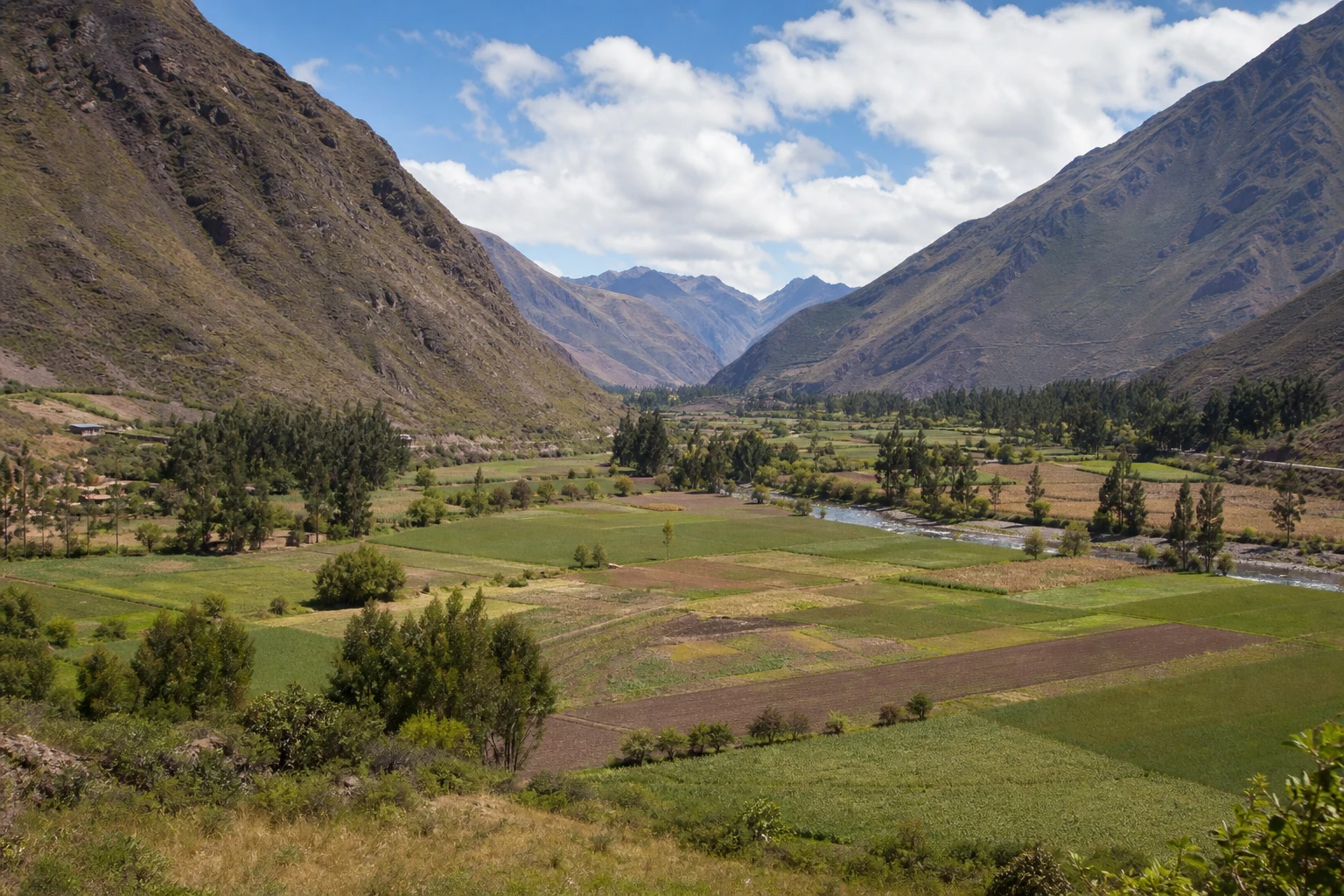
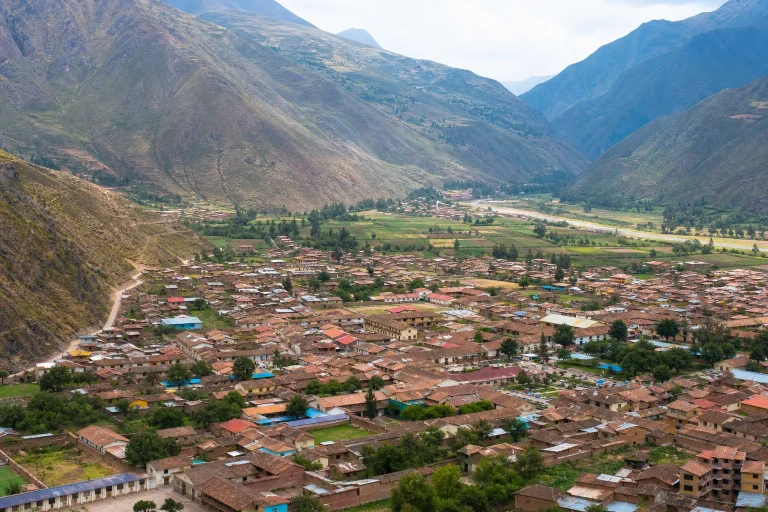
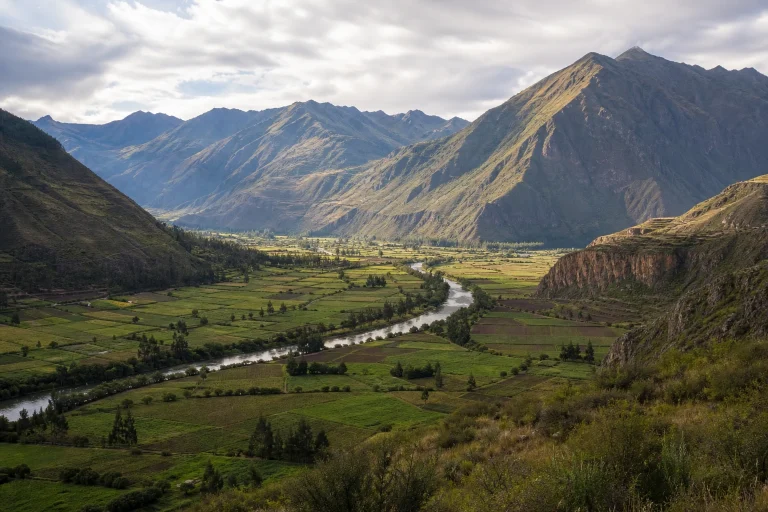
Spring is a useful time to build a Sacred Valley itinerary, but the word needs clarification in Peru. Some travelers mean March through May, while Peru’s Southern Hemisphere spring runs from September through November. This guide covers both planning windows without treating them as identical. The goal is a flexible route linking archaeological parks, valley communities, and an optional onward journey through Ollantaytambo toward Machu Picchu.
- Write exact travel dates on every booking instead of relying on the word “spring.”
- Choose between a multi-stop Sacred Valley circuit and a trip centered on Ollantaytambo.
- Use verified agencies, guides, accommodation providers, and licensed passenger transport.
- Reconfirm rail and onward transport close to departure if continuing to Machu Picchu.
- Check current prices, site schedules, baggage rules, forecasts, and accessibility details before travel.
Avoid building the trip around assumed weather, old fares, or copied travel times. Those details change and differ by date, provider, ticket, and route. Begin with the places you most want to visit, then add current transport schedules and reservations. This order keeps the itinerary useful even when an operator changes a departure or a site adjusts visitor arrangements.

Sacred Valley Tour: Pisac, Maras, Chinchero & Ollantaytambo
Explore the best of Peru’s Sacred Valley on a private full-day tour designed for a personalized and comfortable experience. With your own expert loc...
What “spring” means for your Sacred Valley dates
Use March through May when you mean Northern Hemisphere spring vacation dates. Use September through November when you mean spring in Peru. Writing the months explicitly prevents confusion with hotels, tour companies, travel companions, and anyone arranging transportation.
| Travel window | How to describe it | Planning priority |
|---|---|---|
| March through May | Northern Hemisphere spring travel dates | Check the forecast, current site arrangements, and transport operations for your exact dates. |
| September through November | Southern Hemisphere spring in Peru | Check the same date-specific details rather than assuming a standard seasonal pattern. |
| Either window | Exact arrival and departure dates | Use dates on reservations, pickup requests, and rail plans. |
The distinction matters most when packing and booking. A generic seasonal description cannot replace a destination forecast or a current operating notice. Review the forecast shortly before departure, then adjust clothing and daily plans. Check site and transportation information again if your reservations were made far in advance.
Keep the first and final days flexible when the Sacred Valley forms part of a longer Peru itinerary. A plan with some breathing room is easier to repair than a chain of tightly timed transfers. This is especially important when a rail departure or another fixed reservation controls the next stage of the trip.
Choose a valley circuit or an Ollantaytambo gateway plan
The most important decision is the scope of the trip. Government tourism material recognizes a Sacred Valley circuit that includes Pisac, Yucay, and Ollantaytambo. Regional planning also identifies the archaeological parks of Pisac, Ollantaytambo, and Chinchero as core attractions. These places provide a practical framework without forcing every visitor into the same route.
The multi-stop circuit
Choose a circuit when the Sacred Valley itself is a main part of the trip. Give each archaeological anchor enough room rather than collecting place names through a vehicle window. The published guide to the best things to do in the Sacred Valley for first-time visitors can help narrow a long wish list before transportation is booked.
A circuit does not have to include every recognized stop. Pick two or three priorities and leave optional places unassigned until current travel times are known. This protects the day against rushed meals, late arrivals, and an unrealistic sequence of reservations.
The Ollantaytambo gateway plan
Choose a gateway plan when the onward Machu Picchu route carries equal or greater importance. Ollantaytambo can serve as both a core Sacred Valley attraction and the point where the itinerary connects with rail travel. This approach reduces the temptation to squeeze several major valley stops into the hours before a fixed departure.
Do not choose between the two approaches using an unverified travel-time comparison. Check current road transfers, station instructions, and departure requirements first. Then decide how much of the valley fits comfortably before the onward journey.
Plan the core Sacred Valley stops
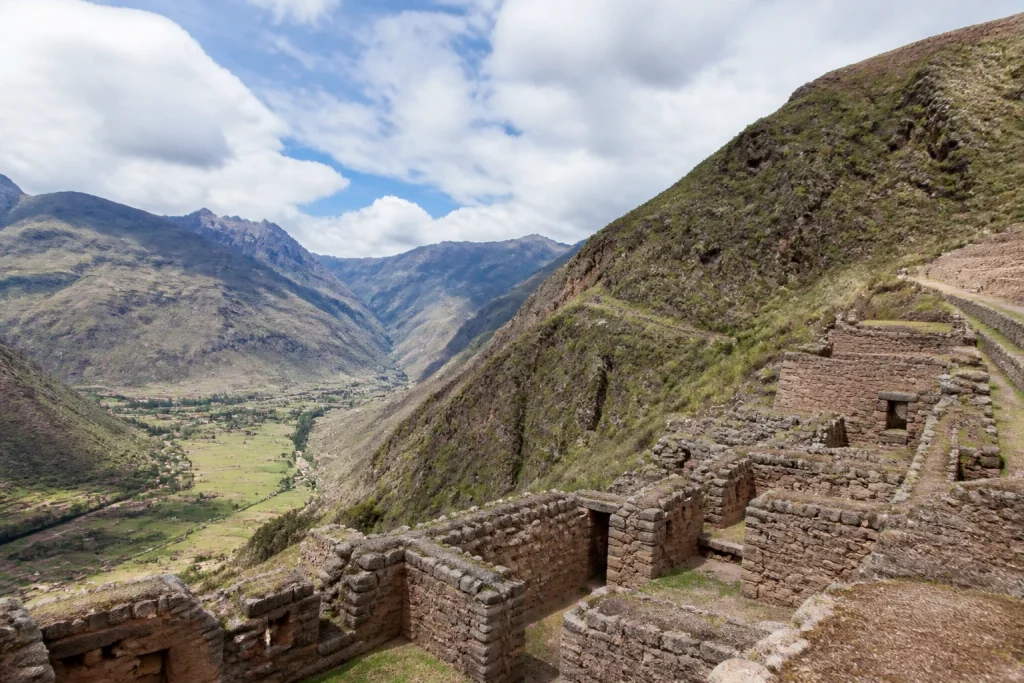
Pisac, Ollantaytambo, and Chinchero form a clear archaeological backbone for a first trip. Yucay adds another recognized place within the wider Sacred Valley circuit. Your best combination depends on the number of available days, current transport arrangements, and whether Machu Picchu follows immediately afterward.
Pisac
Treat Pisac as a principal stop rather than an automatic addition to an overloaded day. Decide how much time you want for the archaeological park and any town activity before accepting a tour schedule. The Pisac ruins and market guide offers a focused way to judge how those interests fit together.
If a particular market day matters to you, confirm the current arrangement before shaping the rest of the route. Avoid letting a single calendar detail dictate several nonrefundable bookings until transportation and accommodation are aligned.

Machu Picchu: Official Entrance Tickets
With this ticket you can visit the Inca city of Machu Picchu. The ticket allows you to visit most of the archaeologi...

Machu Picchu Shuttle Bus Round-Trip Tickets from Aguas CalienteS
Travel worry-free aboard the official CONSETTUR shuttle bus, the only authorized transportation between Aguas Calien...

Machu Picchu Entrance Ticket Official Circuits
Discover the wonders of Machu Picchu with an official entrance ticket that allows you to explore this ancient Inca c...
Chinchero
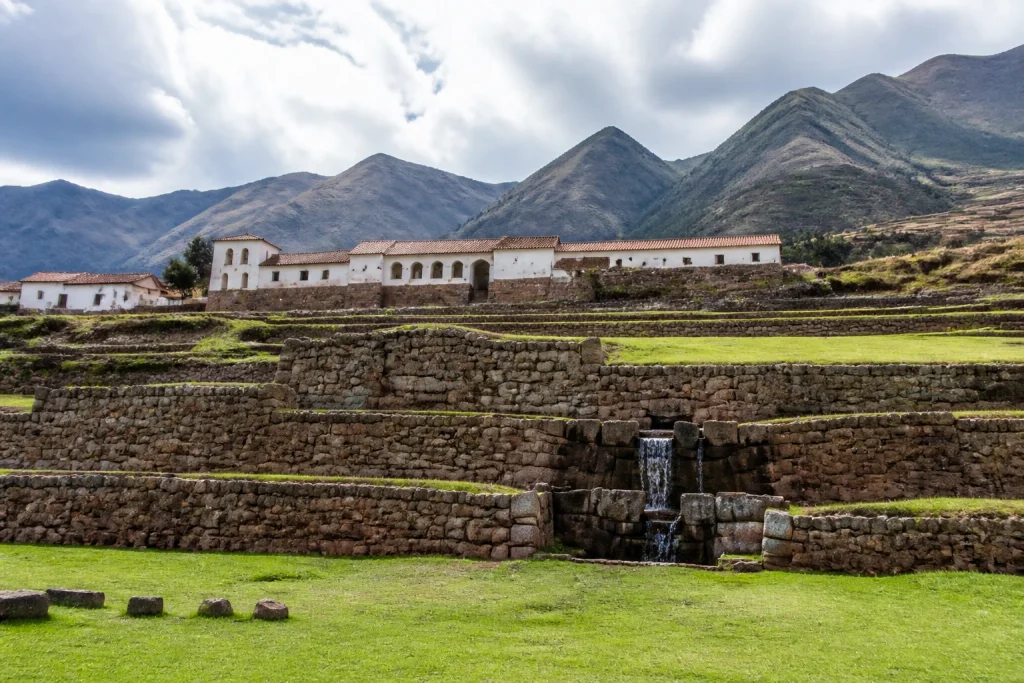
Chinchero belongs among the region’s core archaeological parks. Decide whether archaeology, community-based activities, or textile interests are the priority for your visit. The Chinchero textiles and market guide can help frame that choice before you compare tours or private transportation.
Ask any tour provider to state which Chinchero activities are included. A stop carrying the town’s name can represent different experiences, so the itinerary description matters more than a brief label.
Ollantaytambo
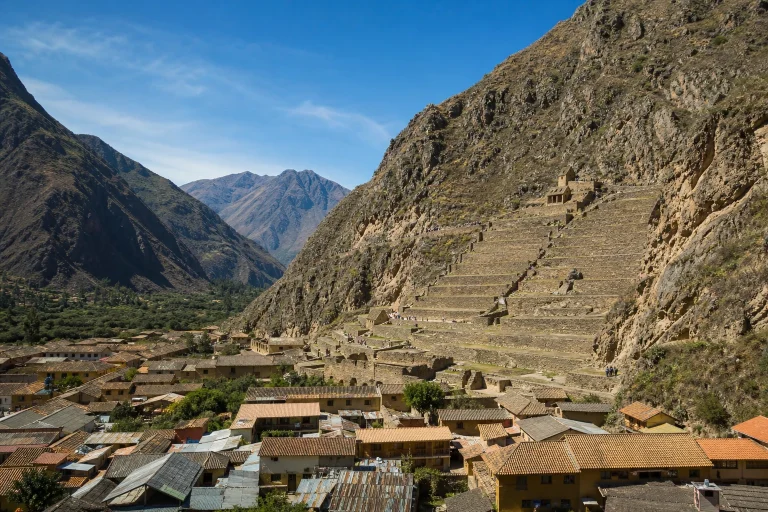
Ollantaytambo deserves separate planning because it is both a major archaeological stop and a practical connection for travelers continuing toward Machu Picchu. The guide to Ollantaytambo’s stone streets and Inca town provides more detail for visitors who want to explore instead of treating the town only as a departure point.
If a train follows your visit, work backward from the current station instructions. Allow enough time for the activities you selected, collecting stored luggage, reaching the station, and completing the operator’s required arrival process. Use the timing printed in your current confirmation rather than a general estimate.
Yucay and optional additions
Yucay is part of the recognized Sacred Valley circuit and can be considered when building a broader valley stay. Add it because it serves your itinerary, not merely to increase the stop count. Compare its position in your current road plan with the places already booked.
Maras and Moray are common names on travelers’ wish lists, but they do not need to be forced into this core circuit. If they are priorities, use the Maras and Moray half-day guide to consider them as a distinct outing. Confirm current access and operating details before assigning the excursion to a particular date.
Flexible Sacred Valley itineraries for one to three days
Use these outlines as planning frameworks, not fixed schedules. Current road conditions, pickup zones, admission arrangements, and onward reservations should determine the final sequence. No universal travel-time estimate works for every starting point or transport type.
- One day: Choose one archaeological park as the anchor. Add a second stop only after confirming current transfers and the time needed for both visits.
- Two days: Give Pisac one day and reserve another for Ollantaytambo, Chinchero, or Yucay. Select the second-day base according to your next confirmed journey.
- Three days: Use one major anchor per day, or dedicate the third day to an optional outing. Travelers continuing to Machu Picchu can finish with Ollantaytambo and a separately confirmed rail plan.
- More than three days: Add rest time, community activities, or optional places gradually. Keep at least one portion of the schedule adjustable until current operating details are clear.
Avoid booking separate providers on a schedule that leaves no recovery time between activities. Pickup boundaries, meeting points, luggage arrangements, and drop-off locations can differ. Read each confirmation as part of one connected itinerary rather than as an isolated purchase.
If one place matters far more than the others, protect it. Schedule that priority as the day’s main event and treat additional stops as optional. Sacred Valley travel is more rewarding when the plan leaves space to look closely instead of racing toward the next vehicle.
Still comparing Sacred Valley Spring Itinerary And Sightseeing?
Ask for tour ideas, hotel suggestions, or a simple trip plan that combines both.
Trip Helper
Transportation, verified operators, and rail checks
Use licensed transport and verified tourism businesses. The Cusco regional government’s Turismo Seguro service allows travelers to check whether agencies, guides, and accommodation providers are certified. This is more dependable than choosing solely through an informal listing or an unsolicited offer.
Informal passenger transport has been identified as a safety concern during periods of high demand in the Cusco region. That does not establish a current threat on every Sacred Valley road. It does support a simple rule: know who is operating the vehicle and use a licensed or verified service.
Road transport questions to settle before booking
- Which places are included, and in what order?
- Where are pickup and final drop-off points?
- Is the vehicle private, shared, or part of a larger tour?
- How is luggage handled during sightseeing stops?
- Which admissions or guide services are included?
- What happens if a delay affects a later reservation?
Continuing by rail toward Machu Picchu
MINCETUR has published traveler information for the Machupicchu–Cusco route. Consult the current guidance when your Sacred Valley itinerary continues through Ollantaytambo. Pair it with the latest instructions from the operator named on your booking.
Official notices have documented periods when rail service required progressive restoration and government coordination to maintain tourist access. Those notices do not mean disruption is occurring on your travel date. They are a good reason to reconfirm operations shortly before departure and monitor current messages from your provider.
Use the Sacred Valley trains to Machu Picchu comparison to understand the main booking decisions, then check the live schedule, fare, station, baggage policy, and passenger instructions directly for your date. Do not assume two tickets with similar departure labels include the same conditions.
Choose where to stay according to the next day’s route
The best base is the one that simplifies your confirmed priorities. Start with the first activity or departure on the following morning. Then compare lodging by pickup coverage, luggage storage, check-in timing, room access, cancellation terms, and the transport needed to reach that commitment.
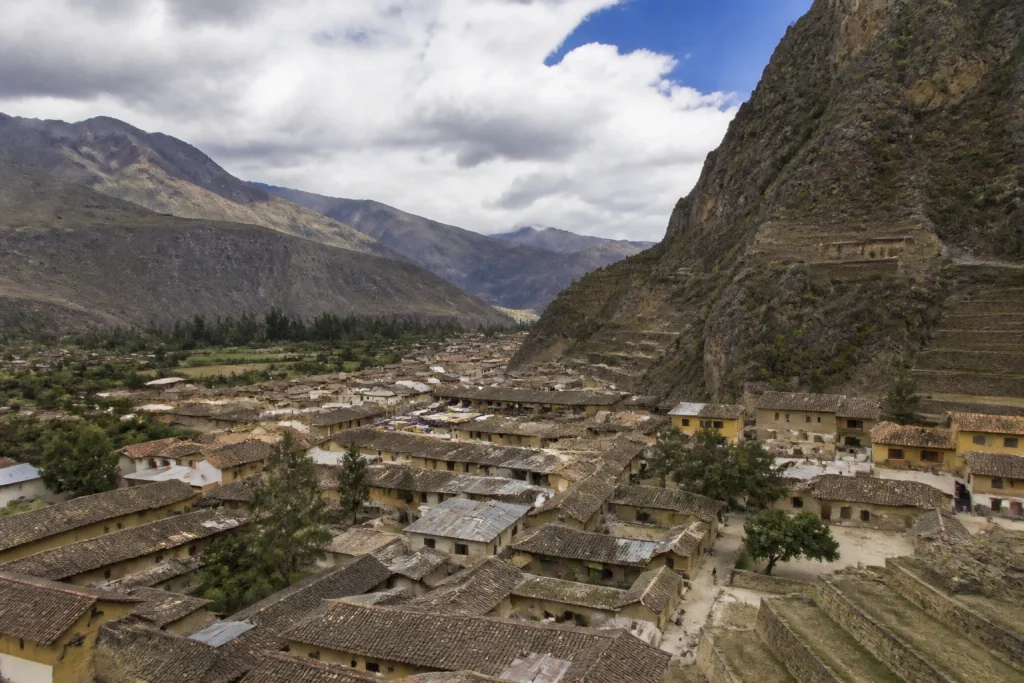
Travelers focused on a circuit should compare bases against every major stop, not just the first one. Travelers continuing by rail should give extra weight to station access and luggage arrangements. The guide to where to stay in the Sacred Valley compares lodges, hotels, and village bases for this decision.
Verify the accommodation through Cusco Turismo Seguro when applicable. A polished listing alone does not answer practical questions about certification, access, or transportation. Keep the property’s current contact details and booking confirmation available offline.
- Confirm whether your tour collects guests at the property or at a separate meeting point.
- Ask how late arrivals are handled if you are connecting from another service.
- Check luggage storage if sightseeing falls before check-in or after checkout.
- Confirm room-access details if anyone in the group has mobility requirements.
- Review cancellation terms before linking the stay to rail or tour reservations.
Build a budget without relying on outdated prices
Sacred Valley costs depend on travel dates, ticket choices, transportation, guiding, lodging, and the scope of the itinerary. Build the budget in categories first. Add current figures only after checking the relevant official ticketing authority, operator, or accommodation.
| Budget category | What to check |
|---|---|
| Archaeological visits | Current admission type, included sites, validity, and visitor instructions |
| Guides and tours | Group size, language, admissions, meals, pickup area, and cancellation terms |
| Road transport | Private or shared service, route, waiting time, luggage, and final drop-off |
| Rail travel | Live fare, station, departure, baggage policy, and ticket conditions |
| Accommodation | Taxes, meal inclusions, transfers, cancellation terms, and room-access needs |
| Daily spending | Meals, drinks, optional activities, and a reasonable contingency amount |
Compare complete packages rather than headline prices. A cheaper tour can become less useful if it omits the admission, pickup, guide, or stop that matters most. Write the inclusions beside each option so the difference remains visible.
Keep a contingency category instead of trying to predict every expense. Its purpose is to absorb an altered transfer, changed meal plan, or other practical adjustment without disrupting the essential reservations. The amount should reflect your itinerary and comfort level rather than an arbitrary online estimate.

Machu Picchu Shuttle Bus Round Trip from Aguas Calientes
Travel worry-free with the official CONSETTUR shuttle bus, the only authorized transport between Aguas Calientes and...

Official Machu Picchu Entrance Ticket
Secure your visit to Machu Picchu with this official entrance ticket to one of the New Seven Wonders of the World. E...

Machu Picchu Official Entry Ticket
Discover the wonder of Machu Picchu with an official entrance ticket. Choose from several official circuits, each of...
Plan accessibility one property and route at a time
Do not treat the Sacred Valley as having one accessibility profile. Confirm each archaeological site, vehicle, station, hotel, and activity separately. Ask questions that describe the traveler’s actual needs rather than using accessibility as a single yes-or-no label.
- Are there steps between arrival, ticket control, and the main visitor area?
- Is a step-free route available, and what portion of the visit does it cover?
- Can the selected vehicle carry a wheelchair or other mobility equipment?
- How far is the room from reception, dining areas, and the vehicle drop-off?
- Are accessible toilets available along the planned route?
- Can the provider accommodate a slower pace or a different meeting point?
Record the answers beside the relevant reservation. A hotel’s arrangements do not guarantee that the tour vehicle or archaeological route will meet the same needs. If several providers are involved, make sure the handoff between them is workable too.
What to pack for either spring travel window
Pack for your current forecast and chosen activities, not for a generic idea of spring. Recheck conditions shortly before departure. Use adjustable layers, and add rain or sun protection according to the forecast and the amount of exposed outdoor time in your plan.
- Offline copies of lodging, tour, admission, and transport confirmations
- Identification and any documents specified by the ticket provider
- Clothing layers selected for the current forecast
- Footwear suited to the surfaces described by your tour or attraction
- Water and snacks where permitted by the provider or site
- A compact day bag that meets current rail or transport baggage rules
- Phone power, charging equipment, and offline access to essential details
Separate the items needed during the day from luggage that will remain at a hotel or travel onward. Confirm storage before arrival, particularly when checkout and a later rail departure fall on the same date. Check current baggage rules rather than assuming a hotel transfer, tour vehicle, and train accept the same luggage.
Keep essential confirmations available without a data connection. Include meeting points, provider names, current contact details, and the reservation conditions that affect missed departures. This small step makes a complicated itinerary easier to manage when several bookings connect on one day.
A final planning sequence that keeps the trip flexible
- Define spring with exact travel dates.
- Choose a circuit or an Ollantaytambo-centered gateway plan.
- Select two or three priority places before adding optional stops.
- Check current admissions, transportation, lodging, and accessibility arrangements.
- Verify agencies, guides, accommodation providers, and passenger transport.
- Reconfirm rail and other fixed departures shortly before travel.
A successful Sacred Valley spring trip does not require visiting every named stop. It requires a clear set of dates, a realistic route, dependable providers, and enough flexibility to respond to current conditions. Choose the archaeological places that matter most, protect fixed departures, and let the rest of the valley unfold at a measured pace.
Frequently asked questions
When is spring in the Sacred Valley?
Peru’s Southern Hemisphere spring runs from September through November, although some travelers use “spring” to mean March through May vacation dates. Always use exact months and dates when booking.
How many days should I spend in the Sacred Valley?
Two or three days provide a practical framework for prioritizing major stops without forcing everything into one circuit. A single day works best when you choose one main archaeological anchor and add another place only if current transfer timing allows.
Which places belong in a first Sacred Valley itinerary?
Pisac, Ollantaytambo, and Chinchero are strong archaeological anchors, while Yucay is also part of the recognized Sacred Valley circuit. Select the combination that fits your confirmed route and onward plans.
Should I stay in Ollantaytambo before traveling to Machu Picchu?
Ollantaytambo is a practical option when the itinerary combines a major Sacred Valley stop with onward rail travel. Check the current departure station, baggage rules, and arrival instructions before choosing accommodation.
How can I check a Sacred Valley tour or guide?
Use the Cusco regional government’s Turismo Seguro verification service to check whether an agency, guide, or accommodation provider is certified. Use licensed passenger transport rather than relying solely on informal offers.
Should I reconfirm trains before departure?
Yes. Reconfirm the operating status, station, schedule, baggage policy, and passenger instructions close to departure. Earlier official notices documented periods of disrupted service, but they do not establish that disruption is occurring on your date.
Is the Sacred Valley wheelchair accessible?
Accessibility must be confirmed for each site, vehicle, station, hotel, and activity. Ask about steps, step-free routes, toilets, equipment storage, and the distance between drop-off points and visitor areas before booking.
Do I need advance reservations for a spring visit?
Reserve any experience that controls the rest of your itinerary, especially lodging, guided services, and onward transportation. Current ticket rules and availability vary, so check the relevant official or operator information for your dates.
Sacred Valley Tour: Pisac, Maras, Chinchero & Ollantaytambo
Explore the best of Peru’s Sacred Valley on a private full-day tour designed for a personalized and comfortable experience. With your own expert loc...