Sacred Valley Winter Travel Guide
Plan a Sacred Valley winter trip with practical guidance on June to August demand, Machu Picchu trains, lodging, road transfers, packing, hiking, and booking order.
 Visit Sacred Valley
September 5, 2026
Visit Sacred Valley
September 5, 2026
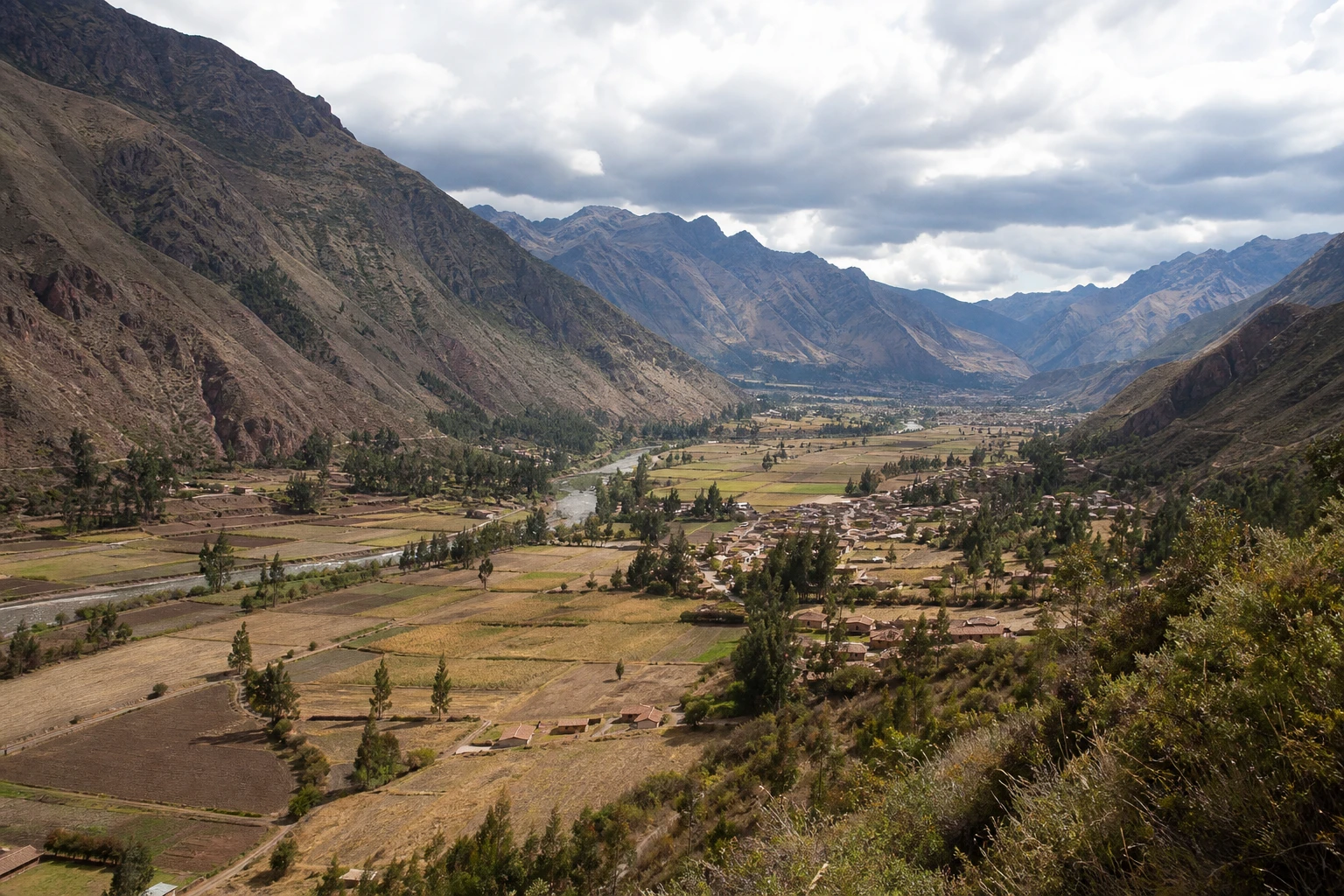
Winter in Peru’s Sacred Valley runs from June through August. These months demand an organized approach, especially if Machu Picchu is part of the trip. Rail demand is high during this period, so winter should not be treated as an automatic low-crowd season. The most successful plan secures the fixed reservations first, then builds flexible valley days around them.
- Treat June, July, and August as a high-demand booking period for Machu Picchu rail travel.
- Reserve Machu Picchu admission and a compatible train before committing to nonrefundable lodging or transfers.
- Choose your Sacred Valley base around the correct station and actual departure time.
- Allow a buffer for road transfers and check current road conditions near departure.
- Pack adaptable layers instead of relying on one general forecast for the entire valley.
- Confirm accessibility arrangements and hiking-route status before booking specialized plans.
A Sacred Valley winter itinerary works best as a chain of connected decisions. Entry times affect trains, trains affect transfers, and transfers influence where it makes sense to sleep. Once those pieces align, there is room for markets, archaeological stops, village walks, long lunches, and open afternoons without turning every day into a race.

From Urubamba & Ollantaytambo: Sacred Valley Day tour with Lunch
Explore the best and most unique sites in the Sacred Valley on a private tour. Visit the impressive ruins of Ollantaytambo, an ancient Inca fortress...
What winter means for Sacred Valley planning
The essential seasonal fact is simple: the Sacred Valley is in the Southern Hemisphere, so June through August is winter. It is also a high-demand period for Machu Picchu rail travel. That combination makes advance organization more valuable than assumptions about finding empty trains, last-minute rooms, or unrestricted entry choices.
Rail demand does not provide a precise crowd forecast for every market, village, or archaeological stop. Treat busy transport as a reason to secure key reservations, not as proof that every part of the valley will feel the same. Flexible sightseeing days still leave room to adjust your start time, shorten a stop, or rest after an early train.
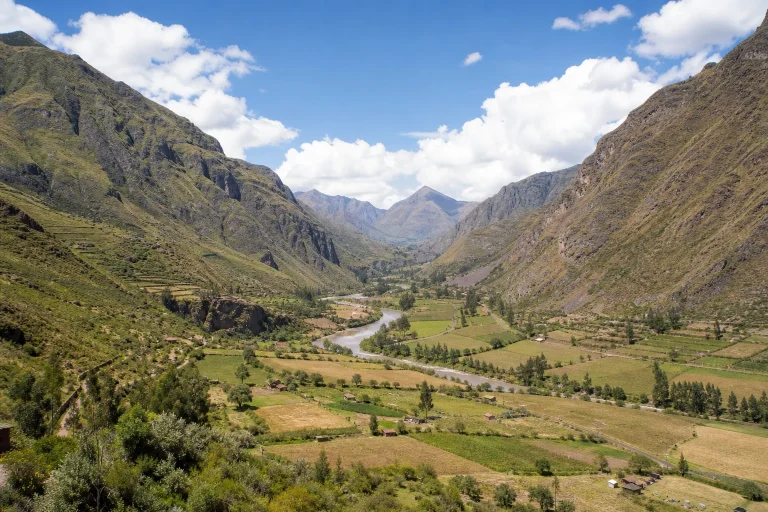
Check a location-specific forecast shortly before departure rather than planning the entire trip around a single seasonal description. The valley covers multiple bases and elevations, while a Machu Picchu extension adds another setting. A layered packing system is more useful than one heavy outfit that cannot adapt during transfers, walks, and station waits.
Book the fixed pieces in the right order
If Machu Picchu is part of the trip, begin with its entrance availability. Admission is controlled by circuit, date, and entry time, and it is not included with a train ticket. Next, find a train that works with the selected entry. Only then should you lock in nonrefundable lodging, private transfers, or tightly scheduled tours.
PeruRail advises booking two to four weeks ahead, particularly for June through August, while also noting elevated 2026 demand and encouraging early reservations. For a winter trip with limited date flexibility, begin sooner. The tradeoff is less freedom to rearrange the itinerary, but a better chance of matching the desired entrance with workable rail times.
- Check Machu Picchu circuit, date, and entry-time availability.
- Choose compatible outbound and return rail services.
- Confirm the station named on each ticket.
- Select lodging that works with those departures and arrivals.
- Arrange transfers with enough time for road delays and station procedures.
- Add flexible Sacred Valley sightseeing around the fixed reservations.
| Trip component | Decision to make | Why the order matters |
|---|---|---|
| Machu Picchu admission | Circuit, date, and entry time | Admission is separate and availability is controlled by the selected entry. |
| Train | Station and exact service | The booked schedule determines transfer and lodging needs. |
| Lodging | Base and cancellation terms | The best location depends on fixed transport times. |
| Road transfer | Pickup time and buffer | Current road conditions can affect the journey. |
| Hiking | Route and current access | Walking-route access is managed separately from trains and ordinary sightseeing. |
Choose a base around the station, not just the view
Ollantaytambo is the key Sacred Valley rail gateway for onward travel to Machu Picchu. This makes it a practical base before an early departure or after an evening return. PeruRail’s May to December 2026 timetable lists multiple daily services in both directions, but travelers should organize the night before and after the journey around the exact train they book.
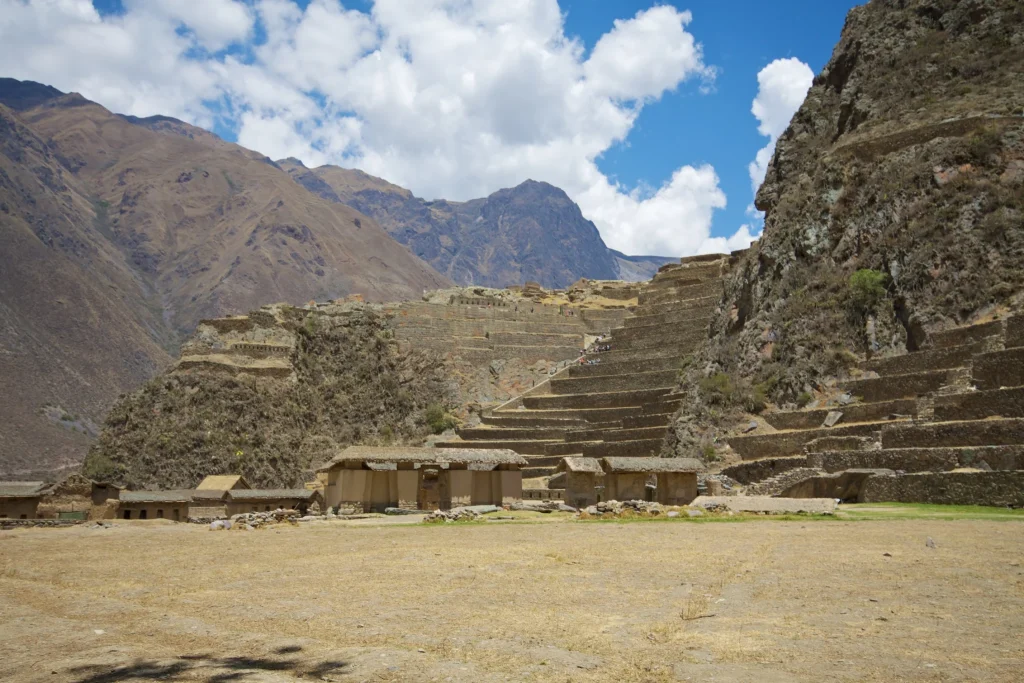
The best base for the rest of the trip depends on the planned activities and tolerance for changing hotels. A guide to where to stay in the Sacred Valley can help compare villages, lodges, and practical locations. Travelers who dislike repacking can use one base for general sightseeing, then add an Ollantaytambo night only when it meaningfully simplifies the rail day.
Before paying, compare the hotel’s location with the station printed in the proposed rail itinerary. Ask the property or transfer provider how the departure works at that hour, especially if luggage storage or a very early pickup is involved. A beautiful room loses some charm when the alarm rings and the vehicle is waiting in the wrong town.

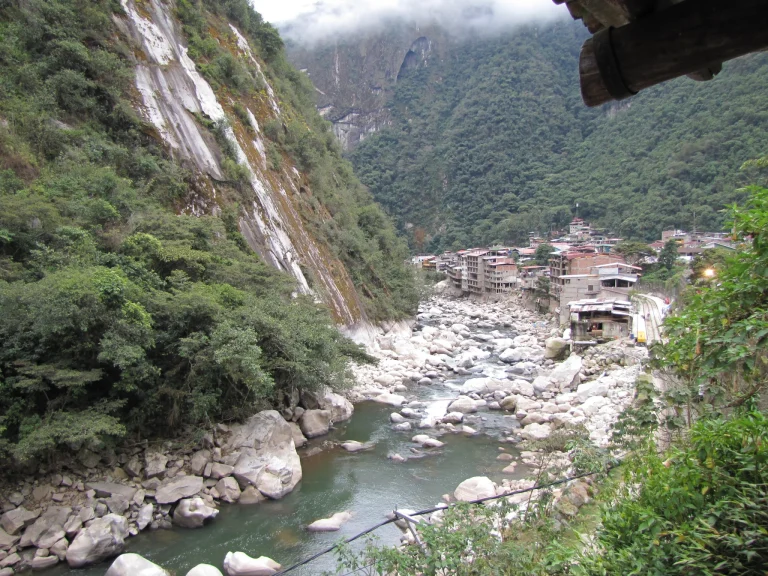
Machu Picchu Shuttle Bus Round Trip from Aguas Calientes
Travel worry-free with the official CONSETTUR shuttle bus, the only authorized transport between Aguas Calientes and...

Machu Picchu Private Archaeological and Historical Guided Tour
Explore Machu Picchu, one of the Seven Wonders of the World, in the company of a private guide. Enjoy the undivided...

Private Guided Tour in Machu Picchu
The guide will be exclusively for you or your group, the tour is along the circuit indicated on your ticket. The gui...
Make the Machu Picchu rail day fit together
PeruRail describes the Ollantaytambo to Machu Picchu journey as taking about one hour and 45 minutes. Use that only as a planning reference. Individual services have their own departure and arrival times, so the booked timetable should control the day’s itinerary, transfer pickup, and any meal or hotel arrangements.
A train comparison should consider more than the brand name. Review the route, departure station, schedule, service type, luggage conditions, and connection with the entrance time you selected. The comparison of PeruRail and Inca Rail trains to Machu Picchu is useful when sorting the available routes, but the final choice must match your particular date and station.
Avoid building a connection around the approximate journey duration alone. Allow time for the road transfer, station arrival process, and movement between separate parts of the trip. Put reservation details in one offline note, including passenger names, dates, stations, departure times, entrance information, and the contact details supplied by each booked provider.
Build road buffers into every important connection
Road transfers link Sacred Valley hotels, towns, stations, and onward journeys. Leave extra time before any fixed train rather than planning the road portion to the minute. A buffer is especially important when missing the next component would affect a separately booked entrance or create a chain of replacement costs.
SUTRAN’s national road-alert map classifies roads as open, restricted, or interrupted and is intended for checks before travel. Its alerts are real-time information, so they should be paired with a current update from the driver, hotel, or transfer provider. Do not rely on an older statement that a particular road was open or closed.
Keep the day before a major train relatively simple if your schedule permits. A nearby meal, an unhurried walk, or an early night creates less risk than an ambitious outing that ends with a long road transfer. Confirm the pickup time and meeting point once, then keep both available offline.
Fill flexible days with Sacred Valley experiences
Once the rail and entrance pieces are secure, shape the remaining days around energy rather than a checklist. A first-time guide to the best things to do in the Sacred Valley can help narrow the options. Choose one main focus for each day and leave room for a meal, an unscheduled stop, or a slower morning after an early departure.
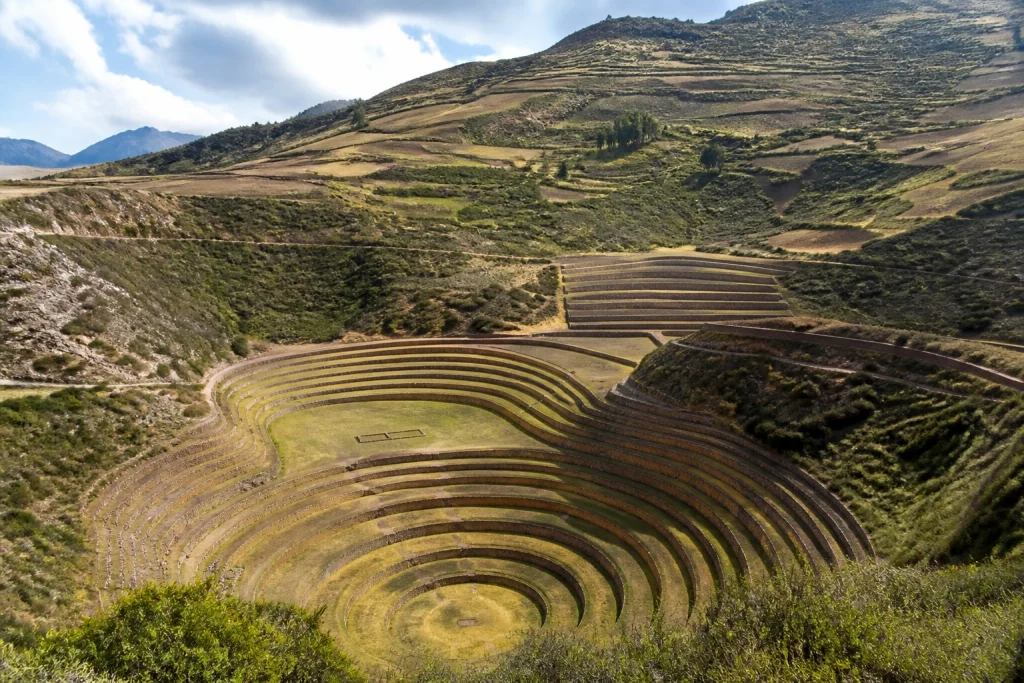
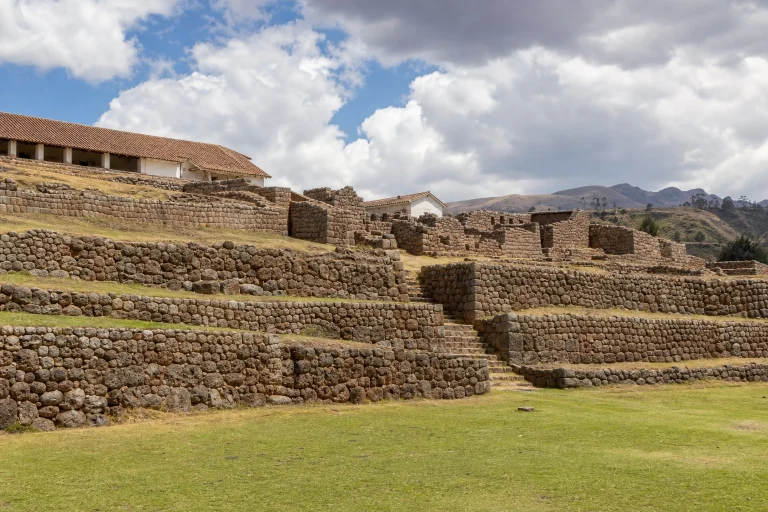
Ollantaytambo deserves consideration beyond its role as a station. Use a guide to Ollantaytambo’s Inca town and stone streets when deciding how much time to reserve before boarding a train. If the rail schedule permits, separating town time from the actual departure reduces the temptation to squeeze sightseeing between luggage handling and platform arrival.
For another flexible day, compare a Pisac ruins and market guide with a Maras and Moray half-day guide. The goal is not to collect every named stop. It is to select an outing that fits your base, available daylight, walking comfort, and appetite for road time. Ask any tour provider for the actual pickup area and return plan before placing it beside a fixed reservation.
- Choose one main destination or theme for the day.
- Check how much road time the outing adds from your base.
- Avoid pairing a distant excursion with a fixed evening departure.
- Keep one meal or walk unscheduled so the day can breathe.
- Protect the evening before an early train.
Still comparing Sacred Valley Winter Itinerary Planning?
Ask for tour ideas, hotel suggestions, or a simple trip plan that combines both.
Trip Helper
Treat hiking access as a separate planning question
Rail travel, ordinary Sacred Valley sightseeing, and managed hiking routes do not share one universal access status. Travelers adding the Inca Trail or another Machu Picchu-area walking route should confirm that specific route rather than assuming winter dates guarantee access.
Peru’s culture and protected-areas authorities reopened the Inca Trail network on March 1, 2026, after seasonal maintenance. That reopening was a dated, route-specific announcement rather than a permanent guarantee for every later departure. Check current access with the responsible authority or booked operator close to the trip, along with the meeting point and required documents.
Do not use a trail closure or reopening notice to draw conclusions about trains or ordinary valley visits. Each component has its own operating conditions. Keeping those categories separate makes it easier to change one activity without dismantling the entire itinerary.
Pack a small system that adapts through the day
Start with clothing that can be added or removed without unpacking a suitcase. A breathable base, warm mid-layer, light outer shell, comfortable walking shoes, and spare socks cover more situations than one bulky outfit. Add sun protection and a compact water-resistant layer after checking the latest forecast for each stop.
Keep train tickets, admission details, identification, medication, a charged phone, and essential layers in the day bag rather than checked or stored luggage. Save reservation documents for offline use. Stations and pickup points are much easier to navigate when the exact service number, departure time, and passenger details are available without a data connection.
- Breathable base layer and warm mid-layer
- Light outer shell and sun protection
- Comfortable shoes with reliable grip
- Small day bag for documents and medication
- Portable charger and offline booking copies
- Refillable water bottle and simple snacks
Sample winter itineraries that protect the fixed bookings
A focused three-night plan
- Night one: arrive at the chosen base, settle in, and keep the evening open.
- Day two: select one Sacred Valley outing that does not threaten the next fixed departure.
- Night two: stay in the location that best supports the booked rail service.
- Day three: follow the exact train and Machu Picchu entrance schedule.
- Night three: return according to the booked service and avoid adding another hard deadline.
This compact structure suits travelers who accept limited sightseeing in exchange for fewer hotel changes. Its main weakness is that a disruption leaves little room to rearrange the trip. Flexible cancellation terms and generous transfer buffers matter more when the visit is short.
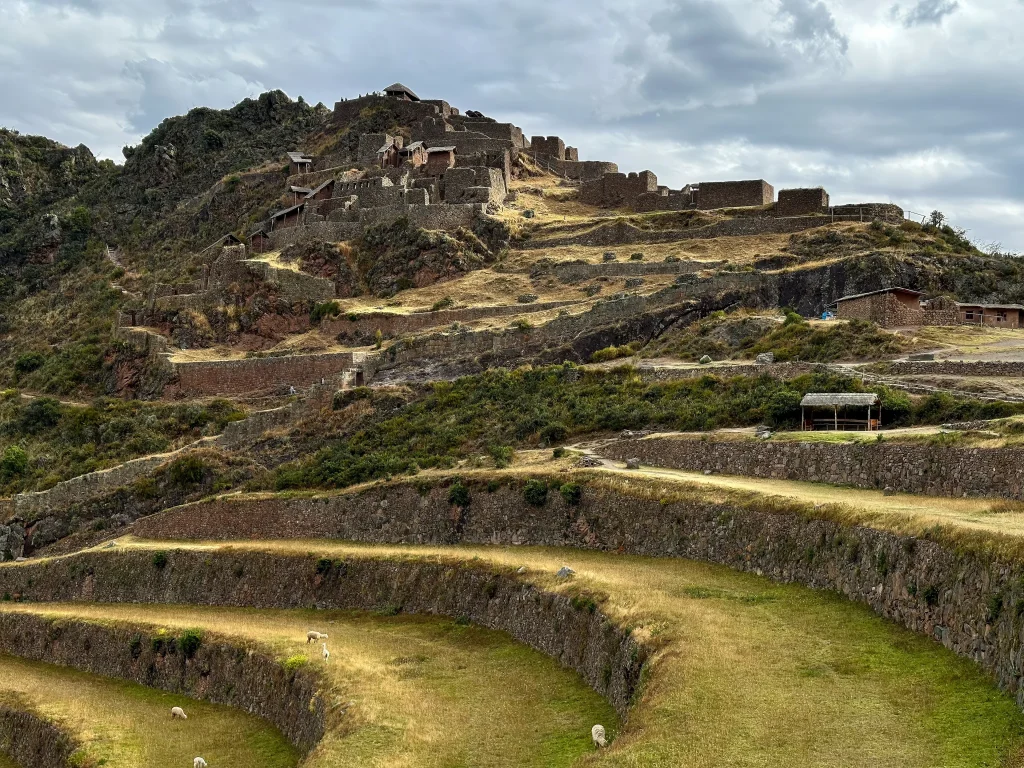
A more relaxed five-night plan
- Night one: arrive and recover without scheduling a distant excursion.
- Day two: choose a Pisac-focused day or another single-area outing.
- Day three: consider Maras and Moray, village time, or an easy day near the hotel.
- Night four: position the group for the booked rail departure if a base change is useful.
- Day five: travel according to the Machu Picchu rail and entrance reservations.
- Night five: keep the post-train plan simple and rest before the next transfer.
The longer version gives the valley itself a larger role and creates more breathing room around Machu Picchu. It also makes it easier to choose activities according to energy, current conditions, and road updates. Avoid filling the extra days with so many reservations that the flexibility disappears.

Machu Picchu Circuit 2 Guided Tour
Explore the wonders of Machu Picchu via the official Circuit 2 route, known for its stunning views and historical si...
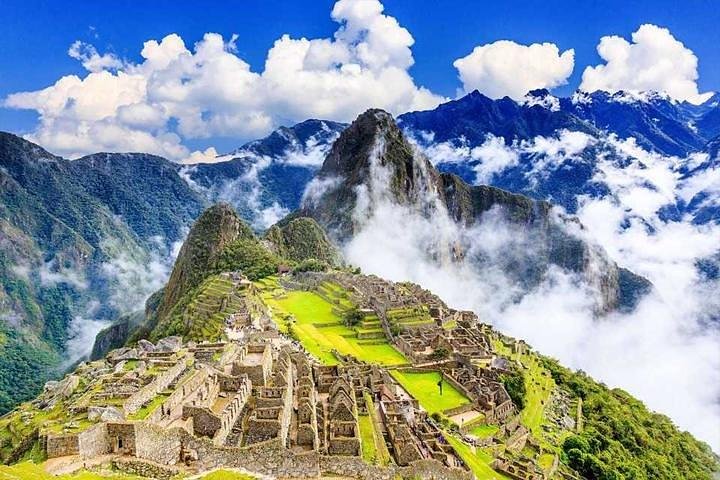
Machu Picchu Entrance Ticket
This experience gives you something most travelers can’t find: peace of mind. Whether you plan ahead or need a sol...

Private Machu Picchu Tour with Expert Guide
Discover Machu Picchu with your own private guide on a fully personalized experience from Aguas Calientes. Skip the...
Plan accessibility one segment at a time
Do not assume one accessibility statement covers the airport transfer, hotel, station, train, archaeological site, toilets, and connecting transport. Travelers with mobility, respiratory, or stamina constraints should obtain written confirmation from the chosen hotel, transfer provider, rail operator, and attraction before booking. Describe the required assistance precisely, including steps, walking tolerance, mobility equipment, luggage help, and boarding needs.
Build additional rest into the itinerary even when every segment can accommodate the traveler. A slower arrival day and fewer same-day connections reduce pressure. If assistance has been arranged, keep the relevant contact details with the reservation documents and reconfirm the meeting point near departure.
Budget for separate tickets and variable rail fares
There is no single dependable train price to use for every winter itinerary. PeruRail fares vary by service, date, route, and availability. Check the live booking options for the actual travel date, and compare what each proposed service includes before making a decision.
Keep Machu Picchu admission as a separate budget line because it is not included with the train. Add lodging, road transfers, tours, meals, and contingency money as their own categories. This prevents a low-looking transport quote from being mistaken for the total cost of the outing.
When comparing plans, examine the entire chain rather than the cheapest individual component. A different departure can change the ideal hotel night, transfer arrangement, or amount of waiting time. Review cancellation and change conditions before paying, particularly when several independently booked reservations must work together.
A winter plan should be structured, not crowded
The Sacred Valley suits travelers who want to combine village time, archaeological outings, and a rail journey toward Machu Picchu. Winter’s main planning challenge is high rail demand, not a need to schedule every hour. Secure the entrance and train, choose a logical base, protect important connections with buffers, and let the remaining days unfold at a more comfortable pace.
Start by checking the fixed Machu Picchu components for your dates. Once those align, reserve lodging and transfers that support the schedule, then select a few valley experiences that genuinely interest you. The result is a trip with firm foundations and enough open space to appreciate where you are.
Frequently asked questions
When is winter in the Sacred Valley?
Winter in the Sacred Valley is June through August because Peru is in the Southern Hemisphere. These months are also a high-demand period for Machu Picchu rail travel.
Is the Sacred Valley uncrowded in winter?
Do not assume winter will be a low-crowd season. June through August brings high demand for Machu Picchu trains, although that does not predict exact crowd levels at every village or attraction.
How early should I book a winter Machu Picchu trip?
PeruRail recommends booking two to four weeks ahead, particularly during June through August, but travelers with fixed dates should start earlier when possible. Reserve the Machu Picchu entrance and compatible rail journey before nonrefundable lodging or transfers.
How long is the train from Ollantaytambo to Machu Picchu?
PeruRail gives an approximate journey time of one hour and 45 minutes. Use the departure and arrival times for the specific booked service when arranging connections.
Does a train ticket include Machu Picchu admission?
No. Machu Picchu admission is separate from the train ticket, and availability depends on the selected circuit, date, and entry time.
Should I stay in Ollantaytambo before the train?
Ollantaytambo is often a practical choice because it is the key Sacred Valley rail gateway for Machu Picchu. Base the decision on the station and departure time printed on your ticket rather than using one rule for every itinerary.
How can I check Sacred Valley road conditions?
Use SUTRAN’s real-time national road-alert map and ask your driver, hotel, or transfer provider for a current local update. Leave a buffer before fixed train departures.
Is the Inca Trail open during winter?
Trail status must be checked for the specific route and date. Authorities reopened the Inca Trail network on March 1, 2026 after seasonal maintenance, but that dated announcement does not guarantee access for every later departure.
What should I pack for a Sacred Valley winter trip?
Pack adaptable layers, a light outer shell, sun protection, comfortable walking shoes, and a day bag for essential documents and medication. Check forecasts for each planned base shortly before departure.
From Urubamba & Ollantaytambo: Sacred Valley Day tour with Lunch
Explore the best and most unique sites in the Sacred Valley on a private tour. Visit the impressive ruins of Ollantaytambo, an ancient Inca fortress...
.jpg)
