Romantic Things to Do in the Sacred Valley
Plan a romantic Sacred Valley escape with Pisac ruins and market browsing, a long Urubamba lunch, an evening in Ollantaytambo, and a scenic train journey toward Machu Picchu.
 Visit Sacred Valley
August 17, 2026
Visit Sacred Valley
August 17, 2026
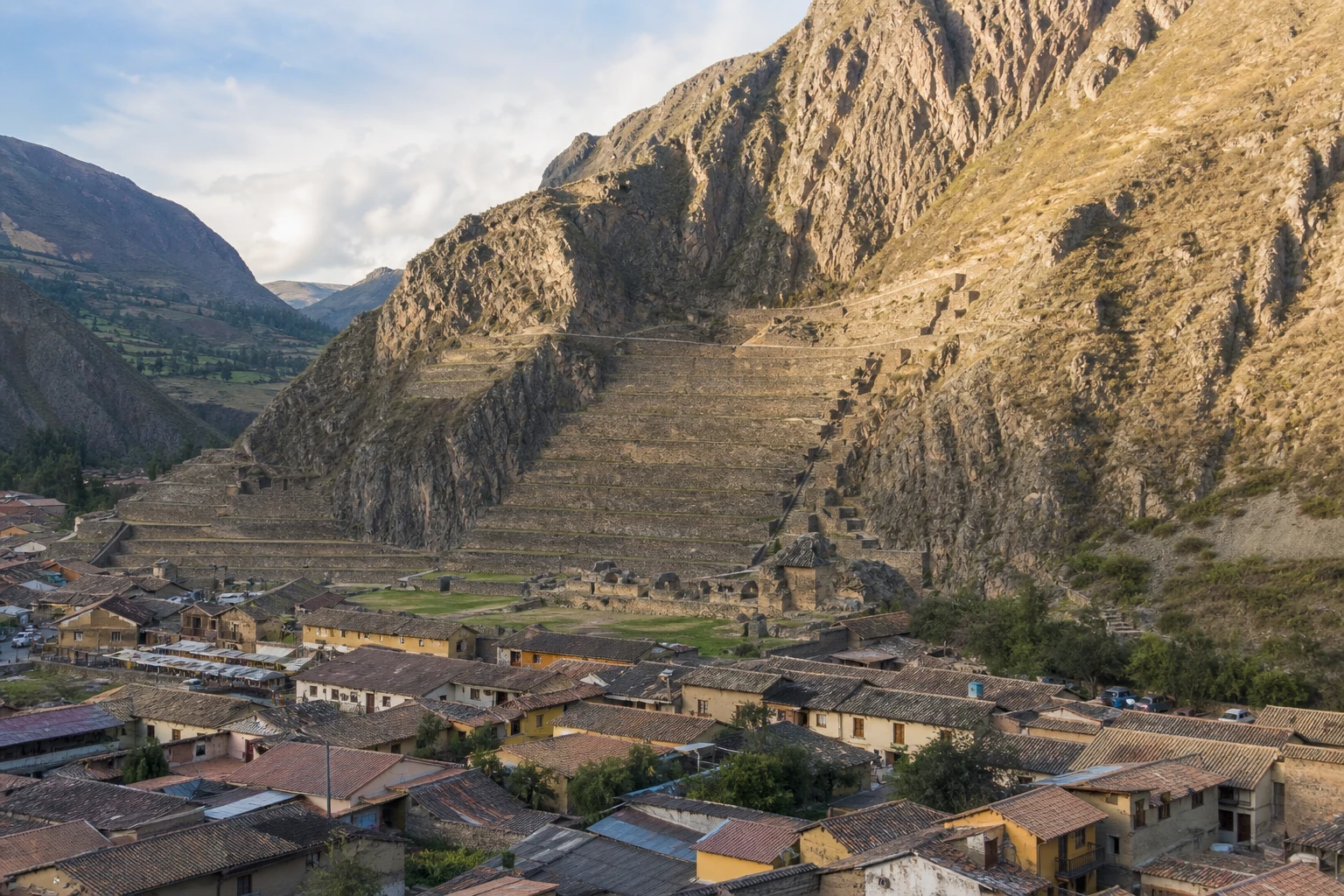
The most romantic Sacred Valley experiences leave room to linger. A rewarding plan combines Pisac’s archaeological park and craft market, a long lunch in Urubamba, and an evening among Ollantaytambo’s old streets. Add an overnight stay or a scenic train journey, and the valley becomes more than a transfer between Cusco and Machu Picchu. It becomes a trip with its own rhythm, shared discoveries, and time for an unhurried conversation.
- Start in Pisac and balance archaeological exploration with relaxed market browsing.
- Reserve enough time for a long lunch in Urubamba instead of eating between transfers.
- Spend the evening and, if possible, the night in Ollantaytambo.
- Choose a private driver or guide when flexibility matters more than the lowest cost.
- Consider the Ollantaytambo to Machu Picchu train as part of the experience, not merely transportation.
- Avoid packing Pisac, Urubamba, Ollantaytambo, and a return to Cusco into one rushed day.
Romance here does not require an elaborate package. It often comes from controlling the pace: reaching a site before you feel hurried, choosing where to stop for lunch, and ending the day without another long road transfer. Shared tours are efficient, but a private vehicle and an overnight stay give couples more freedom to shape the day around their interests.

Sacred Valley Tour: Pisac, Maras, Chinchero & Ollantaytambo
Explore the best of Peru’s Sacred Valley on a private full-day tour designed for a personalized and comfortable experience. With your own expert loc...
The best romantic experiences at a glance
| Experience | Best moment | Why it works for couples | Main planning point |
|---|---|---|---|
| Pisac archaeological park and market | Morning into early afternoon | Combines a major cultural stop with time to browse together | Allow separate time for the ruins and market rather than treating either as a quick photo stop |
| Long lunch in Urubamba | Middle of the day | Creates a natural pause between sightseeing stops | Select your restaurant and transport plan in advance if timing matters |
| Ollantaytambo streets and fortress | Late afternoon and evening | Pairs monumental history with a town that rewards a slower pace | The high viewpoints involve an uphill, step-heavy visit |
| Ollantaytambo overnight | End of the day | Removes pressure to return to Cusco after a full circuit | Choose accommodation that suits your onward transport plan |
| Scenic train toward Machu Picchu | Following morning | Turns the next transfer into a shared travel experience | Check the live timetable, baggage conditions, and station instructions |
1. Give Pisac’s ruins and market their own chapter
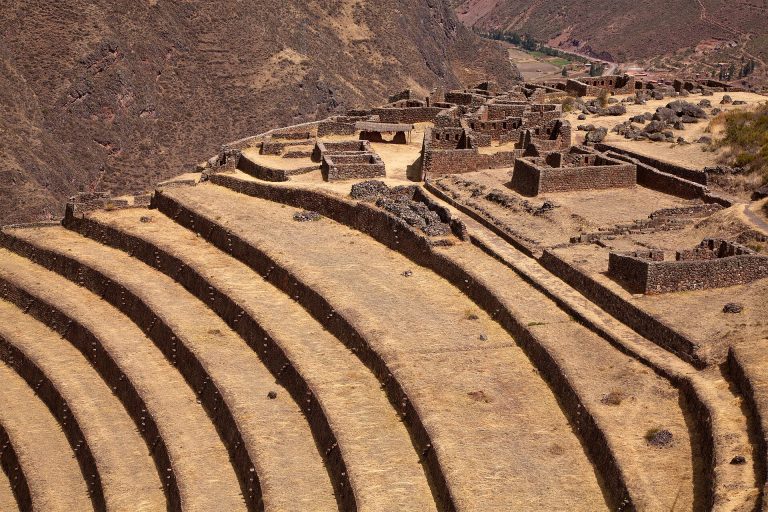
Pisac works well as the opening chapter of a couples’ day because it brings together an archaeological park and a craft market. Rather than racing through both, divide your time deliberately. Explore the archaeological area first, then move into the market with enough room to browse without watching the clock every few minutes.
A private-paced visit gives you control over how long you spend at viewpoints, where you pause, and when you move on. This is especially helpful when one partner enjoys detailed historical interpretation and the other prefers photography or browsing. Our guide to a slow morning at the Pisac ruins and an afternoon in the market can help shape the stop without squeezing it between too many other attractions.
Keep the romantic touches simple. Put phones away for part of the visit, choose one meaningful souvenir together, or stop for a drink before continuing through the valley. Comfortable footwear matters at the archaeological area, and couples with mobility concerns should arrange suitable transport and confirm which sections fit their needs.
2. Turn lunch in Urubamba into the center of the day
A long lunch in Urubamba is one of the easiest ways to prevent a Sacred Valley itinerary from feeling like a checklist. Treat it as a planned experience rather than a refueling stop. A table where you can sit comfortably, talk, and review the morning gives the day a more generous pace before the journey toward Ollantaytambo.
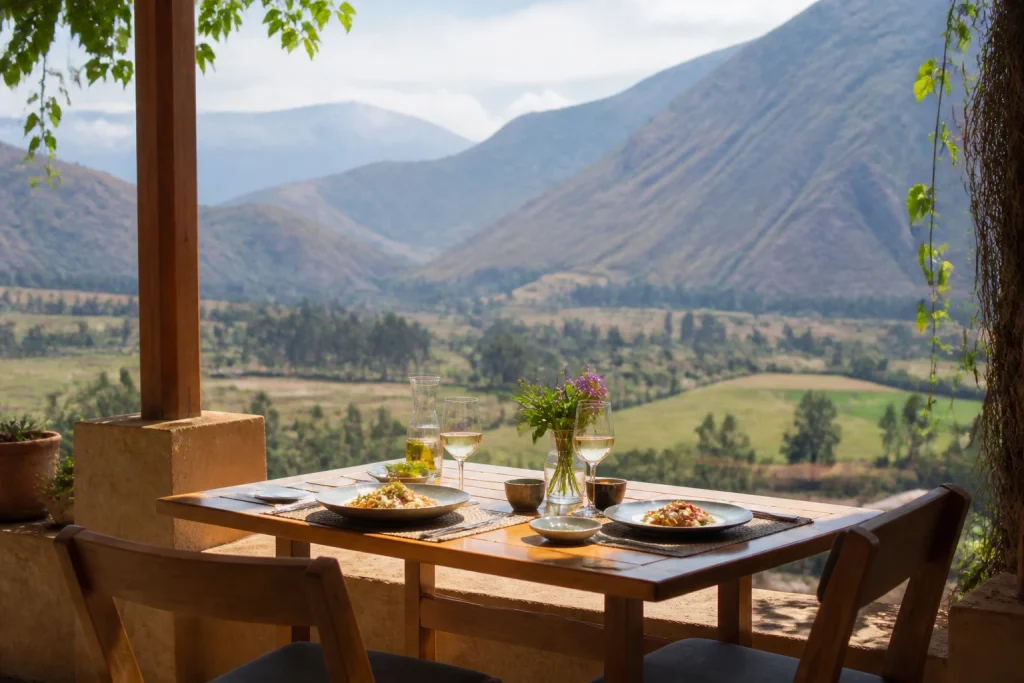
Choose the restaurant according to atmosphere and schedule rather than trying to cover too much ground. If you are using a driver, agree on a pickup time that allows for an unhurried meal. Couples booking a tour should check how much time the itinerary allocates to lunch, since shared excursions generally provide less flexibility than private arrangements.
This is also a sensible place to decide how ambitious the afternoon should be. If you are already tired, shorten the next archaeological visit and save energy for Ollantaytambo’s streets. A romantic day is usually better with one memorable evening than with one extra stop completed in a hurry.
3. Explore Ollantaytambo without racing the clock
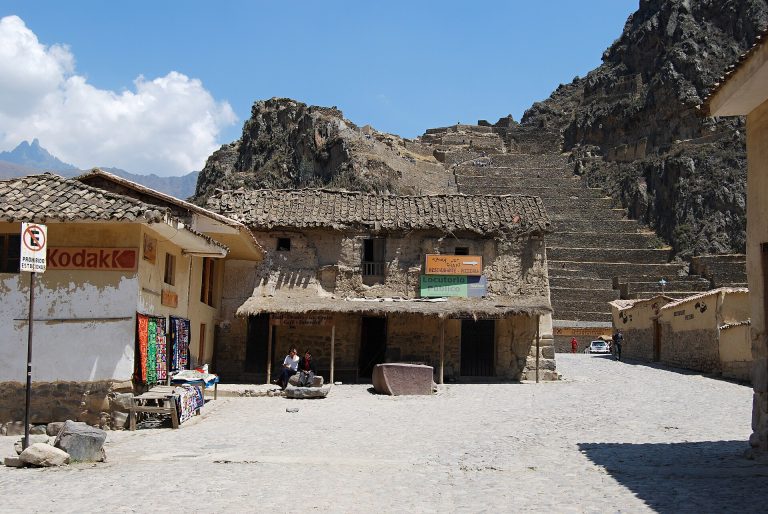
Ollantaytambo offers the strongest finale to a couples’ day in the valley. Its characteristic streets, fortress, and high viewpoints create several ways to experience the town. Climb toward the upper sections if both travelers are comfortable with the effort, or keep the visit focused on the town and lower perspectives if you prefer a gentler outing.
The signature elevated views require an uphill, step-heavy visit, so this is not the place to surprise a partner with an ambitious climb. Discuss the route before starting, carry only what you need, and leave enough time to descend without pressure. A private guide can help tailor the visit, although route conditions and accessibility arrangements should be confirmed when booking.
After the archaeological visit, slow down among the town’s streets instead of leaving immediately. Our guide to living inside Ollantaytambo’s Inca town focuses on the streets and historic setting that make an overnight here so appealing. Staying later also lets day-trip traffic fall out of your schedule, even if the town itself remains active around rail departures.

Machu Picchu Private Tour from Aguas Calientes with Ticket & Bus
Maximize your time at Machu Picchu with this private guided tour starting directly from Aguas Calientes. Skip the ha...

One-Day Inca Trail Hike to Machu Picchu from Cusco
Experience the best of the legendary Short Inca Trail in just one day from Cusco. Begin your hike at Km 104 and foll...

Machu Picchu Private Tour
Explore and experience Machu Picchu with professional tour guides and archaeologists. We will make sure you have a g...
4. Stay overnight in Ollantaytambo
An Ollantaytambo overnight is the most useful upgrade for couples who value time over quantity. A same-day Pisac, Urubamba, and Ollantaytambo circuit is busy, especially if it ends with a return to Cusco. Staying in town removes that final transfer and makes an evening walk or relaxed dinner easier to fit into the plan.
The town is also practical for travelers continuing to Machu Picchu. Ollantaytambo is the most commonly used station on PeruRail’s network and has a broad selection of departure times. That combination allows couples to finish their valley day, sleep nearby, and begin the rail journey without first returning to Cusco.
Accommodation style changes the feel of the trip, so decide what matters most before reserving. Some couples prioritize a convenient station transfer, while others prefer a lodge or hotel suited to a slower valley stay. Our guide to Sacred Valley lodges, hotels, and villages can help compare Ollantaytambo with Urubamba and other possible bases.
5. Make the train journey part of the date
The Ollantaytambo to Machu Picchu train can be a romantic experience in its own right. PeruRail describes the route as scenic, and several listed services take roughly 1 hour 22 minutes to 1 hour 30 minutes. Exact departure times, journey lengths, and availability can change, so use the live schedule when choosing a service.
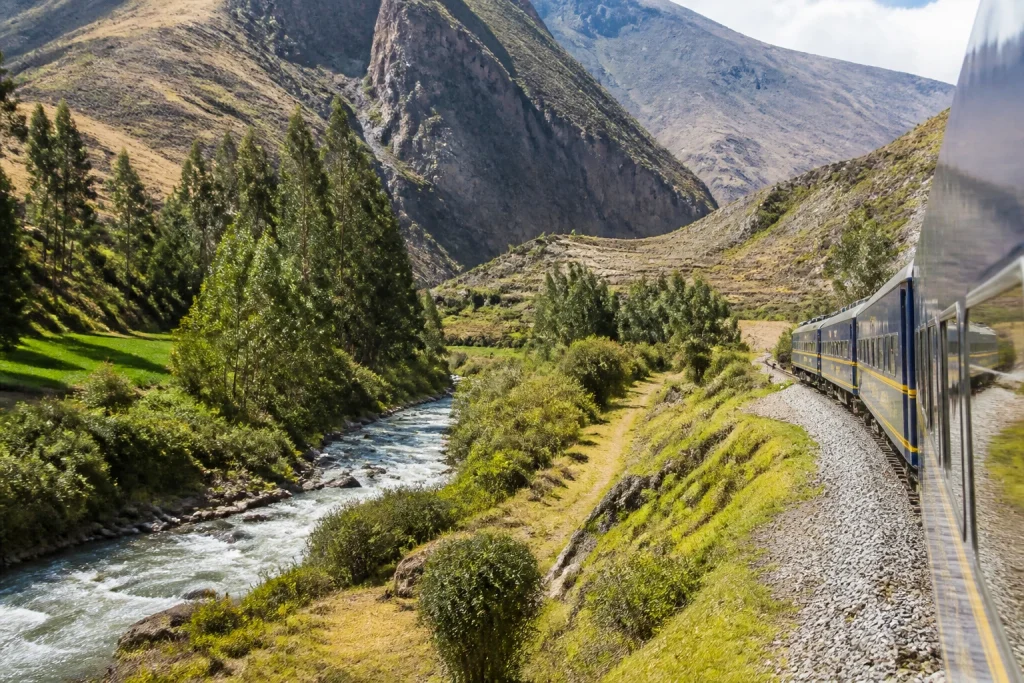
Higher-comfort rail options are a natural splurge if you prefer to invest in the journey rather than add another attraction. Compare the cabin experience, departure time, baggage conditions, and ticket terms before paying. Our comparison of PeruRail and Inca Rail trains to Machu Picchu provides a useful starting point for choosing the journey that best matches your itinerary.
Build a proper station buffer into the morning. PeruRail instructs passengers to board 30 minutes before departure at Ollantaytambo station. The station is listed on Avenida Ferrocarril, but travelers should check their ticket and current operator instructions for the correct departure details before leaving the hotel.
Rail schedules and transfer arrangements can be affected by operational disruptions. Recheck the live timetable and departure point shortly before travel, particularly if the train anchors the rest of your day. Keep the morning around departure simple rather than trying to add a tightly timed attraction before boarding.
6. Hire a private driver for a day built around your pace
A private vehicle is valuable when the goal is connection rather than maximum sightseeing. It lets you spend longer in Pisac, extend lunch in Urubamba, or reach Ollantaytambo without following a group’s fixed timetable. It also reduces the friction of coordinating several separate transfers during one day.
Discuss the route, pickup point, planned stops, and end location before departure. Couples continuing by train should make clear that the day ends in Ollantaytambo rather than Cusco. If either partner has limited mobility, ask for a vehicle that suits your needs and explain that the archaeological routes may involve steep or stepped sections.
A guide and a driver serve different purposes. A driver solves transportation and timing, while a guide adds interpretation at archaeological sites. Couples who enjoy independent exploration may only need transport. Those who want historical context without reading throughout the day can arrange both services, subject to the selected tour’s inclusions.
Still comparing Romantic Sacred Valley Experiences?
Ask for tour ideas, hotel suggestions, or a simple trip plan that combines both.
Trip Helper
7. Create small shared rituals instead of adding more stops
A romantic itinerary becomes personal through small choices. Select one market purchase together, take turns choosing photo stops, or keep a short written record of the day. These moments cost little and prevent the trip from becoming a race between famous names.
Another useful ritual is an hour without an agenda. Place it after lunch or before dinner rather than hoping spare time appears. If the day runs late, protect that hour by shortening a visit instead of sacrificing the entire evening. The valley’s most memorable moments often arrive once the schedule stops demanding attention.
Photography can also become a shared activity without taking over the day. Agree on a few places where you want portraits, then put the camera away. At archaeological sites, respect barriers and local instructions rather than climbing or entering restricted areas for a dramatic angle.
How to plan one romantic day
- Begin with Pisac’s archaeological park and allow time for the sections that suit your energy and mobility.
- Continue to the Pisac craft market without turning the visit into a timed shopping exercise.
- Travel to Urubamba for a long lunch and a deliberate break from sightseeing.
- Continue to Ollantaytambo for its streets, fortress, or lower town experience.
- End in Ollantaytambo and stay overnight instead of returning to Cusco.
This plan is full enough without an additional detour. The key is to establish a latest departure time from each stop while leaving some flexibility inside the schedule. If Pisac takes longer than expected, shorten the afternoon rather than compressing lunch and Ollantaytambo into uncomfortable time slots.

A two-day itinerary feels more romantic
On day one, combine Pisac with lunch in Urubamba and end in Ollantaytambo. Stay overnight and keep the evening free of scheduled activities. This preserves the core valley circuit while removing the tiring return to Cusco.
On day two, choose between more time in Ollantaytambo and an onward train to Machu Picchu. Travelers taking the train should organize the morning around the departure time, arrive with the required boarding buffer, and avoid a complicated pre-train excursion.
This structure suits couples with different sightseeing speeds. The more energetic partner can tackle an elevated viewpoint, while the other enjoys the town at a gentler pace. Agree on a meeting place and time rather than forcing both travelers onto a route that is uncomfortable or unenjoyable.
Budget for flexibility rather than a fixed price
Sacred Valley costs depend on the transport style, guide arrangement, accommodation, meals, rail service, date, and group size. Shared day tours are generally structured around efficiency, while a private driver or guide buys flexibility. An Ollantaytambo overnight adds a room but removes the need for an evening return to Cusco.
Decide where comfort matters most. One couple may spend more on a private day and select a simple room. Another may join a structured excursion but choose a higher-comfort train service. Build the budget around the experience you value instead of purchasing every upgrade automatically.
Review the exact inclusions before booking. Transport, guiding, meals, admission, pickup locations, baggage conditions, and cancellation terms can depend on the selected service. One careful review is more useful than discovering on the day that you and the operator planned different versions of the trip.

Machu Picchu Circuit 2 Entry Ticket and Private Official Guide
Can't find Circuit 2 tickets? We have you covered! We exclusively provide the highly-coveted Circuit 2 (Classic Rout...

Ticket Machu Picchu with Private Guide
Unlike standard tickets, this option includes a private licensed guide who will accompany you inside Machu Picchu. Y...

Machu Picchu Guided Tour from Aguas Calientes
The Incan site of Machu Picchu is a UNESCO World Heritage Site. It is one of the most famous places in the world. It...
Pack lightly for ruins, streets, and rail travel
Carry a compact day bag with water, sun protection, a light layer, necessary medication, and footwear suited to uneven or stepped routes. A smaller bag is easier to manage around archaeological areas and old streets, and it simplifies the transition to rail travel.
Check the baggage rules attached to your specific train and fare. Published allowances can differ by service, so do not rely on a single general figure when packing. PeruRail asks passengers who need special luggage assistance to contact the operator at least 48 hours in advance, with help subject to available space.
Plan for different mobility and energy levels
The upper fortress experience in Ollantaytambo should be separated from the easier town experience. Reaching the high viewpoints involves an ascent and steps, while spending time among the streets offers another way to appreciate the setting. Couples do not need to complete identical routes for the day to feel shared.
Arrange private transportation if reducing transfers and walking between pickup points would help. Confirm route conditions with guides, hotels, and transport providers when step-free access or mobility assistance is essential. Archaeological paths, train boarding, vehicles, and accommodation layouts should be considered separately rather than treated as one accessibility question.
Keep safety planning sensible and proportionate
Check your government’s current Peru travel advice before departure and use regulated transportation and established tour providers. Some official advisories identify restrictions in other parts of Peru, including VRAEM and parts of Loreto, rather than the Sacred Valley. Conditions can change, so insurance and current regional advice remain important.
Be cautious with unregulated spiritual-cleansing experiences or offers involving ayahuasca or San Pedro in the wider Cusco region. Such activities carry risks that do not fit a casual addition to a romantic itinerary. Do not accept an experience simply because it is marketed as traditional, private, or transformative.
Choose depth over distance
The Sacred Valley suits couples who enjoy history, shared meals, scenic transportation, and days shaped around conversation rather than nightlife. Pisac, Urubamba, and Ollantaytambo form a strong route, but trying to complete the entire circuit and return to Cusco can make the day feel rushed.
The most effective next step is to choose your overnight base and transport style. Reserve a private-paced day if flexibility is the priority, then stay in Ollantaytambo if you plan to continue by train. Leave one open hour in the schedule. That small pocket of time may become the part of the trip you remember best.
Frequently asked questions
What is the most romantic place to stay in the Sacred Valley?
Ollantaytambo is the most practical romantic base for couples combining a valley circuit with an onward Machu Picchu train. Staying overnight removes the pressure of returning to Cusco and leaves more time for the town’s streets and archaeological setting.
Can couples visit Pisac, Urubamba, and Ollantaytambo in one day?
Yes, but the circuit creates a busy day. A private driver provides more flexibility, and ending with an overnight in Ollantaytambo is more compatible with a relaxed pace than returning to Cusco that evening.
Is the train from Ollantaytambo to Machu Picchu worth including?
Yes, especially if you want the journey to be part of the experience. PeruRail describes the route as scenic, and several listed services take roughly 1 hour 22 minutes to 1 hour 30 minutes, although schedules and availability must be checked for your travel date.
How early should we reach Ollantaytambo station?
Plan to be ready to board 30 minutes before departure. Check the live operator instructions and your ticket shortly before travel because timetables and transfer arrangements can change.
Is Ollantaytambo suitable for travelers with limited mobility?
The town can be enjoyed separately from the highest fortress viewpoints, but the signature elevated route involves an uphill, step-heavy ascent. Arrange suitable transportation and confirm current route conditions when accessible travel is essential.
Should couples book a private or shared Sacred Valley tour?
Choose a private arrangement when flexible timing, long meals, tailored mobility, or an Ollantaytambo finish matters most. Shared tours suit travelers who prefer a structured and efficient day, but they generally leave less control over individual stops.
How much do romantic Sacred Valley experiences cost?
Costs vary with transport, guiding, accommodation, meals, rail service, date, and group size. Compare exact inclusions rather than relying on a single daily estimate, particularly when evaluating shared tours against a private driver and overnight stay.
What baggage can we take on the Machu Picchu train?
Baggage limits depend on the train service and fare, so check the conditions attached to your booking. PeruRail advises contacting the operator at least 48 hours ahead when special luggage assistance is needed, subject to available space.

Explore Machu Picchu Private Guided Tour from Aguas Calientes
Discover the secrets of Machu Picchu with a private tour guide on an unforgettable journey from Aguas Calientes. Start your day early to catch one of...

Machu Picchu Private Archaeological and Historical Guided Tour
Explore Machu Picchu, one of the Seven Wonders of the World, in the company of a private guide. Enjoy the undivided...

Machu Picchu Circuit 2 Guided Tour
Explore the wonders of Machu Picchu via the official Circuit 2 route, known for its stunning views and historical si...

The Best Private Sacred Valley Tour in Cusco ( with Pisac)
We know very well each place of this tour, since we have been grown in this area and we studied over 3 years to get...
Sacred Valley Tour: Pisac, Maras, Chinchero & Ollantaytambo
Explore the best of Peru’s Sacred Valley on a private full-day tour designed for a personalized and comfortable experience. With your own expert loc...

From Urubamba & Ollantaytambo: Sacred Valley Day tour with Lunch
Explore the best and most unique sites in the Sacred Valley on a private tour. Visit the impressive ruins of Ollanta...

Machu Picchu Private Tour from Aguas Calientes (Tickets included)
Discover Machu Picchu at your own pace with our exclusive Private Guided Tour from Aguas Calientes. Perfect for inde...

Machu Picchu 2Day Tour by Train from Cusco with Overnight Stay
Our tour guides at Machu Picchu are incredibly passionate about storytelling and are committed to creating unforgett...


.jpg)