Sacred Valley Fall Travel Guide
Plan a Sacred Valley trip for September through November with practical advice on Machu Picchu tickets, rail timing, flexible bases, packing, and live travel checks.
 Visit Sacred Valley
October 2, 2026
Visit Sacred Valley
October 2, 2026
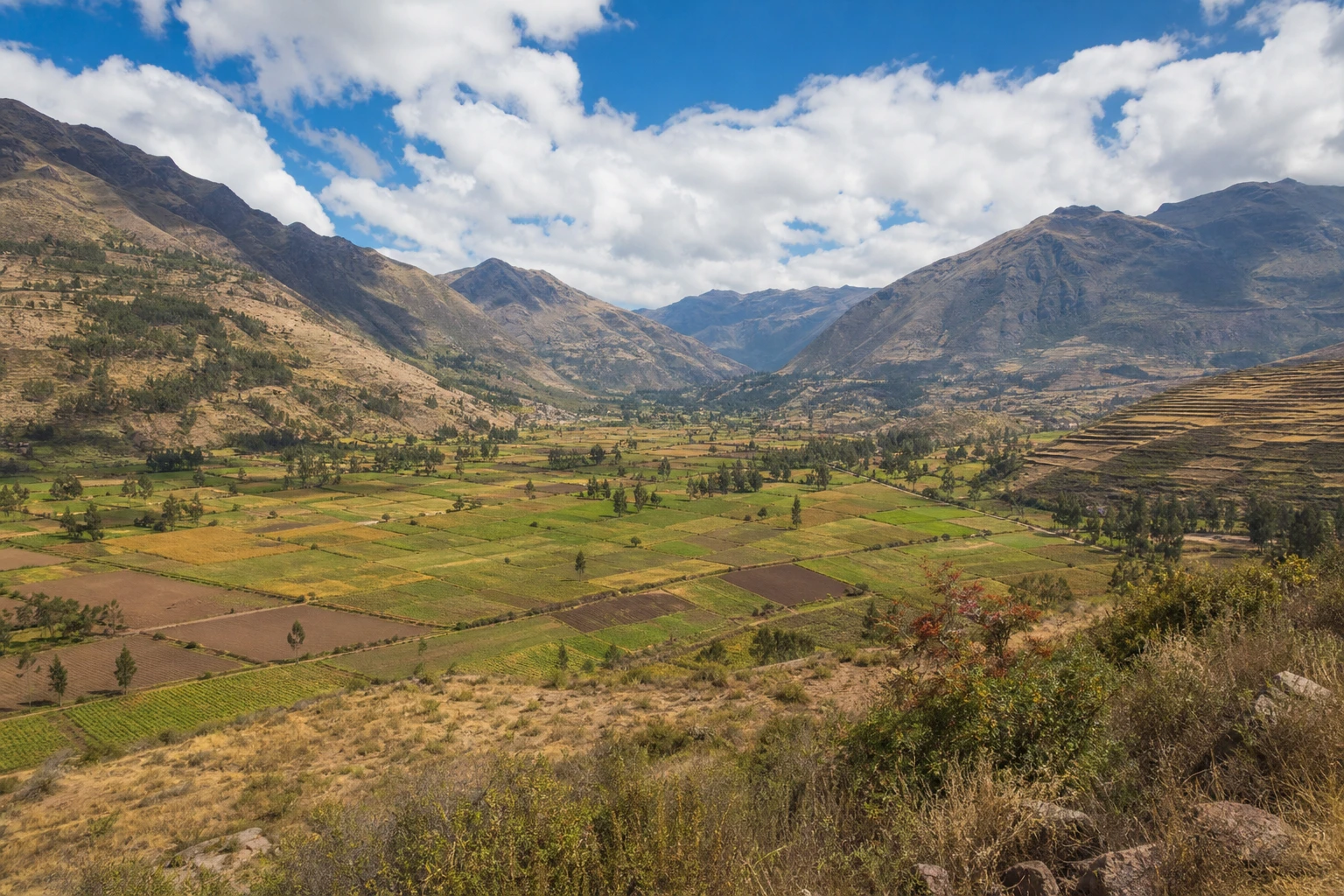
Fall in this guide means September through November, using the Northern Hemisphere travel-planning calendar. Treat those months as a focused booking window rather than a weather forecast. The essential decisions are practical: understand current Machu Picchu entry rules, choose a rail departure that suits your base, and leave space around the day that matters most. PeruRail’s published May to December timetable covers this period, but train schedules and access conditions deserve a final check before travel.
Start with a simple fall travel plan
- Use September through November as the planning definition of fall for this guide.
- Treat Machu Picchu entry rules and inventory as trip-defining details, not last-minute errands.
- Ollantaytambo offers access to the earliest currently listed rail departure toward Machu Picchu.
- PeruRail lists several daily departures, including later options for travelers who prefer a slower morning.
- Check live ticket rules, rail status, fares, and accessibility arrangements before committing to bookings.
A well-paced Sacred Valley itinerary works best when the fixed pieces come first. Put entry arrangements and rail travel on the calendar before deciding how many village, market, archaeological, or lodge days to add. This order keeps a beautiful plan from becoming a stressful one, especially when an onward Machu Picchu visit is part of the trip.

The Best Private Sacred Valley Tour in Cusco ( with Pisac)
We know very well each place of this tour, since we have been grown in this area and we studied over 3 years to get a guide license. as well, our vehi...

From Urubamba & Ollantaytambo: Sacred Valley Day tour with Lunch
Explore the best and most unique sites in the Sacred Valley on a private tour. Visit the impressive ruins of Ollanta...

Machu Picchu Private Tour from Aguas Calientes (Tickets included)
Discover Machu Picchu at your own pace with our exclusive Private Guided Tour from Aguas Calientes. Perfect for inde...

Machu Picchu 2Day Tour by Train from Cusco with Overnight Stay
Our tour guides at Machu Picchu are incredibly passionate about storytelling and are committed to creating unforgett...
Lock in the non-negotiables before choosing daily stops
Begin with the date you want to visit Machu Picchu, then work backward to your overnight base and rail departure. Keep the plan deliberately uncluttered until those elements are settled. A valley itinerary has more room for serendipity when its most time-sensitive segment is already accounted for.
Treat Machu Picchu entry planning as its own task
Do not build a fall itinerary around historic reports of same-day Machu Picchu ticket availability. Entry rules, ticket inventory, circuits, and sales channels can change. Check the current official process for your intended date before arranging rail and accommodation around it, then keep the booking details readily available for the trip.
Match the train to the morning you want
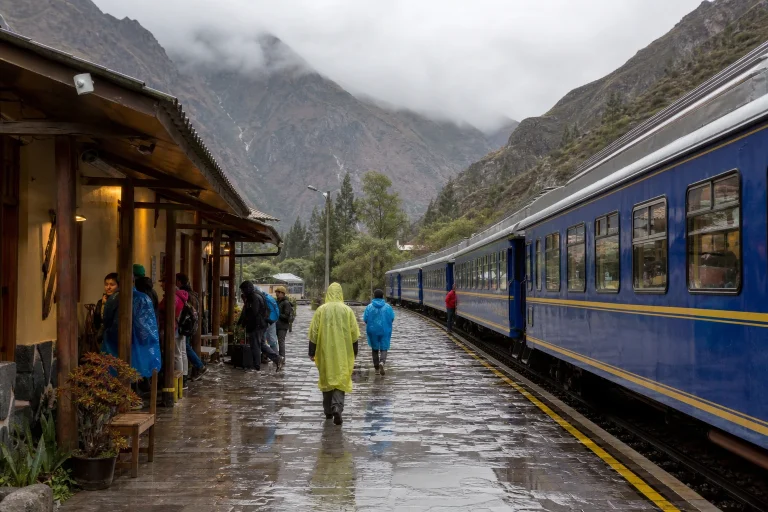
The published PeruRail timetable for May through December 2026 lists multiple daily Ollantaytambo to Machu Picchu services. The earliest listed departure is 05:05, with later departures running through 21:00, plus a limited Urubamba-origin option. That range gives travelers a real choice between an early start and a less hurried morning. Reconfirm the timetable when your travel date approaches.
Choose your overnight base around that tradeoff
An overnight in Ollantaytambo puts you in position for the earliest listed trains, while a later departure can suit a more relaxed start. Choose the rhythm that fits your trip rather than treating one option as universally better. For the accommodation decision, the guide to where to stay in the Sacred Valley, including lodges, hotels and villages, can help narrow the kind of base you want.
Build Sacred Valley days around a clear interest
Avoid treating the Sacred Valley as a checklist to conquer between train times. Pick a small number of interests and give each one enough room to feel purposeful. The site’s Best Things To Do In The Sacred Valley is a useful starting point for shaping days that match your pace, rather than simply filling every open hour.
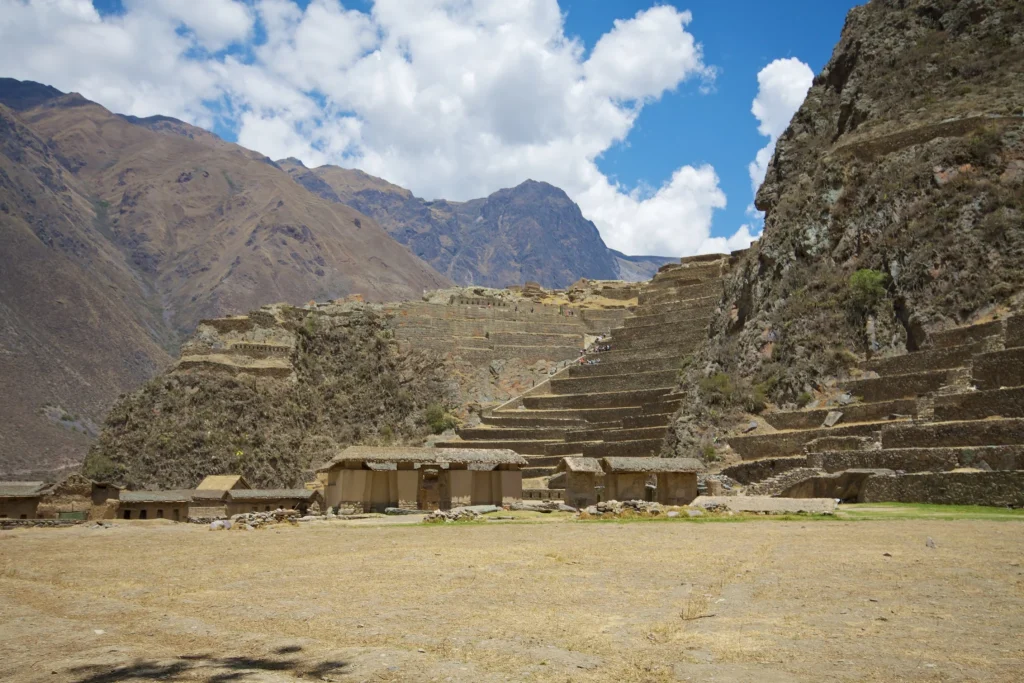
- For stonework and town atmosphere, focus on Ollantaytambo’s living Inca town.
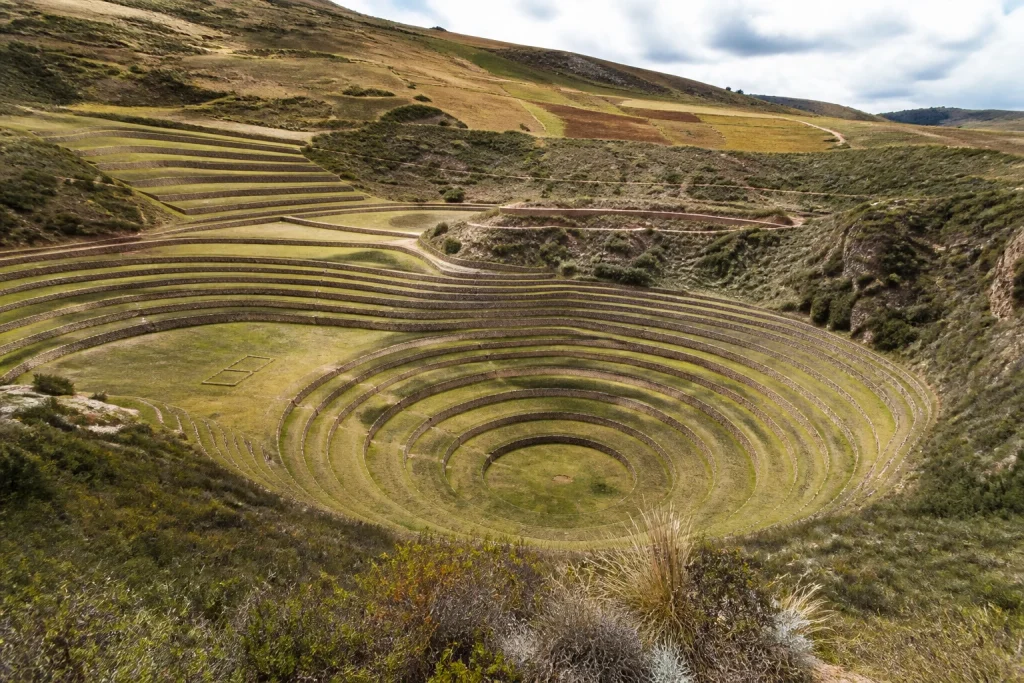
- For a single archaeological theme, plan around Moray and its Inca agricultural laboratory.
- For textile traditions and market culture, look to Chinchero, where Andean weaving still holds the day together.
- For a broader list of possible stops, use Best Things To Do In The Sacred Valley to compare ideas before settling on an itinerary.
A focused day is easier to adjust if transport, site access, or personal energy changes. Leave one unscheduled window in the itinerary for a long meal, a return to a place you liked, or a necessary reset before the rail segment. Flexibility is a planning tool, not wasted time.
Let the rail day set the pace for Machu Picchu
Put the rail departure, current entry arrangements, and the return plan in one place before departure day. PeruRail’s timetable shows a substantial span of listed services from Ollantaytambo, but the operator notes that schedules can change for operational reasons. Build in time for the unexpected and check service status close to travel rather than assuming a published departure is immovable.
For a route-specific planning comparison, PeruRail or Inca Rail? Sacred Valley Trains to Machu Picchu is the most useful companion read. It can help travelers think through the rail portion separately from their hotel and sightseeing choices, which makes the final itinerary much easier to read at a glance.

Machu Picchu Private Archaeological and Historical Guided Tour
Explore Machu Picchu, one of the Seven Wonders of the World, in the company of a private guide. Enjoy the undivided...

From the Sacred Valley: Salt Mines & Moray - Private tour
As a company based in the Sacred Valley, we are true specialists in the region, enabling us to provide a more person...

Machu Picchu Guided Tour with Local Expert – 2 or 3 Hour Service
Discover Machu Picchu with a professional local guide who will bring the Inca citadel to life through history, cultu...
Treat ticketing rules as a live planning detail
Machu Picchu ticket planning deserves fresh attention even after the rest of the trip looks settled. Do not assume that a previous season’s sales process, circuit choice, entry availability, or in-person option will apply to your dates. Use the current official ticket information, select the arrangement that fits your plan, and retain all confirmation details.
Keep the essentials together
Store your current entry details, rail confirmation, lodging contacts, and any transport arrangements in one easy-to-reach place. A phone copy is useful, but keep a backup that does not depend on a full battery or signal. Review the terms attached to each booking before you leave your hotel on the travel day.
Pack for a long day of movement, not a fixed forecast
For fall travel, pack around the practical shape of your days: early departures, rail travel, time on foot, and periods spent waiting or exploring outdoors. Avoid relying on a single seasonal weather assumption. Light, adaptable items make it easier to stay comfortable when the day unfolds differently than the itinerary on your phone.
- Comfortable layers that can be added or removed easily
- A waterproof outer layer
- Sun protection
- A refillable water bottle where current site rules allow it
- Required travel documents and booking confirmations
- Personal medication and a fully charged phone
Check current site and transport rules before packing food, large bags, or specialized equipment for a Machu Picchu day. Keep the day bag simple. The goal is to move through stations, entry points, and walking segments without carrying items that create an avoidable complication.
Set a budget using live prices
Build your budget after checking live prices for rail, entry arrangements, lodging, local transfers, food, and any guided activities you intend to add. Published timetable information does not provide current fares, and a fall trip can vary greatly depending on accommodation style and the rail service selected. A modest contingency fund is more useful than a made-up daily budget.
Compare the complete plan rather than one headline price. A lower room rate can lose its appeal if it creates an inconvenient departure morning, while a convenient base can be worth more when it protects a carefully timed rail day. Make the calculation only after you have current booking figures in front of you.
Arrange accessibility needs one provider at a time
Do not assume the same level of access across hotels, road transport, rail stations, train boarding, archaeological sites, or restrooms. Travelers with mobility, sensory, medical, or other access needs should obtain written confirmation of the specific arrangements from each hotel, transport operator, and site before booking. That targeted approach creates a more dependable plan than a general accessibility promise.
Use a simple three-day Sacred Valley framework
- Day 1: Arrive, settle into your chosen base, organize current tickets and rail confirmations, and keep the schedule light.
- Day 2: Choose one main Sacred Valley focus. A purposeful outing centered on Ollantaytambo, Moray, Chinchero, or another selected interest is easier to enjoy than squeezing every stop into one day.
- Day 3: Make this the Machu Picchu rail day, structured around your current entry arrangement and the train times confirmed close to departure.
If you have a fourth day, use it as an unhurried valley day or as a buffer around the segment that matters most to you. More time does not need to mean more stops. It can simply mean fewer rushed decisions and a better chance to respond calmly if a timing change affects the plan.
Still comparing Sightseeing?
Ask for tour ideas, hotel suggestions, or a simple trip plan that combines both.
Trip Helper
Recheck the moving pieces before departure
In the days before travel, do one focused review: check current rail status and timetable, confirm the Machu Picchu ticket details and sales rules that apply to your date, and review each provider’s arrangements. Peru’s Ministry of Foreign Trade and Tourism also provides a Cusco to Machu Picchu traveler-route information guide that is useful alongside current operator updates.
Plan a fall trip with room to breathe
A Sacred Valley fall trip suits travelers who enjoy thoughtful sequencing more than frantic sightseeing. Its main planning challenge is the moving logistics around Machu Picchu, especially entry rules and rail schedules. Solve those early, choose an overnight base that supports your preferred departure, and give the rest of the valley enough open space to become a real part of the journey.
Frequently asked questions
What months does this Sacred Valley fall travel guide cover?
This guide uses fall in the Northern Hemisphere sense, covering September through November. Those months fall within PeruRail’s currently published May to December timetable period for 2026.
Is Ollantaytambo a good base for an early Machu Picchu train?
Yes, Ollantaytambo is the practical base for travelers who want access to the earliest currently listed train departure toward Machu Picchu. The published timetable lists a 05:05 departure, though train times should be reconfirmed before travel.
Can I rely on same-day Machu Picchu ticket availability?
No, do not rely on same-day Machu Picchu ticket availability for a fall itinerary. Current ticket rules, inventory, circuits, and sales channels should be checked through the official process for your travel date.
Are Sacred Valley train schedules fixed?
No, train schedules can change for operational reasons. Check the operator’s timetable and service status close to departure, especially for the Ollantaytambo to Machu Picchu segment.
How much should I budget for a Sacred Valley fall trip?
Use live booking and official ticket prices to set your budget. Rail fares, entry arrangements, lodging, transfers, and activities vary, so a current trip total is more useful than a generic daily estimate.
Is the Sacred Valley suitable for travelers with accessibility needs?
Accessibility arrangements need to be confirmed individually with each hotel, transport provider, station, train service, and site. Ask for written details before booking because a general accessibility promise is not enough for a multi-stop itinerary.

Machu Picchu Private Guided Tour (No Ticket)
The guide will be exclusively for you or your group, the tour is along the circuit indicated on your ticket. The guide is patient with those who like...

From the Sacred Valley Chinchero, Maras, Moray and Ollantaytambo
What makes our tour special is that we are based right here in Urubamba, the heart of the Sacred Valley. Being local...

Machu Picchu Ticket, Bus & Private Guide
Maximize your time at Machu Picchu with this private guided tour starting directly from Aguas Calientes. Skip the ha...

Full Day Sacred Valley of the Incas Private Tour
REQUEST A FREE TRANSFER IN OR OUT WITH THE BOOK OF THIS TOUR Embark on an unforgettable adventure with our tour. Di...
.jpg)
