Sacred Valley Family Itinerary
Plan a slower, family-friendly Sacred Valley itinerary with time for Pisac, Ollantaytambo, a flexible valley base, and a well-organized rail connection toward Machu Picchu.
 Visit Sacred Valley
September 25, 2026
Visit Sacred Valley
September 25, 2026
The Sacred Valley works best for families when it is treated as a destination rather than a rushed corridor to Machu Picchu. Settle into one base, give the children room between major stops, and let Pisac and Ollantaytambo carry the archaeological part of the trip. The valley is also a practical staging area for the rail journey toward Machu Picchu, so a well-paced stay can make the next leg feel far less complicated.
- Allow at least three nights for a plan with time to settle in, visit Pisac, and explore Ollantaytambo without turning every day into a transfer day.
- Treat Pisac, Urubamba, and Ollantaytambo as an ambitious full sightseeing day, not a relaxed family outing.
- Keep one unplanned block each day for meals, rest, or a change of pace.
- Book Machu Picchu entry, rail travel, and onward transport using live availability rather than a copied train timetable.
- Pack an overnight bag for the rail segment, not every piece of luggage you brought to Peru.
Build the trip around one valley base
For most families, the simplest structure is three nights in the Sacred Valley before continuing toward Machu Picchu. That gives you an arrival day, one day centered on Pisac, and one day centered on Ollantaytambo. A fourth night is valuable if your family prefers a later start, longer breaks, or a separate day for the train connection.

From Urubamba & Ollantaytambo: Sacred Valley Day tour with Lunch
Explore the best and most unique sites in the Sacred Valley on a private tour. Visit the impressive ruins of Ollantaytambo, an ancient Inca fortress...

Machu Picchu Private Tour from Aguas Calientes (Tickets included)
Discover Machu Picchu at your own pace with our exclusive Private Guided Tour from Aguas Calientes. Perfect for inde...

Machu Picchu Shuttle Bus Round-Trip Tickets from Aguas CalienteS
Travel worry-free aboard the official CONSETTUR shuttle bus, the only authorized transportation between Aguas Calien...

Machu Picchu Round Trip Bus from Aguas Calientes
"While the eco-friendly buses are standard for all visitors, the Sayariq difference is peace of mind and time. By bo...
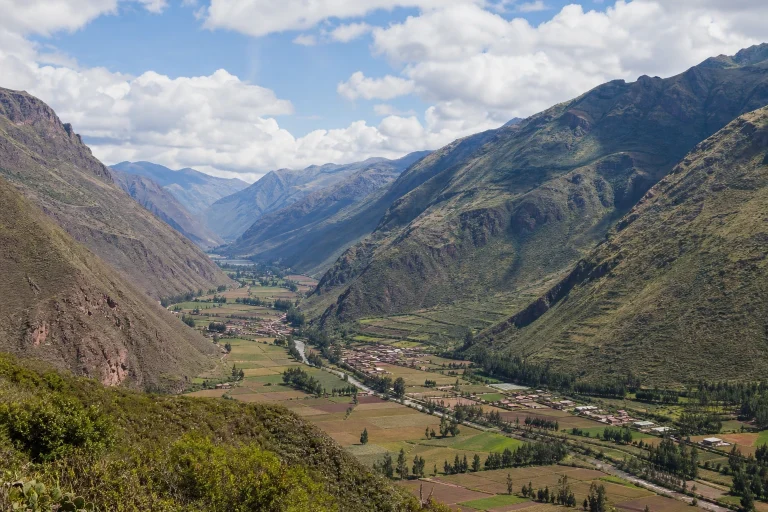
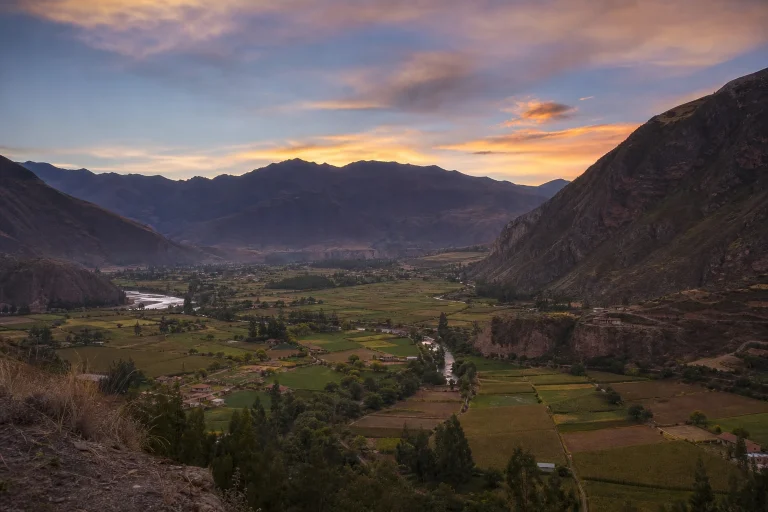
Choose your overnight base before planning individual sights. The goal is not to cover every village. It is to reduce repacking, repeated check-ins, and backtracking while keeping each day easy to reshape. Our guide to where to stay in the Sacred Valley, including lodges, hotels and villages, can help you compare a central valley base with an Ollantaytambo overnight before the rail leg.
A practical three-night family framework
| Day | Main plan | Family-friendly pacing choice |
|---|---|---|
| Arrival day | Reach your chosen Sacred Valley base and keep the schedule close to where you are staying. | Plan only one simple outing, then organize bags and the next day's transport. |
| Day 1 | Make Pisac the day's main archaeological stop. | Give the hilltop archaeological park its own time window rather than pairing it with several major stops. |
| Day 2 | Focus on Ollantaytambo, with Urubamba as an optional stop rather than a requirement. | Leave time for the ascent at Ollantaytambo and avoid building the day around a rigid checklist. |
| Day 3 | Continue toward Machu Picchu by rail, or keep this as a final flexible Sacred Valley day. | Use live rail and entry availability to decide the exact sequence and departure plan. |
This framework deliberately avoids cramming Pisac, Urubamba, and Ollantaytambo into a supposedly easy day. A published Peru route includes all three, plus Pisac's hilltop archaeological park and an ascent at Ollantaytambo, as a full Sacred Valley sightseeing day. Energetic families can do that, but splitting the anchors across two days makes the itinerary more forgiving when little legs tire or a stop proves more interesting than expected.
Day-by-day Sacred Valley itinerary for families
Arrival day: make the first afternoon deliberately light
Use arrival day to establish the rhythm of the trip. Check in, identify the following morning's pickup or meeting arrangement, and decide who carries documents, snacks, water, and layers for the family. A modest first day protects the rest of the itinerary. It also creates room for a delayed transfer or an early bedtime without sacrificing a landmark you were determined to see.
Day 1: give Pisac room to be the main event
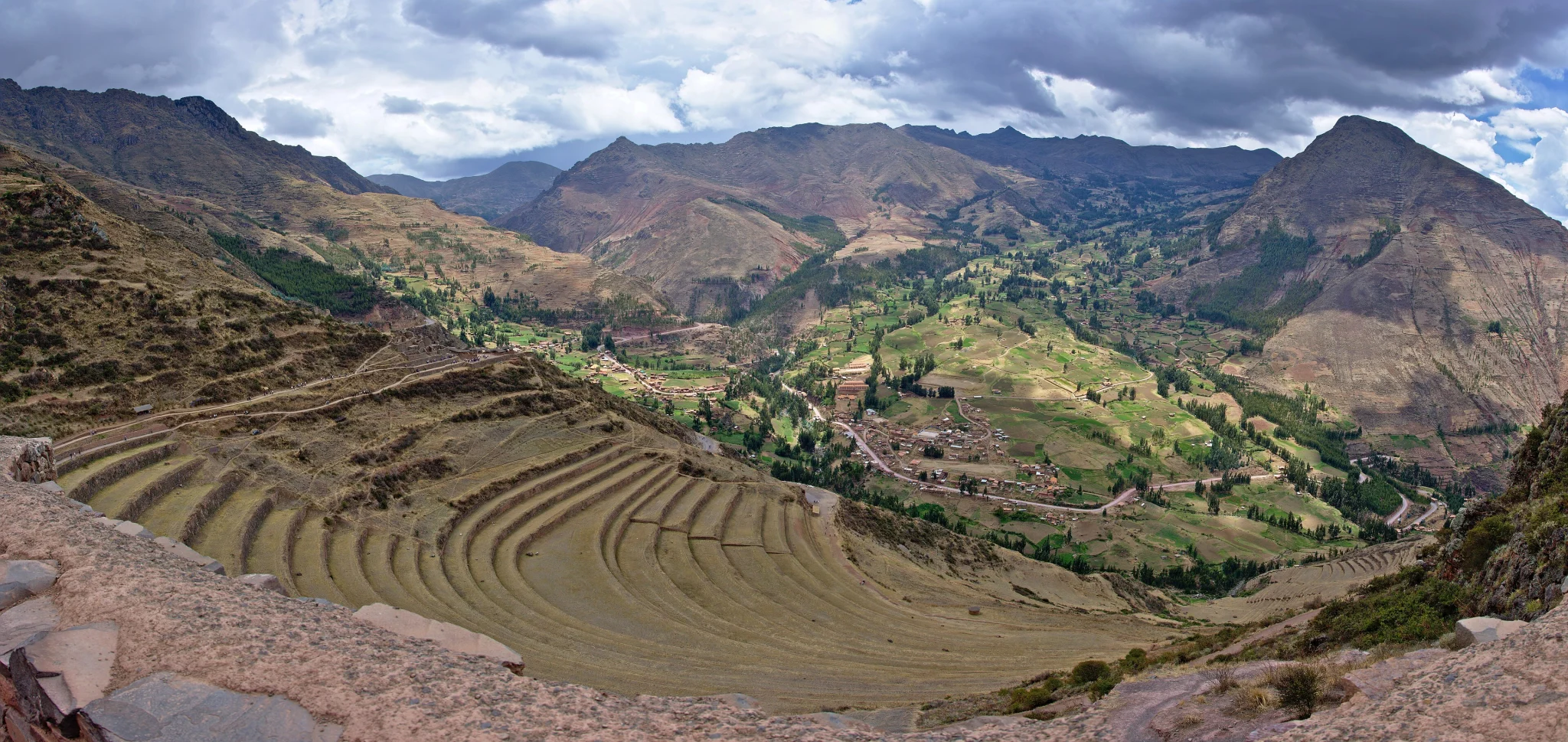
Plan the first full day around Pisac's hilltop archaeological park. This is the moment to choose a manageable visit rather than adding a long list of other archaeological stops. Agree on a simple family rhythm before setting out: one focal visit, a proper break, and a clear point when you will call the day complete. That approach leaves space for curiosity without making the adults spend the afternoon negotiating a timetable.
If your group wants to pair history with town time, look for our story on a slow morning at the Pisac ruins and an afternoon in the market. Keep that combination flexible. The archaeological visit should remain the anchor, while the second half of the day can be shortened, extended, or skipped according to the energy of the youngest traveler.
Day 2: choose Ollantaytambo over a long checklist
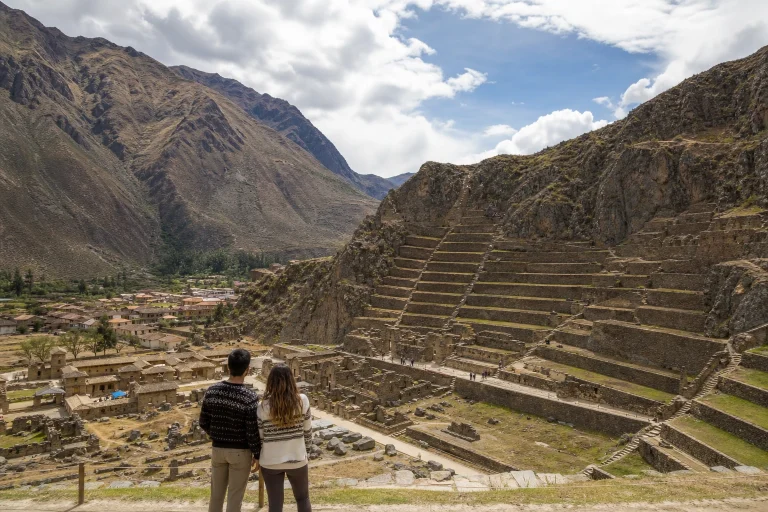
Ollantaytambo deserves its own day in a family itinerary, especially if it will also be your rail departure point. A sample Sacred Valley route includes an ascent here after visiting Pisac and Urubamba, which shows how quickly a combined schedule becomes demanding. Families traveling at a gentler pace should make Ollantaytambo the priority and treat anything else as optional.
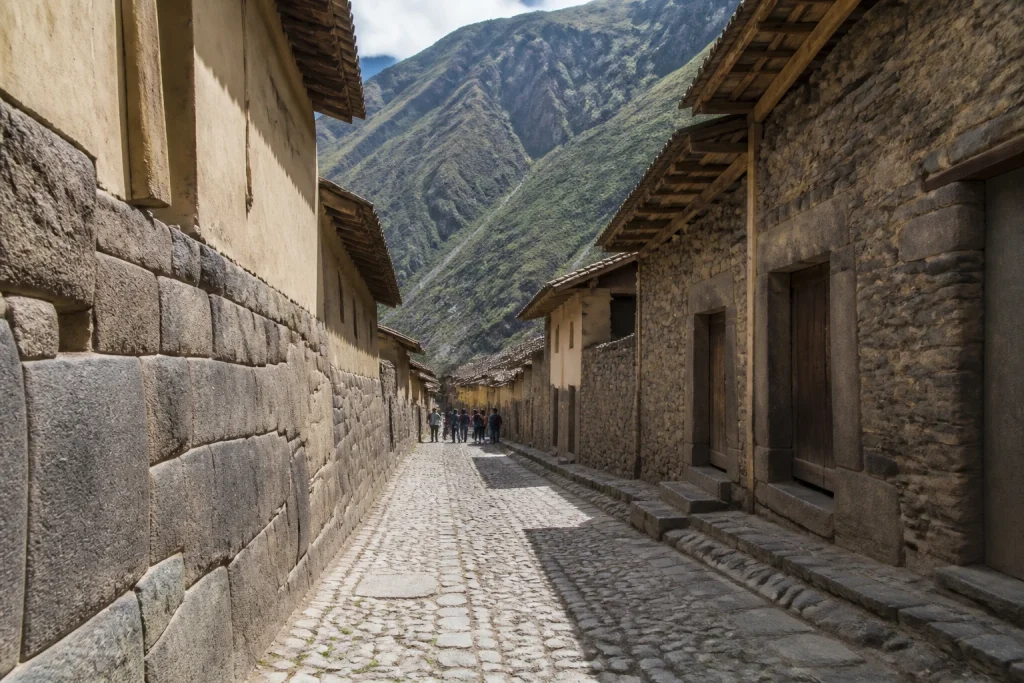
An Ollantaytambo overnight can simplify the following morning, but it is useful even if you are not taking a train immediately. Build in time to explore at your own speed, eat before the next transfer, and prepare the small bag needed for the rail segment. For more context before deciding how much time to reserve, see our guide to Ollantaytambo, living inside an Inca town with distinctive stone streets.
Day 3: travel onward or add a recovery day
Use the third day for the rail journey toward Machu Picchu if that is the next stop on your trip. If your family has an extra night, make this a buffer day instead. It is a useful place to absorb a changed plan, revisit one favorite town, or simply avoid starting a major travel day already tired. The Sacred Valley is connected to Machu Picchu planning, but it does not need to be reduced to a transit stop.
Still comparing Sightseeing?
Ask for tour ideas, hotel suggestions, or a simple trip plan that combines both.
Trip Helper
Coordinate the Machu Picchu rail segment before you leave the valley
Treat the Machu Picchu segment as one connected booking puzzle: entry time, rail service, and onward transport should fit together. Train timetables can change for operational reasons, so use current operator availability rather than a static schedule found in an old guide. Decide your preferred Machu Picchu date first, then match the live rail options and the rest of your family's transport around it.

For a closer comparison of the rail choices, our PeruRail or Inca Rail guide to Sacred Valley trains to Machu Picchu is a useful next read. Whichever operator you choose, make a single family travel sheet with the current departure details, entry information, accommodation contact, and a backup plan if the day's arrangements change.
PeruRail's tourist-service policy allows one hand bag or backpack up to 8 kg, or 17.64 lb, with approximate maximum dimensions of 55 by 35 by 25 cm. Pack that bag as if it were the only luggage you will see until after your Machu Picchu visit: essentials for the family, medication, documents, a change of clothes, and anything children need to settle comfortably.
PeruRail lists luggage-storage hours at Ollantaytambo as 04:15 to 21:00, but storage arrangements are worth confirming directly before you depend on them. Station access at Ollantaytambo can also change, so check the operator's current travel notice on the day before departure and leave extra time for the approach to the station.
Budget and book in the order that protects the itinerary
Avoid setting a fixed family budget from an old blog post. Machu Picchu admission, rail tickets, buses, drivers, and Cusco tourist-ticket costs are live-booking expenses that can change. Price your exact dates, passenger ages, and route after choosing the number of nights you want in the Sacred Valley. This is more useful than chasing a headline total that does not match your actual plan.
- Choose the number of Sacred Valley nights and your preferred valley base.
- Select the Machu Picchu date that gives your family enough breathing room.
- Check live entry and rail availability together.
- Arrange the transfers that connect your accommodation, Ollantaytambo, and the rail departure.
- Reserve any additional sightseeing transport only after the core travel days are secure.
Keep screenshots or offline copies of the details that matter on travel days. This is especially helpful when adults split duties between bags, tickets, children, and transport. Use the final confirmation from each provider as the working plan for pickup points, timing, and included services, rather than relying on an early itinerary draft.
Make the route workable for each family member
Do not assume that a route advertised as accessible will be step-free at every Sacred Valley stop. Transport can be arranged with private vehicles, trains, and the Machu Picchu bus, but route conditions, toilets, assistance, and access at individual sites need to be checked separately. Confirm the specific needs of your group with your hotel, transport provider, and each attraction before booking.
For a smoother day, give one adult responsibility for the next transition and keep the other free to focus on the children. Pack a compact day bag, but do not count on carrying every comfort item through a long sightseeing day. The best family pacing tool is permission to stop early. A single well-enjoyed site is more memorable than three places seen at speed.
- A small rail-compliant overnight bag for the Machu Picchu segment
- Travel documents and current booking details stored in more than one place
- Any essential medication and comfort items for children
- Water and simple snacks for the gaps between planned stops
- A flexible final day or time block before an important rail connection
Keep the family plan flexible and security-conscious
The U.S. State Department's May 16, 2025 Peru advisory classifies the country at Level 2, advising increased caution because of crime, civil unrest, and kidnapping risk. It notes that Cusco city and popular nearby visitor sites, including the Sacred Valley and Machu Picchu, are outside the referenced restricted Cusco-area zone. Use ordinary family travel precautions: secure valuables, avoid demonstrations and large crowds, and check current advice before departure.
The practical response is not to overplan every minute. Keep transport details accessible, allow a generous connection margin for the Ollantaytambo rail day, and avoid building an itinerary that collapses if one stop runs long. A slower schedule gives you options when family travel behaves like family travel.
The right Sacred Valley pace for your family
A three-night Sacred Valley family itinerary suits travelers who want Pisac and Ollantaytambo to feel like real visits, not roadside pauses before Machu Picchu. Its main limitation is that it asks you to leave a few tempting stops for another trip. In return, you get a calmer base, more adaptable days, and a much cleaner rail transition. Lock in the live Machu Picchu and train details first, then let the family pace shape everything around them.
Frequently asked questions
How many days should a family spend in the Sacred Valley?
Three nights is a strong starting point for families who want an arrival day, a Pisac day, and an Ollantaytambo day before traveling onward. Add a fourth night if you prefer a separate buffer day for the Machu Picchu rail connection.
Can families visit Pisac, Urubamba, and Ollantaytambo in one day?
Yes, but it is an ambitious sightseeing day rather than a relaxed family plan. A sample route combines Pisac's hilltop archaeological park, Urubamba, and an ascent at Ollantaytambo, so splitting Pisac and Ollantaytambo across two days is usually easier with children.
How much luggage can we take on the train toward Machu Picchu?
PeruRail says its tourist services allow one hand bag or backpack up to 8 kg, or 17.64 lb, with approximate maximum dimensions of 55 by 35 by 25 cm. Pack an overnight bag and make separate arrangements for larger luggage.
Should we book the train before Machu Picchu entry?
Coordinate both at the same time using live availability, along with your onward transport. Exact train schedules can change, so the safest sequence is to choose the date and match the current entry and rail options before confirming the rest of the day's plan.
How much does a Sacred Valley family itinerary cost?
Costs depend on your travel dates, group size, transport choices, and selected tickets. Check live prices for Machu Picchu entry, rail travel, buses, drivers, and any Cusco tourist ticket once your itinerary dates are set.
Is the Sacred Valley accessible for travelers with mobility needs?
Accessibility needs to be confirmed route by route rather than assumed across the destination. Check transport, station arrangements, terrain, toilets, assistance, and access at each planned attraction with the relevant hotel, provider, and site.
Pisac can serve as the single main archaeological stop on a slower family day by Tomas Sobek, CC BY 2.0.

Official Machu Picchu Entrance Ticket
Secure your visit to Machu Picchu with this official entrance ticket to one of the New Seven Wonders of the World. Explore the breathtaking Inca citad...

Sacred Valley Tour: Pisac, Maras, Chinchero & Ollantaytambo
Explore the best of Peru’s Sacred Valley on a private full-day tour designed for a personalized and comfortable ex...

Machu Picchu Guided Tour with Local Expert – 2 or 3 Hour Service
Discover Machu Picchu with a professional local guide who will bring the Inca citadel to life through history, cultu...

Machu Picchu: Official Entrance Tickets
With this ticket you can visit the Inca city of Machu Picchu. The ticket allows you to visit most of the archaeologi...