4 Days in the Sacred Valley Itinerary
Plan four rewarding days in Peru’s Sacred Valley with dedicated time for Pisaq and Ollantaytambo, practical buffers for current transport friction, and a clear choice between a Machu Picchu extension or a flexible final…
 Visit Sacred Valley
October 23, 2026
Four days in the Sacred Valley work best as a spacious sequence, not a race through every famous stop. Keep your arrival day light, give Pisaq and Ollantaytambo separate days, and reserve the final day for a booked Machu Picchu extension or a flexible Valley day. That structure protects the experiences that need firm timing and avoids a rushed Pisaq-to-Ollantaytambo-to-train connection.
The four-day Sacred Valley route at a glance
- Keep Day 1 deliberately flexible for arrival, orientation, and fixed bookings.
- Make Day 2 a dedicated Pisaq day and aim to enter well before the temporary 17:00 last-entry measure.
- Give Ollantaytambo its own Day 3, with an overnight there if you are continuing by rail.
- Treat Machu Picchu as an optional, separately booked Day 4 extension rather than an automatic part of a Sacred Valley itinerary.
- Build a generous buffer around Ollantaytambo trains, timed entries, and onward transfers because vehicle congestion remains a planning concern.
| Day | Main focus | Planning priority |
|---|---|---|
| Day 1 | Arrival and local orientation | Keep the schedule open and organize any timed plans. |
| Day 2 | Pisaq | Visit earlier in the day rather than treating it as a late-afternoon stop. |
| Day 3 | Ollantaytambo | Allow a full day and consider sleeping locally before a rail departure. |
| Day 4 | Machu Picchu extension or Valley flex day | Choose the rail-and-entry option only when tickets are already secured. |
Day 1: Arrive, orient yourself, and protect the rest of the plan
Do not turn Day 1 into a marquee-site day. Its value is in creating breathing room: settle into your base, confirm the timing of any fixed rail or entry bookings, and decide how early you need to begin the following morning. A flexible start makes the rest of this itinerary far more resilient if travel takes longer than expected.

Machu Picchu 1 Day Tour Luxury Service
The Inca City of Machu Picchu, is the leading destination for many travelers, is the main tourist attraction in Peru and South America, one of the sev...

Machupicchu 02 Days and 01 Night
Unlike the one-day tour, this one takes place more calmly and with time. We start from the Poroy station and along t...

Private Machu Picchu Full Day: All-Inclusive from Sacred Valley
Start your journey from the serenity of the Sacred Valley. Dispensing with the exhausting transfer from Cusco, you a...

Inca Jungle 4 Days and 3 Nights premium
This unique 4-day adventure stands out for its perfect blend of adrenaline, natural beauty, and cultural richness. Y...
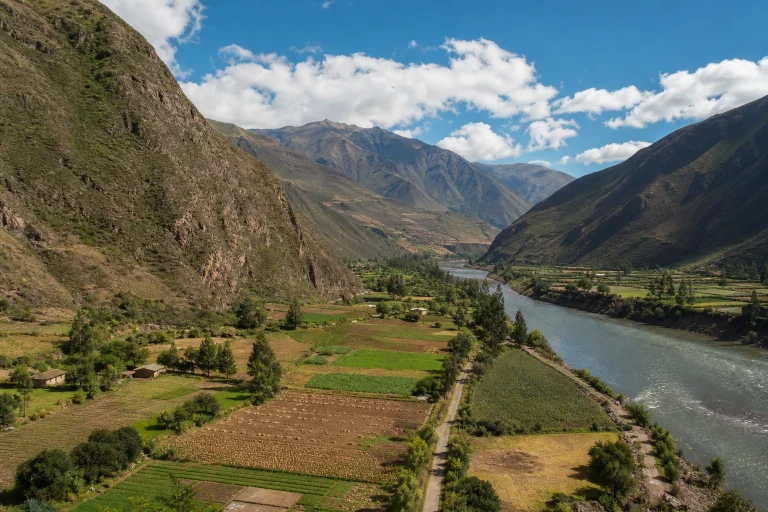
Choose your overnight base with the next day in mind rather than trying to squeeze the whole Valley into one lodging decision. A guide to Sacred Valley lodges, hotels and villages can help narrow the choice by the kind of stay you want, then this itinerary can shape the order of your days around that base.
If Day 4 will be Machu Picchu, use this first evening to check the details already in your confirmations. The train time and Machu Picchu entry period should drive the final day’s rhythm, not the other way around.
Day 2: Give Pisaq the time it deserves
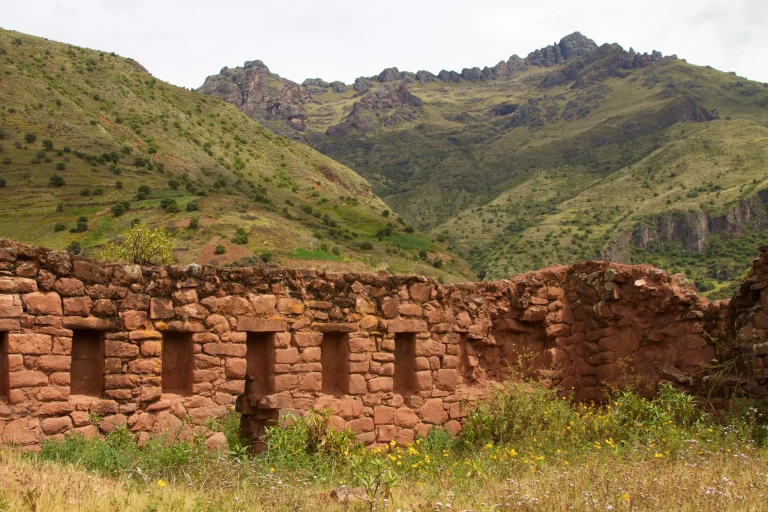
Make Pisaq the single priority for Day 2. The current temporary maximum entry time at the Pisaq archaeological park is 17:00, but this is a last-entry measure rather than a reason to arrive late. Begin substantially earlier, leaving room for the journey, the visit itself, and an unhurried afternoon afterward.
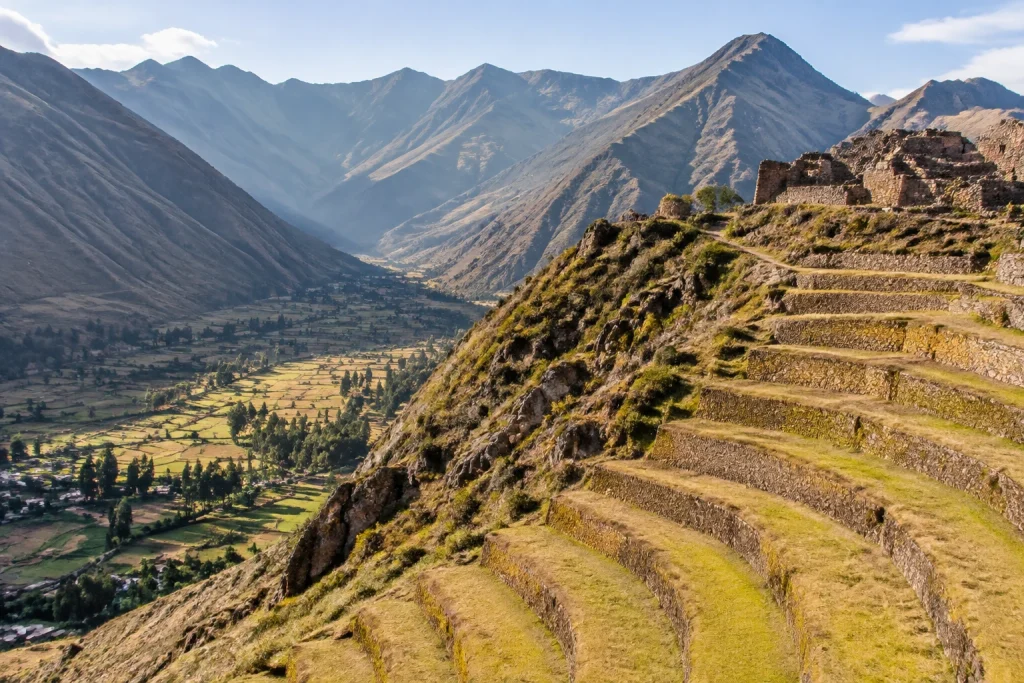
A slower pairing of the Pisac ruins and market gives this day a natural shape without forcing a long cross-Valley transfer. Keep the afternoon open enough to linger, take a meal break, or simply return to your base without watching the clock. The reward is a day with one clear focus instead of a checklist with no margin.
Avoid using Pisaq as the first half of a tightly timed Ollantaytambo-and-train day. Current visitor-management work is responding to vehicle congestion and mobility issues around Ollantaytambo, so separating the two archaeological parks is the more dependable plan.
Day 3: Explore Ollantaytambo, then stay nearby
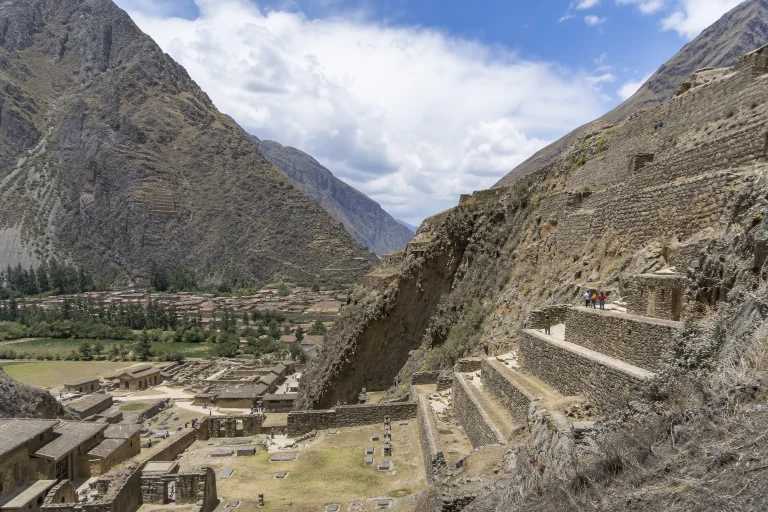
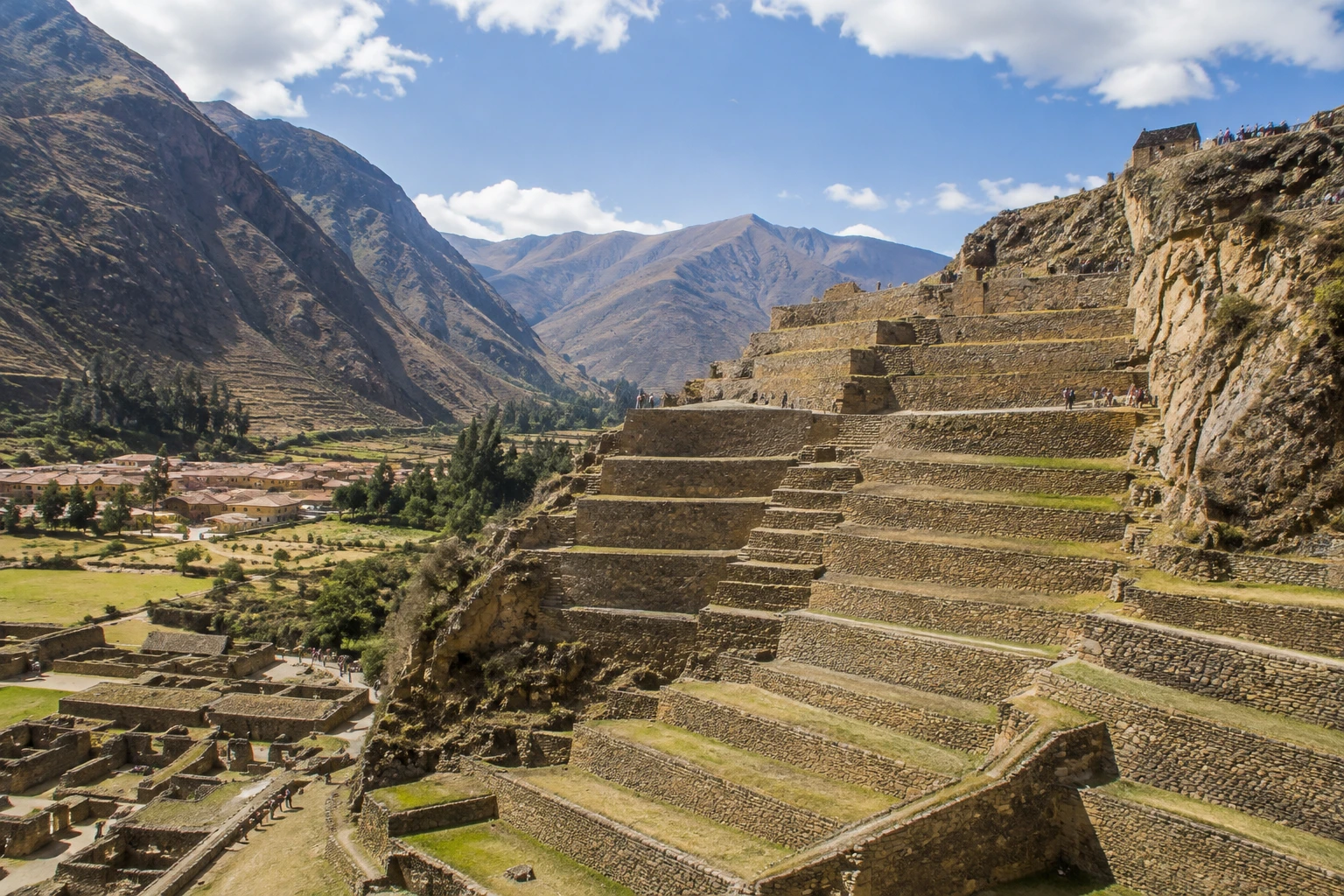
Give Ollantaytambo a full day, particularly if a train journey follows on Day 4. The archaeological park shares the temporary 17:00 maximum-entry measure with Pisaq, so schedule your visit earlier rather than relying on a final-hour arrival. Save the later part of the day for a calm reset and the practical details of tomorrow’s departure.
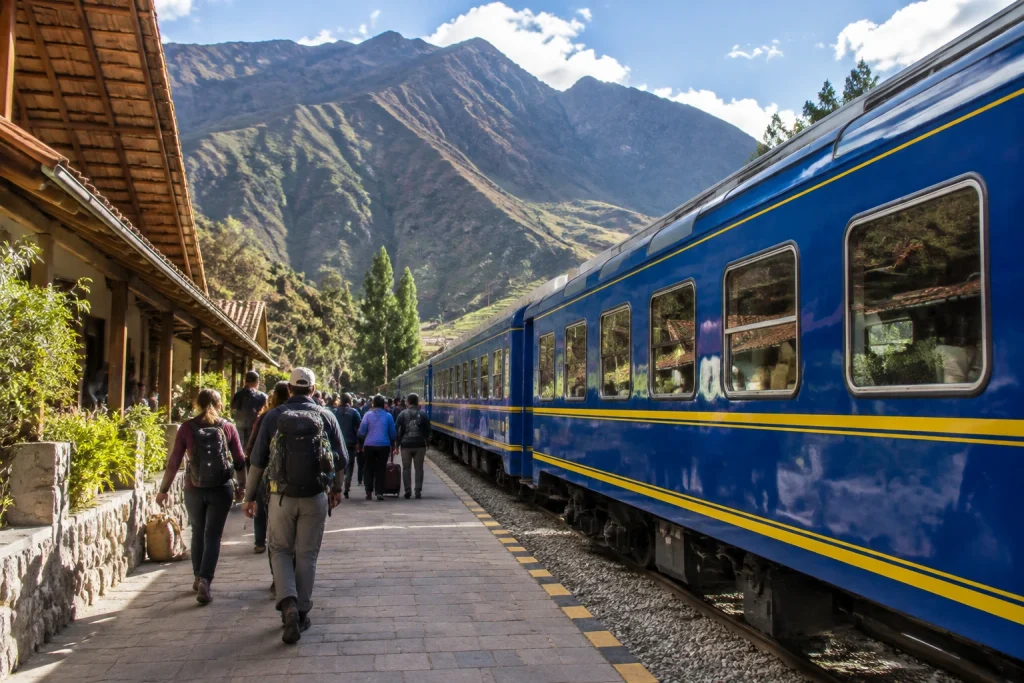
An overnight in Ollantaytambo is the itinerary’s most useful logistical choice for rail travelers. GERCETUR has identified vehicle congestion in the district, so a locally based final night reduces the number of moving parts before a timed service, ticketed entry, or onward transfer.
Leave the evening unscheduled enough to absorb delays and prepare for the next day. For cultural context beyond the archaeological visit, the perspective on Ollantaytambo as a living Inca town is a useful companion to a slower overnight stay.
Day 4: Choose Machu Picchu or a true Sacred Valley flex day
Day 4 is a decision point, not an obligation to add another major site. Travelers with confirmed rail and Machu Picchu admission can use it for the extension. Everyone else should keep it in the Sacred Valley, using the extra time to revisit a favorite place or enjoy a day without another timed entry.
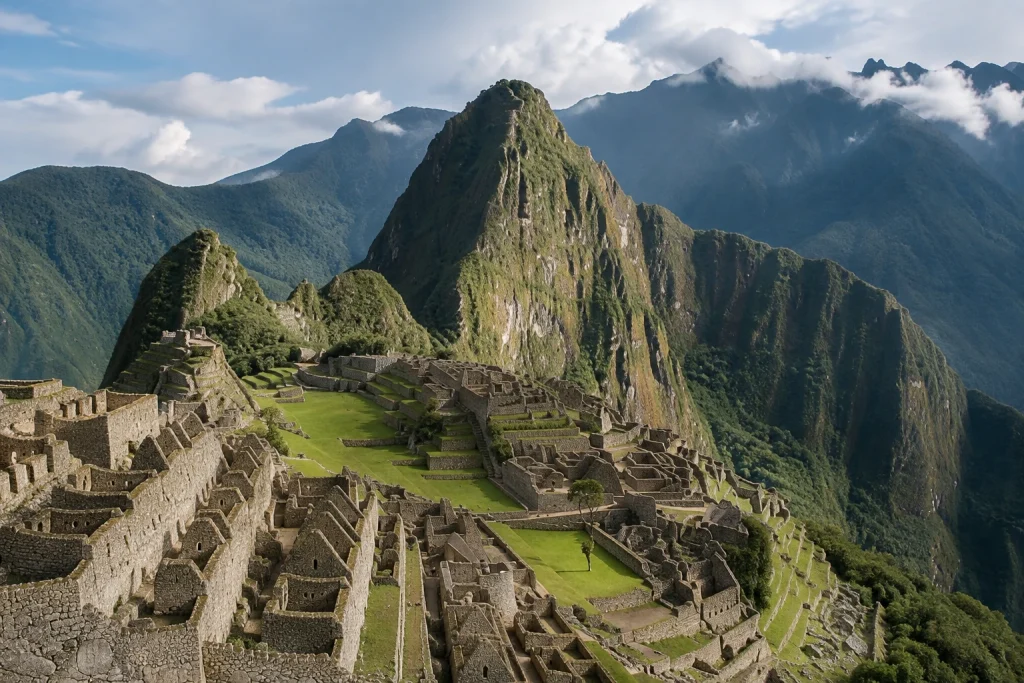
Track A: Machu Picchu as a booked onward extension
Choose this track only after arranging both rail and Machu Picchu admission. PeruRail’s May-to-December 2026 timetable lists multiple Ollantaytambo-to-Machu Picchu services, running as early as 05:05 and as late as 21:00. An Ollantaytambo overnight lets you select a departure suited to your entry period rather than racing in from elsewhere.
Machu Picchu has two visitor periods: 06:00 to 12:00 and 12:00 to 17:30. A standard visit lasts up to four hours from entry, and second-period ticket holders who arrive early can enter from 11:00. An afternoon visit is intended to be calmer and has a reduced tariff from 13:00, making it a useful alternative for travelers who do not need a morning-first schedule.
Reconfirm the exact train before arranging dependent transfers, since operating schedules can change. For help weighing rail options, a comparison of Sacred Valley trains to Machu Picchu is useful alongside the current timetable. Do not treat in-person ticket sales at Machupicchu Pueblo as a same-day fallback: available tickets are for entry on the following day.
Track B: Keep the final day in the Sacred Valley
This is the better choice when Machu Picchu tickets are not already part of the trip or when you prefer a less structured finish. Revisit Pisaq or Ollantaytambo at an easier pace, spend more time near your lodging, or preserve the day for unplanned discoveries. Four days feel generous when the final day stays open.
The half-day pairing of Maras and Moray can be an optional swap, but do not build this itinerary around it until current entry, access, and admission arrangements are confirmed. Keeping it as a flexible alternative protects the four-day plan from avoidable last-minute changes.
Still comparing Day Trips?
Ask for tour ideas, hotel suggestions, or a simple trip plan that combines both.
Trip Helper
Lock in timed plans in the right order
This itinerary becomes simple once you book in sequence. First decide whether Day 4 is a Machu Picchu extension. Then anchor the train and admission around that decision. Only after those fixed points are set should you commit to ground transfers, lodging changes, or any additional stops.
- Decide between the Machu Picchu extension and a Valley-only fourth day.
- If choosing Machu Picchu, secure the admission period that suits your preferred visit time.
- Select the Ollantaytambo rail service around that admission period.
- Book the Ollantaytambo overnight before the rail day when possible.
- Leave generous buffer time around every timed connection.
Use buffers, and check roads before a timed connection
Do not plan a minute-by-minute transfer through Ollantaytambo. Allow a meaningful cushion before a train, a timed archaeological-park entry, or a departure that cannot be missed. Before travel, especially after weather events, check Peru’s Ministry of Transport and Communications interactive national-road map and adjust any vulnerable connection early.
Plan accessibility arrangements before committing
Do not assume this itinerary provides step-free access or standardized assistance. Travelers who need wheelchair routes, accessible restrooms, boarding help, or adapted transfers should confirm arrangements directly with each archaeological site, rail operator, lodging, and transport provider before booking the route.
The best version of this four-day itinerary
This four-day Sacred Valley itinerary suits travelers who want time for Pisaq and Ollantaytambo without letting a train timetable dictate every hour. Its main strength is its flexibility: the Valley stands on its own, while Machu Picchu can fit naturally as a booked extension. Keep Day 1 light, protect Day 3 with an Ollantaytambo overnight, and let Day 4 follow the tickets you actually hold.
Frequently asked questions
Is four days enough for the Sacred Valley?
Yes. Four days are enough to give Pisaq and Ollantaytambo separate days, keep an arrival buffer, and retain a final day for either a booked Machu Picchu extension or a flexible Sacred Valley plan.
Should I visit Pisaq and Ollantaytambo on the same day?
No, not on a tightly timed itinerary. Giving each archaeological park its own day leaves needed flexibility around the current vehicle congestion and mobility issues affecting travel in and around Ollantaytambo.
Should I stay overnight in Ollantaytambo before Machu Picchu?
Yes, an Ollantaytambo overnight is the most practical choice when you are taking the train to Machu Picchu the following day. It reduces transfer risk before a timed departure, and the current timetable offers multiple services across the day.
Can I buy a Machu Picchu ticket in person on the same day I visit?
No. In-person tickets sold at Machupicchu Pueblo, subject to availability, are valid for entry the day after purchase rather than the same day.
Are Maras and Moray included in this itinerary?
Maras and Moray are best kept as an optional final-day swap rather than a fixed stop in this plan. Confirm current access, admission, and entry arrangements before substituting them for the flexible Day 4.