Sacred Valley Sunset Spots Guide
Plan a realistic late-afternoon adventure in the Sacred Valley with practical guidance for Pisaq, Ollantaytambo, Chinchero, and Moray. Learn how Circuit III tickets, changing access rules, road time, and train plans shape a sunset-focused…
 Visit Sacred Valley
August 16, 2026
Visit Sacred Valley
August 16, 2026

A Sacred Valley sunset plan works best when it is built around late-afternoon access, not a promise of remaining inside an archaeological site until the sun disappears. Pisaq, Ollantaytambo, Chinchero, and Moray all belong to Circuit III of the Cusco Tourist Ticket, making them the most practical archaeological locations to consider for a golden-hour itinerary.
- Treat Pisaq and Ollantaytambo as conditional late-afternoon options, because a temporary 17:00 latest-entry measure does not guarantee sunset access.
- Use Chinchero and Moray as daytime or golden-hour stops unless you confirm late access for your date.
- The two-day Circuit III ticket covers all four locations, so it is most useful across more than one visit.
- Buy the ticket in person and budget separately for transport and guiding, which are not included.
- Keep Ollantaytambo train bookings and the Pisaq-to-Ollantaytambo road journey at the center of any late-day plan.
What counts as a Sacred Valley sunset spot
For this guide, a sunset spot means a place that can fit thoughtfully into the final part of the day, with enough time to enjoy late light and leave according to the day’s rules. It does not mean a guaranteed after-hours viewpoint. Entry limits, exit instructions, transport, and weather all shape the real experience, so the most rewarding plan leaves room to adapt.

Sacred Valley Tour: Pisac, Maras, Chinchero & Ollantaytambo
Explore the best of Peru’s Sacred Valley on a private full-day tour designed for a personalized and comfortable experience. With your own expert loc...

From Urubamba & Ollantaytambo: Sacred Valley Day tour with Lunch
Explore the best and most unique sites in the Sacred Valley on a private tour. Visit the impressive ruins of Ollantaytambo, an ancient Inca fortress...
Four archaeological locations to consider late in the day
These four locations share Circuit III ticket coverage, but they do not share the same late-day planning conditions. Pisaq and Ollantaytambo have the strongest basis for a possible late-afternoon visit because of a temporary latest-entry announcement. Chinchero and Moray are better treated as flexible earlier stops unless you confirm access directly for the day you visit.

Pisaq: a conditional late-afternoon choice
A regional tourism notice dated July 16, 2026, announced a temporary latest entry time of 17:00 for Pisaq. That makes Pisaq a candidate for a late archaeological visit when the measure is in force. Confirm the day’s entry and exit rules before committing your evening to it, since 17:00 is an entry deadline, not confirmation that visitors can remain through sunset.
Pisaq suits travelers who can keep the rest of the afternoon simple and avoid a rushed onward transfer. For a broader visit that combines the site with town time, a Pisac ruins and market guide can help shape the earlier part of the day before you turn attention to late-afternoon access.
Ollantaytambo: pair late light with a fixed rail plan
Ollantaytambo received the same temporary 17:00 latest-entry announcement as Pisaq. Its key advantage for an onward journey is rail connectivity, but that advantage also creates a firm deadline. Treat a booked train as the anchor for the evening, then decide how much time is genuinely available for a late archaeological visit and the transfer to the station.
For a fuller sense of the setting before you plan the final hours, explore Ollantaytambo as a living Inca town. Keep that wider visit separate from rail logistics: PeruRail schedules can change for operational reasons, and station access and parking modifications announced from April 13, 2026 were expected to last approximately eight months.
Chinchero: build it into a daytime plan
Chinchero is included in Circuit III, but late access should not be assumed. Plan it as a daytime or golden-hour stop and confirm the day’s access conditions if you hope to enter later. Travelers interested in the area’s wider cultural rhythm can make more room in the day for Chinchero’s Andean weaving and market.
Moray: best used as part of a flexible circuit
Moray is another Circuit III location to visit with a daytime-first mindset. Do not build an itinerary that relies on being inside at sunset without confirming the rules for your date. A Maras and Moray half-day plan can provide the stronger framework here, leaving the final light of the day free for wherever access and transport make the most sense.
| Location | Best late-day role | Planning rule |
|---|---|---|
| Pisaq | Conditional late-afternoon archaeological visit | Confirm that the temporary 17:00 latest-entry measure applies, and do not assume sunset access. |
| Ollantaytambo | Late visit before a booked train | Plan around your rail service and allow extra time for station access changes. |
| Chinchero | Daytime or earlier golden-hour stop | Confirm directly before relying on later access inside the site. |
| Moray | Flexible stop within a broader Circuit III day | Treat in-site sunset as unconfirmed and keep your schedule adaptable. |
Use the Circuit III ticket to make late-day plans better value
The Sacred Valley partial ticket, known as Circuit III, covers Ollantaytambo, Pisaq, Chinchero, and Moray and is valid for two days. It favors travelers who want to spread visits over more than one afternoon. It is not a single-site ticket, so a plan built around only one brief sunset attempt offers less value unless you also intend to visit the other included locations.

Machu Picchu Circuit 2 Guided Tour
Explore the wonders of Machu Picchu via the official Circuit 2 route, known for its stunning views and historical si...

Machu Picchu with Tickets and Lunch
This Machu Picchu tour with entrance tickets begins with a pick up from your hotel or train station. Then we will ta...

Hiking with Alpaca in Sacred Valley (3-hours Experience)
We involve local people in the activity: By doing so, we provide an opportunity for them to actively participate in...
Ticket costs and eligibility
COSITUC lists the Circuit III partial ticket at S/70 for foreign visitors. Its 10-day integral ticket is listed at S/130 and includes Circuit III along with the other ticket circuits. Use the partial ticket when the Sacred Valley sites are the focus; choose the integral option only when your wider Cusco itinerary will use its additional admissions.
Promotional prices listed for eligible Peruvian tourists and permanent residents are S/40 for Circuit III and S/70 for the integral ticket, subject to eligibility and documentation. Children under 10 do not pay, while visitors ages 10 to 17 qualify for the student ticket with identification. Check the current tariff and bring the required documents before purchase.
Buy the ticket before the late afternoon
The tourist ticket is personal, non-transferable, and sold in person rather than online. You can purchase it at included sites or at the central counter. It covers admission only, not transportation or a guide, so solve those arrangements before you build a late-day schedule around any of the four locations.
Protect your evening from route and rail pressure
Avoid planning a tight same-evening transfer between Pisaq and Ollantaytambo. A February 2026 regional notice described emergency intervention and a later resurfacing project for the Pisaq-Ollantaytambo road. Conditions can change, but the sensible approach remains the same: check local road information before departure and give yourself a generous buffer rather than chasing the last light across the valley.
Ollantaytambo to Machu Picchu by train
PeruRail’s May to December 2026 timetable includes Ollantaytambo departures to Machu Picchu at 19:04 and 21:00, among other services. Those times are useful planning context, not a substitute for the details on your own booking. Review your confirmation and the latest service notices shortly before travel, especially if your late-afternoon visit depends on reaching the station promptly.
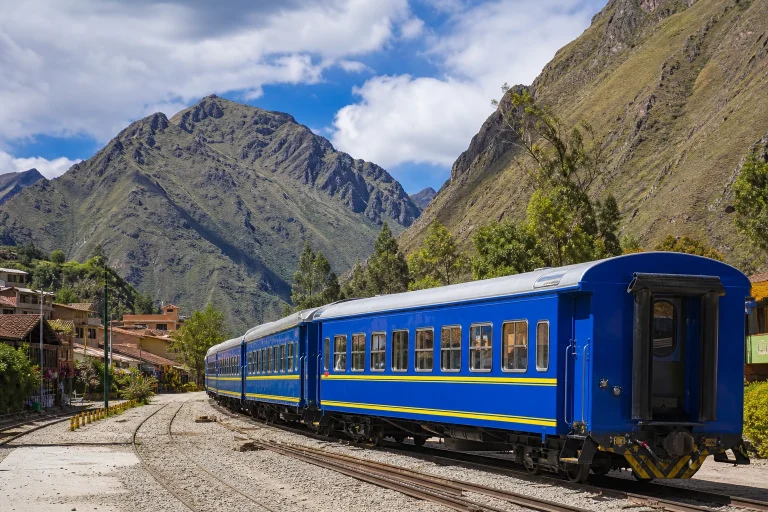
Allow additional transfer time around the station because PeruRail announced an alternative route for access and parking during its service and access modifications. If rail travel is part of your itinerary, compare the practical options in a guide to Sacred Valley trains to Machu Picchu before assigning Ollantaytambo to the final hours of the day.
A practical two-afternoon framework
The strongest sunset-focused plan uses the ticket’s two-day validity instead of forcing all four locations into one long day. This framework keeps access rules, onward transport, and daylight in balance without treating any site as an after-hours attraction.

- Buy your Circuit III ticket in person early in the itinerary, then keep it with you because it is personal and non-transferable.
- Choose Pisaq or Ollantaytambo for one afternoon only after checking that day’s entry and exit conditions.
- Use Chinchero or Moray on the other day as daytime or earlier golden-hour stops, rather than relying on unconfirmed late access.
- If you will board a train in Ollantaytambo, make the booked rail service the non-negotiable part of the schedule and arrive with a buffer.
- Keep any Pisaq-to-Ollantaytambo transfer out of the final, time-sensitive part of the day, particularly when a station arrival or access deadline matters.
Mobility and end-of-day access need advance thought
Do not assume a step-free route, wheelchair access, accessible restrooms, or mobility assistance at any of the four locations. Travelers who need these arrangements should confirm details before the trip with the site operator or a specialist local provider. That advance call is especially important late in the day, when a route that works in daylight may be less practical under time pressure.

Keep the final hour uncomplicated. Carry what you need for a changing evening, follow staff instructions, and make sure your transport or station plan is already understood before you enter. The aim is to enjoy the warmest part of the day without needing to negotiate an unfamiliar exit, a long transfer, or a missed rail service after access conditions have changed.
Still comparing Sacred Valley Sunset Planning?
Ask for tour ideas, hotel suggestions, or a simple trip plan that combines both.
Trip Helper
The best Sacred Valley sunset plan is the one with room to adapt
Choose Pisaq or Ollantaytambo when same-day rules support a late visit, and build Chinchero and Moray into the earlier hours of a wider Circuit III plan. The main limitation is simple: archaeological access cannot be treated as guaranteed sunset access. Buy the right ticket, protect your travel buffers, and let confirmed conditions decide where the day’s final light finds you.
Frequently asked questions
Are Pisaq, Ollantaytambo, Chinchero, and Moray guaranteed sunset viewpoints?
No. Plan them as late-afternoon or golden-hour possibilities rather than guaranteed in-site sunset viewpoints. Entry and exit rules can limit how long visitors remain inside, so confirm the conditions for your date before making a sunset-specific plan.
Which Sacred Valley sites have late-entry information?
Pisaq and Ollantaytambo have a temporary 17:00 latest-entry announcement dated July 16, 2026. That is an entry deadline, not a confirmed closing time or permission to remain until sunset, so check the day’s rules before going.
Does the Circuit III ticket cover the main Sacred Valley archaeological locations?
Yes. The two-day Circuit III partial ticket covers Pisaq, Ollantaytambo, Chinchero, and Moray. It is most worthwhile when you plan to visit more than one of these locations because it is not sold as a single-site ticket.
How much is the Sacred Valley partial ticket?
COSITUC lists the Circuit III partial ticket at S/70 for foreign visitors. Eligible Peruvian tourists and permanent residents have a listed promotional price of S/40, subject to the required documentation.
Can I buy the Cusco Tourist Ticket online?
No. COSITUC states that the tourist ticket must be purchased in person, either at included sites or at the central counter. The ticket covers admission only, so arrange transport and any guide separately.
Can I visit Ollantaytambo late in the day before a train to Machu Picchu?
Yes, if you build the visit around your booked rail service and leave a solid transfer buffer. PeruRail’s published May to December 2026 timetable includes evening departures, but schedules can change and station access modifications can add time.
Are these Sacred Valley sites wheelchair accessible?
Accessibility arrangements need to be confirmed in advance. Published ticket information does not set out step-free routes, wheelchair access, accessible restrooms, surface conditions, or mobility-assistance services for these four locations.
Sacred Valley Tour: Pisac, Maras, Chinchero & Ollantaytambo
Explore the best of Peru’s Sacred Valley on a private full-day tour designed for a personalized and comfortable experience. With your own expert loc...
From Urubamba & Ollantaytambo: Sacred Valley Day tour with Lunch
Explore the best and most unique sites in the Sacred Valley on a private tour. Visit the impressive ruins of Ollanta...

The Best Private Sacred Valley Tour in Cusco ( with Pisac)
We know very well each place of this tour, since we have been grown in this area and we studied over 3 years to get...

Machu Picchu Private Tour from Aguas Calientes (Tickets included)
Discover Machu Picchu at your own pace with our exclusive Private Guided Tour from Aguas Calientes. Perfect for inde...