Sacred Valley Itinerary Without a Car
Plan a car-free Sacred Valley trip using walkable bases, daytime transfers, flexible sightseeing days, and an Ollantaytambo overnight before the train to Machu Picchu.
 Visit Sacred Valley
September 19, 2026
Visit Sacred Valley
September 19, 2026
A Sacred Valley itinerary without a car works best when you stop trying to solve every mile with one transport method. Stay in walkable towns, reserve daytime transfers for complicated sightseeing days, and keep fixed rail departures separate from long touring circuits. If Machu Picchu is part of the trip, spend the previous night in Ollantaytambo rather than gambling on a same-day connection from Cusco.
- Use Pisac or another convenient valley town for the flexible opening days.
- Move to Ollantaytambo before any early train to Machu Picchu.
- Reserve a transfer or organized excursion for sightseeing days involving several separate locations.
- Check the exact station name on every rail ticket because Ollantaytambo, Urubamba, and Pachar are different stations.
- Reach the station at least 30 minutes before the listed departure.
- Keep a buffer night and avoid tightly timed or late-night mountain connections.
Here, car-free does not mean relying exclusively on public transport. It means traveling without renting or driving a vehicle. The most resilient plan combines walking, reserved point-to-point transfers, organized excursions, carefully chosen shared transport, and rail. That mix gives you room to enjoy the valley without asking an informal connection to protect a nonrefundable train departure.

Sacred Valley Tour: Pisac, Maras, Chinchero & Ollantaytambo
Explore the best of Peru’s Sacred Valley on a private full-day tour designed for a personalized and comfortable experience. With your own expert loc...

From Urubamba & Ollantaytambo: Sacred Valley Day tour with Lunch
Explore the best and most unique sites in the Sacred Valley on a private tour. Visit the impressive ruins of Ollanta...

The Best Private Sacred Valley Tour in Cusco ( with Pisac)
We know very well each place of this tour, since we have been grown in this area and we studied over 3 years to get...
The route at a glance
This five-day framework starts with flexible sightseeing and becomes more structured as the Machu Picchu train approaches. It suits travelers arriving from Cusco, but the central rule applies in either direction: place the least predictable road travel early and the fixed rail connection at the end.
| Day | Overnight base | Main plan | Transport strategy |
|---|---|---|---|
| 1 | Pisac | Daytime arrival and an easy town-based afternoon | Reserved transfer or another confirmed daytime option |
| 2 | Pisac | Flexible local sightseeing | Walking plus a prearranged ride where needed |
| 3 | Ollantaytambo | Reserved Sacred Valley sightseeing circuit | Book a route that ends at the new hotel |
| 4 | Ollantaytambo | Unhurried town day and station preparation | Mostly walking, with local help if required |
| 5 | Machu Picchu connection | Board the train from the station printed on the ticket | Rail, with station arrival at least 30 minutes early |
Day 1: Travel from Cusco to Pisac in daylight
Make the first day simple. Arrange a daytime transfer to Pisac, check in, and avoid attaching a major sightseeing circuit to your arrival. Government travel guidance recommends using reputable transport companies and avoiding overnight road travel where possible, particularly in mountainous or remote areas. A daylight arrival also leaves time to resolve a changed pickup point or delayed departure without sacrificing a fixed booking.
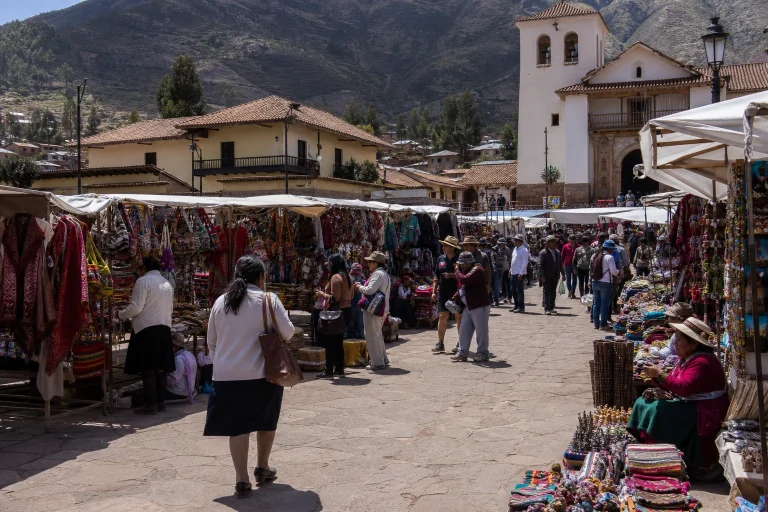
Choose accommodation within a comfortable walk of the places you expect to use that evening. If Pisac is one of your priorities, our Pisac ruins and market guide can help shape the following day without forcing extra stops into the arrival schedule. Keep the first afternoon open for food, rest, and practical arrangements.
Day 2: Give Pisac a flexible sightseeing day
Use this as the itinerary's most flexible day. Plan the Pisac subjects that interest you, but leave enough space to adapt the order. If a site requires a ride, arrange that segment through your lodging, a tour provider, or another transport service you have confirmed. Avoid building the day around several undocumented connections with no recovery time between them.
A flexible day is also the right place to try shared local transport if you are comfortable doing so. Confirm the destination and departure point locally before leaving, carry what you need for the day, and do not pair the experiment with a train reservation. The goal is to keep curiosity and deadlines on different pages of the calendar.
Day 3: Book a sightseeing transfer that ends in Ollantaytambo
Move hotels and sightsee in one planned journey. Instead of returning to your first base after a long circuit, reserve a driver or organized excursion that accepts luggage and finishes in Ollantaytambo. Confirm the pickup place, included stops, luggage allowance, and final drop-off before the day begins. Exact inclusions depend on the provider selected.
If Maras and Moray are on your list, treat them as a reserved circuit rather than assuming that every segment will align conveniently with shared transportation. Our Maras and Moray half-day guide provides a useful framework for deciding whether those stops fit. Keep the afternoon realistic, especially when carrying luggage and changing hotels.
Do not schedule an onward Machu Picchu train immediately after this circuit. Road delays, a prolonged stop, or confusion over the final station can consume the margin quickly. The overnight in Ollantaytambo turns that fragile connection into two manageable travel days.
From Urubamba & Ollantaytambo: Sacred Valley Day tour with Lunch
Explore the best and most unique sites in the Sacred Valley on a private tour. Visit the impressive ruins of Ollanta...
Sacred Valley Tour: Pisac, Maras, Chinchero & Ollantaytambo
Explore the best of Peru’s Sacred Valley on a private full-day tour designed for a personalized and comfortable ex...
The Best Private Sacred Valley Tour in Cusco ( with Pisac)
We know very well each place of this tour, since we have been grown in this area and we studied over 3 years to get...
Day 4: Use Ollantaytambo as the rail buffer
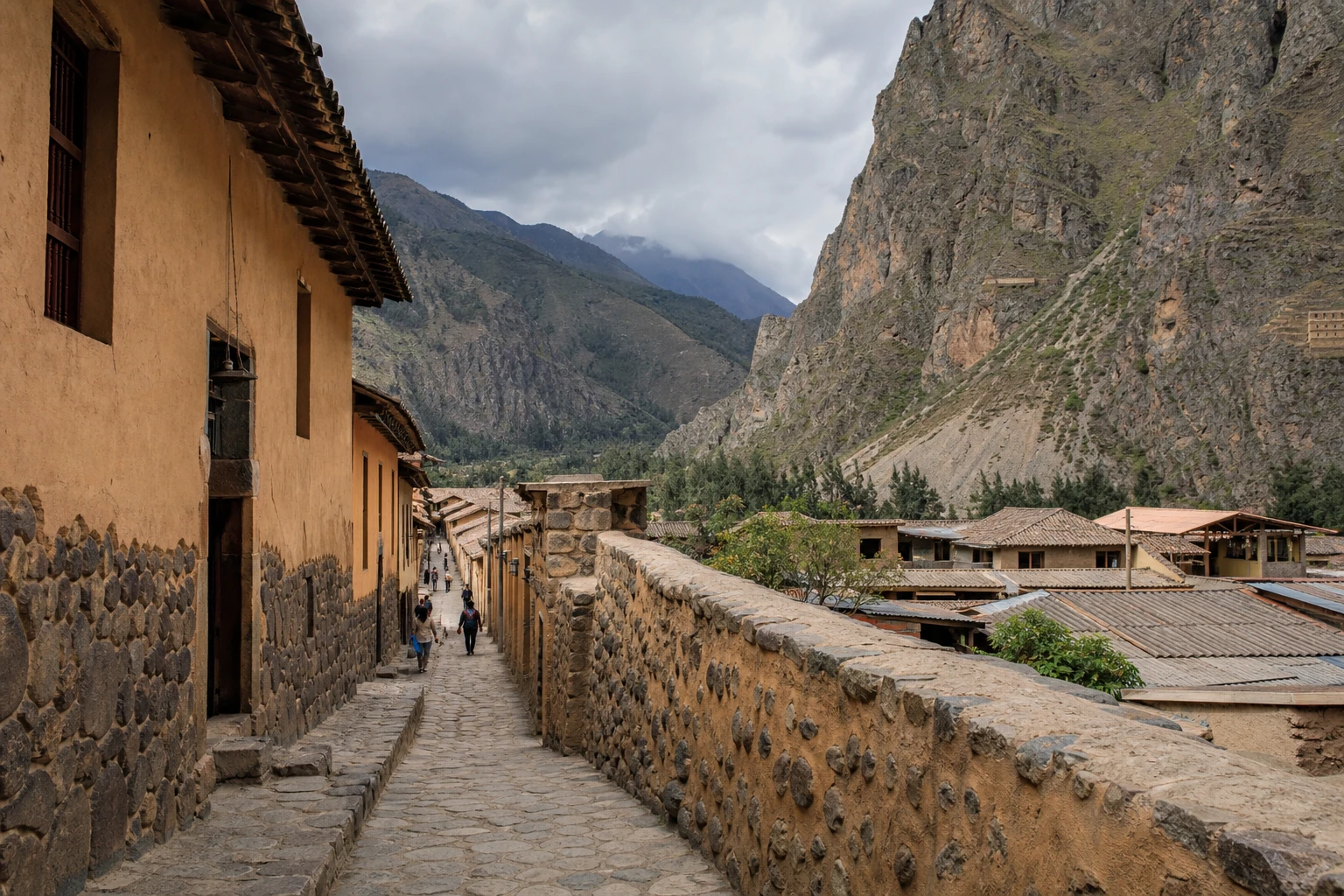
Spend the day close to your next transport connection. Our guide to Ollantaytambo's stone streets can help organize an unhurried day while keeping the train station within the same town plan. Before dinner, check the station route, the walking or transfer time from your lodging, and the instructions attached to your specific train number.
PeruRail lists Ollantaytambo station on Avenida Ferrocarril. It also identifies separate stations at Urubamba and Pachar, so those names are not interchangeable. A hotel address in the wider valley does not replace the boarding station printed on a ticket. Match the station, train number, and transfer instructions before packing for the morning.
Day 5: Take the train toward Machu Picchu
PeruRail's May through December 2026 timetable lists numerous departures between Ollantaytambo and Machu Picchu, ranging from early morning to evening. Listed times can change for operational reasons. The company requires passengers to board 30 minutes before departure, so treat that as the minimum station margin rather than the time to leave your hotel.
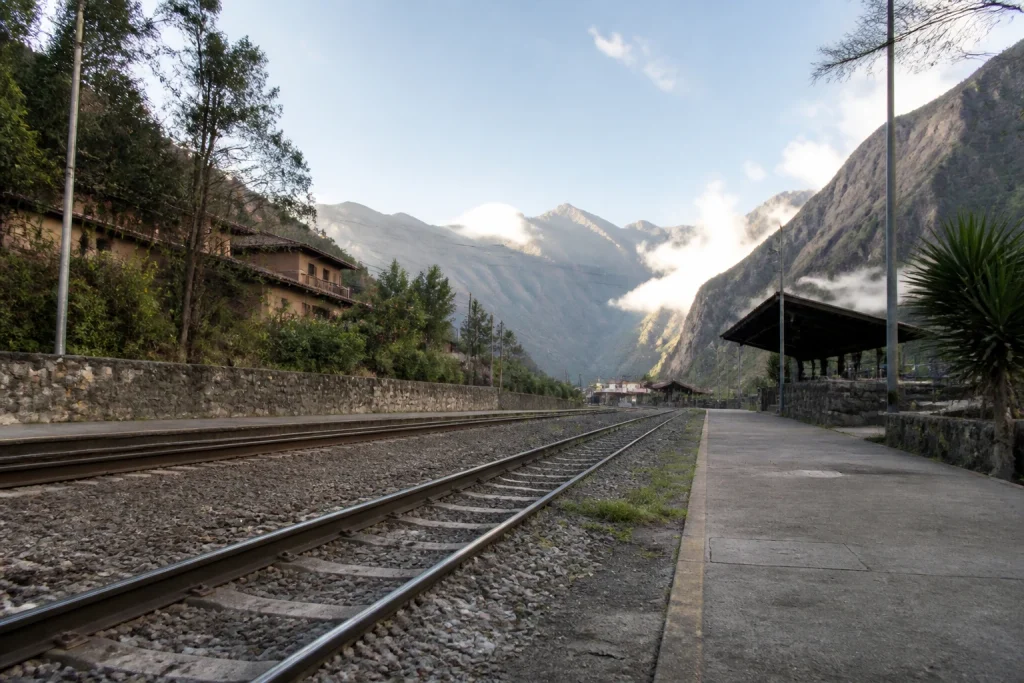
An early departure is much easier after sleeping in Ollantaytambo. It removes the need to cross the valley before dawn and reduces the number of handoffs protecting the train connection. Compare the available services carefully, including the station and any bus component. Our comparison of PeruRail and Inca Rail routes can help you examine the broader train choices before booking.
Choose each transport mode for the job it handles best
| Transport type | Best use in this itinerary | Main planning check |
|---|---|---|
| Reserved point-to-point transfer | Arrival day or a direct hotel move | Confirm pickup, final drop-off, luggage, and daytime timing |
| Organized sightseeing transfer | Several attractions followed by a hotel change | Confirm that the provider accepts luggage and ends in Ollantaytambo |
| Shared local transport | Flexible days without fixed rail deadlines | Confirm the destination and departure point before boarding |
| Rail | The Machu Picchu segment | Match the exact station, train number, boarding time, and any transfer instructions |
| Walking | Town-based time near the hotel | Choose lodging that suits your own walking comfort and baggage needs |
The weak point in many car-free plans is not a lack of transport. It is the number of same-day handoffs. Every extra pickup, vehicle change, and uncertain drop-off creates another chance to miss a fixed departure. Simplify the important days, then use more flexible options when the schedule has room to breathe.
Make Ollantaytambo the rail anchor, not just another stop
Ollantaytambo earns its place in this itinerary because it protects the rail connection. PeruRail's published timetable includes services as early as 05:05 and as late as 21:00 during the May through December 2026 period, although actual operations can change. Staying locally before an early service is far more robust than attempting a long sightseeing circuit or transfer from Cusco on the same morning.
As of August 16, 2026, road works are affecting access to Ollantaytambo station. PeruRail directs access through Vía de Evitamiento, Rumira, San Isidro, Calicanto Bridge, and Avenida Ferrocarril. The notice also states that Expedition 504 and Vistadome 606 use a passenger bus transfer from Pachar during the works. Recheck the instructions for your exact train shortly before travel.
From Urubamba & Ollantaytambo: Sacred Valley Day tour with Lunch
Explore the best and most unique sites in the Sacred Valley on a private tour. Visit the impressive ruins of Ollantaytambo, an ancient Incan fortress...
Sacred Valley Tour: Pisac, Maras, Chinchero & Ollantaytambo
Explore the best of Peru’s Sacred Valley on a private full-day tour designed for a personalized and comfortable ex...
The Best Private Sacred Valley Tour in Cusco ( with Pisac)
We know very well each place of this tour, since we have been grown in this area and we studied over 3 years to get...
The station printed on the ticket matters more than the town name in your general itinerary.
Still comparing Car Free Sacred Valley Itinerary With Ollantaytambo Rail Buffer?
Ask for tour ideas, hotel suggestions, or a simple trip plan that combines both.
Trip Helper
Book the itinerary in the right order
Start with the least flexible part of the journey, then build the valley route backward. This prevents a pleasant sightseeing idea from dictating a risky rail connection.

- Select the rail service and verify its station, train number, and any transfer component.
- Reserve Ollantaytambo accommodation for the night immediately before the train.
- Choose the opening base according to the first flexible sightseeing day.
- Arrange the hotel-changing sightseeing transfer that ends in Ollantaytambo.
- Confirm luggage limits for the train and any tour or transfer carrying your bags.
- Review operator notices, pickup details, and station access shortly before each fixed departure.
When choosing a base, favor practical walking access over a scenic address that requires a vehicle for every meal or pickup. Our guide to where to stay in the Sacred Valley compares lodges, hotels, and villages and can help narrow the choice. Ask the property which rail station it serves most conveniently rather than assuming all valley stations are equivalent.
Pack for the train rather than the longest hotel stay
PeruRail includes one backpack or carry-on bag with a train ticket. Its published luggage information lists charges of US$25 for checked luggage and US$15 for additional carry-on luggage. Policies and charges can change, so review the allowance attached to the service you book rather than treating a full-size suitcase as automatic.
PeruRail also lists free luggage storage at Ollantaytambo station from 04:15 to 21:00. That can simplify a day stop or a one-night rail bag, but confirm that the hours still fit your train before relying on the service. Keep documents, medication, valuables, and anything needed overnight in the bag that remains with you.
- A compact rail bag that meets the booked allowance
- Cash for interruptions or small travel needs
- Water and essential medication
- Warm layers for changing conditions
- Booking details stored where they remain available during a weak connection
- The address and contact details for the next hotel
Build a buffer for protests, weather, and road disruption
Government travel guidance warns that protests in Peru can occur with little notice. Roadblocks can disrupt highways and trains, including services traveling to and from Machu Picchu, and Cusco is among the regions that have experienced protests. Check transport updates before each major move and preserve at least one buffer night around an important onward connection.
The Andean rainy season generally runs from November through May and can affect roads, rail services, flights, and tourist sites. An August trip sits outside that main seasonal warning, but operational problems can still occur. Keep the itinerary modular so one changed transfer does not unravel every hotel and ticket that follows.
Favor reputable daytime transport and avoid improvising a late-night connection after a delay. Government guidance notes that bus crashes are common in Peru, particularly at night, and advises avoiding overnight travel where possible in mountain or remote areas. If a daytime plan slips badly, an extra night is usually the safer itinerary decision.
Budget without relying on fixed fare estimates
Build the budget by category rather than using a single daily estimate. Train fares, local transport, admission, and tour prices depend on the date and booking selected. Compare the complete trip cost, including luggage and hotel changes, before choosing the lowest headline fare. A cheaper departure is less useful if it creates another hotel night or a difficult station transfer.
| Budget category | How to control it |
|---|---|
| Rail | Compare live services using the exact station and travel date |
| Sightseeing transfer | Ask whether the quote is per vehicle or per passenger and which stops are included |
| Accommodation | Pay for the location that removes an important transfer |
| Luggage | Pack within the booked rail allowance where practical |
| Local travel | Keep cash available and confirm the destination before setting out |
| Contingency | Leave room for an extra night or replacement daytime transfer |
The Best Private Sacred Valley Tour in Cusco ( with Pisac)
We know very well each place of this tour, since we have been grown in this area and we studied over 3 years to get...
Sacred Valley Tour: Pisac, Maras, Chinchero & Ollantaytambo
Explore the best of Peru’s Sacred Valley on a private full-day tour designed for a personalized and comfortable ex...
From Urubamba & Ollantaytambo: Sacred Valley Day tour with Lunch
Explore the best and most unique sites in the Sacred Valley on a private tour. Visit the impressive ruins of Ollanta...
Plan accessibility one segment at a time
Do not assume this car-free route is step-free or wheelchair accessible. Accessibility needs to be confirmed separately with each hotel, road-transfer provider, rail operator, and attraction. Ask about boarding steps, vehicle access, station surfaces, luggage handling, room access, and the distance between drop-off and entrance before committing to the itinerary.
PeruRail asks passengers needing special luggage assistance to contact the company at least 48 hours before travel, subject to available space. That assistance is not a guarantee of accessible vehicles, platforms, or attraction access. Travelers with mobility requirements should obtain clear confirmation for every segment before booking the linked arrangements.
Common mistakes that make a car-free trip harder
- Trying to tour several valley locations and catch an onward train on the same day
- Assuming Ollantaytambo, Urubamba, and Pachar station names refer to the same boarding point
- Leaving Cusco before dawn to protect an early Ollantaytambo departure
- Booking a sightseeing transfer without confirming whether luggage is accepted
- Arriving at the station only a few minutes before the listed departure
- Using improvised late-night road transport after a delay
- Packing more luggage than the booked rail allowance permits
How to shorten or extend the itinerary
A four-day version
For a shorter trip, spend one night in Pisac and two nights in Ollantaytambo before the train. Use Day 2 as a reserved sightseeing transfer between the towns, then keep Day 3 near Ollantaytambo. Do not cut the rail-buffer night. Remove a flexible sightseeing day instead of placing a long road circuit immediately before departure.
A six-day version
With an extra day, add it before reaching Ollantaytambo. Use the time for another town-based day or a reserved excursion, then continue with two nights in Ollantaytambo. Keeping the added time early preserves the simple final sequence: local overnight, station arrival, and train.
A version without Machu Picchu
Without a Machu Picchu train, the itinerary becomes more flexible. Spend additional nights in the towns that match your interests and use confirmed daytime transfers between bases. You still benefit from limiting hotel changes, combining sightseeing with planned transfer days, and avoiding overnight mountain travel.
The best car-free plan favors simple connections
A car-free Sacred Valley trip suits travelers who prefer not to drive but are willing to plan a few key transfers. Its main limitation is that every distant stop cannot be treated as an effortless public-transport outing. Keep the opening days flexible, use a reserved circuit where the route becomes complicated, and protect the Machu Picchu train with an Ollantaytambo overnight.
Book the rail segment first, verify the exact station, then arrange lodging and daytime transport around it. Shortly before departure, check the train number, current station access, and any Pachar transfer instruction. That sequence turns a collection of moving parts into a practical journey through the valley, without putting you behind the wheel.
Frequently asked questions
Can you visit the Sacred Valley without a car?
Yes. A practical car-free trip combines walkable bases, confirmed daytime transfers, organized sightseeing, selective shared transport, and rail. Avoid depending on several loosely timed connections before a fixed train departure.
What is the best base before taking the train to Machu Picchu?
Ollantaytambo is the strongest base for an early train departure in this itinerary. PeruRail lists numerous services from there, and staying overnight removes the risk of a long same-day transfer from Cusco.
Are Ollantaytambo, Urubamba, and Pachar the same train station?
No. PeruRail identifies Ollantaytambo, Urubamba, and Pachar as separate stations. Check the exact station and any transfer instructions printed for your train before arranging a hotel pickup.
How early should I arrive for a PeruRail train?
PeruRail requires passengers to board 30 minutes before departure. Allow additional time to reach the station, especially while road works are affecting access around Ollantaytambo.
Are road works affecting Ollantaytambo station in 2026?
Yes. As of August 16, 2026, PeruRail reports modified road access to Ollantaytambo station, and selected trains use a passenger bus transfer from Pachar. Recheck the instructions for your specific train shortly before travel.
How much luggage can I take on PeruRail?
PeruRail includes one backpack or carry-on bag with a train ticket. Its published policy lists charges for additional checked and carry-on luggage, so review the current allowance for your selected service before packing.
Is this Sacred Valley itinerary wheelchair accessible?
Accessibility cannot be assumed across the full itinerary. Confirm step-free access, vehicle suitability, station boarding, hotel facilities, and attraction access separately before booking; special luggage assistance does not guarantee an accessible journey.
Should I use overnight buses in the Sacred Valley?
Avoid overnight road travel where possible. Government guidance recommends reputable transport companies and warns of higher road risks at night, especially in mountainous or remote areas.