Sacred Valley Honeymoon Guide
Plan a Sacred Valley honeymoon with a relaxed itinerary, the right overnight bases, realistic transfer buffers, archaeological visits, and an optional Machu Picchu extension.
 Visit Sacred Valley
September 7, 2026
Visit Sacred Valley
September 7, 2026
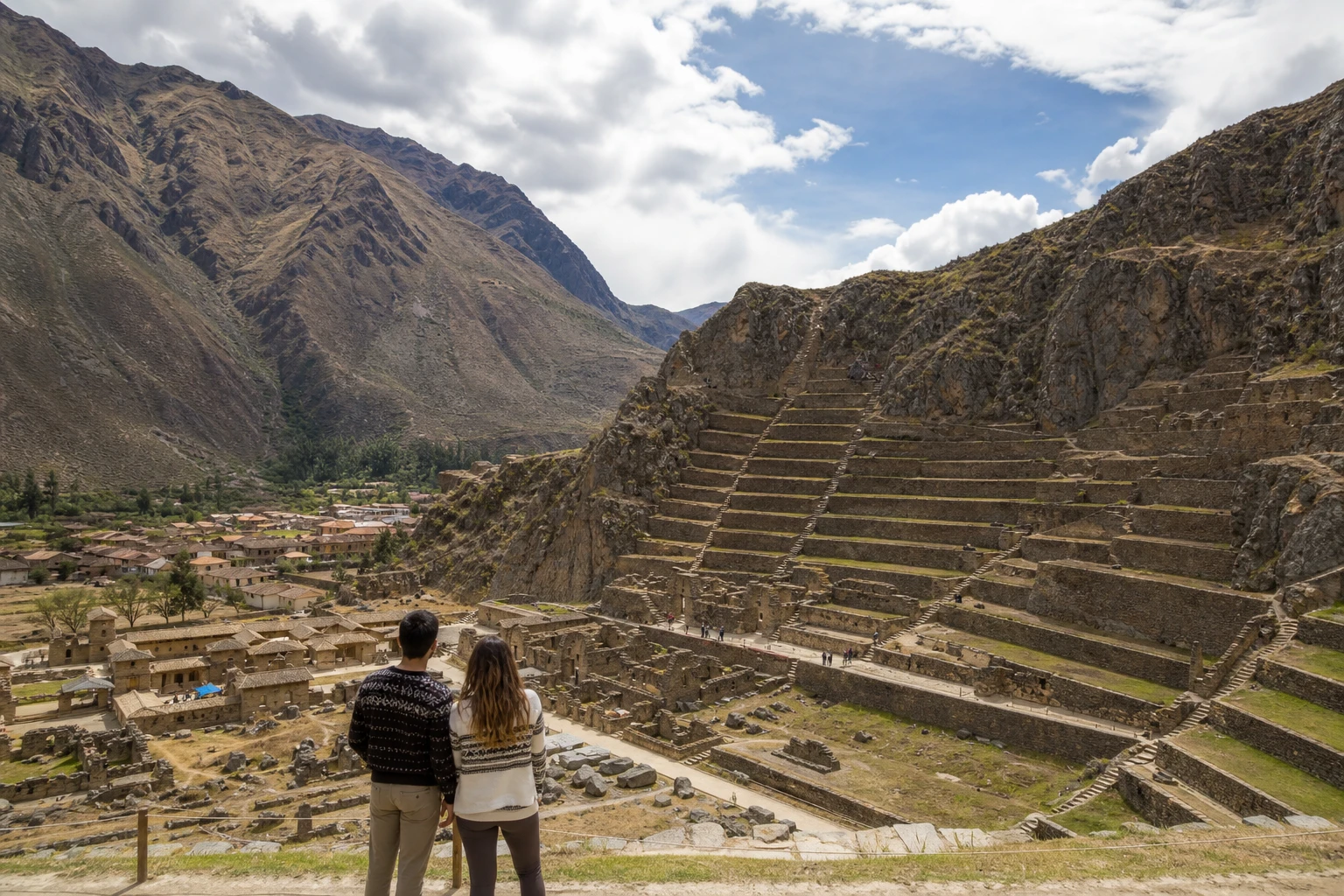
A Sacred Valley honeymoon is most rewarding when you resist the urge to turn it into a race. This part of Peru is a corridor of historic towns and archaeological sites rather than a single destination. A thoughtful trip uses one or two overnight bases, leaves room for slow meals and hotel time, and treats transfers as part of the itinerary. The result feels romantic without sacrificing the places that brought you here.
- Plan around one or two bases instead of changing hotels every night.
- Choose Ollantaytambo if an easier Machu Picchu rail connection is a major priority.
- Visit no more than one major archaeological area on most days.
- Leave generous buffers before trains, reserved experiences, and important dinners.
- Budget separately for admission, transportation, accommodation, guides, meals, rail travel, and Machu Picchu.
- Confirm accessibility arrangements directly when either traveler has mobility requirements.
A balanced honeymoon can include Písac, Ollantaytambo, Chinchero, and Moray while preserving unscheduled time. The key is deciding which experiences deserve a full day and which can share a route. Start with the fixed elements, especially rail travel or a private celebration, then build the archaeological visits around them rather than the other way around.

From Urubamba & Ollantaytambo: Sacred Valley Day tour with Lunch
Explore the best and most unique sites in the Sacred Valley on a private tour. Visit the impressive ruins of Ollantaytambo, an ancient Inca fortress...

Machu Picchu Private Guided Tour with Official Ticket & Bus
Discover Machu Picchu with your own private guide on a fully personalized experience from Aguas Calientes. Skip the crowds and enjoy a seamless visit...
Plan the Sacred Valley as a corridor, not one town
The official Cusco Tourist Ticket places Ollantaytambo, Písac, Chinchero, and Moray in its Sacred Valley circuit. That grouping offers a useful planning lesson: these are separate stops that require travel between them. Booking one hotel does not place every attraction on your doorstep, and moving accommodation each night does not automatically make the trip more efficient.
For most couples, one base works for a short stay and two bases work for a longer trip that includes Machu Picchu. A single base reduces packing and check-in time. Two bases can position you closer to different parts of the valley, but every hotel change consumes part of a day. Keep the move count low unless a relocation clearly improves an important transfer.
Before selecting your route, use a first-time visitor guide to the best things to do in the Sacred Valley to identify the two or three experiences that matter most. That choice is more useful than collecting a long list of possible stops. Honeymoon days benefit from focus, especially when a late lunch, a long conversation, or an inviting hotel terrace changes the afternoon plan.
Choose a base that supports your most important day
Ollantaytambo is the practical base when Machu Picchu is central to the trip. SERNANP lists the Ollantaytambo to Machu Picchu Pueblo route at about 60 kilometers and 2 hours 10 minutes, compared with about 111 kilometers and 4 hours 10 minutes from Cusco. These figures are useful for itinerary comparison, not a promise of a particular train schedule.
| Base strategy | Best suited to | Main tradeoff |
|---|---|---|
| Ollantaytambo stay | Couples prioritizing the Machu Picchu rail connection and the Ollantaytambo archaeological area | Road congestion around the town can affect tightly timed plans |
| One Sacred Valley base | Short honeymoons that favor fewer check-ins and relaxed hotel time | Some sightseeing days require longer transfers |
| Two Sacred Valley bases | Longer trips with distinct sightseeing and rail phases | A hotel move takes time and requires luggage coordination |
| Sacred Valley plus Cusco | Couples combining the valley with a separate city stay | Adds another transfer and check-in to the itinerary |
A more dispersed valley stay can feel removed from busy sightseeing routes, but guided visits and rail-day logistics become more dependent on prearranged transfers. Ollantaytambo reduces part of the Machu Picchu travel burden, although congestion near its archaeological approaches is a real counterweight. The right answer depends on which matters more to you: proximity to the rail route or extra separation from a busy transport point.
Use a Sacred Valley lodging guide to lodges, hotels, and villages when comparing locations. Check the actual transfer plan rather than choosing solely by a romantic photograph. Useful questions include how long the hotel expects a drive to take, whether it arranges private pickup, and how luggage will be handled if you leave for the train.
A relaxed five-day Sacred Valley honeymoon plan
This five-day framework keeps the pace deliberately light. It can stand alone or lead into Machu Picchu. The order should change according to your hotel location, confirmed transport, and any ticketed event. Avoid placing two inflexible reservations on the same day when a road transfer sits between them.

Machu Picchu Circuit 2 Entry Ticket and Private Official Guide
Can't find Circuit 2 tickets? We have you covered! We exclusively provide the highly-coveted Circuit 2 (Classic Rout...

Private Guided Tour in Machu Picchu
The guide will be exclusively for you or your group, the tour is along the circuit indicated on your ticket. The gui...

Ticket Machu Picchu with Private Guide
Unlike standard tickets, this option includes a private licensed guide who will accompany you inside Machu Picchu. Y...
Day 1: Arrive and leave the evening open
Use the first day for the transfer, check-in, a meal, and time together. Do not schedule a major archaeological visit immediately after arrival. If the transfer runs longer than expected, the day still works. This is also the moment to review pickup times, tickets, luggage arrangements, and the next morning's meeting point without sacrificing a planned excursion.
Day 2: Choose Písac or Chinchero
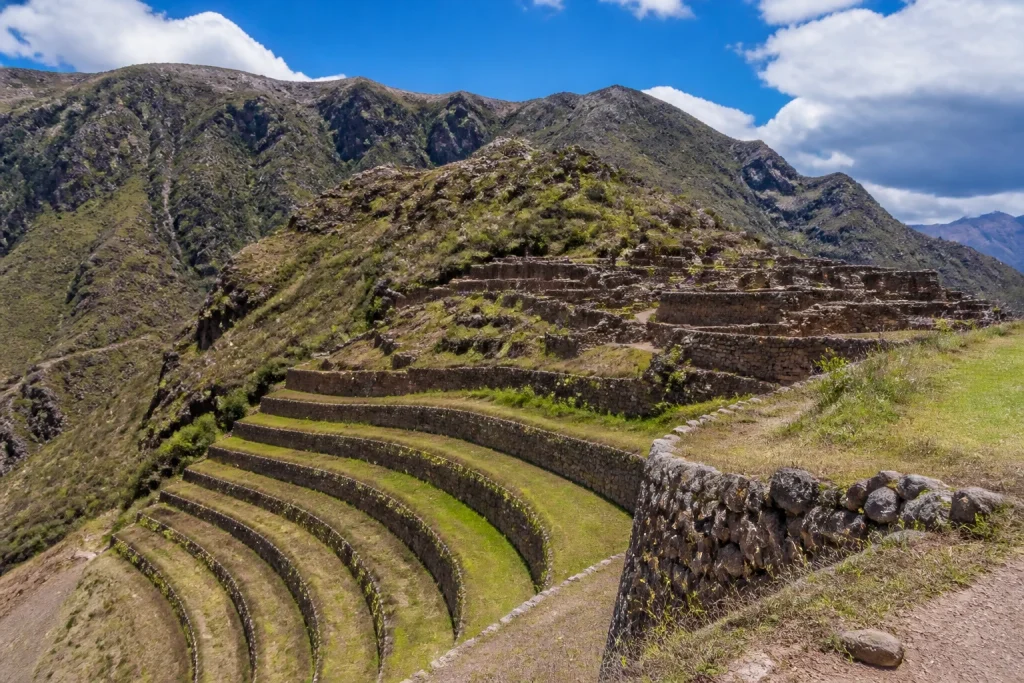
Devote the first full sightseeing day to one side of the valley. Písac and Chinchero are established Sacred Valley stops reachable by private travel from Cusco. Select one as the day's anchor and avoid adding distant attractions simply to fill the schedule. A prearranged driver or guided transfer is easier to coordinate than assuming one public transport product will connect your hotel with every stop.
Day 3: Visit Moray, then protect the afternoon
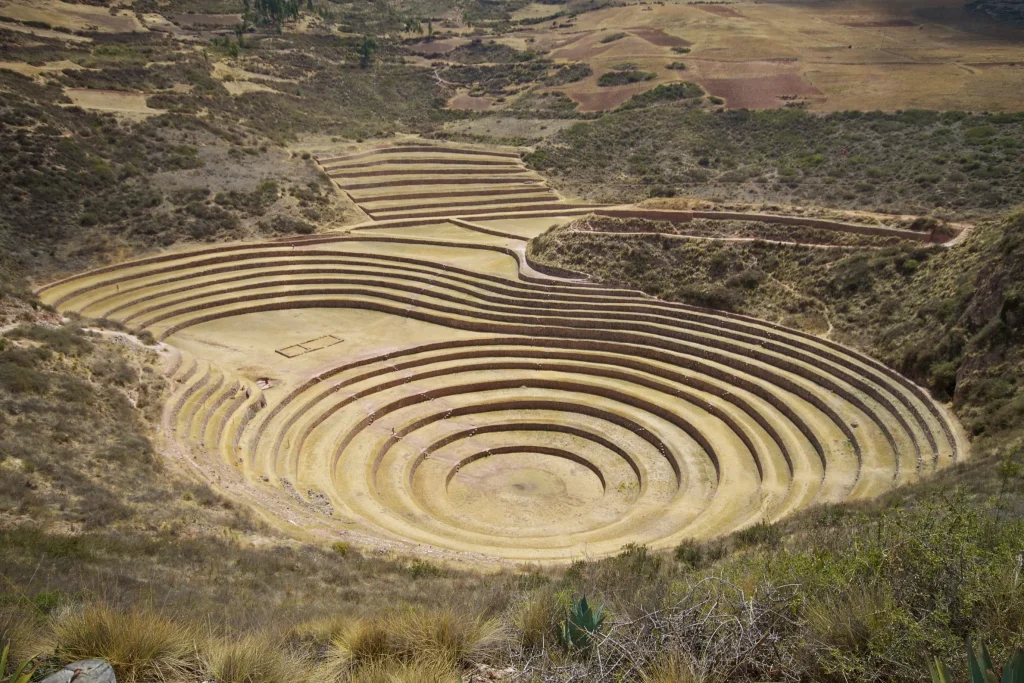
Make Moray the day's fixed archaeological visit and preserve the later hours for your hotel or a flexible activity offered nearby. Couples who want more historical context can consult a guide to Moray's circular terraces before deciding how long to devote to the site. Moray is included with Ollantaytambo, Písac, and Chinchero in the Sacred Valley partial tourist ticket.
Day 4: Give Ollantaytambo enough time
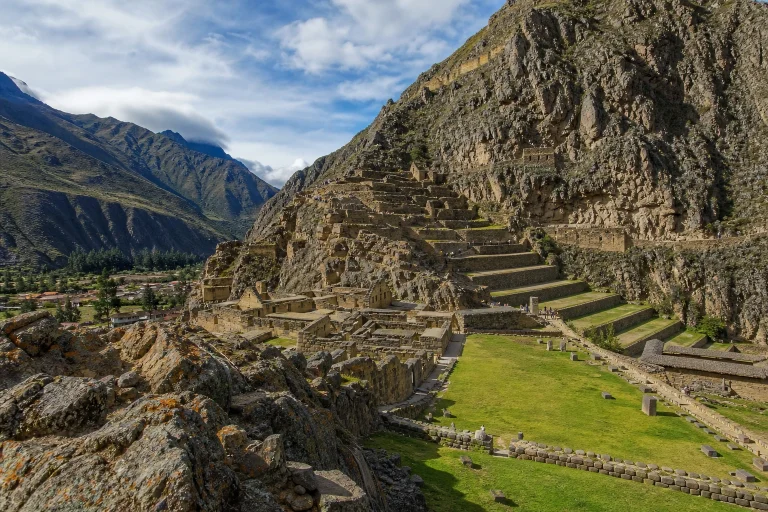
Plan Ollantaytambo as a central experience rather than a hurried stop before a train. Recent congestion has affected access around its archaeological park, so generous buffers matter. A guide to Ollantaytambo's stone streets can help you understand the town's appeal beyond its role as a rail gateway. If you are staying elsewhere, agree on a return pickup point before beginning the visit.
Day 5: Continue to Machu Picchu or enjoy a final slow morning
Couples continuing by rail should make the departure the day's priority. Those remaining in the valley can keep the morning unscheduled and choose a final activity only after confirming transfer time. Do not place a formal photo session, private ceremony, or nonrefundable meal close to a rail departure. Important honeymoon moments deserve their own time window.
Protect the romantic parts of the trip from itinerary overload
The easiest way to make the trip feel like a honeymoon is to cap most days at one major objective. The second half of the day can hold a long meal, hotel time, or an optional experience arranged through your accommodation. This structure creates room for spontaneity without risking the attraction or transfer that matters most.
If a hotel or planner offers a private dinner, portrait session, vow renewal, picnic, or spa appointment, schedule it on a day without a train or long cross-valley transfer. Confirm the location, weather policy, cancellation terms, clothing expectations, and transport before paying. Exact offerings and inclusions depend on the provider selected.
Archaeological sites deserve unhurried attention, but they do not all need to enter the same itinerary. Pick the places that match your interests and let the rest go. One carefully planned visit usually creates a stronger shared memory than several rushed entrances followed by hours of clock-watching.
Pairing the honeymoon with Machu Picchu
A Sacred Valley stay can reduce part of the transfer burden before Machu Picchu, especially when you sleep in Ollantaytambo. The shorter listed route to Machu Picchu Pueblo is the clearest practical reason to place Ollantaytambo at the end of the valley portion. It also avoids returning to Cusco solely to begin the longer approach listed by SERNANP.
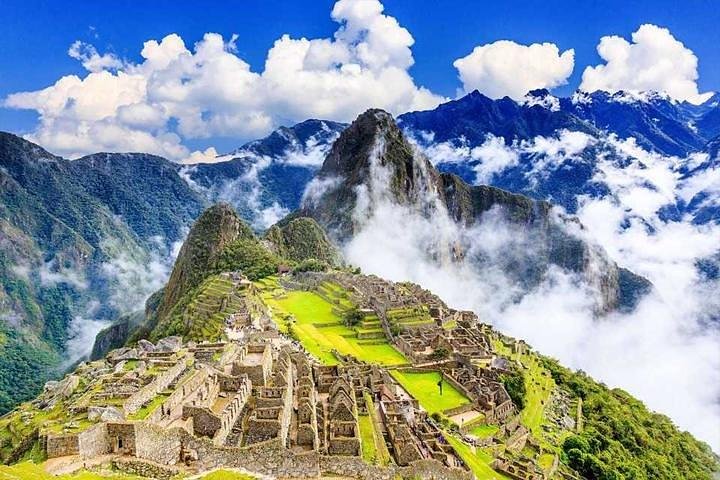
Treat rail day as a transportation day even if the journey occupies only part of it. Current departure details, boarding arrangements, luggage rules, and access conditions should come from the selected operator and booking confirmation. Older operational announcements are not a dependable guide to present service. A comparison of Sacred Valley trains to Machu Picchu can help couples understand the available route choices before booking.
Keep the night before departure simple. Place travel documents, tickets, identification, medications, and essential valuables in a small personal bag rather than luggage that will be handled separately. Confirm the pickup time with the hotel and leave extra road time if you are not already staying in Ollantaytambo.
Still comparing Sacred Valley Honeymoon?
Ask for tour ideas, hotel suggestions, or a simple trip plan that combines both.
Trip Helper
Getting around without losing half the honeymoon to transfers
Official destination material identifies Písac, Ollantaytambo, and Chinchero as Sacred Valley stops that can be reached by private travel from Cusco. For honeymoon planning, prearranged transport offers the clearest way to coordinate a hotel, luggage, timed admission, and the next stop. Do not assume that one public service connects every valley hotel and archaeological area on a convenient through-route.
When booking a transfer, provide the exact hotel name, passenger count, luggage quantity, destination, and any fixed deadline. Ask whether the service is direct or includes additional pickups. If a driver is waiting after a site visit, agree on a precise meeting point and a method for contacting the operator if road conditions delay either side.
In July 2026, Cusco's regional tourism authority reported vehicle congestion affecting access to Ollantaytambo and movement around the circuit. That does not mean every journey will be delayed, but it makes tight scheduling a poor honeymoon strategy. Add a meaningful buffer before trains and reserved events instead of relying on the fastest possible drive time.
Sacred Valley admission costs and what the ticket excludes
The official foreign-tourist tariff lists the partial Sacred Valley ticket, Circuit III, at S/70 with two days of validity. It covers Ollantaytambo, Písac, Chinchero, and Moray. The comprehensive Cusco Tourist Ticket is listed at S/130 with 10 days of validity. Because tariffs can change, check the current official amount before setting the final budget.
| Ticket | Listed foreign-tourist tariff | Validity | Relevant planning use |
|---|---|---|---|
| Sacred Valley partial ticket, Circuit III | S/70 | Two days | Focused visits to Ollantaytambo, Písac, Chinchero, and Moray |
| Comprehensive Cusco Tourist Ticket | S/130 | 10 days | A broader trip that includes additional covered Cusco-area attractions |
These figures are admission-only costs. They do not include transport, guides, accommodation, meals, rail tickets, or Machu Picchu admission. Build the honeymoon budget in separate categories so the tourist ticket does not create a misleading sense of the total. Accommodation and private transport are likely to be the most variable categories because the total depends on dates, location, service level, and route.
- Sacred Valley or comprehensive tourist ticket
- Accommodation and any room upgrades
- Private airport, hotel, and archaeological-site transfers
- Guided visits or special hotel experiences
- Meals and celebration expenses
- Rail travel and separate Machu Picchu arrangements, if included
Plan for comfort, mobility, and low-stress days
Travelers with mobility requirements should not assume that the entire valley experience is step-free. Current attraction-by-attraction specifications for terrain, accessible toilets, rail boarding, adapted transfers, and step-free routes are not consistently available. Ask each hotel and essential transport provider for written confirmation of the arrangements you need, and confirm site access before buying nonrefundable components.
Even without specific mobility needs, a low-demand arrival day is a sensible choice. Long transfers, hotel check-in, and luggage coordination already create a full travel day. Save the most important site for a morning when you can begin without rushing and return without an immediate appointment.
Pack for flexible days rather than formal photographs alone. Supportive footwear, adjustable layers, water, sun protection, essential medication, and a compact personal bag are practical foundations. Keep special clothing protected during transfers and ask your accommodation about pressing or garment care before relying on it for an important dinner or ceremony.
If one partner prefers active sightseeing and the other wants more rest, alternate priorities. Follow a site-focused day with a lightly scheduled day near the hotel. This works better than splitting every day into competing plans and gives both travelers something to anticipate.
Machu Picchu Entrance Ticket
This experience gives you something most travelers can’t find: peace of mind. Whether you plan ahead or need a sol...

Sacred Valley Tour: Pisac, Maras, Chinchero & Ollantaytambo
Explore the best of Peru’s Sacred Valley on a private full-day tour designed for a personalized and comfortable ex...

Machu Picchu: Official Entrance Tickets
With this ticket you can visit the Inca city of Machu Picchu. The ticket allows you to visit most of the archaeologi...
Check current safety and transport conditions before departure
U.S. travelers should recheck the State Department's Peru advisory immediately before departure. The advisory page dated May 16, 2025 listed Peru at Level 2, Exercise Increased Caution, because of crime, civil unrest, and kidnapping risk. It stated that Cusco city, the Sacred Valley, the Inca Trail, and Machu Picchu were not within the marked Cusco-area Do Not Travel zone, while still warning about crime nationwide.
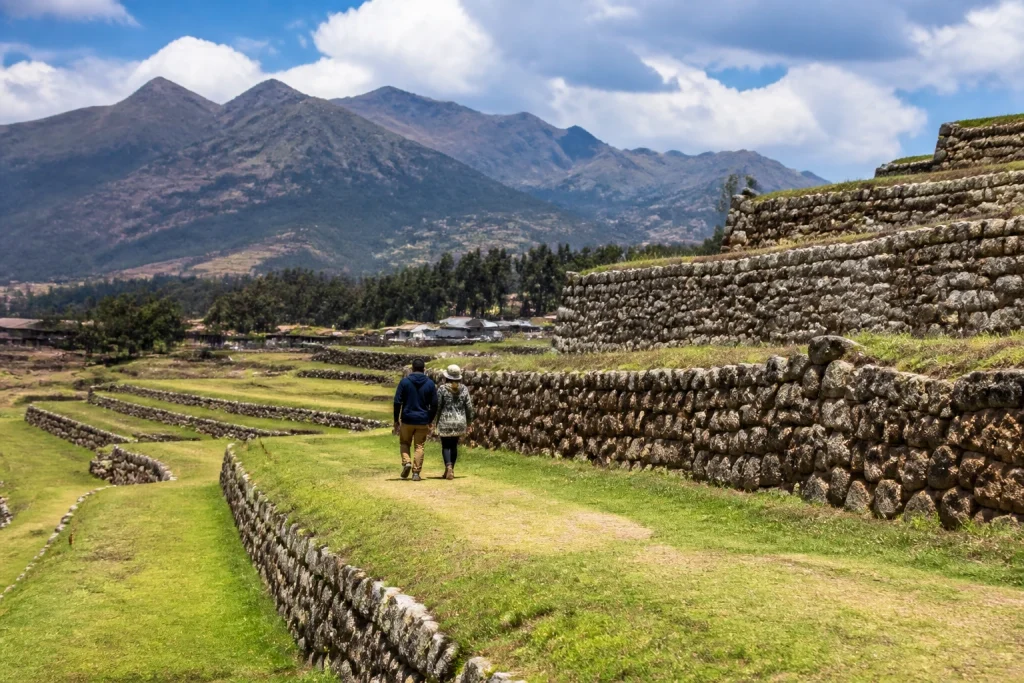
Use ordinary precautions without letting them dominate the honeymoon. Arrange dependable transport, keep valuables controlled, avoid displaying large amounts of cash, and follow current local guidance. Store backup copies of important booking details separately from the originals and make sure both partners can access the itinerary.
Transport conditions can change after an itinerary is booked. Reconfirm major pickups and rail details close to travel, especially when an old announcement or saved screenshot is your only information. Current confirmations should guide the day, not a previous season's operating notice.
Book the trip in an order that protects the important moments
Start with the dates and experiences that have the least flexibility. Then choose accommodation locations, arrange essential transfers, and fill the open days with archaeological visits. This order reduces the risk of reserving a beautiful hotel that creates an awkward rail connection or a long drive before a time-sensitive event.
- Set the overall dates and decide whether Machu Picchu is included.
- Choose one or two Sacred Valley bases according to the fixed itinerary.
- Reserve key rail, hotel, or private celebration arrangements.
- Plan private transfers for arrival, hotel changes, and rail day.
- Select archaeological visits and the appropriate tourist ticket.
- Reconfirm meeting points, pickup times, luggage handling, and current conditions before departure.
Leave at least one half-day open. It can absorb a delayed transfer, become extra hotel time, or hold an activity chosen after arrival. An unscheduled block is not wasted space. On a honeymoon, it is often the part that keeps every other reservation enjoyable.
Make the Sacred Valley feel like a honeymoon, not a checklist
The Sacred Valley suits couples who want history, mountain scenery, and a journey with more than one distinct stop. Its main planning challenge is distance: the sites and hotels are spread across a corridor, and important transfers need realistic buffers. Choose a base that supports your priority, limit most days to one major objective, and keep a few hours unclaimed. That balance leaves space for both discovery and the simple pleasure of traveling together.
Frequently asked questions
How many days should couples spend on a Sacred Valley honeymoon?
Four or five days is a comfortable planning target for couples who want several archaeological visits and meaningful hotel time. A shorter stay works best with one base and no more than two priority sites, while a longer itinerary can use two bases and continue to Machu Picchu.
What is the best Sacred Valley base for a honeymoon with Machu Picchu?
Ollantaytambo is the most practical choice when reducing the Machu Picchu rail approach is the priority. SERNANP lists the route to Machu Picchu Pueblo at about 60 kilometers and 2 hours 10 minutes, compared with about 111 kilometers and 4 hours 10 minutes from Cusco. Build in extra road time because congestion can affect access around Ollantaytambo.
Can we visit the Sacred Valley from one hotel?
Yes, one hotel can work well for a short honeymoon if you accept day-trip transfers. The valley is a multi-stop corridor that includes Ollantaytambo, Písac, Chinchero, and Moray, so travel time remains part of the plan regardless of the base selected.
How do couples get around the Sacred Valley?
Prearranged private transport is the clearest option for coordinating hotels, luggage, archaeological visits, and rail connections. Písac, Ollantaytambo, and Chinchero are identified as stops reachable by private travel from Cusco. Do not assume one public transport service will conveniently connect every hotel and attraction.
How much is the Sacred Valley tourist ticket?
The listed foreign-tourist tariff is S/70 for the two-day Sacred Valley partial ticket covering Ollantaytambo, Písac, Chinchero, and Moray. The comprehensive 10-day ticket is listed at S/130. These are admission-only prices and should be checked again before travel.
Is the Sacred Valley accessible for travelers with limited mobility?
Accessibility varies and should be confirmed for every essential part of the itinerary. Do not assume step-free archaeological access, adapted rail boarding, accessible toilets, or suitable transfers. Ask hotels and operators for written details before purchasing nonrefundable arrangements.
Is the Sacred Valley safe for honeymooners?
The U.S. advisory page dated May 16, 2025 did not place the Sacred Valley, Cusco city, the Inca Trail, or Machu Picchu inside the marked Cusco-area Do Not Travel zone. It listed Peru at Level 2 and warned about crime and civil unrest, so travelers should review the latest advisory before departure and use normal precautions.
Should we stay in Ollantaytambo the night before the train?
Staying in Ollantaytambo can simplify the Machu Picchu departure by reducing the approach compared with beginning in Cusco. It is especially useful when the train is a fixed honeymoon priority. Couples staying elsewhere should arrange an early transfer with a generous buffer for possible congestion.
From Urubamba & Ollantaytambo: Sacred Valley Day tour with Lunch
Explore the best and most unique sites in the Sacred Valley on a private tour. Visit the impressive ruins of Ollantaytambo, an ancient Inca fortress...

Sacred Valley Alpaca Hiking Tour
We involve local people in the activity: By doing so, we provide an opportunity for them to actively participate in...

Natural Inca Hot Springs Day Trip – Soak & Relax in the Andes
The Inca thermal baths of Lares Valley are completely natural water that comes from the Andean mountains. This water...
Machu Picchu Private Guided Tour with Official Ticket & Bus
Discover Machu Picchu with your own private guide on a fully personalized experience from Aguas Calientes. Skip the...
.jpg)