Inca Trail From Ollantaytambo Guide
Plan an Inca Trail trek from Ollantaytambo with clear guidance on the Km 104 day hike, longer routes, permits, train logistics, weather, and practical preparation.
 Visit Sacred Valley
October 7, 2026
Visit Sacred Valley
October 7, 2026
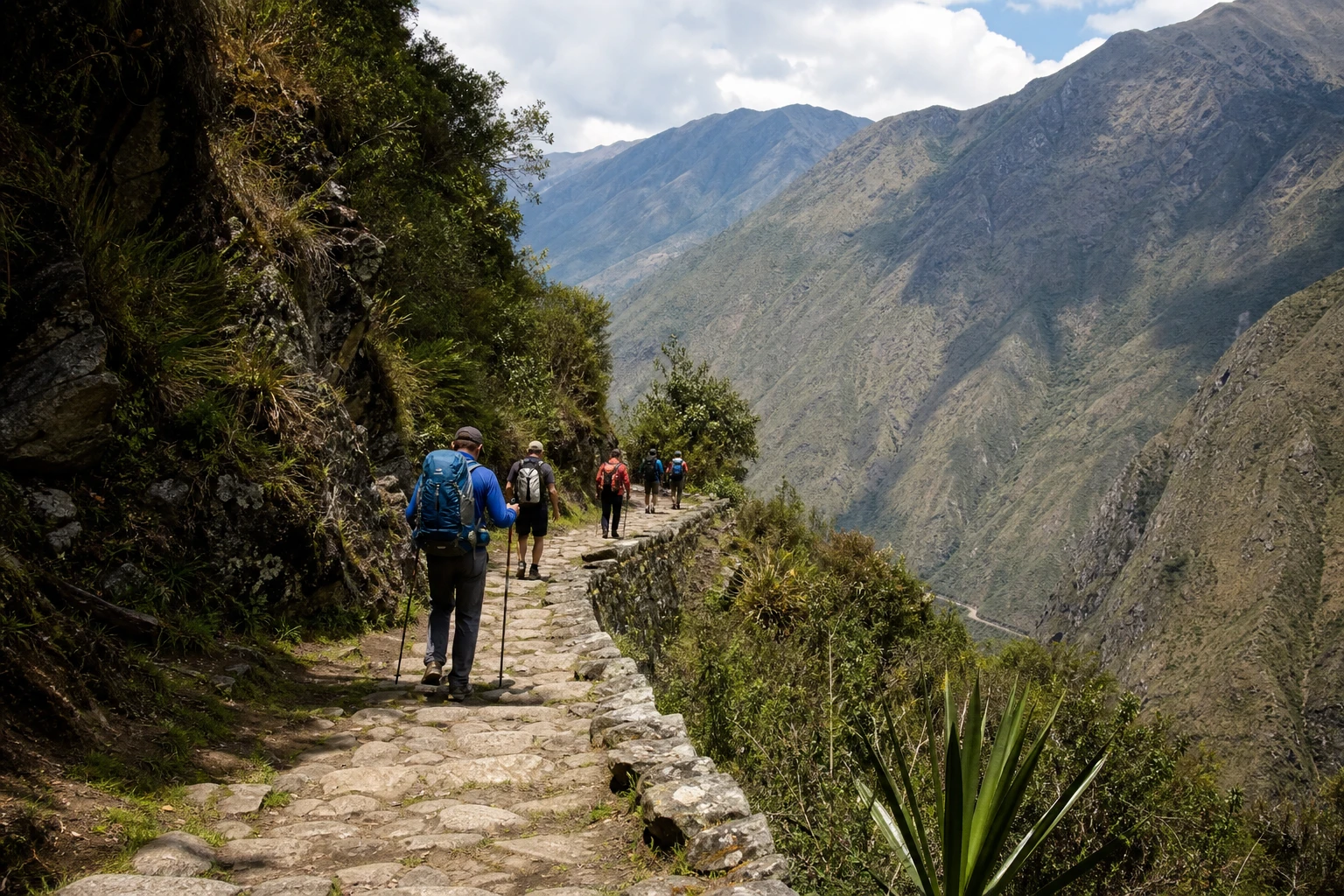
Ollantaytambo is one of the Sacred Valley’s most practical bases for an Inca Trail plan, but it is not the literal start of every trek. The classic route begins at Piskacucho, also called Km 82, while the short Inca Trail uses the rail stop at Km 104. Choosing between them shapes everything that follows: the number of hiking days, the early-morning logistics, the packing list, and the type of permit you need.
- Ollantaytambo works best as a rail-connected base, especially for the one-day Km 104 hike.
- Km 104 is a full-day trek with morning entry and a train-dependent start.
- Longer Inca Trail routes run for two to five days and begin separately from the classic Km 82 trailhead.
- Inca Trail Network access requires an agency authorized by the Historic Sanctuary of Machupicchu.
- Rainy-season conditions run from November through March, and February maintenance can affect trail plans.
Understand Ollantaytambo’s role before choosing a route
Think of Ollantaytambo as a strategic staging point rather than a single trailhead. It is a Sacred Valley rail gateway for travelers heading toward Machu Picchu, and designated PeruRail services allow Km 104 hikers to board in Ollantaytambo before getting off at the trail stop. The broader Inca Trail can extend up to 39 kilometers, but individual trekking routes have their own starting points and durations.

The Best Private Sacred Valley Tour in Cusco ( with Pisac)
We know very well each place of this tour, since we have been grown in this area and we studied over 3 years to get a guide license. as well, our vehi...

From Urubamba & Ollantaytambo: Sacred Valley Day tour with Lunch
Explore the best and most unique sites in the Sacred Valley on a private tour. Visit the impressive ruins of Ollanta...

Machu Picchu Private Tour from Aguas Calientes (Tickets included)
Discover Machu Picchu at your own pace with our exclusive Private Guided Tour from Aguas Calientes. Perfect for inde...

Machu Picchu 2Day Tour by Train from Cusco with Overnight Stay
Our tour guides at Machu Picchu are incredibly passionate about storytelling and are committed to creating unforgett...
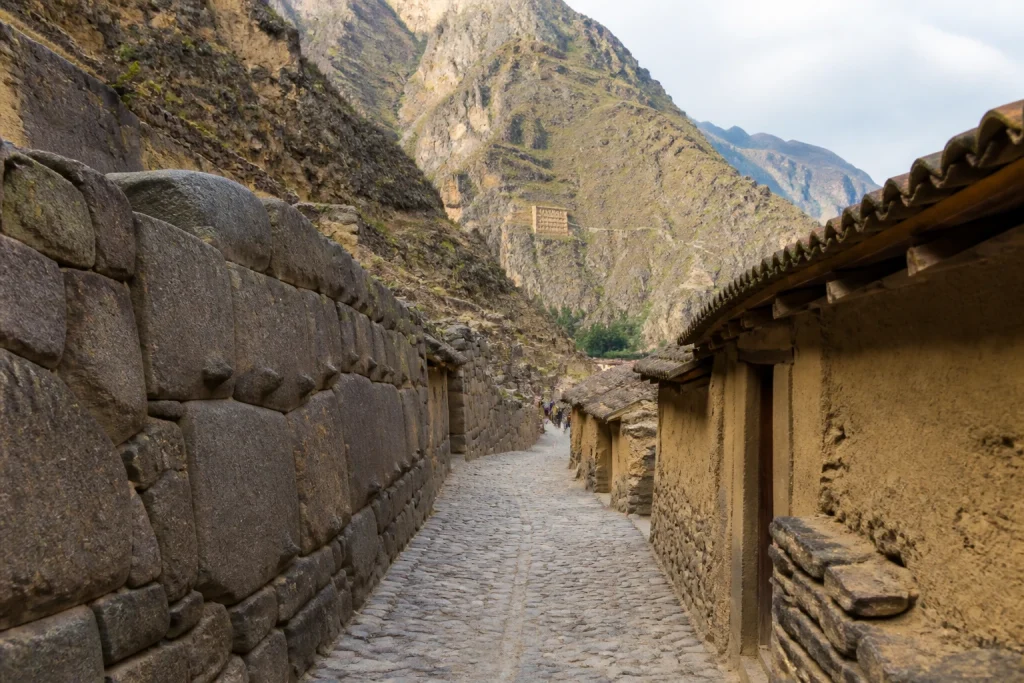
Build in time to explore Ollantaytambo, a living Inca town whose stone streets make a memorable counterpoint to a trail itinerary. Its location also helps travelers organize an early rail departure without adding an unnecessary transfer across the valley on hiking morning. For wider rail planning, a comparison of Sacred Valley trains to Machu Picchu can help clarify the routes that serve the area, while the Km 104 stop itself is tied to designated PeruRail services.
Choose between the Km 104 day hike and a multi-day Inca Trail
The most useful decision is not simply whether to do “the Inca Trail from Ollantaytambo.” It is whether the short, rail-based Km 104 experience suits you better than a longer trek. Route 5 is categorized as a one-day route, while other Inca Trail Network options take from two to five days. Both choices require real walking preparation, but their rhythm and logistics are very different.
| Planning point | Km 104 short trail | Longer Inca Trail options |
|---|---|---|
| Walking commitment | A full-day hike | Two to five days of trekking |
| Starting arrangement | Rail-based approach from Ollantaytambo on designated services | Separate route starts, including the classic Piskacucho/Km 82 route |
| Entry pattern | Morning-only entry | Depends on the permitted route and itinerary |
| Main trade-off | A shorter trek paired with an early train-dependent start | More time on the trail and a multi-day commitment |
The Km 104 option for a one-day trek
Km 104 is the natural option for travelers using Ollantaytambo as their launch point and looking for a one-day Inca Trail experience. It combines an early train journey with a full day on foot, so it rewards travelers who are comfortable with a tightly timed morning and sustained hiking. Its shorter format saves overnight trail days, but it does not turn the experience into a casual stroll.
Longer routes for travelers who want the full trek
Multi-day routes are better suited to travelers who want several days of walking and nights built into the journey. The Inca Trail Network includes options of two, three, four, and five days, while the classic Piskacucho/Km 82 route is documented separately from the Km 104 approach. Do not assume that sleeping in Ollantaytambo means the trek itself begins there; confirm the specific route start with your authorized operator.
Secure an authorized permit arrangement before locking in plans
Independent entry is not an option for the Inca Trail Network. Access is through travel agencies authorized by the Historic Sanctuary of Machupicchu, so the first booking task is choosing an authorized operator with space for your intended route and date. Ask the operator to identify the route, permit arrangement, train plan if applicable, and what its itinerary includes before you commit to nonrefundable travel.
Trail entry is controlled, and the official 2026 reservation opening allocated daily spaces by route, including routes 1 to 3 and Route 5. Those allocations explain why a desired date can be difficult to obtain, but they are not a live availability display. Check current permit status for your exact date before building the rest of the Sacred Valley itinerary around the trek.
Avoid treating a published trail tariff as the all-in cost of an Inca Trail trip. Operator packages can combine elements differently, including guiding, food, porter services, rail travel, and accommodation. Compare like with like: ask what is included, what requires separate payment, and how the return journey is handled. This is more useful than choosing a trek by a single headline figure.

Machu Picchu Private Archaeological and Historical Guided Tour
Explore Machu Picchu, one of the Seven Wonders of the World, in the company of a private guide. Enjoy the undivided...

Machu Picchu Guided Tour with Local Expert – 2 or 3 Hour Service
Discover Machu Picchu with a professional local guide who will bring the Inca citadel to life through history, cultu...

Machu Picchu Private Guided Tour (No Ticket)
The guide will be exclusively for you or your group, the tour is along the circuit indicated on your ticket. The gui...
Plan the early Ollantaytambo-to-Km 104 rail connection
The Km 104 itinerary starts early because entry is in the morning and the first stage depends on a designated train stop. PeruRail’s May to December 2026 timetable identifies several services that stop at Km 104, including a marked Expedition departure from Ollantaytambo at 05:05. Treat that time as a timetable example, not a permanent promise, because rail schedules can change for operational reasons.
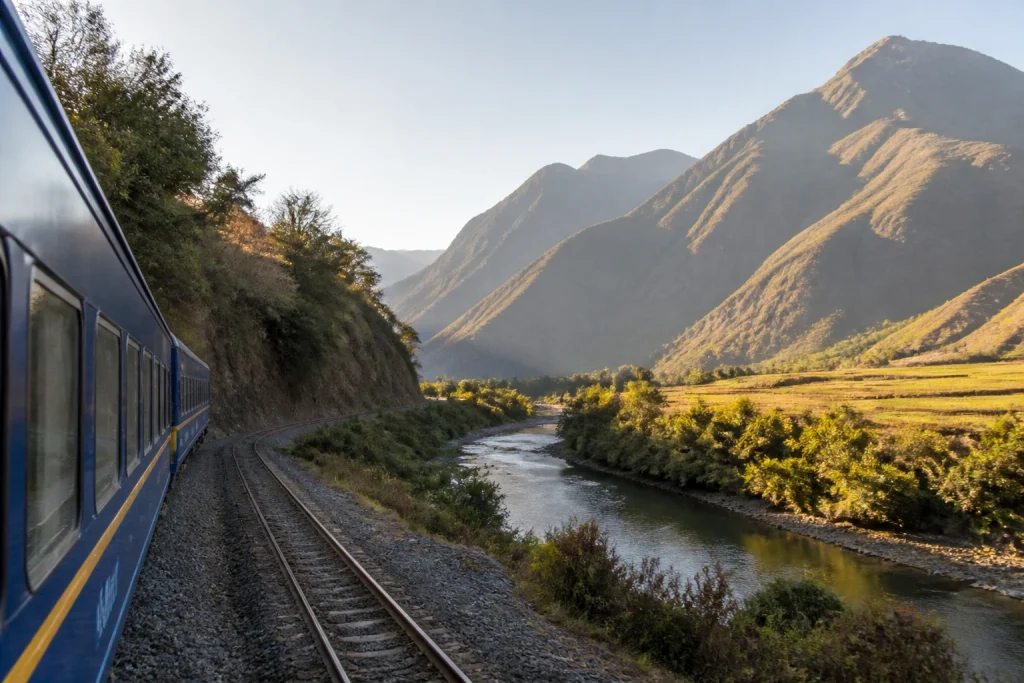
- Confirm that your booked route is Km 104 rather than a different Inca Trail start point.
- Ask your authorized operator which designated train service is attached to your trip.
- Recheck PeruRail’s schedule and your operator’s meeting instructions shortly before departure.
- Stay close enough to your departure point to make the early start manageable.
- Keep your permit details and travel documents ready the night before.
Prepare for rain, cool temperatures, and seasonal maintenance
November through March is the rainy season on the Inca Trail Network. Trail temperatures can range from about 18°C to 5°C, with colder conditions in higher sections, so layers are more useful than a single heavy item. Pack a waterproof outer layer, sun protection, drinking water, snacks, and footwear suited to a full day of uneven trekking. Keep essentials accessible rather than buried at the bottom of a bag.
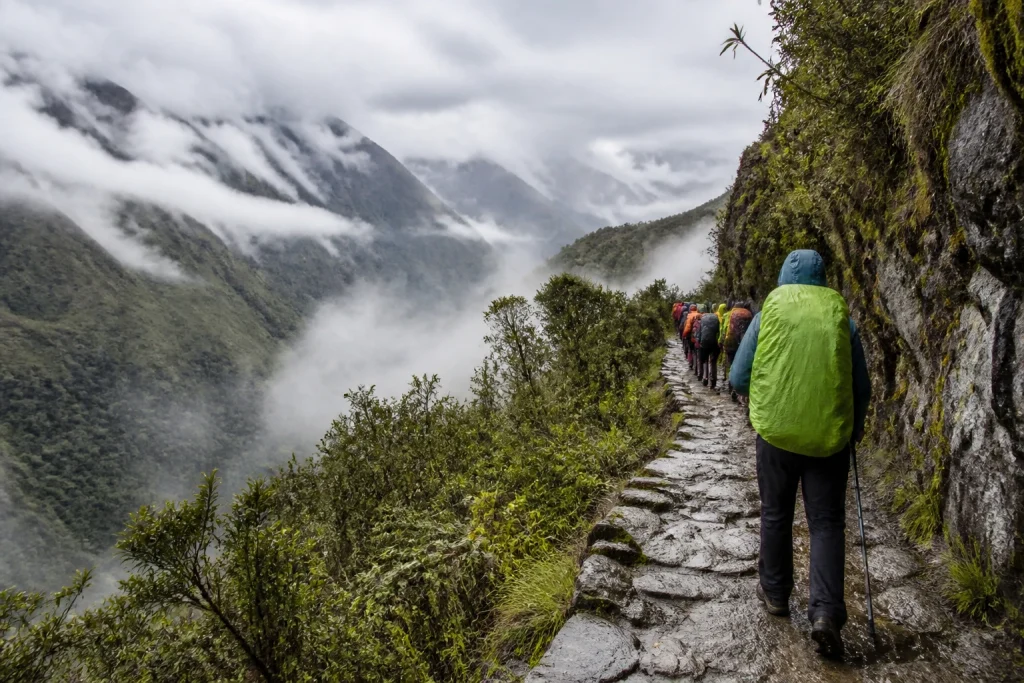
- Light insulating layers for changing temperatures
- A waterproof jacket or shell during the rainy season
- Broken-in hiking footwear with reliable grip
- Sun protection for exposed sections
- Water and trail snacks in an easy-to-reach daypack
- A small dry bag or waterproof pouch for documents and electronics
February deserves special attention. The Inca Trail Network closed throughout February 2026 for annual conservation and maintenance, then resumed on March 1. This was not a continuing August 2026 closure, but it is a strong reason to check the status of a February departure before finalizing flights, trains, or accommodation. Weather and operational conditions can also affect rail and trail arrangements at other times.
Assess fitness and accessibility realistically
The Km 104 itinerary is a full-day trek, and the wider network consists of walking routes lasting from two to five days. It should not be described as mobility-accessible. Travelers with mobility needs, medical concerns, or a need for specific assistance should get a detailed written answer from an authorized operator about terrain, steps, toilets, available help, and contingency evacuation before booking.
Build a sensible Ollantaytambo trekking itinerary
For the short trail, arrive in Ollantaytambo early enough to settle in, review your departure instructions, and prepare your daypack before the pre-dawn rail departure. Accommodation choices across Sacred Valley lodges, hotels, and villages are especially relevant here: an overnight near your planned departure can make a very early start simpler. Keep the evening before the hike low-key and organize clothing, water, documents, and snacks in advance.
For a longer route, plan Ollantaytambo as a Sacred Valley stop rather than assume it is your trailhead. Confirm where the group starts, how the operator handles transport, and the duration of the route you selected. That small distinction prevents one of the most common planning mistakes: booking the right town but preparing for the wrong Inca Trail itinerary.
Still comparing Day Trips?
Ask for tour ideas, hotel suggestions, or a simple trip plan that combines both.
Trip Helper
Is the Inca Trail from Ollantaytambo right for you?
Ollantaytambo is an excellent base for travelers drawn to the one-day Km 104 hike and its rail-connected start. It also works well for those exploring the Sacred Valley before joining a longer route elsewhere. The key limitation is that this is a permit-controlled trek with early logistics, variable mountain weather, and no independent access. Choose Km 104 for a concentrated full-day challenge, or choose a multi-day route when several days on the Inca Trail are the goal.
Frequently asked questions
Does the Inca Trail start in Ollantaytambo?
Not always. Ollantaytambo is a useful rail gateway and base for the Km 104 day hike, but the classic trail begins separately at Piskacucho, also known as Km 82.
Can I hike the Inca Trail from Km 104 in one day?
Yes. Route 5 is categorized as a one-day route, and the Km 104 itinerary is described as a full-day hike with morning-only entry.
Do I need a guide or agency for the Inca Trail?
You need to enter through a travel agency authorized by the Historic Sanctuary of Machupicchu. Independent access to the Inca Trail Network should not be expected.
What is the best time of year for the Inca Trail from Ollantaytambo?
For a lower chance of rain, plan outside the November-to-March rainy season. February can also bring annual trail maintenance closures, so confirm the operational status before making fixed travel plans.
How much does an Inca Trail trip from Ollantaytambo cost?
There is no single reliable all-in price because route choice and package inclusions vary. Compare operator quotes by checking whether they include guiding, food, porter services, rail travel, accommodation, and any separate entry charges.
Is the Km 104 Inca Trail accessible for wheelchairs?
It should not be treated as a mobility-accessible route. It is a full-day trek, so travelers who need accommodation or assistance should obtain written details about terrain, steps, support, toilets, and evacuation arrangements before booking.

Machu Picchu: Circuit 2 (Classic Route) + Bus & Local Guide
Expert Bilingual Guides: Gain deep insights into Machu Picchu's history with our knowledgeable guides. Comfortable Transportation: Enjoy a seamless r...

From the Sacred Valley: Salt Mines & Moray - Private tour
As a company based in the Sacred Valley, we are true specialists in the region, enabling us to provide a more person...

From the Sacred Valley Chinchero, Maras, Moray and Ollantaytambo
What makes our tour special is that we are based right here in Urubamba, the heart of the Sacred Valley. Being local...

Machu Picchu Ticket, Bus & Private Guide
Maximize your time at Machu Picchu with this private guided tour starting directly from Aguas Calientes. Skip the ha...