Pisac: A Slow Morning at the Ruins, an Afternoon in the Market
Pisac works best as two connected experiences: the large archaeological complex on the ridge and the town below. Treating the ruins as a quick lookout misses the terraces, paths and scale of the site; treating the market as a single souvenir square misses the ordinary streets around it.
Start with the hillside site
The archaeological complex extends across a broad ridge above town. Viewpoints, terraces and built sectors are separated by paths and elevation, so decide how much walking suits the group before starting. A vehicle to an upper entrance and a descent toward town may be possible, but current access and transport arrangements must be confirmed locally.

Machu Picchu Circuit 2 Guided Tour
Explore the wonders of Machu Picchu via the official Circuit 2 route, known for its stunning views and historical significance. With a licensed local...

Machu Picchu Private Tour with Expert Guide
Discover the wonders of Machu Picchu with a professional private guide, available in English, French, or Spanish. Yo...

Machu Picchu Guided Tour from Aguas Calientes
The Incan site of Machu Picchu is a UNESCO World Heritage Site. It is one of the most famous places in the world. It...

Ticket Machu Picchu with Private Guide
Unlike standard tickets, this option includes a private licensed guide who will accompany you inside Machu Picchu. Y...
Give the terraces context
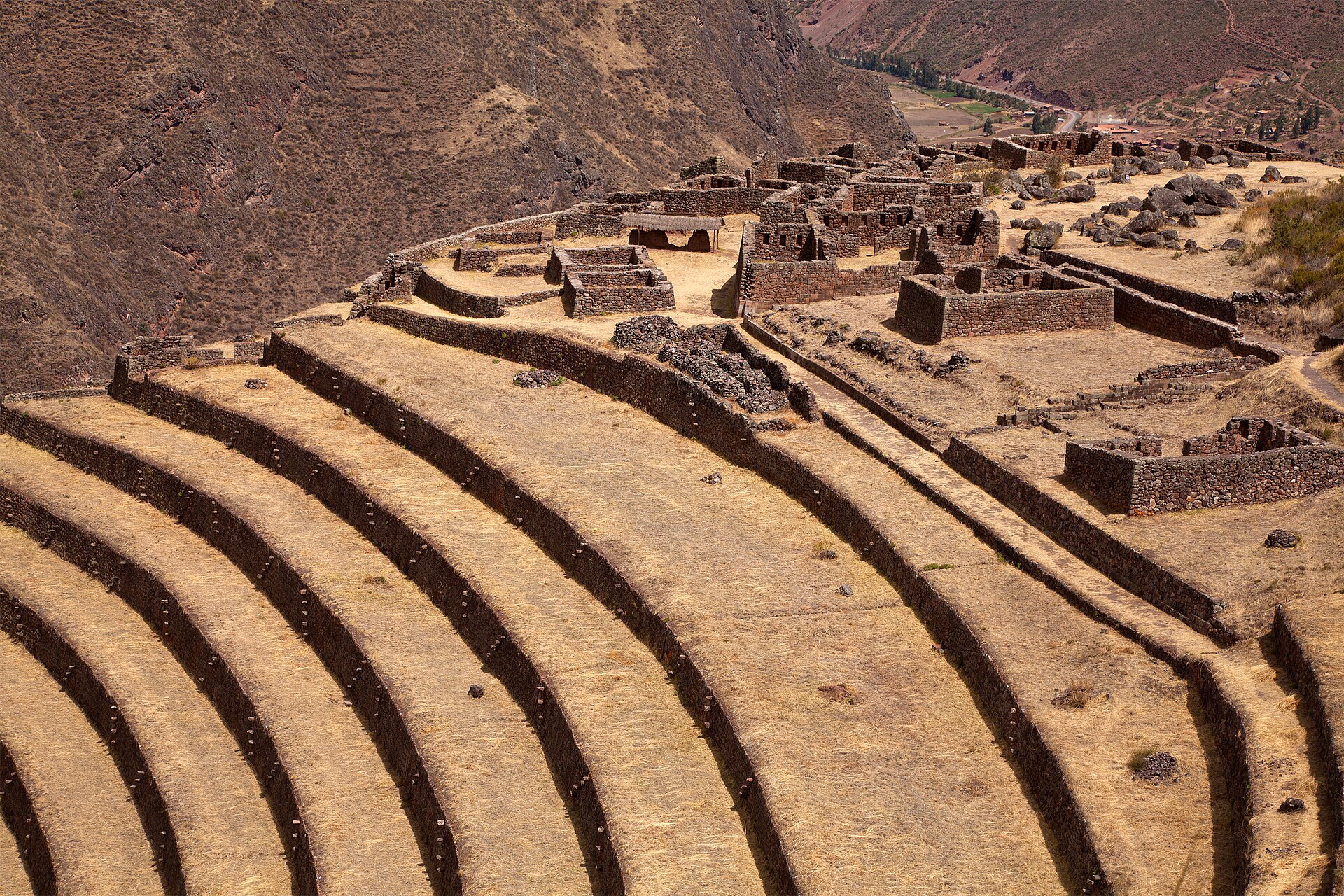
The agricultural terraces shape the mountainside long before the most visible stone structures come into view. Stay on marked paths, respect closures and avoid approaching cliff areas for photographs. Interpretation is more useful than racing between named sectors.
Return to the town slowly
Pisac’s center is compact enough for a meal and a walk, but vehicle traffic and market activity can make the main lanes busy. Market size and stall patterns vary, so do not build the visit around a schedule copied from an old article. Ask before photographing people and compare materials before buying textiles or crafts.
A practical sequence
- Arrive with water, sun protection and layers for changing mountain weather.
- Explore the archaeological site at a pace that leaves time for pauses.
- Descend or transfer to town according to the current access plan.
- Eat, browse the market and walk beyond the most concentrated visitor stalls.
- Leave a generous road margin for the next valley stop.
What to combine with Pisac
Pisac pairs naturally with a first or last Sacred Valley day on the Cusco side. Ollantaytambo, Maras and Moray lie farther west and deserve more time than a rushed add-on. If the route continues across the valley, consider sleeping in a central base rather than returning immediately to Cusco.
Altitude and access
Pisac remains at high elevation even though much of the valley is below Cusco. Climbing can feel harder than expected. Rest, hydrate and seek qualified care for concerning symptoms; this guide is not medical advice. Current entry tickets, opening conditions and transport rules should be checked at the responsible source.
Plan the rest of the visit

Machu Picchu Entrance Ticket Official Circuits
Discover the wonders of Machu Picchu with an official entrance ticket that allows you to explore this ancient Inca c...

Official Machu Picchu Entrance Ticket
Secure your visit to Machu Picchu with this official entrance ticket to one of the New Seven Wonders of the World. E...

Aguas Calientes Machu Picchu Official Ticket Bus and Guide
Discover Machu Picchu with this all-inclusive guided tour, including official entrance tickets, round-trip bus trans...

Machu Picchu Official Entry Ticket
Discover the wonder of Machu Picchu with an official entrance ticket. Choose from several official circuits, each offering a unique way to experience...

Machu Picchu Official Bus – Round Trip
Travel seamlessly between Aguas Calientes and the majestic Machu Picchu with this official round-trip shuttle servic...

Hiking with Alpaca in Sacred Valley (3-hours Experience)
We involve local people in the activity: By doing so, we provide an opportunity for them to actively participate in...

Machu Picchu Official Entrance Tickets Guaranteed Entry
Experience the wonder of Machu Picchu with official entrance tickets to one of the world’s most iconic destination...
Explore more in the Pisac category, compare other major stops in Things to Do, or check authorized provider inventory on the Tours page. The goal is a coherent day with time for both landscape and town life.
Machu Picchu Circuit 2 Guided Tour
Explore the wonders of Machu Picchu via the official Circuit 2 route, known for its stunning views and historical significance. With a licensed local...

Machu Picchu Day Trip from Cusco | Guided Inca Citadel Tour
Machu Picchu stands 2,430 m above sea-level, in the middle of a tropical mountain forest, in an extraordinarily beau...

Machu Picchu Shuttle Bus Round-Trip Tickets from Aguas CalienteS
Travel worry-free aboard the official CONSETTUR shuttle bus, the only authorized transportation between Aguas Calien...

Machu Picchu Private Tour from Aguas Calientes (Tickets included)
Discover Machu Picchu at your own pace with our exclusive Private Guided Tour from Aguas Calientes. Perfect for inde...