Ollantaytambo: Living Inside an Inca Town
Ollantaytambo is unusual because the archaeological site, the old street grid and daily town life sit beside one another. It is not merely a ruin on the way to a train. Stay long enough to climb the fortress at a measured pace, walk the water-lined lanes and understand why the town remains one of the Sacred Valley’s most useful bases.
Visit the fortress without racing the stairs
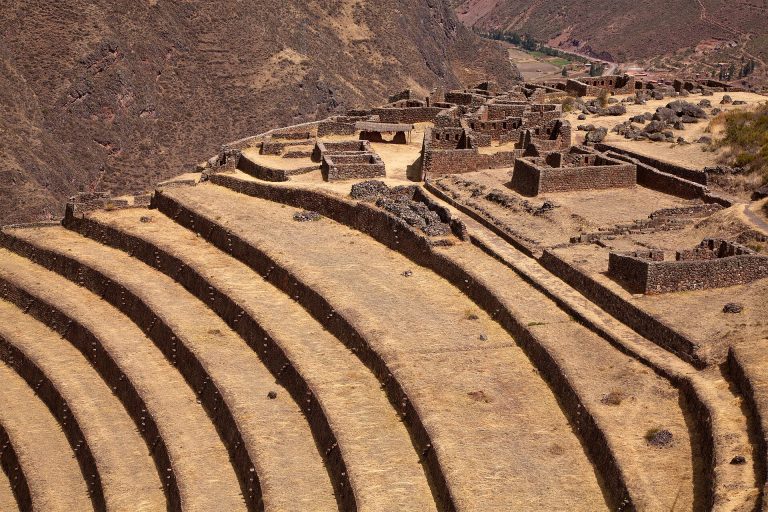
The main terraces rise steeply above the entrance. Take breaks, keep to marked routes and allow the altitude to set the pace. The scale of the stonework and the view across the valley become clearer when the visit is not squeezed between long road transfers.

Machu Picchu Official Entrance Ticket
This ticket is your gateway to the complete Machu Picchu experience. Not only will you step into the legendary Inca Citadel, one of the New Seven Wond...

Hiking with Alpaca in Sacred Valley (3-hours Experience)
We involve local people in the activity: By doing so, we provide an opportunity for them to actively participate in...

Machu Picchu Private Tour
Explore and experience Machu Picchu with professional tour guides and archaeologists. We will make sure you have a g...

Machu Picchu Private Tour from Aguas Calientes (Tickets included)
Discover Machu Picchu at your own pace with our exclusive Private Guided Tour from Aguas Calientes. Perfect for inde...
Walk the old town
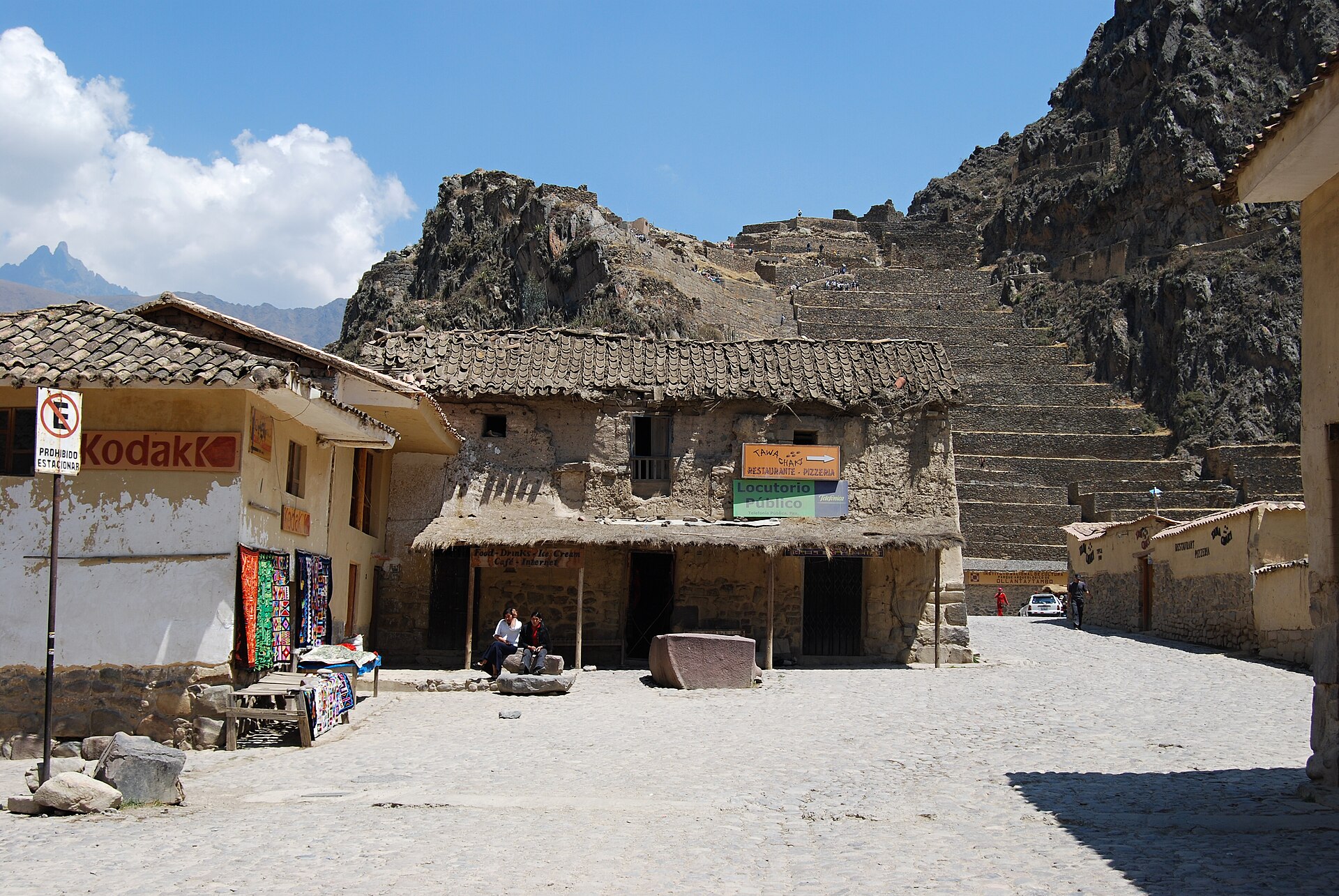
The compact lanes retain an Inca-planned structure, with water channels and stone foundations integrated into later buildings. These are residential streets, so keep voices and photography respectful. Cobblestones can be uneven, especially with luggage or after rain.
Decide whether to stay overnight
An overnight stay often makes sense before an onward train because it removes a long early transfer from another part of the valley. It also gives the town a quieter evening and morning rhythm. The tradeoffs are simple:
- Rooms near the center are convenient for walking but may hear street activity.
- Properties higher on the slope can involve stairs and difficult luggage access.
- Station proximity matters only when it does not make the rest of the stay inconvenient.
- Breakfast and transfer arrangements should be confirmed for early departures.
Use the train as a fixed anchor
Read the station and departure printed on the ticket, then work backward. Rail schedules and baggage rules are time-sensitive; verify them directly with the operator. The Sacred Valley train guide explains what to compare without reproducing an old timetable.
What fits on the same day
Pisac sits on the other side of the valley and deserves its own time. Maras and Moray can pair with Ollantaytambo only when transport and daylight make the route realistic. A better plan is often one main archaeological site plus a walk and a meal in town.
Practical details
- Carry water, sun protection and a rain layer.
- Use footwear suitable for polished stone and steep steps.
- Follow current ticket and access instructions at the entrance.
- Seek qualified medical help for concerning altitude symptoms.
Keep exploring

Machu Picchu Private Archaeological and Historical Guided Tour
Explore Machu Picchu, one of the Seven Wonders of the World, in the company of a private guide. Enjoy the undivided...

From the Sacred Valley: Salt Mines & Moray - Private tour
As a company based in the Sacred Valley, we are true specialists in the region, enabling us to provide a more person...

Machu Picchu: Official Entrance Tickets
With this ticket you can visit the Inca city of Machu Picchu. The ticket allows you to visit most of the archaeologi...

From the Sacred Valley Chinchero, Maras, Moray and Ollantaytambo
What makes our tour special is that we are based right here in Urubamba, the heart of the Sacred Valley. Being locals gives us a unique advantage –...
Hiking with Alpaca in Sacred Valley (3-hours Experience)
We involve local people in the activity: By doing so, we provide an opportunity for them to actively participate in...
Machu Picchu Official Entrance Ticket
This ticket is your gateway to the complete Machu Picchu experience. Not only will you step into the legendary Inca...

Machu Picchu 2Day Tour by Train from Cusco with Overnight Stay
Our tour guides at Machu Picchu are incredibly passionate about storytelling and are committed to creating unforgett...
Compare the town with Pisac or the central-valley bases in the where-to-stay guide. For bookable experiences, use only the live results on the Tours page, where current provider data is separated from editorial planning advice.