Maras & Moray: The Half-Day That Surprises Everyone
A practical, respectful half-day plan for Moray’s circular terraces and the working salt pans near Maras.
 Visit Sacred Valley
April 22, 2026
7 min read
Visit Sacred Valley
April 22, 2026
7 min read 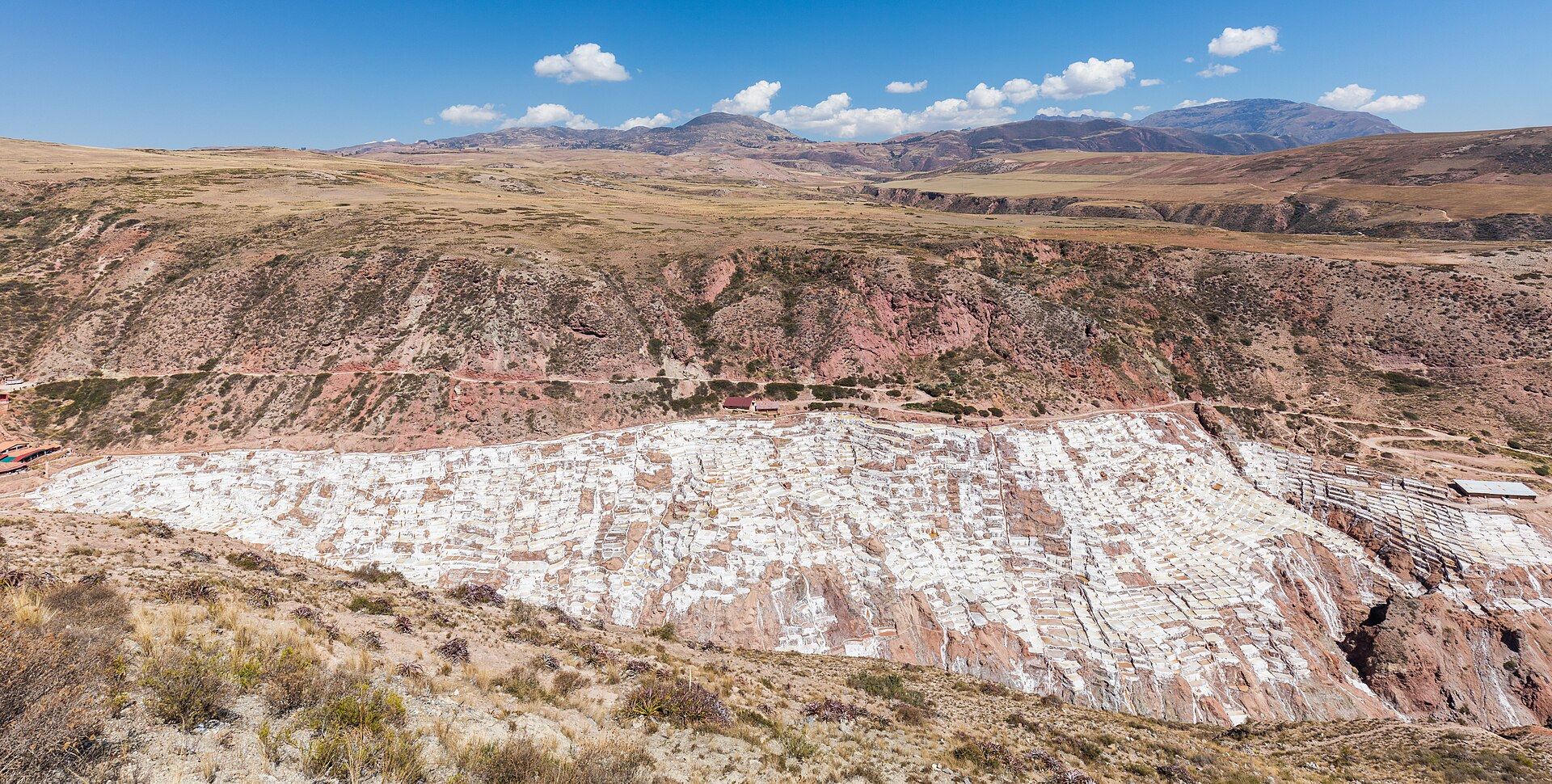
Maras and Moray fit together because they share the high plateau west of the central Sacred Valley, not because they tell the same story. Moray is an archaeological landscape of concentric terraces. The salt pans near Maras are a living system of thousands of small pools fed by a mineral-rich spring. Give both places enough time to remain more than photo stops.
Why the pairing works
A focused half-day reduces backtracking and leaves room for interpretation. The roads, weather and current access determine the best order, so treat any fixed itinerary as a framework rather than a promise.

Sacred Valley Alpaca Hiking Tour
We involve local people in the activity: By doing so, we provide an opportunity for them to actively participate in the tourism industry in Cusco. You...

Natural Inca Hot Springs Day Trip – Soak & Relax in the Andes
The Inca thermal baths of Lares Valley are completely natural water that comes from the Andean mountains. This water...

Private Transfer from Valle Sagrado to Alejandro Velasco Astete (CUZ) Airport
Take the worry out of your departure to Alejandro Velasco Astete (CUZ) Airport and pre-book a private transfer to su...
Moray
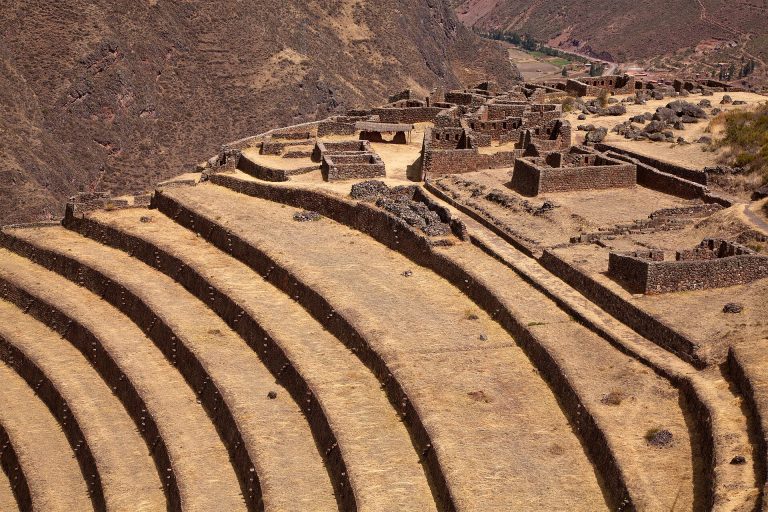
The circular depressions at Moray are often described as an Inca agricultural laboratory. Differences in temperature and growing conditions are part of the interpretation, but the full purpose remains debated. Present that uncertainty honestly and focus on the engineering, scale and relationship to the surrounding plateau.
The Maras salt pans
The salt pans have a long history and remain connected with local production. Follow the visitor route, respect closed working areas and avoid stepping onto the pools for a photograph. Access and viewpoints can change, so current signs and local instructions take priority over older descriptions.
How much to add
Chinchero can look close on a map, but adding it well requires time for the village, archaeological landscape and weaving context. If the day is already compressed, keep Chinchero for another outing rather than reducing every stop to twenty minutes.
What to bring
- Sun protection and water for the exposed plateau.
- A warm or rain layer, even when the valley below feels mild.
- Footwear suitable for uneven paths and dusty or wet surfaces.
- Small cash where appropriate, without assuming every service accepts cards.
Transport choices
A private driver or organized excursion can simplify the spread-out route. Independent transport may be possible, but connections and waiting times vary. Confirm the exact pickup, inclusions and return point before committing. The verified Tours page can show current provider inventory when available.
Responsible photography
Moray and the salt pans are cultural landscapes, not empty sets. Stay behind barriers, keep drones and commercial photography within current rules, and ask before photographing workers or residents. Buying salt or local products can support producers, but avoid making unverified claims about origin or benefit.
Continue through the valley

Machu Picchu Official Entrance Ticket
This ticket is your gateway to the complete Machu Picchu experience. Not only will you step into the legendary Inca...

Official Machu Picchu Entrance Ticket
Secure your visit to Machu Picchu with this official entrance ticket to one of the New Seven Wonders of the World. E...

Machu Picchu with Tickets and Lunch
This Machu Picchu tour with entrance tickets begins with a pick up from your hotel or train station. Then we will ta...
Sacred Valley Alpaca Hiking Tour
We involve local people in the activity: By doing so, we provide an opportunity for them to actively participate in the tourism industry in Cusco. You...
Natural Inca Hot Springs Day Trip – Soak & Relax in the Andes
The Inca thermal baths of Lares Valley are completely natural water that comes from the Andean mountains. This water...
Private Transfer from Valle Sagrado to Alejandro Velasco Astete (CUZ) Airport
Take the worry out of your departure to Alejandro Velasco Astete (CUZ) Airport and pre-book a private transfer to su...

The Best Private Sacred Valley Tour in Cusco ( with Pisac)
We know very well each place of this tour, since we have been grown in this area and we studied over 3 years to get...
Pair this outing with a slower base in Urubamba or Yucay, or continue toward Ollantaytambo only when the schedule allows. Browse more Maras and Moray guides and use the lodging comparison to avoid unnecessary road time.