Sacred Valley for Couples Guide
Plan a slower Sacred Valley escape for two, with advice on choosing a base, shaping romantic days, managing transport, and adding Machu Picchu without unnecessary stress.
 Visit Sacred Valley
September 22, 2026
Visit Sacred Valley
September 22, 2026

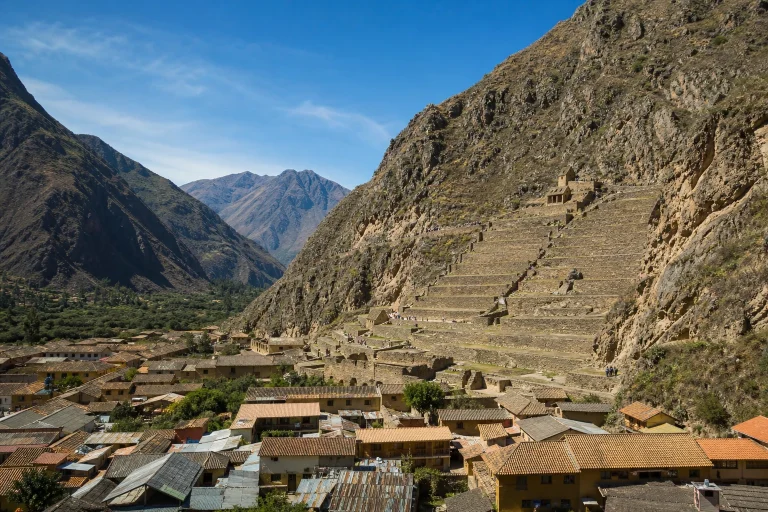
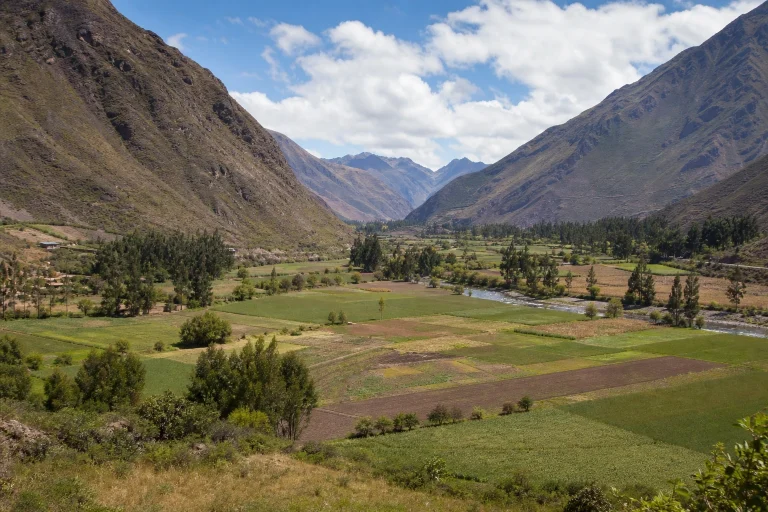
The Sacred Valley rewards couples who leave room between the landmarks. Pisac, Urubamba, Ollantaytambo, and the Maras-Moray area provide strong anchors, but they are spread across the valley. A satisfying trip pairs archaeological visits and mountain scenery with unhurried meals, flexible afternoons, and at least one day that does not depend on a tight chain of reservations.
Sacred Valley planning essentials for couples
- Choose one or two bases instead of changing hotels every night.
- Plan one primary attraction or area per day, then leave space for a meal or walk together.
- Use Ollantaytambo when a Machu Picchu rail connection is central to the itinerary.
- Book fixed Machu Picchu entry and train components early when your dates cannot move.
- Compare private road transport for flexibility against shared arrangements for simplicity.
- Confirm baggage, access needs, and pickup details before the trip.
The central planning decision is pace. Trying to combine Pisac, Urubamba, Maras-Moray, Ollantaytambo, and Machu Picchu in one rushed sequence leaves little margin for delayed departures or a long lunch. Base the itinerary around the experiences you care about most, then treat anything extra as optional rather than overdue homework.

Sacred Valley Tour: Pisac, Maras, Chinchero & Ollantaytambo
Explore the best of Peru’s Sacred Valley on a private full-day tour designed for a personalized and comfortable experience. With your own expert loc...

The Best Private Sacred Valley Tour in Cusco ( with Pisac)
We know very well each place of this tour, since we have been grown in this area and we studied over 3 years to get...

From Urubamba & Ollantaytambo: Sacred Valley Day tour with Lunch
Explore the best and most unique sites in the Sacred Valley on a private tour. Visit the impressive ruins of Ollanta...

Machu Picchu Private Tour with Expert Guide
Discover Machu Picchu with your own private official guide and enjoy a personalized experience in English, French, o...
Choose one base or divide the trip between two towns
One base suits couples who value easy mornings and dislike repacking. A split stay makes more sense when the trip has two distinct halves, such as valley sightseeing followed by a train departure from Ollantaytambo. Our guide to where to stay in the Sacred Valley compares the lodging character of the valley’s villages and can help narrow the choice.
| Base strategy | Best suited to | Main tradeoff |
|---|---|---|
| Pisac base | Couples making Pisac a central part of the trip | Less convenient when an Ollantaytambo train is the final priority |
| Urubamba base | A rest-focused stay with separate sightseeing days | Requires planning road transport for each outing |
| Ollantaytambo base | A rail-led itinerary or a stay centered on Ollantaytambo | Other valley areas still need dedicated road time |
| Split stay | Couples combining broader valley time with a fixed rail departure | One additional hotel move and more luggage handling |
When a single base works best
Keep one hotel when rest and privacy matter more than checking off every major place. Build each day around one direction or one destination, and avoid returning only to change clothes before another scheduled activity. This approach also gives you a fallback afternoon if weather, energy, or transport changes the plan.
When an Ollantaytambo finish is worth the move
Ending in Ollantaytambo is practical when Machu Picchu follows. PeruRail describes the Ollantaytambo to Machu Picchu Pueblo journey as roughly 1 hour 45 minutes and publishes numerous services, although schedules can change. Match the final hotel night to the confirmed departure rather than choosing a distant room that creates an anxious start.
Build romantic days around place, not a checklist
A good day for two needs only one nonnegotiable plan. Choose the principal site, arrange the required transport, and preserve a block of unscheduled time. The result feels more personal because there is room to linger over a view, stop for a meal, or return to the hotel without feeling that the day was cut short.
Give Pisac its own day
Pisac works better as a destination than as the first rushed stop in a long transfer. Pair the main visit with a flexible meal and an open afternoon. For more focused planning, the Pisac ruins and market guide explains how those two sides of the town can fit into one measured day.
Keep Urubamba as a breathing space
Urubamba can function as the pause between more structured outings. Rather than filling every hour, use part of the day for your hotel, a long meal, or simply sorting luggage before the next move. Couples continuing to the train benefit from dealing with packing before the departure morning.
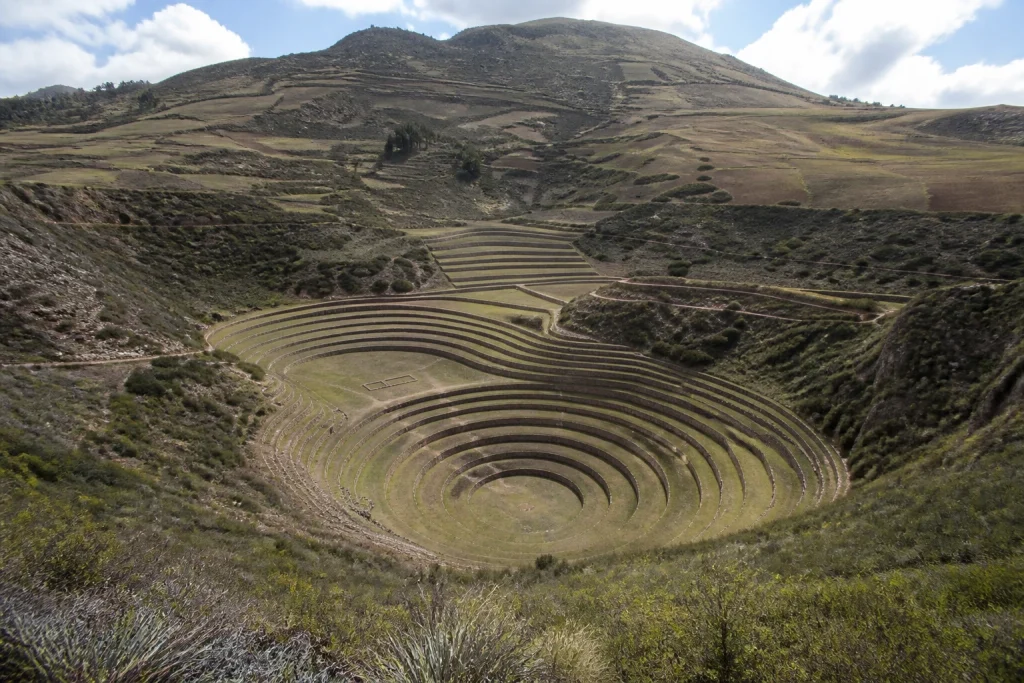
Treat Maras and Moray as one focused outing
The Maras-Moray area deserves a dedicated block rather than being squeezed between distant stops. Decide in advance what you want to prioritize, then keep the rest of the day flexible. The Maras and Moray half-day guide provides a closer look at planning this pairing without turning it into an all-valley race.
Stay long enough to enjoy Ollantaytambo itself
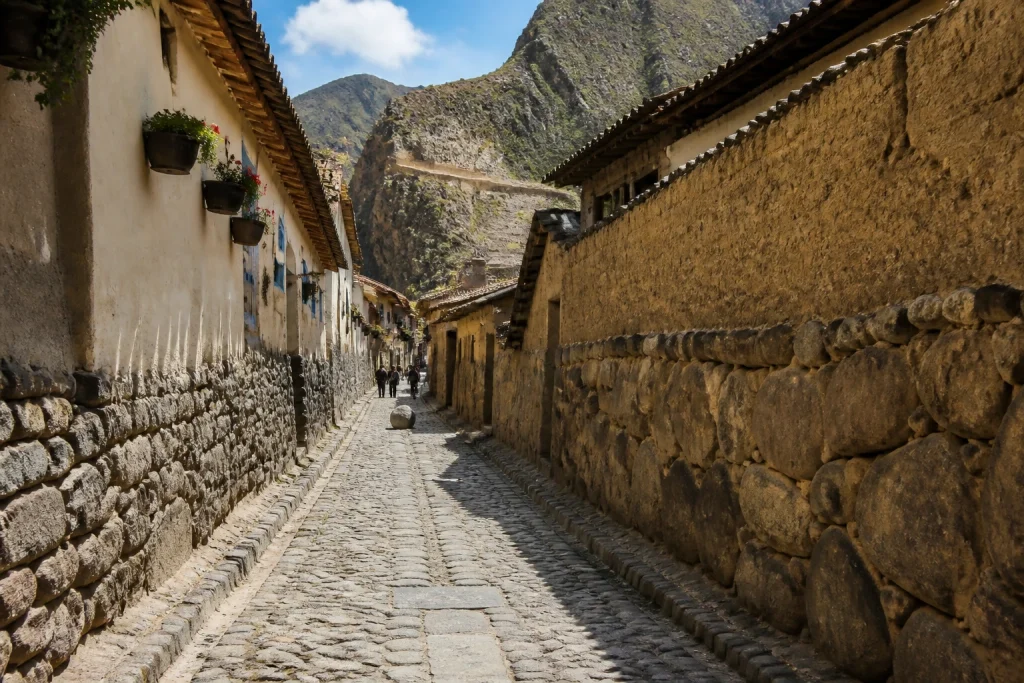
Ollantaytambo should not be reduced to a place where couples wait for a train. Give it a separate arrival period or overnight stay, especially if the following morning has a fixed departure. Our Ollantaytambo town and stone streets guide helps frame the stop as part of the valley experience rather than a transport chore.

Private Machu Picchu Tour with Expert Guide
Discover Machu Picchu with your own private guide on a fully personalized experience from Aguas Calientes. Skip the...

Machu Picchu Entrance Ticket Official Circuits
Discover the wonders of Machu Picchu with an official entrance ticket that allows you to explore this ancient Inca c...

Official Machu Picchu Entrance Ticket
Secure your visit to Machu Picchu with this official entrance ticket to one of the New Seven Wonders of the World. E...
A flexible four-night itinerary for two
Four nights provide a useful framework, but the sequence should follow confirmed bookings and your chosen hotel. Add nights if you want substantial downtime or remove a valley area instead of compressing the same plan. This sample deliberately limits each day to one main geographic focus.
- Day one: Arrive at your primary valley base, settle in, and avoid attaching a distant attraction to the transfer day.
- Day two: Make Pisac the principal outing, with the later part of the day left open.
- Day three: Visit the Maras-Moray area, then return for an unscheduled evening.
- Day four: Move to Ollantaytambo, keeping enough time to enjoy the town and prepare rail luggage.
- Day five: Continue by confirmed train if Machu Picchu is included, or use the day for an unhurried Ollantaytambo visit.
Couples with fewer nights should cut a destination rather than shorten every stop. Those with more time can insert a blank day between major outings. That buffer is particularly valuable before a capacity-controlled Machu Picchu entry or a fixed train because it keeps a minor change from affecting the rest of the trip.
Compare transport and costs without relying on one package price
There is no single dependable all-in figure for a couples trip. Hotels, road transport, tours, rail tickets, and Machu Picchu entry are separate choices, and their costs depend on dates and arrangements. Build the budget line by line so an attractive room rate does not hide the cost or complexity of reaching your planned stops.
Private transport favors flexibility
Independent road transport can improve privacy and give couples more control over the order and length of stops. The tradeoff is that you must coordinate pickup details and compare the full arrangement rather than only a headline rate. Confirm the pickup location, included waiting time, luggage capacity, and final drop-off before the travel day.
Shared arrangements favor simplicity
A shared tour or transfer can reduce planning, but the day follows a collective schedule. Ask how many major stops are included and where the trip ends. A packed route can look efficient while providing little time together at any one place. Check the booking confirmation once for the pickup point, departure window, and included components.
Protect the budget with priorities
Choose one or two areas where privacy matters most. That could mean a room you genuinely want to spend time in, a private road day, or a well-timed train connection. Use simpler arrangements elsewhere. This approach is more useful than a universal daily budget because the largest choices vary by date, hotel, route, and booking type.
Add Machu Picchu without making the whole trip stressful
Book Machu Picchu entry online through Peru’s Ministry of Culture visitor platform when your dates are fixed. Do not build a low-stress couples itinerary around walk-up entry. In-person tickets at Machu Picchu Pueblo come from a limited daily allocation stated as up to 1,000, permit entry the following day, and remain subject to capacity.
After securing entry, match it carefully with the train and hotel. PeruRail publishes early departures from Ollantaytambo, but its timetable warns that operations can change. Recheck the final schedule and leave enough margin between your hotel departure and the train. Book early when dates cannot move, while remembering that advance booking advice does not guarantee any particular service will sell out.
If you are comparing rail companies or service styles, use the PeruRail or Inca Rail guide to Sacred Valley trains to Machu Picchu. Select the departure that fits your confirmed entry and lodging plan rather than choosing a train on atmosphere alone. The smoothest option is the one that avoids a punishing departure and an unnecessary hotel transfer.
Still comparing Sacred Valley For Couples?
Ask for tour ideas, hotel suggestions, or a simple trip plan that combines both.
Trip Helper
Plan baggage before a split stay
Train travel can make luggage the hidden complication in an otherwise elegant itinerary. PeruRail maintains a baggage policy and handles extra luggage through specified sales points. Allowances and charges depend on the exact service, so check the current policy before packing and decide where larger bags will stay during the Machu Picchu portion.
Plan for comfort, weather, and accessibility needs
Comfort begins with realistic days. Check the forecast before each outing, carry only what you need, and avoid scheduling a late finish before an early train. Keep essential medication, documents, and a suitable layer in the day bag rather than in luggage that could be stored separately.
Ask detailed accessibility questions
Do not assume that one accessibility description applies across the Sacred Valley. Contact each hotel, transport provider, and attraction about step-free access, bathroom access, walking distance, surfaces, seating opportunities, and available assistance. Couples should also explain whether one partner can provide support or whether trained assistance is required.
For lodging, ask about the route between the room, reception, dining area, and vehicle drop-off. For transport, confirm vehicle entry height, luggage handling, and where passengers board. Specific answers are more valuable than broad labels such as accessible or easy, especially when several providers form one itinerary.
Keep safety planning practical and proportionate
Current UK travel advice identifies warnings for specified border and VRAEM areas rather than a Sacred Valley-specific warning. Conditions and transport disruption can change, so review current official advice and check with your provider when a regional event affects the route. Purchase insurance suited to the activities and destinations in your itinerary.
Treat offers of unregulated ayahuasca or San Pedro spiritual cleansing with particular caution. UK travel advice flags serious risks linked to these activities, including in the Cusco area. A ceremony should never be treated as a casual romantic add-on, especially when the provider, medical screening, supervision, or emergency arrangements are unclear.
Share the practical information
Both travelers should keep the hotel name, transport confirmation, and fixed ticket details available. Agree on the next meeting point before separating for photos, shopping, or a restroom stop. These small habits prevent one person from carrying the entire plan and make changes easier to manage together.
The best Sacred Valley trip for two leaves room to breathe
The Sacred Valley suits couples who enjoy shared discovery but do not need every hour organized. Choose one or two bases, make each day about one main place, and protect the fixed parts of the trip with early booking and sensible buffers. The main limitation is geographic spread, which turns an ambitious checklist into long days. Decide first what you want to experience together, then let the itinerary grow around those priorities.
Frequently asked questions
How many nights should couples spend in the Sacred Valley?
Three to five nights is a useful planning range for couples who want more than a rushed survey. Use fewer nights for one base and a limited set of places, or add time when combining Pisac, Maras-Moray, Ollantaytambo, and Machu Picchu.
Which Sacred Valley town is best for couples?
The best base depends on the trip’s priority. Pisac suits a Pisac-centered plan, Urubamba works well for a rest-focused stay, and Ollantaytambo is practical when a Machu Picchu train connection shapes the itinerary.
Can couples visit Machu Picchu from Ollantaytambo?
Yes. Ollantaytambo is a practical rail gateway, and PeruRail describes the journey to Machu Picchu Pueblo as roughly 1 hour 45 minutes. Match the train with confirmed entry and recheck the final timetable before travel.
Can we rely on buying Machu Picchu tickets after arrival?
No, walk-up tickets are not dependable for a fixed itinerary. The in-person allocation at Machu Picchu Pueblo is stated as up to 1,000 per day, remains subject to capacity, and is for entry the following day.
Do couples need a private driver in the Sacred Valley?
No, but private road transport can provide more privacy and control over stops. Shared arrangements can simplify planning, so compare the itinerary, pickup details, drop-off, and included components rather than choosing by price alone.
Is the Sacred Valley wheelchair accessible?
There is no dependable valley-wide accessibility rating. Confirm step-free routes, bathrooms, walking distances, surfaces, boarding arrangements, and available assistance separately with each hotel, transport provider, and attraction.
Sacred Valley Tour: Pisac, Maras, Chinchero & Ollantaytambo
Explore the best of Peru’s Sacred Valley on a private full-day tour designed for a personalized and comfortable experience. With your own expert loc...
The Best Private Sacred Valley Tour in Cusco ( with Pisac)
We know very well each place of this tour, since we have been grown in this area and we studied over 3 years to get...
From Urubamba & Ollantaytambo: Sacred Valley Day tour with Lunch
Explore the best and most unique sites in the Sacred Valley on a private tour. Visit the impressive ruins of Ollanta...
Machu Picchu Private Tour with Expert Guide
Discover Machu Picchu with your own private official guide and enjoy a personalized experience in English, French, o...