Best Sacred Valley Food Tours
Compare the Sacred Valley’s strongest culinary experiences, including a market and family-hosted food tour, a premium pachamanca meal, and lower-cost sightseeing trips with lunch.
 Visit Sacred Valley
September 18, 2026
Visit Sacred Valley
September 18, 2026
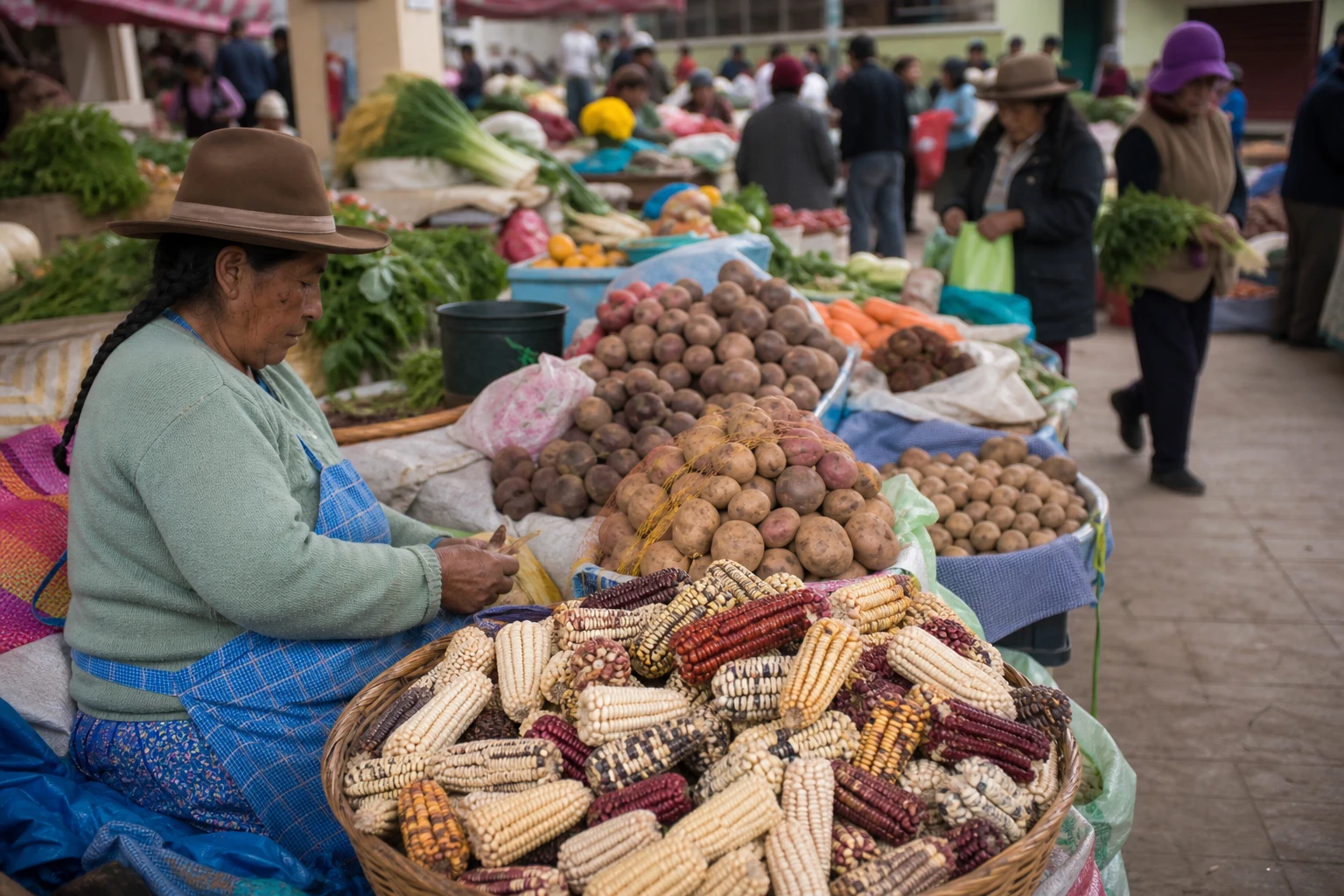
Food tours in the Sacred Valley come in several distinct forms. The strongest dedicated option combines Urubamba market tastings, a visit to Ollantaytambo, a family-hosted festive lunch, and dessert. Travelers can also book a premium pachamanca-style experience or choose a conventional archaeological day trip that includes a buffet. The right choice depends on how much of the day you want to devote to cooking, markets, and food culture.
- Best dedicated culinary option: Sacred Valley Food & Culture Tour, also presented as Valley Food Tour, for its market tastings and family-hosted meal.
- Best premium meal: the Ancestral Cuisine experience at Rio Sagrado, centered on meats, corn, and native potatoes cooked beneath hot stones.
- Best low-cost alternative: a conventional Sacred Valley sightseeing circuit with buffet lunch, provided food is not your main reason for booking.
- Best base for the dedicated tour: Urubamba, where the published route begins and ends.
- Most important booking check: confirm the current price, meeting point, dietary arrangements, accessibility, and transportation before paying.
There is an important difference between a food tour and a sightseeing tour with lunch. A culinary itinerary creates time for tasting, conversation, ingredients, and meal traditions. A classic valley circuit concentrates on archaeological sites and uses lunch as a practical stop. Both can be rewarding, but they serve different priorities and should not be compared on price alone.

From Urubamba & Ollantaytambo: Sacred Valley Day tour with Lunch
Explore the best and most unique sites in the Sacred Valley on a private tour. Visit the impressive ruins of Ollantaytambo, an ancient Incan fortress...

Sacred Valley Tour: Pisac, Maras, Chinchero & Ollantaytambo
Explore the best of Peru’s Sacred Valley on a private full-day tour designed for a personalized and comfortable ex...

The Best Private Sacred Valley Tour in Cusco ( with Pisac)
We know very well each place of this tour, since we have been grown in this area and we studied over 3 years to get...
How the leading Sacred Valley food experiences compare
The table below separates dedicated culinary experiences from tours that merely include lunch. Published prices are snapshots rather than guaranteed rates. Dates, group size, transportation, booking channel, and availability can all affect the final amount.
| Experience | Culinary focus | Route or setting | Published price context | Best suited to |
|---|---|---|---|---|
| Sacred Valley Food & Culture Tour | Market tastings, regional food culture, family-hosted festive lunch, and dessert | Begins in Urubamba, visits Ollantaytambo, and returns to Urubamba | A third-party listing displayed US$190 per person; confirm the current rate | Travelers who want food to shape the day |
| Ancestral Cuisine at Rio Sagrado | Pachamanca-style communal meal with meats, corn, and native potatoes | Hotel-associated experience in the Sacred Valley | The experience brochure listed US$100 per person; advance booking required | Travelers seeking a polished meal without a market-led tour |
| Classic Sacred Valley group circuit | Buffet lunch included during an archaeological sightseeing day | Cusco, Pisac, Urubamba, Ollantaytambo, and Chinchero on one published route | Published starting figures were US$43 to US$45 | Budget travelers prioritizing ruins and broad sightseeing |
The dedicated tour offers the greatest culinary depth in this comparison. Rio Sagrado’s experience is more focused and polished, but it is a meal-based activity rather than a valley-wide food tour. The inexpensive group circuits cover more landmarks, yet their schedules leave less room for market tasting or extended conversation around a family table.
Best dedicated food tour: Sacred Valley Food & Culture Tour
Sacred Valley Food & Culture Tour is the strongest match for travelers specifically seeking a food tour. Its published route starts with tastings around Urubamba’s market, continues to Ollantaytambo, and visits an Indigenous family for a traditional festive lunch. The day then returns to Urubamba for dessert. That sequence gives ingredients, place, and hospitality meaningful space rather than treating lunch as a pause between ruins.
The market portion is a valuable introduction to the valley’s agricultural identity. Instead of meeting regional food only after it reaches a restaurant plate, guests encounter ingredients in a working commercial setting. The family visit adds another layer by placing the meal in a social and cultural context. Exact tastings can vary, so approach the published route as a structure rather than a guaranteed menu.
Ollantaytambo also gives the day a strong sense of place. Its inclusion connects the meal-focused itinerary with one of the valley’s best-known historic communities. Travelers who want more context before visiting can read our guide to Ollantaytambo’s Inca town and stone streets, especially if they plan to stay overnight or return for a longer exploration.
Who should choose this tour
Choose this experience if market life, local ingredients, and family hospitality matter more to you than checking off several archaeological sites in one day. It is particularly convenient for travelers sleeping in Urubamba or elsewhere in the valley. The route begins and ends in Urubamba, so visitors based in Cusco need to account for transportation in both directions unless their selected booking includes another arrangement.
Details to confirm before booking
A third-party sales listing displayed a price of US$190 per person, English guiding, and a Urubamba meeting point. Treat those details as a booking snapshot, not a permanent operator rate. Confirm the current total, departure and return timing, group format, transportation, cancellation terms, and exact meeting point for your date. This matters most if you are traveling from Cusco or connecting with another reservation afterward.

Inka Deep Tissue Release Massage
Your ritual blends deep, firm tissue release with ancestral-inspired recovery stretches, making it the ultimate body...

Natural Inca Hot Springs Day Trip – Soak & Relax in the Andes
The Inca thermal baths of Lares Valley are completely natural water that comes from the Andean mountains. This water...

Sacred Valley Alpaca Hiking Tour
We involve local people in the activity: By doing so, we provide an opportunity for them to actively participate in...
Best premium culinary activity: Ancestral Cuisine at Rio Sagrado
Rio Sagrado’s Ancestral Cuisine experience suits travelers who want a refined introduction to pachamanca-style cooking without committing to a market-and-village itinerary. The experience features meats, corn, and native potatoes cooked beneath hot stones and served as a communal meal. It highlights a distinctive Andean cooking method through one focused dining experience.
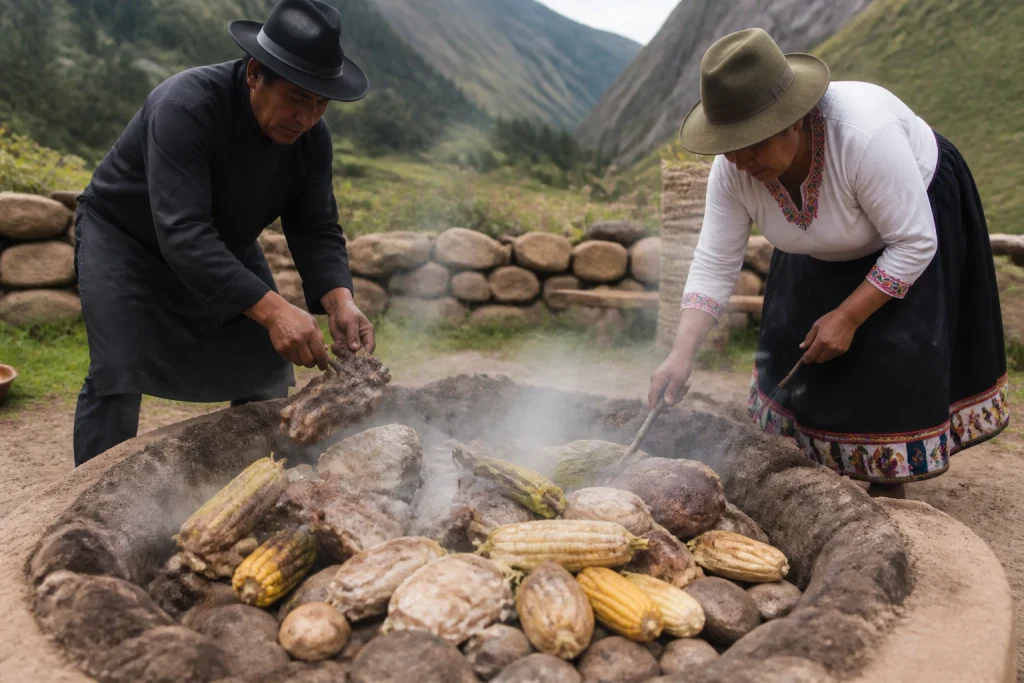
The experience brochure lists advance booking, daily operation at noon on request, and a price of US$100 per person. It is also weather-dependent. Check the current schedule and rate before building a day around it, since an on-request hotel activity does not function like a continuously departing public tour.
This option works best for travelers who value the meal itself and prefer a shorter, contained activity. It is less suitable for anyone expecting guided market exploration or a broad culinary route through several communities. Public booking eligibility for non-hotel guests is not stated in the experience information, so confirm that point before making transportation plans.
Best budget alternative: a classic valley tour with lunch
A classic Sacred Valley group tour is the practical budget choice when ruins and scenery come first. Eco Tour Cusco publishes an approximately 11-hour route through Pisac, Urubamba, Ollantaytambo, and Chinchero, with a buffet lunch in Urubamba. Its listing starts at US$43 and includes a Cusco hotel pickup window around 7:30 to 8:00 a.m. Inka Planet advertises a similar circuit starting at US$45 with an Andean buffet lunch.
These prices are far below the dedicated culinary tour snapshot because the products are fundamentally different. Group sightseeing circuits are designed to cover major valley stops efficiently. Lunch feeds the group during a long day, but it does not usually provide the market immersion, hosted meal, or culinary interpretation that defines the dedicated food itinerary.
The classic route is useful if you want an introductory sweep through the valley. Pisac is one of its principal stops, and our Pisac Sunday Market guide can help travelers decide if they want to return for a slower market visit. Do not book this category solely for gastronomy. Book it for sightseeing, with lunch serving as a convenient inclusion.
One published circuit allows passengers to finish in Ollantaytambo for an onward Machu Picchu train connection. That can save backtracking for travelers with the right schedule. Compare departure times carefully using our guide to PeruRail and Inca Rail trains from the Sacred Valley to Machu Picchu, and avoid assuming that every tour permits an early finish.
Andean foods and flavors to look for
Andean cuisine draws heavily on ingredients suited to highland agriculture. Common examples include choclo with cheese, toasted corn known as cancha, humitas, papa a la huancaína, soups, stews, and corn-based drinks such as chicha. These foods provide useful context for a market visit, although no single tour should be expected to serve every item.
Choclo is prized for its large kernels and is often paired with cheese. Cancha offers a crisp, toasted texture, while humitas use corn in a softer preparation. Potatoes can appear in numerous forms, reflecting their central place in regional cooking. On a guided tasting, the most useful questions concern where an ingredient was grown, how it is prepared, and when local families typically eat it.
Pachamanca provides a different experience because the cooking technique becomes part of the meal. At Rio Sagrado, meats, corn, and native potatoes are cooked beneath hot stones. This communal format rewards patience and attention to process. It is a strong choice when you are more interested in one memorable preparation than sampling several stalls and dishes.
From Urubamba & Ollantaytambo: Sacred Valley Day tour with Lunch
Explore the best and most unique sites in the Sacred Valley on a private tour. Visit the impressive ruins of Ollantaytambo, an ancient Incan fortress...
The Best Private Sacred Valley Tour in Cusco ( with Pisac)
We know very well each place of this tour, since we have been grown in this area and we studied over 3 years to get...
Sacred Valley Tour: Pisac, Maras, Chinchero & Ollantaytambo
Explore the best of Peru’s Sacred Valley on a private full-day tour designed for a personalized and comfortable ex...
A good Sacred Valley food experience should help you understand how ingredients, landscape, cooking methods, and hospitality fit together.
Still comparing Sacred Valley Food Tours And Culinary Experiences?
Ask for tour ideas, hotel suggestions, or a simple trip plan that combines both.
Trip Helper
Where to stay and how to plan the route
Urubamba is the most convenient base for the dedicated food-and-culture itinerary because the published route starts and finishes there. Staying nearby reduces the need to cross the valley before and after a meal-heavy day. Our guide to where to stay in the Sacred Valley compares lodges, hotels, and villages for travelers deciding between Urubamba, Ollantaytambo, and other bases.
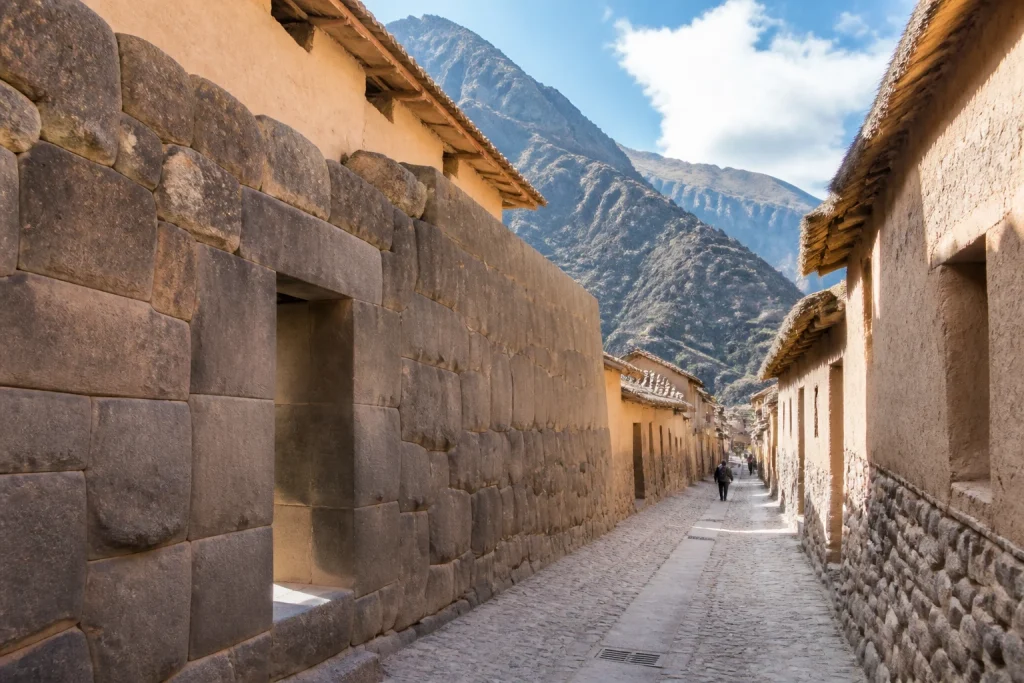
Travelers based in Cusco should consider the complete door-to-door day, not only the advertised activity. The dedicated tour requires reaching Urubamba, while standard sightseeing circuits commonly originate in Cusco. A classic tour can therefore be more efficient when transportation and an Ollantaytambo train connection matter more than culinary depth.
Urubamba sits at roughly 2,780 meters, or 9,120 feet, compared with about 3,399 meters, or 11,152 feet, in Cusco. The lower valley floor can feel like a modest altitude break, but it remains high elevation. Keep the day manageable if you have only recently arrived, particularly when a large lunch and several transfers are involved.
How to evaluate a food tour before paying
Start by identifying the experience you actually want. Market exploration, a hosted family lunch, a hotel-based pachamanca, and a sightseeing buffet are not interchangeable. Once that decision is clear, compare the schedule and transportation rather than choosing solely by the lowest displayed price.
- Confirm where the activity begins and ends, especially if you are staying in Cusco or catching a train in Ollantaytambo.
- Check which meals, tastings, drinks, guiding, and transportation are included in the selected booking.
- Share dietary restrictions and food allergies before payment, using specific ingredient names when possible.
- Ask about group size and the amount of walking if pace or mobility affects your comfort.
- Review the cancellation policy, current local conditions, and weather shortly before departure.
Price should be read in context. The dedicated food tour snapshot was substantially higher than the classic group circuits because its structure centers on tastings and a family-hosted meal. Rio Sagrado’s brochure price covers a focused culinary activity rather than a transport-inclusive day tour. Compare inclusions, not just the number at checkout.
Accessibility and dietary planning
Accessibility requires advance discussion. One sales listing labels the dedicated food-and-culture tour unsuitable for wheelchair users, while detailed information about steps, ramps, restrooms, and mobility-aid storage is not published. Standard valley tours also involve long vehicle days and archaeological stops. Travelers with mobility needs should obtain written confirmation for the exact itinerary and vehicle before booking.
Dietary needs deserve the same level of clarity. A market tasting and family-hosted meal can involve several ingredients and shared preparation spaces. Tell the provider about allergies, vegetarian requirements, or other restrictions before payment. Ask which parts of the experience can be adapted and which cannot, rather than assuming that every tasting will have a substitute.
Travelers with sensory considerations should ask about market crowds, vehicle time, group size, and the meal setting. Families should also confirm the pace and suitability for children. These questions are best handled as practical planning, not as a single accessibility score, since the day combines several environments and transportation segments.

Traditional Thai Full Body Massage Therapy
Traditional Thai Massage stands out as an active, deep-tissue recovery therapy where guests remain fully clothed, ma...

Ticket To Machu Picchu + Machu Picchu Mountain
This offer includes the entrance ticket to the Machu Picchu lost citadel and access to the Machu Picchu mountain hik...

Machu Picchu Shuttle Bus Round-Trip Tickets from Aguas CalienteS
Travel worry-free aboard the official CONSETTUR shuttle bus, the only authorized transportation between Aguas Calien...
What to bring on a Sacred Valley culinary day
Pack for a day that can combine market walking, vehicle transfers, meals, and high elevation. A compact bag is easier to manage around stalls and shared tables. Bring only what you can keep close, since the pleasure of a tasting disappears quickly when you are juggling unnecessary luggage.
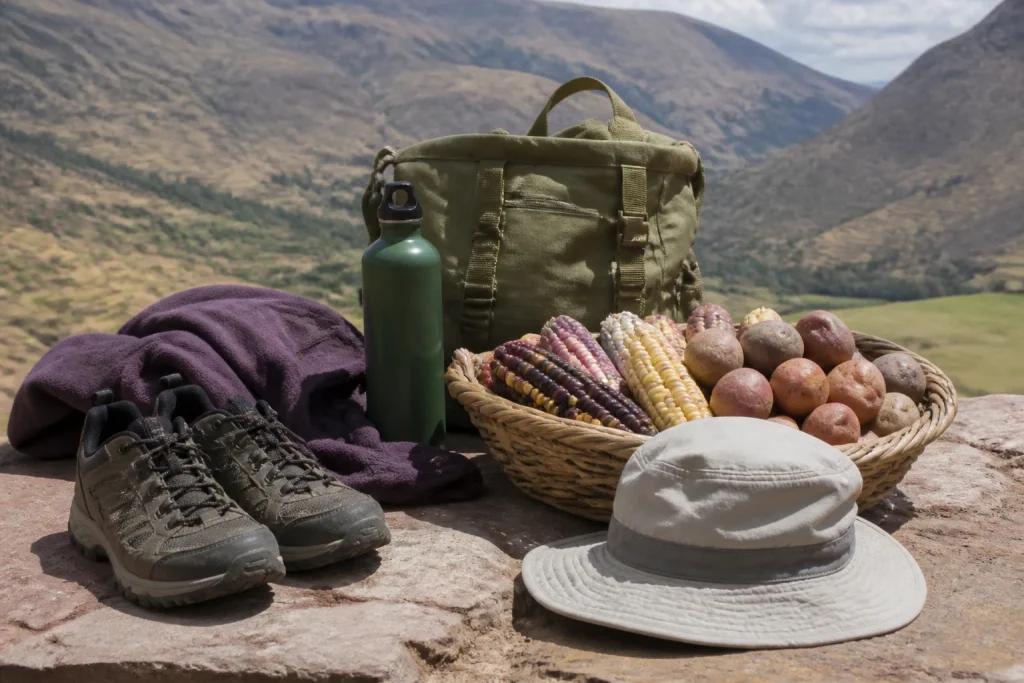
- Water and any personal medication needed at altitude
- Comfortable footwear for markets and uneven town surfaces
- Sun and weather protection appropriate for the day’s forecast
- A light layer for changing conditions
- A note listing serious food allergies in Spanish if communication is a concern
- Booking details with the confirmed meeting point and return arrangement
Check live official travel advice, local transportation conditions, the weather forecast, and the operator’s cancellation policy shortly before departure. This is particularly important for the Rio Sagrado activity because it is explicitly weather-dependent. Avoid relying on an older advisory or a saved schedule when current conditions could affect the day.
Which Sacred Valley food experience should you choose?
Choose Sacred Valley Food & Culture Tour when food is the main event. Its combination of Urubamba market tastings, Ollantaytambo, a family-hosted festive lunch, and dessert creates the most complete culinary narrative among the compared options. Its main limitation is logistics: the route begins and ends in Urubamba, and key details such as current price and transportation should be checked for your departure.
Choose Rio Sagrado’s Ancestral Cuisine experience for a polished, focused introduction to hot-stone cooking. Pick a classic group circuit if your real priority is seeing Pisac, Ollantaytambo, Chinchero, and the broader valley at a lower cost. In that case, regard the buffet as a useful inclusion rather than the defining experience.
The best booking is the one that matches your day’s purpose. Give culinary culture the whole day if you want stories, ingredients, and hospitality. Choose the shorter meal experience if one cooking tradition interests you most. Favor the classic circuit when ruins and onward travel take priority, then save a slower market or restaurant visit for another day.
Frequently asked questions
What is the best dedicated food tour in the Sacred Valley?
Sacred Valley Food & Culture Tour is the strongest dedicated option in this comparison. Its published route combines Urubamba market tastings, Ollantaytambo, a traditional festive lunch with an Indigenous family, and dessert back in Urubamba.
How much does a Sacred Valley food tour cost?
A third-party listing displayed US$190 per person for the dedicated food-and-culture tour, but that should be treated as an indicative snapshot. Confirm the current price, inclusions, transportation, and cancellation terms for your date.
Where does the dedicated Sacred Valley food tour start?
The published itinerary starts and ends in Urubamba. That makes it most convenient for travelers staying in the Sacred Valley, while Cusco-based visitors need to include transportation time in their plans.
Is a cheap Sacred Valley tour with buffet lunch a food tour?
No. It is primarily an archaeological sightseeing tour with lunch included. Published examples visit places such as Pisac, Urubamba, Ollantaytambo, and Chinchero during a long group day, leaving less time for culinary interpretation.
What foods could I encounter in the Sacred Valley?
Common Andean foods include choclo with cheese, cancha, humitas, papa a la huancaína, soups, stews, and corn-based drinks such as chicha. Menus and tastings vary, so these are regional examples rather than guaranteed tour inclusions.
Can wheelchair users join a Sacred Valley food tour?
One sales listing labels the dedicated food-and-culture tour unsuitable for wheelchair users. Detailed step-free access information is not published, so confirm the vehicle, walking surfaces, entrances, restrooms, and mobility-aid arrangements for the exact departure.
Can I combine a Sacred Valley tour with a train to Machu Picchu?
Some classic sightseeing circuits offer the option to finish in Ollantaytambo for an onward train, making them more practical for that connection. The dedicated food tour returns to Urubamba, so it is less efficient when a same-day train is the main priority.
What is the Rio Sagrado Ancestral Cuisine experience?
It is a premium communal meal featuring meats, corn, and native potatoes cooked beneath hot stones in a pachamanca-style preparation. The brochure lists advance booking and notes that the activity is weather-dependent.
Sacred Valley Tour: Pisac, Maras, Chinchero & Ollantaytambo
Explore the best of Peru’s Sacred Valley on a private full-day tour designed for a personalized and comfortable experience. With your own expert loc...
The Best Private Sacred Valley Tour in Cusco ( with Pisac)
We know very well each place of this tour, since we have been grown in this area and we studied over 3 years to get...