Calca Travel Guide
Plan a visit to Calca, a Sacred Valley town that opens the way to local heritage sites, Huchuy Qosqo, and the Lares region. This guide covers transport, timing, road conditions, accessibility, costs, and itinerary…
 Visit Sacred Valley
October 20, 2026
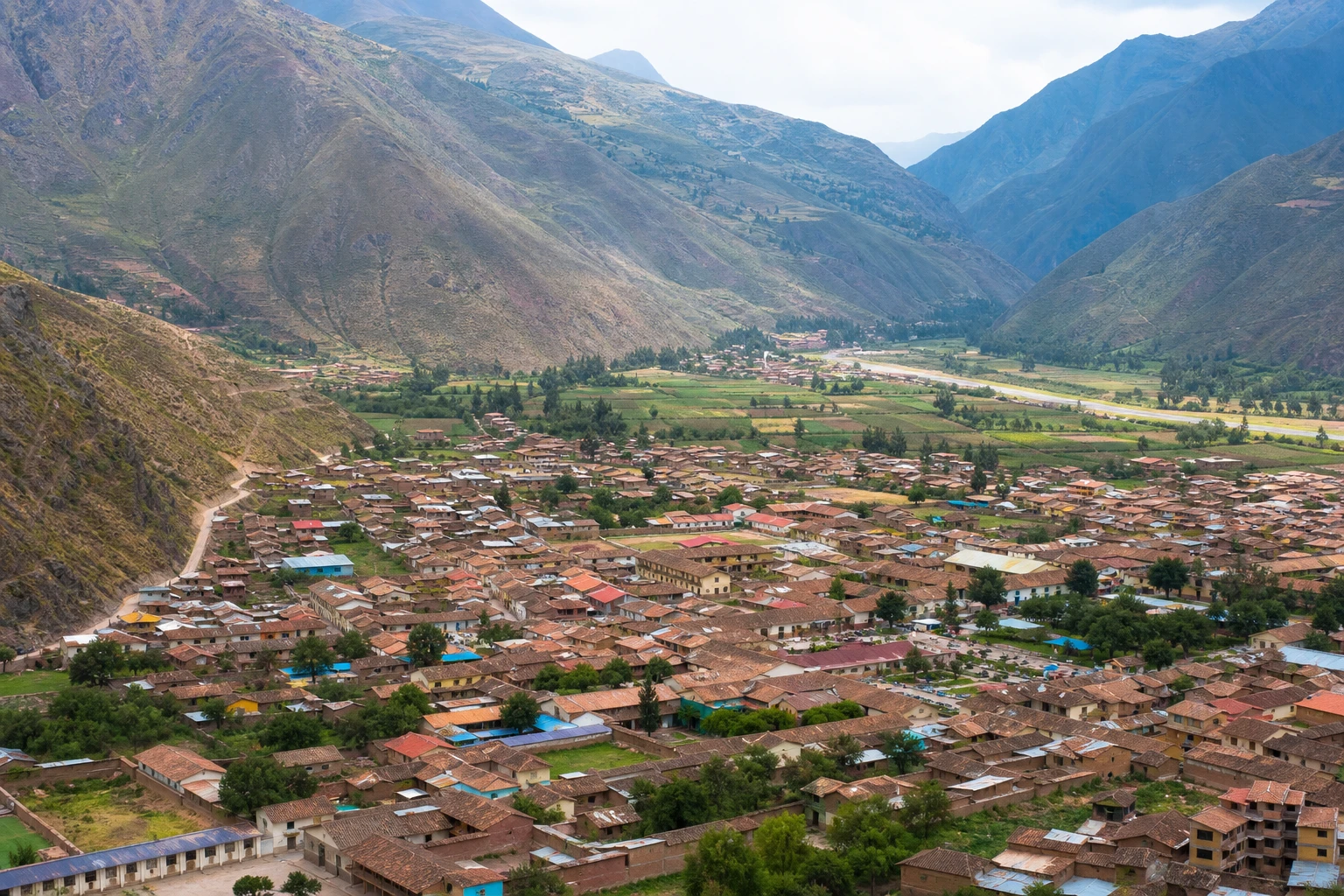
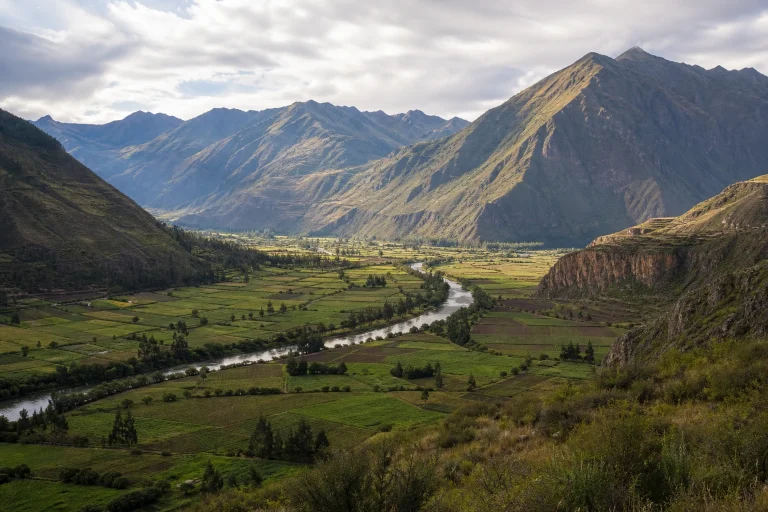
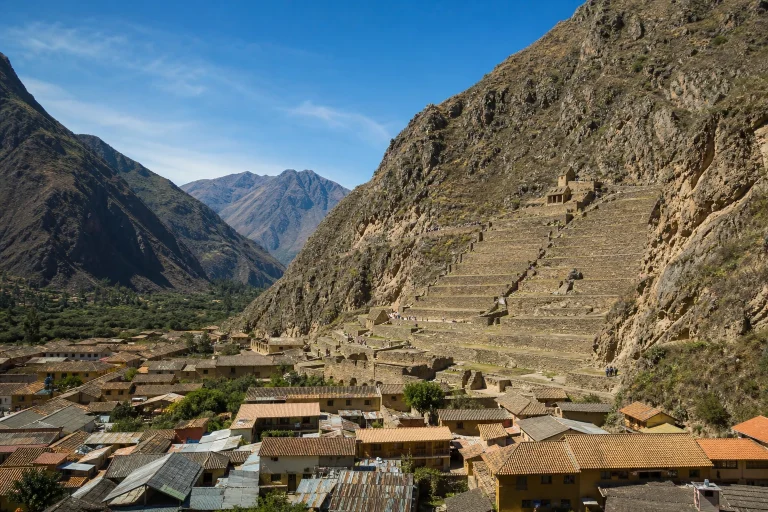
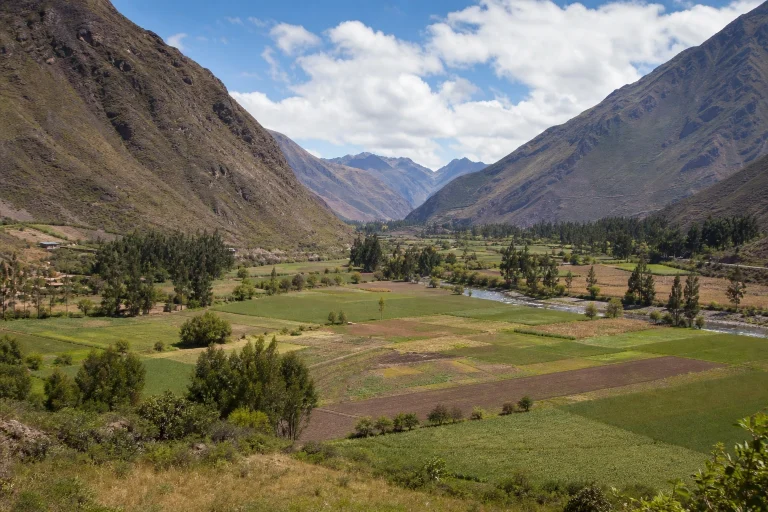
Calca is a useful stop for travelers who want to explore beyond the Sacred Valley's busiest itinerary. The town combines visible pre-Hispanic heritage with local cuisine, customs, and festivities. It also provides access toward Huchuy Qosqo, Ankasmarka, Urco, Calispuquio, Machacancha, and the Lares region. The main planning challenge is time: road journeys are significant, and remote routes become more demanding after rain.
- Calca is roughly 50 to 51 kilometers by road from Cusco, with driving commonly taking about 1 to 1¼ hours.
- Allow at least half a day from Cusco once the return journey is included.
- Confirm minibus departure details locally because schedules, pickup points, and fares can change.
- Treat Lares and Quishuarani as substantial side trips rather than quick additions to a valley loop.
- Do not plan around a Huchuy Qosqo cable car unless current visitor operations are officially confirmed.
- Check road conditions before remote journeys, especially during rainy periods.
The best Calca itinerary leaves room to respond to road conditions and local advice. Spend time in town, then select one nearby destination that fits your available transport and mobility. Travelers heading toward Lares should protect most or all of a day for the journey. A flexible plan works better here than a crowded checklist built around exact arrival times.
Why Calca deserves a place in a Sacred Valley itinerary
Calca works as both a town visit and a departure point. Its appeal lies in the combination of local life, pre-Hispanic fabric, food traditions, customs, and festivities. Nearby tourism draws identified by the municipality include Huchuy Qosqo, Ankasmarka, Urco, Calispuquio, and Machacancha. That range lets visitors shape a cultural stop, an archaeological outing, or a longer rural excursion.
Avoid treating all those places as one compact circuit. Current access arrangements and road conditions should guide which destination you choose. This is especially important for communities reached by unpaved roads or rugged paths. A focused visit to Calca and one selected site is usually more sensible than trying to collect every name in a single day.
If Calca forms part of a wider route, the guide to the best things to do in the Sacred Valley for first-time visitors can help you decide which larger valley experiences belong in the same trip. Calca is particularly relevant when local culture, less compressed sightseeing, or travel toward Lares matters more than racing between several major stops.
Getting to Calca from Cusco
Calca lies about 50 to 51 kilometers north of Cusco by road. Official route estimates differ slightly, so plan on roughly 1 to 1¼ hours of driving in ordinary conditions. That range is more useful than a fixed promise because traffic, weather, and road works can alter the journey.
Road and minibus access between Cusco and Calca is established, but current public departure times, pickup locations, operators, and fares should be confirmed locally. Check the same-day return options as well as the outbound trip. This prevents an afternoon visit from becoming rushed simply because the last convenient departure is earlier than expected.
| Journey | Distance | Planning time | Important note |
|---|---|---|---|
| Cusco to Calca | About 50 to 51 km | About 1 to 1¼ hours by road | Allow extra time when conditions are poor. |
| Calca to Lares | About 57 km | About 1½ hours by road | This is only one part of a longer Lares-area outing. |
| Cusco to Lares Valley Hot Springs | About 114 km | About 3½ hours by car | Treat it as a dedicated excursion rather than a quick detour. |
| Lares toward Quishuarani | About 10 km on an unpaved section | Variable | Road and onward walking conditions require advance checking. |
Travelers arranging a driver should agree on the route, waiting time, and return plan before departure. Minibus users should confirm where to board and how late services are running that day. Published schedules can age quickly, so local confirmation is more dependable than building the day around an old timetable.
How much time to allow for Calca
A half-day is the practical minimum for a Calca visit from Cusco. The round-trip drive alone can consume two hours or more, leaving limited time for the town and nearby attractions. A full day creates more breathing room, but the Lares direction still deserves separate treatment because of the longer road journey and potentially difficult access.
Still comparing Day Trips?
Ask for tour ideas, hotel suggestions, or a simple trip plan that combines both.
Trip Helper
A simple half-day plan
- Leave Cusco with a buffer for traffic and changing road conditions.
- Spend unhurried time in Calca rather than immediately transferring onward.
- Ask locally about current access to one nearby attraction.
- Keep the final part of the visit flexible around confirmed return transport.
- Move any Lares-area plan to a separate day.
A fuller day based in Calca
With a full day, combine the town with one carefully selected local draw such as Huchuy Qosqo, Ankasmarka, Urco, Calispuquio, or Machacancha. Do not assume that every site shares the same access, operating conditions, or physical demands. Confirm the practical details for your chosen destination before setting out.
What to see in and around Calca
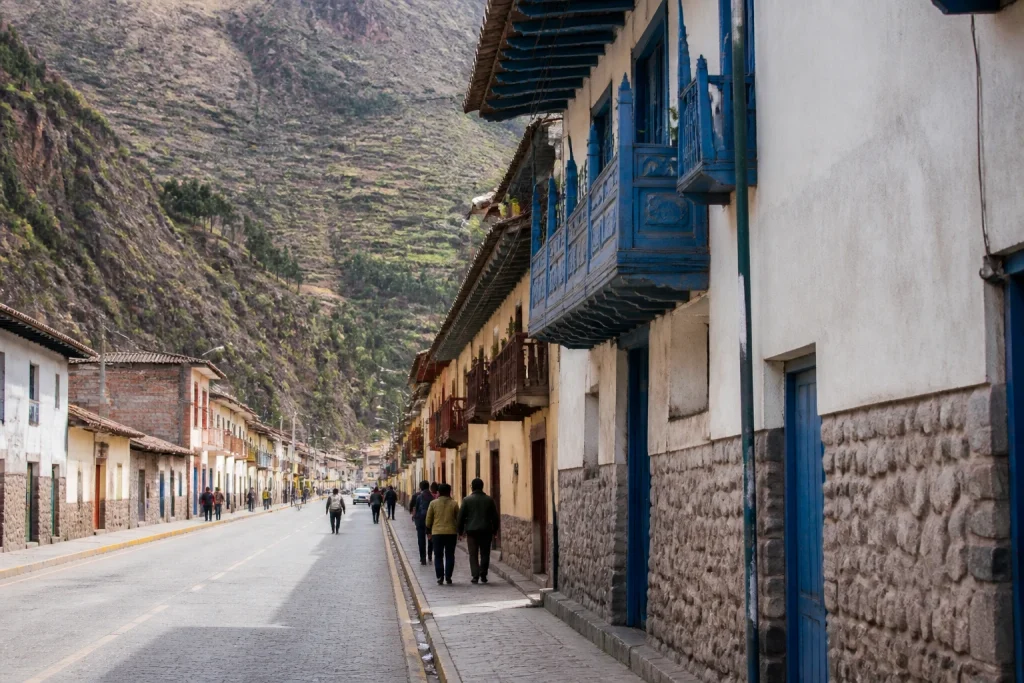
Begin with Calca itself. Its value is not limited to a single monument. The town retains visible pre-Hispanic fabric while local cuisine, customs, and festivities connect the visit to contemporary life. Leave time to look around instead of treating the town only as a transport interchange.
Huchuy Qosqo
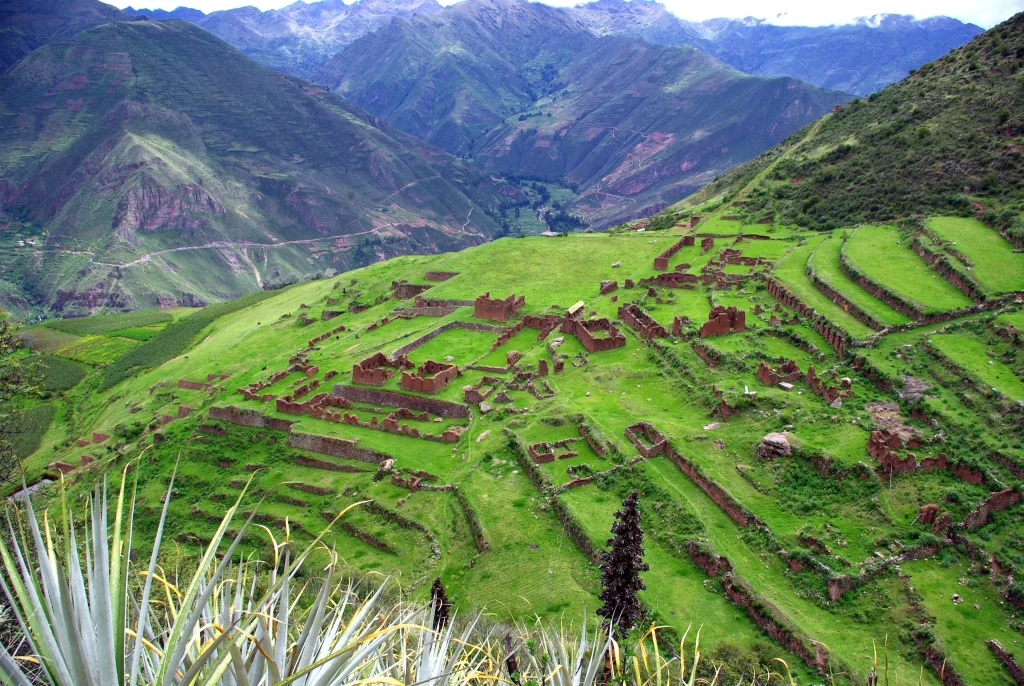
Huchuy Qosqo is one of the principal heritage destinations associated with Calca. Access deserves careful planning. A regional cable-car project was announced and formally launched in 2025, but that announcement did not establish a visitor opening date. Do not assume the cable car is operating. Confirm current site access and any necessary transport arrangements before building the day around it.
Ankasmarka, Urco, Calispuquio, and Machacancha
These places broaden the range of possible excursions around Calca, but they should not be treated as interchangeable stops. Choose according to current access, available transport, and the physical demands of the route. A local check is especially valuable after rain or when the journey continues toward remote communities.
Travelers also considering the eastern side of the valley can use a separate guide to Pisac's ruins and market to plan that experience on its own terms. Keeping Pisac and Calca as distinct itinerary decisions reduces pressure to rush between cultural sites while watching the clock for onward transport.
Using Calca as a gateway to Lares
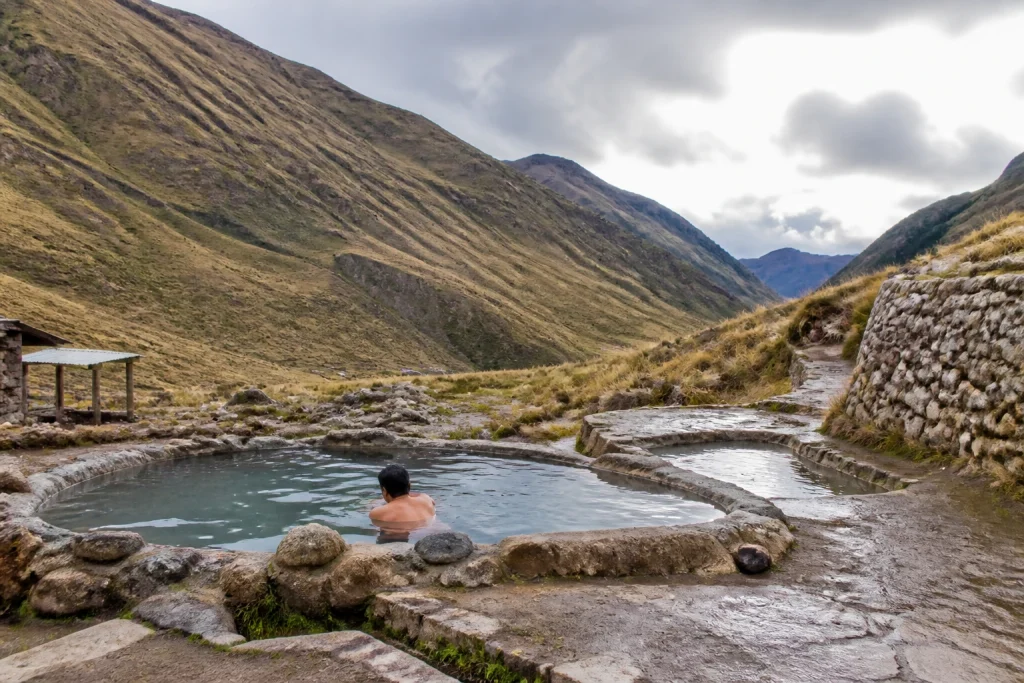
Calca is a practical gateway for travel in the Lares direction. The road journey from Calca to Lares is about 57 kilometers and approximately 1½ hours under typical conditions. The full journey from Cusco to the Lares Valley Hot Springs is listed at about 114 kilometers and 3½ hours by car, making it a substantial outing.
This route best suits travelers willing to dedicate meaningful time to rural scenery, walking, or hot springs. It is a poor match for a tightly scheduled circuit with several other valley attractions. Return travel, meal stops, weather, and road conditions all need space in the day even before any activity begins.
Continuing toward Quishuarani and Hatuncocha
The recorded route toward Hatuncocha continues from Calca through Lares, followed by roughly 10 kilometers on an unpaved section toward Quishuarani. The final approach includes about one kilometer on a bridle path, described as a walk of roughly 15 minutes. Conditions can make short distances feel more demanding, so assess the path itself rather than relying only on the mileage.
Pack around the confirmed forecast and route. Water, food, suitable footwear, and enough daylight for the return are more important than maintaining a rigid schedule. Recheck the road before leaving Calca because routes toward Lares and communities beyond it can require repairs following heavy rain.
Costs, tickets, and booking decisions
Budget for Calca by component rather than looking for one general entrance fee. Transport, a guide or driver, meals, and any site-specific admission should be considered separately. Current public-transport fares and a general attraction price list are not fixed enough to publish as dependable trip costs, so confirm those amounts close to departure.
If Hatuncocha is part of the plan, check whether a site-specific admission charge is being collected. Such a fee should not be confused with a blanket Calca entrance ticket or a Sacred Valley-wide tourist pass. Tour inclusions can also differ, so review whether transport, guiding, admission, and return travel are covered before booking.
Accessibility and physical demands
Accessibility varies sharply between the town and remote excursions. Routes beyond Calca can involve unpaved roads, rugged paths, and walking. The Hatuncocha approach, for example, includes an unpaved road segment and a one-kilometer bridle-path walk. Distance alone does not describe the difficulty of that journey.
Travelers with limited mobility should arrange suitable transport and confirm the exact conditions at the chosen site. Ask about the distance from vehicle access, path surface, slopes, steps, rest opportunities, and whether assistance is available. Site-by-site step-free information is limited, so the most useful questions are practical and specific to the day's route.
A town-centered Calca visit can be adjusted more easily than a remote outing. If rough paths are unsuitable, prioritize the town's cultural character and local food traditions rather than committing to Quishuarani or Hatuncocha. This preserves the value of the visit without forcing an inaccessible route.
Rainy-period road conditions and travel safety
Road conditions deserve extra attention during rainy periods. The Pisac, San Salvador, and Cusco corridor can experience landslide problems, while the route linking Calca, Lares, Yanatile, Versalles, and Quillabamba often requires repair after rain. These are planning cautions, not proof of a current closure, so check live conditions before departure.
Build slack into the day if the forecast is unsettled. A delayed outbound drive can reduce the time available for a remote path and make the return less comfortable. If local advice indicates that a route is difficult, shorten the itinerary rather than trying to recover lost time on an unfamiliar road.
General Peru travel advisories remain useful for country-level guidance, but road status needs separate local confirmation. Check conditions again before a Lares excursion, even if the road was open earlier in the trip. Remote-community access can change more quickly than plans centered on Calca town.
Where Calca fits into a longer Sacred Valley trip
Calca suits travelers interested in local culture, nearby heritage, or the Lares direction. It is less practical as a rushed extra stop on a day already filled with distant attractions. The drive from Cusco means even a brief visit needs a meaningful block of time.
Staying closer to Calca can reduce repeated travel from Cusco when the itinerary focuses on Lares or several local sites. Travelers still deciding on a base can compare lodges, hotels, and villages in the Sacred Valley before committing to daily transfers. Choose according to the places you genuinely plan to visit rather than trying to minimize every distance at once.
A balanced route could devote one day to Calca and a selected nearby attraction, followed by a separate day for Lares if road conditions cooperate. Travelers with only a half-day should keep the focus narrow. Calca town plus one confirmed local experience is a stronger plan than a long list of uncertain detours.
Getting local information in Calca
Calca's municipal tourism office is listed on Avenida Miguel Grau. Its published hours are 8:00 a.m. to 1:00 p.m. and 2:00 p.m. to 5:00 p.m. Because municipal schedules can change, confirm the office is open before making a special trip. It is a logical place to ask about current attraction access, road conditions, and local transport.
Keep questions focused: which site is practical today, how long the road journey is taking, where return transport departs, and whether recent rain has affected access. Those details matter more than trying to follow a fixed itinerary created before arrival.
Practical Calca planning checklist
- Reserve at least half a day if traveling from Cusco.
- Confirm outbound and return transport on the day of travel.
- Select one nearby attraction instead of assuming every site forms a single circuit.
- Check road conditions before traveling toward Lares or remote communities.
- Ask about path surfaces and vehicle access if mobility is limited.
- Verify current access rather than assuming the Huchuy Qosqo cable car is operating.
Is Calca worth visiting?
Calca is worth considering for travelers who value local culture, pre-Hispanic heritage, and access toward the Lares region. Its main limitation is logistical: road time adds up, and remote routes can be affected by rain or difficult surfaces. Give the town at least half a day, choose one nearby focus, and separate Lares into a longer excursion. That approach turns Calca into a purposeful part of the Sacred Valley rather than a hurried stop between destinations.
Frequently asked questions
How far is Calca from Cusco?
Calca is roughly 50 to 51 kilometers north of Cusco by road. Driving usually takes about 1 to 1¼ hours, although traffic, weather, and road conditions can lengthen the journey.
How do you travel from Cusco to Calca?
Calca is accessible by road, including minibus transport. Confirm the current departure point, fare, timetable, and return options locally because these details can change.
How long should I spend in Calca?
Allow at least half a day when visiting from Cusco. A full day is better if you want to combine the town with one nearby attraction, while Lares-area excursions require a longer commitment.
Is the Huchuy Qosqo cable car open?
Do not assume the Huchuy Qosqo cable car is operating. A project groundbreaking was announced in 2025, but no visitor opening date was established in that announcement, so current access must be confirmed separately.
Can I visit Lares as a quick side trip from Calca?
Lares is better treated as a dedicated excursion. The Calca to Lares road journey is about 57 kilometers and approximately 1½ hours before adding activities, stops, or travel farther toward Quishuarani.
Is Calca suitable for travelers with limited mobility?
A town-centered visit can be easier to adapt, but remote sites require careful planning. Some routes include unpaved roads, rugged paths, and walking, so confirm vehicle access and path conditions for the exact destination.
Do I need a general entrance ticket for Calca?
Plan costs by individual site and service rather than expecting one general Calca entrance fee. Check current transport prices and any site-specific admission close to your visit.
What should I check during rainy periods?
Check current road conditions before departure, especially for travel toward Lares and remote communities. Rain can contribute to landslides, difficult surfaces, delays, and road repairs.